

 Animal Zoid Editorial Team
 What vegetables are healthy for dogs? Carrots, sweet potatoes, green beans, pumpkin, and broccoli top the list — and each one delivers genuine nutritional benefits when served correctly. One of our team members, Clara, adopted a seven-year-old Labrador named Chester two years ago. Chester had spent years eating low-quality kibble. His coat looked dull and lifeless. His energy stayed consistently low. His weight concerned his vet immediately — a challenge we’ve covered in detail in our how to make a dog gain weight fast guide. Clara’s vet recommended adding fresh vegetables alongside Chester’s upgraded food. The results genuinely surprised her. Within four months, Chester showed improved coat shine, better energy, and noticeably healthier digestion. Moreover, he developed very clear opinions about which vegetables he preferred. Sweet potato won by a landslide — no surprise there. In this guide, we’ll explain exactly what vegetables are healthy for dogs, how to introduce them correctly, which ones to avoid completely, and how Chester’s story unfolded over sixteen weeks.
What Vegetables Are Healthy for Dogs — And Why They Matter
What vegetables are healthy for dogs goes beyond a simple safe-or-unsafe list. Furthermore, understanding why vegetables benefit dogs helps you make smarter feeding decisions every single day.
Dogs are omnivores — not strict carnivores. Consequently, their digestive systems handle many plant-based foods efficiently and extract genuine nutritional value from them. According to the American Kennel Club, vegetables can safely make up 10% of a dog’s daily calories without disrupting nutritional balance.
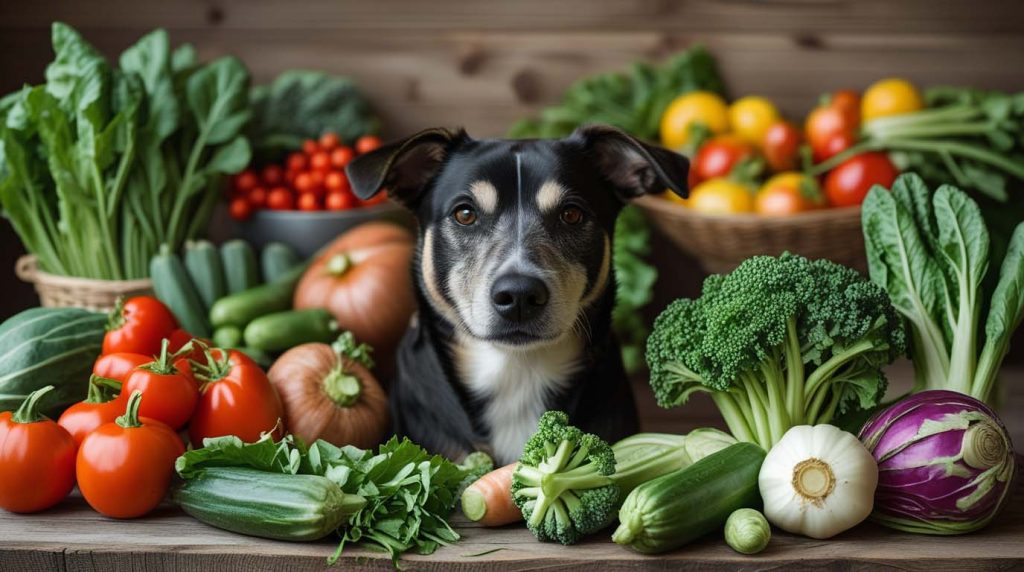
Why What Vegetables Are Healthy for Dogs Deserves Your Attention
Fresh nutrients that processing destroys
Commercial dog food undergoes high-heat processing. As a result, heat-sensitive vitamins, enzymes, and antioxidants degrade significantly during manufacturing. Fresh vegetables deliver these nutrients in their most bioavailable form. They complement — rather than replace — your dog’s primary diet effectively and meaningfully.
Fiber that supports gut health
Many dogs on exclusively kibble-based diets receive insufficient dietary fiber. Consequently, their digestive efficiency suffers noticeably over time. Appropriate fiber supports healthy gut bacteria, regular bowel movements, and better nutrient absorption overall. For dogs managing skin conditions alongside digestive issues, this gut-skin connection matters enormously — as we explain in our dog atopy home remedy guide.
Weight management without hunger
Low-calorie vegetables provide satisfying bulk without adding significant calories. Therefore, they work beautifully for weight-conscious dogs who always seem hungry. Breeds like Labradors are especially prone to obesity — a topic we cover thoroughly in our how to stop Labrador shedding guide where nutrition and coat health intersect directly.
Antioxidant protection from the inside out
Many vegetables contain powerful antioxidants — beta-carotene, vitamin C, and quercetin among them. Consequently, these compounds support immune function and reduce systemic inflammation naturally. Research from the Journal of Nutritional Science (2019) showed that dogs receiving antioxidant-rich foods demonstrated measurable immune improvements within just eight weeks of consistent supplementation.
What Vegetables Are Healthy for Dogs — The Complete Safe List
Now let’s get into the specifics. Understanding what vegetables are healthy for dogs means knowing the exact benefits, correct preparation method, and right portion for each option. Let’s start with the very best ones.
What Vegetables Are Healthy for Dogs — Top Choices Ranked
1. Carrots — The Universal Champion
Carrots consistently top veterinary nutrition recommendations across every resource we’ve consulted. Furthermore, most dogs accept them enthusiastically without any convincing whatsoever.
Raw carrots provide beta-carotene, vitamin A, and excellent dietary fiber. They also deliver a natural dental cleaning benefit — the crunching action mechanically removes plaque from tooth surfaces during chewing. Additionally, they contain only about 25 calories per medium carrot, making them genuinely ideal for weight management.
- Preparation: Serve raw or lightly steamed. Never add butter, salt, or any seasoning.
- Serving size: 1–3 baby carrots daily for small dogs. One medium carrot for large breeds.
2. Sweet Potato — The Most Complete Option
Sweet potato is arguably the most nutritionally complete vegetable for dogs. Moreover, it’s also the most palatable — which matters enormously when introducing reluctant eaters to vegetables for the first time.
It provides vitamin A, vitamin B6, vitamin C, potassium, manganese, and excellent dietary fiber. Consequently, it supports immune health, coat quality, heart function, and digestion simultaneously — making it genuinely one of the best additions to any dog’s diet.
- Preparation: Always cook before feeding. Bake, steam, or boil without any seasoning. Never serve candied or spiced preparations under any circumstances.
- Serving size: 1–2 tablespoons for small dogs. Up to ¼ cup for large breeds daily.
3. Green Beans — Perfect for Overweight Dogs
Green beans are one of the most veterinarian-recommended vegetables specifically for overweight dogs. Furthermore, they provide satisfying volume with minimal caloric impact — approximately 31 calories per cup, which is remarkably low.
Many vets recommend replacing up to 50% of food volume with green beans for structured weight management programs. Beyond that specific benefit, they also provide vitamins A, C, and K alongside iron, calcium, and dietary fiber.
- Preparation: Serve plain — raw, steamed, or frozen. Never use canned versions with added salt.
- Serving size: 1–3 beans for small dogs. Up to ¼ cup for large breeds per meal.
4. Pumpkin — The Digestive Superstar
Plain canned pumpkin is one of the most practically useful items in any dog owner’s nutritional toolkit. Additionally, most vets recommend it as a first-line response to mild digestive upset before reaching for medications.
The soluble fiber in pumpkin regulates both diarrhea and constipation by absorbing excess water and simultaneously adding bulk to loose stools. Furthermore, it provides beta-carotene, zinc, and vitamin A. We’ve referenced pumpkin’s digestive benefits in our how to get rid of fleas on dogs at home guide specifically for maintaining gut health during stressful treatment periods.
- Preparation: Use plain canned pumpkin only — never pie filling with added sugar or spices.
- Serving size: 1 teaspoon for small dogs. 1–4 tablespoons for large breeds per meal.
5. Broccoli — Nutritious but Needs Careful Portions
Broccoli delivers impressive nutritional density — vitamin C, vitamin K, fiber, and the powerful antioxidant compound sulforaphane. However, it contains isothiocyanates in the florets, which cause gastric irritation when fed in excess. Therefore, keep broccoli strictly below 10% of your dog’s daily intake.
- Preparation: Lightly steamed is easier to digest than raw. Remove tough stems for smaller breeds.
- Serving size: 1–2 small florets for small dogs. 3–4 florets maximum for large breeds.
6. Cucumber — The Hydrating Summer Treat
Cucumbers are approximately 96% water. Consequently, they make an excellent hydrating treat during warm months when dogs need extra hydration support. They contain virtually zero fat or carbohydrates, making them perfect for overweight dogs who need treat satisfaction without caloric consequences.
- Preparation: Slice into manageable pieces. Remove seeds for very small dogs.
- Serving size: 2–3 slices for small dogs. Up to half a cucumber for large breeds daily.
7. Celery — Fresh Breath as a Bonus
Celery offers vitamins A, B, and C alongside folate and potassium. Additionally, it’s one of the few vegetables that genuinely supports fresher breath in dogs through its natural cleansing action during chewing.
- Preparation: Always chop into small pieces to prevent choking — especially important for smaller breeds.
- Serving size: 1–2 small pieces for small dogs. 3–4 pieces for large breeds as a treat.
8. Spinach — Dense Nutrition Used Sparingly
Spinach packs extraordinary nutritional density — iron, vitamins A, B, C, and K alongside powerful antioxidants. However, it contains oxalic acid, which can interfere with calcium absorption in large amounts over time. Therefore, feed spinach occasionally rather than as a daily staple.
- Preparation: Lightly steam to reduce oxalic acid content. Never add any seasoning.
- Serving size: 1–2 small leaves for small dogs. 3–4 leaves for large breeds, maximum three times weekly.
What Vegetables Are Healthy for Dogs — Quick Reference Table
| Vegetable | Key Nutrients | Best For | Safe Raw? | Cal/Serving | Rating |
|---|---|---|---|---|---|
| Carrots | Beta-carotene, Vit A, fiber | All dogs, dental health | ✅ Yes | ~25 cal | ⭐⭐⭐⭐⭐ |
| Sweet Potato | Vit A, B6, C, potassium | All dogs, coat health | ❌ Cook first | ~60 cal | ⭐⭐⭐⭐⭐ |
| Green Beans | Vit A, C, K, iron, fiber | Overweight dogs | ✅ Yes | ~10 cal | ⭐⭐⭐⭐⭐ |
| Pumpkin | Fiber, beta-carotene, Vit A | Digestive issues | ❌ Cooked/canned | ~20 cal | ⭐⭐⭐⭐⭐ |
| Broccoli | Vit C, K, sulforaphane | Immune support | ✅ Small amounts | ~15 cal | ⭐⭐⭐⭐ |
| Cucumber | Hydration, Vit B, C, K | Overweight dogs | ✅ Yes | ~5 cal | ⭐⭐⭐⭐ |
| Spinach | Iron, Vit A, B, C, K | Occasional supplement | ✅ Sparingly | ~7 cal | ⭐⭐⭐⭐ |
| Celery | Vit A, B, C, fresh breath | All dogs | ✅ Chopped only | ~5 cal | ⭐⭐⭐⭐ |
What Vegetables Are NOT Healthy for Dogs — Avoid These Completely
Understanding what vegetables are healthy for dogs equally means knowing which ones cause serious, potentially life-threatening harm. Several common kitchen vegetables are genuinely dangerous — not merely mildly upsetting — for dogs.
Dangerous Vegetables Every Owner Must Know
🚫 Onions, Garlic, Leeks, and Chives — Never, Ever
All Allium family vegetables destroy red blood cells in dogs. Furthermore, this applies equally to raw, cooked, dried, and powdered forms. Garlic powder hidden inside seasoning mixes is particularly dangerous because it concentrates the toxic compounds significantly.
Symptoms include lethargy, pale gums, weakness, and reddish urine. Additionally, these symptoms can appear days after exposure rather than immediately. This always represents a veterinary emergency — act without delay.
🚫 Avocado — Toxic Throughout
Avocado contains persin throughout the fruit, pit, skin, and leaves. Consequently, it causes vomiting, diarrhea, and potentially serious heart damage in dogs. Avoid it completely in every form.
🚫 Raw Potatoes and Green Tomatoes — Solanine Risk
Both contain solanine — a compound that causes neurological symptoms including weakness and confusion. Therefore, always cook potatoes thoroughly before feeding, and avoid green or unripe tomatoes completely.
🚫 Rhubarb — Kidney Danger
Rhubarb leaves and stalks contain oxalic acid at genuinely toxic concentrations. As a result, significant exposure can cause kidney failure. Keep rhubarb plants completely inaccessible in any garden where dogs roam freely.
🚫 Wild Mushrooms — Too Risky
Many wild mushroom varieties carry serious toxicity risks. Consequently, the safest approach is avoiding all mushrooms entirely — the risk of misidentifying a dangerous variety isn’t worth taking under any circumstances.
How to Introduce What Vegetables Are Healthy for Dogs Into Their Diet
Knowing what vegetables are healthy for dogs is genuinely only half the picture. Furthermore, introducing them correctly determines whether your dog actually benefits or experiences digestive upset from the change instead.
Step-by-Step Introduction Guide
Step 1: Start with just one vegetable
Introduce a single vegetable over 3–5 days before adding another. This approach lets you identify any sensitivity to a specific vegetable without confusion from multiple simultaneous changes overwhelming your dog’s system.
Step 2: Begin with tiny portions
Start significantly smaller than the recommended serving sizes. For small dogs, begin with half a teaspoon. For large breeds, start with one teaspoon. Then observe your dog’s digestive response carefully over the next 24–48 hours before increasing the amount.
Step 3: Watch for digestive signals carefully
Some dogs have genuinely more sensitive digestive systems — particularly rescues who’ve lived on poor nutrition for extended periods. Watch for loose stools, excessive gas, or reduced appetite. These signals indicate either the vegetable or the introduction pace needs adjustment immediately.
Step 4: Experiment with different preparations
Some dogs refuse raw carrots but happily accept steamed ones. Others ignore cooked sweet potato but love it frozen as a treat. Therefore, try raw, steamed, baked, and frozen preparations to find what your individual dog accepts most readily and enthusiastically.
Keeping Vegetable Portions Balanced
Always keep vegetables at 10% of total daily calories. Furthermore, this guideline exists for a genuinely important reason — vegetables supplement nutrition, they don’t replace it. Exceeding 10% consistently risks displacing the protein and fat your dog needs from their primary food source.
What Vegetables Are Healthy for Dogs — Mistakes to Avoid
Even well-intentioned owners make vegetable feeding errors regularly. Consequently, these mistakes either reduce effectiveness or create new problems alongside the ones they’re trying to solve.
Common Mistakes That Undermine Healthy Vegetable Feeding
❌ Feeding seasoned vegetables
Garlic powder, onion powder, salt, and butter are all harmful to dogs. Therefore, always prepare dog vegetables completely plain — separated from human food preparations before any seasoning touches them whatsoever.
❌ Increasing portions too quickly
Sudden introduction of large fiber amounts overwhelms digestive systems accustomed to low-fiber kibble diets. Consequently, loose stools and excessive gas give owners the mistaken impression that the vegetable itself is problematic. Gradual introduction prevents this pattern entirely.
❌ Using salted canned vegetables
Canned vegetables with added sodium contribute problematic salt levels with regular feeding. Therefore, always choose plain frozen vegetables or fresh options — or check canned labels specifically for “no salt added” language before purchasing.
❌ Skipping the cooking step for sweet potato
Raw sweet potato contains compounds that impair nutrient absorption and are genuinely difficult for dogs to digest properly. Similarly, raw regular potatoes contain solanine. Always cook both thoroughly before serving — without exception and without compromise.
❌ Ignoring existing health conditions
Dogs with kidney disease need careful management of high-oxalate vegetables like spinach. Dogs with diabetes need thoughtful management of higher-glycemic options like carrots and peas. Furthermore, thyroid conditions also affect dietary requirements significantly. Always discuss vegetable additions with your veterinarian if your dog manages any existing health condition before making changes.
Chester’s Story — What Vegetables Are Healthy for Dogs in Real Life
Let us return to Chester’s story, which we introduced at the very beginning. When Clara first brought him home, his body condition score sat at a concerning 3 out of 9. He was visibly underweight, his coat looked poor, and his energy stayed consistently low despite appropriate daily exercise.
Chester’s Eight-Week Vegetable Plan
Clara’s vet recommended a systematic vegetable introduction protocol. Consequently, Clara followed it carefully over eight weeks rather than rushing or overwhelming Chester’s system.
Weeks 1–2: Starting with sweet potato
Clara introduced plain cooked sweet potato — just one tablespoon mixed into Chester’s morning meal. His response was immediate and unmistakable. He showed genuine excitement about food for the first time since arriving home. Furthermore, his digestion remained completely stable and consistent throughout week one and two.
Weeks 3–4: Adding carrots and pumpkin
Clara added raw baby carrots as afternoon treats — three small ones daily. Additionally, she stirred one tablespoon of plain canned pumpkin into evening meals for digestive support. Chester’s energy began improving noticeably around day eighteen specifically.
Weeks 5–6: Expanding further
Steamed broccoli florets appeared three times weekly during this phase. Additionally, frozen green beans completely replaced Chester’s previous commercial treats — providing zero-calorie, high-fiber snacking that he accepted enthusiastically every single time. His coat began showing visible improvement during this period too.
Weeks 7–8: The final additions
Cucumber slices became warm-weather walk refreshers before and after exercise. Furthermore, steamed spinach appeared twice weekly as an iron and antioxidant boost. By this point, Chester actively anticipated his vegetable additions at every single meal.
Chester’s Results After 16 Weeks
The outcomes genuinely surprised Clara — and delighted his vet at the follow-up appointment. Chester’s weight increased from 52 pounds to 63 pounds — moving from BCS 3/9 to a healthy 5/9. This transformation complemented the complete nutritional strategy we outlined in our how to make a dog gain weight fast guide perfectly.
His coat transitioned from dull and dry to noticeably shinier and healthier. This mirrors observations we’ve shared in our grooming guides for Golden Retrievers and German Shepherds regarding nutrition’s direct and measurable impact on coat quality. Additionally, Chester’s energy improved dramatically. He began initiating play spontaneously — something Clara had genuinely never witnessed before.
Clara described watching Chester rediscover what feeling healthy actually means as “genuinely emotional.” That’s exactly what understanding what vegetables are healthy for dogs and applying that knowledge consistently can produce in real life.
🐾 Team Pro-Tip: The “Veggie Topper” Method for Picky Eaters
After working with dogs ranging from enthusiastic eaters to stubbornly resistant ones, we developed what we call the “Veggie Topper” method. Furthermore, it works remarkably consistently across breeds, ages, and temperament types.
Here’s exactly how it works:
Rather than mixing vegetables into food — where picky dogs carefully eat around them with impressive precision — use vegetables as a warm topper placed immediately before serving:
- Warm your dog’s primary food slightly — just 10–15 seconds releases natural food aromas powerfully and effectively
- Steam or warm 1–2 tablespoons of the target vegetable separately at the same time
- Place the warm vegetable directly on top of the food right before setting the bowl down
- The combined warmth creates a unified aroma your dog experiences as “dinner” — not “dinner plus something suspicious added to it”
This technique converts vegetable-resistant dogs with remarkable consistency. Moreover, freezing vegetables as treats works equally well for dogs who resist vegetables at mealtimes but accept treats without hesitation. Frozen green beans, frozen carrot pieces, and frozen cucumber slices function as excellent low-calorie treat alternatives that most dogs accept enthusiastically — bypassing mealtime resistance entirely and effortlessly.
✅ Key Takeaways Checklist
Use this checklist to track your dog’s vegetable introduction progress:
- Confirmed your dog’s current health status with vet before starting any changes
- Started with the safest first choice — plain cooked sweet potato or raw carrot
- Introducing one vegetable at a time over 3–5 days minimum
- Beginning with portions significantly smaller than recommended serving sizes
- Monitoring stool quality and digestive response after each new introduction
- Keeping total vegetable calories at maximum 10% of daily intake consistently
- Preparing all vegetables completely plain — no seasoning, butter, or oil whatsoever
- Using frozen vegetables as treat alternatives to high-calorie commercial treats
- Avoided all Allium family vegetables — onions, garlic, leeks, chives in every form
- Checking all canned vegetables for “no salt added” before purchasing
- Cooking sweet potato and regular potato before any feeding — without exception
- Trying the Veggie Topper method for resistant or picky eaters
- Tracking vegetable response across four weeks with simple daily notes
- Scheduled follow-up vet conversation about overall nutritional supplementation progress
Frequently Asked Questions About What Vegetables Are Healthy for Dogs
What is the single best vegetable for dogs?
Carrots earn the top position across most veterinary nutrition guidelines consistently. They’re universally safe, nutritionally dense, and most dogs accept them happily without encouragement. Additionally, they provide a natural dental cleaning benefit that many owners genuinely appreciate. Sweet potato earns a very close second for nutritional completeness and palatability combined. For weight management specifically, green beans offer the best value — high fiber satisfaction with virtually zero caloric impact whatsoever.
How much vegetable can dogs eat daily?
Vegetables should never exceed 10% of your dog’s total daily caloric intake. For a 30-pound dog eating approximately 700 calories daily, that means a maximum of 70 vegetable calories. Consequently, that equals roughly one medium carrot, ¼ cup of green beans, or two tablespoons of cooked sweet potato. Exceeding this guideline consistently risks creating nutritional imbalances even with genuinely healthy vegetables over time.
Can puppies eat vegetables safely?
Yes — many vegetables safe for adult dogs are equally safe for puppies. However, puppies have specific developmental nutritional requirements that differ significantly from adult dogs during growth phases. Therefore, start with the mildest, most digestible options — small amounts of cooked sweet potato or baby carrot pieces specifically. Furthermore, keep vegetable additions below 5% of daily calories during puppyhood to protect developing nutritional balance. Always consult your vet before making dietary additions for young puppies under six months.
Are frozen vegetables safe for dogs?
Plain frozen vegetables — with absolutely no added salt, seasoning, or sauces — are completely safe and nutritionally equivalent to fresh options. Moreover, frozen green beans, frozen peas, and frozen carrot pieces make excellent treat alternatives year-round and not just in summer. Additionally, many dogs particularly love the cool, crunchy texture, especially during warmer months. Always check ingredient labels thoroughly to confirm no additions before feeding any frozen product.
My dog has kidney disease — which vegetables should I avoid?
Dogs with kidney disease require careful management of phosphorus, potassium, and oxalate intake simultaneously. Therefore, avoid high-oxalate vegetables like spinach specifically and consistently. Furthermore, exercise caution with high-potassium options like sweet potato and pumpkin as well. Lower-phosphorus options like green beans and cabbage are generally safer for kidney-compromised dogs. However, always discuss any dietary changes — including vegetable additions — with your veterinarian before implementing them for dogs managing kidney conditions or any serious health issue.
What Vegetables Are Healthy for Dogs — Start Today
What vegetables are healthy for dogs opens a genuinely impactful nutritional pathway for your dog’s long-term wellbeing. Furthermore, it complements their primary diet with vitamins, minerals, antioxidants, and fiber that processed commercial food consistently under-delivers over time.
Throughout this guide, we’ve explained why vegetables benefit dogs nutritionally, covered the top safe vegetables with specific benefits and preparation guidance, reviewed the dangerous vegetables to avoid completely, walked through Chester’s remarkable sixteen-week transformation, highlighted critical feeding mistakes that undermine results, and introduced our Veggie Topper technique for converting reluctant eaters into vegetable enthusiasts.
The most important takeaway is beautifully simple. Start with one vegetable. Use a small amount. Prepare it completely plain. Then observe your dog’s response over several days carefully and patiently. Most dogs take to vegetables surprisingly quickly — especially when you introduce them with the patience and consistency that good pet parenting always involves.
Start today. Grab a carrot from your refrigerator, slice it appropriately for your dog’s size, and offer it as an afternoon treat right now. Additionally, explore our complete nutrition and health library — including our how to make a dog gain weight fast guide, dog atopy home remedy guide, how to get rid of fleas on dogs at home, and our complete dog grooming academy guide. Your dog’s healthiest chapter starts with the very next meal you serve them. 🐾
