

 animalzoid
 Your dog is so protective of you because of deep bonding, natural guarding instincts, and sometimes hidden anxiety. In most homes, when people ask “why is my dog so protective of me”, the answer is a mix of genetics, past experiences, and what you’ve accidentally rewarded.
Ever feel like your dog is your personal bodyguard—sweet at home but on high alert when anyone comes near you? You’re not alone. In this guide, we’ll break down what protective behavior really is, why your dog acts this way, how to manage it step-by-step, and how to keep both your dog and the people around you safe.
What Does “Why Is My Dog So Protective of Me” Really Mean?
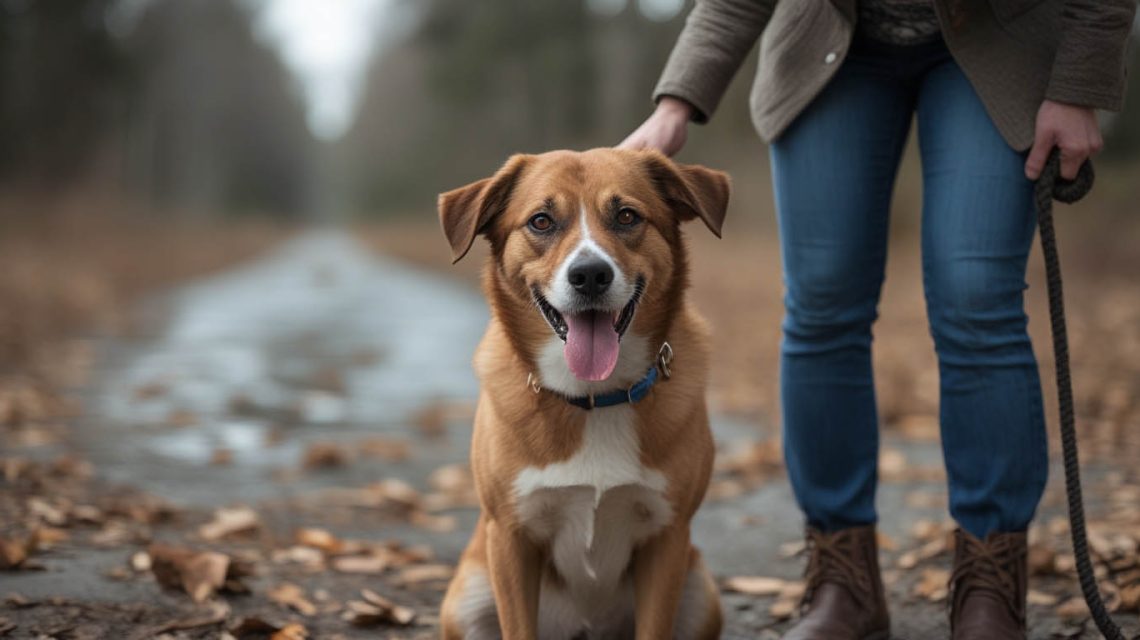
When you wonder “why is my dog so protective of me,” you’re noticing a specific cluster of behaviors. Your dog might:
- Step between you and other people
- Growl when someone hugs you
- Bark at anyone who comes near your car, bed, or couch
- Follow you room to room and stiffen if someone approaches
In simple terms, your dog sees you as part of their core “resource”—the most valuable thing in their world. Some dogs calmly watch over their people. Others feel they must control who gets close.
In my experience, the behavior usually falls somewhere on a spectrum between:
- Normal watchfulness – “I see that person; I’m keeping an eye out.”
- Fearful guarding – “I don’t feel safe, so I’ll scare them off.”
Learning where your dog sits on that spectrum is the first step toward real behavior engine optimization—tuning your dog’s reactions so life runs smoother for everyone.
Common Behaviors Behind “Why Is My Dog So Protective of Me”
Here are patterns owners often describe when they ask “why is my dog so protective of me”:
- The dog gets tense or leans on them when someone walks up
- The dog barks at family members who try to enter the room
- The dog growls if anyone moves near the bed or couch they share
- The dog calms down as soon as the “stranger” goes away
These behaviors can feel flattering at first. However, they also tell you your dog feels responsible for your safety—and that’s a heavy job for a pet.
For detailed help on reading these signals, many owners find a basic guide to dog body language extremely useful.
Why Is My Dog So Protective of Me? Main Causes
So, why is my dog so protective of me specifically and not everyone else? Several factors usually combine.
Emotional Reasons Behind Why Is My Dog So Protective of Me
Emotion sits at the heart of this question:
- Strong attachment: You’re the main source of food, play, and comfort.
- Insecurity: If the world feels scary, your dog may cling to you and guard you.
- Past experiences: A history of rough handling or chaotic homes can make a dog suspicious.
Research suggests that a large percentage of pet dogs show some level of fear or anxiety-related behavior. When those emotions attach to you, they can look like intense protection.
Environmental Triggers for Why Is My Dog So Protective of Me
Context matters, too. You might notice “why is my dog so protective of me” in specific situations:
- On the couch or bed
- At the front door or window
- In the car
- On walks when people approach you
These spots often feel high-value or vulnerable. For example, a dog may see the bed as both comfort and territory, so they go into “bouncer” mode when someone approaches.
For more patterns like this, see our breakdown of territorial behavior in dogs.
Learned Behavior and Reinforcement
Sometimes, you unintentionally train exactly what worries you.
Let’s say your dog barks when someone hugs you. You laugh, pet your dog, and say, “It’s okay, you’re protecting me!” From the dog’s perspective, guarding got praise and attention. Over time, you get more of it.
That’s why “why is my dog so protective of me” is often less about dominance and more about habits you’ve both built together.
Why Is My Dog So Protective of Me and Is That Good or Bad?
On one hand, a watchful dog can be comforting. On the other hand, unmanaged guarding can become dangerous.
Here’s a quick comparison:
| Type of Behavior | Usually Okay | Needs Attention |
|---|---|---|
| Calm watching near you | Loose body, soft eyes, no tension | Staring hard at people, stiff posture |
| Single bark when someone knocks | Dog settles once you respond | Prolonged barking, won’t calm on cue |
| Blocking lightly with body | Moves when you ask, no growling | Growls, snaps, or won’t move away |
When “why is my dog so protective of me” includes growling at friends, blocking kids, or lunging at visitors, it’s time to take it seriously.
How to Handle “Why Is My Dog So Protective of Me” Behavior
You don’t want to crush your dog’s loyalty. Instead, you want to redirect it and lower their sense of responsibility. Think of it as behavior engine optimization: small adjustments that change how smoothly your dog’s emotional “engine” runs.
Step-by-Step Plan for Why Is My Dog So Protective of Me
- Start With a Vet Check
If your dog’s protectiveness ramped up suddenly, rule out pain or illness. Pain can shorten a dog’s fuse. - Increase Structure and Routine
Predictable walks, meals, and quiet time help many dogs relax. A stable routine lowers the need to “control” everything. - Teach a Solid “Place” Cue
- Choose a mat or bed.Lure your dog onto it, mark (“yes”), and reward.Add duration and distance slowly.
- Reward Calm Around People
When someone approaches but your dog stays relaxed, mark and treat. Over time, your dog learns: “People near my person = good stuff, not danger.” - Use Management Tools
Baby gates, leashes indoors, or crate time during chaotic visits help prevent practice of unwanted guarding. Our crate training guide can help you do this kindly. - Work on Social Skills Gradually
Controlled exposure to friendly people and dogs, at a safe distance, builds confidence. Learn more in our dog socialization tips.
If your dog already growls or has nipped someone, add professional support. A force-free trainer or veterinary behaviorist can design a plan tailored to your specific “why is my dog so protective of me” situation.
Best Practices and Mistakes for Why Is My Dog So Protective of Me
Owners often mean well but accidentally feed the problem.
Common Mistakes With “Why Is My Dog So Protective of Me”
- Laughing or praising while your dog growls
- Letting your dog “handle” the door or visitors alone
- Punishing growling (which can remove warnings and lead to “sudden” bites)
- Allowing kids to climb on or hug a dog that already guards you
Tools and Resources for Why Is My Dog So Protective of Me Dogs
Helpful tools include:
- Front-clip harness: Better control on walks.
- Baby gates and pens: Create distance without drama.
- Muzzle (properly trained): Extra safety in higher-risk cases.
- Food puzzles and chews: Redirect focus and lower arousal.
To support reactive or guarding dogs, many people also use the principles from reactive dog training and separation anxiety management, since anxiety often hides under protectiveness.
Case Study and Future Trends for Why Is My Dog So Protective of Me
Let me explain with a real-world example.
Sara’s rescue dog, Rocky, started out shy. After a few months, she began to notice classic “why is my dog so protective of me” behavior: he wedged himself between her and her roommates, barked at anyone entering her bedroom, and once snapped when a friend reached in for a hug.
They followed a consistent plan:
- Vet visit – no medical issues
- Daily structure: walks, training, quiet time
- Teaching “place” away from the door
- Rewarding Rocky any time someone walked past without him reacting
- Using a gate when close friends visited until he stayed calm
Within about eight weeks, Rocky went from “bodyguard with a badge” to “chill dog on his bed.” He still looked up when people came in, but his body stayed loose. The question “why is my dog so protective of me” slowly shifted to “how did he get so relaxed?”
Looking ahead, more dogs live in close contact with people in apartments, shared homes, and remote-work spaces. That means more chances for protective behavior—but also more awareness, better trainers, and kinder methods to handle it.
FAQ: Why Is My Dog So Protective of Me?
1. Why is my dog so protective of me but not my partner?
Your dog may see you as their primary caregiver or emotional anchor. They might feel they must “keep you safe” while viewing your partner as more neutral.
2. Why is my dog so protective of me all of a sudden?
Sudden changes can signal pain, a scary event, or big life changes (moves, new partners, new babies). Start with a vet check, then look at recent stressors.
3. Why is my dog so protective of me around strangers?
Strangers are unpredictable to many dogs. If your dog lacks socialization or feels insecure, they may bark or block to push strangers away from you.
4. Can I stop my dog from being so protective of me?
You can reduce the intensity and teach safer behaviors. With structure, training, and sometimes professional help, most dogs learn to relax and let you handle “security.”
5. Is it good that my dog is so protective of me?
It’s fine if your dog stays calm and simply prefers to be near you. However, if they growl, lunge, or scare people, you should address it before someone gets hurt.
Conclusion: Making Sense of Why Is My Dog So Protective of Me
When you ask “why is my dog so protective of me,” you’re really asking how your dog sees the world—and your place in it. Strong bonds, breed tendencies, life history, and underlying anxiety all shape that intense urge to guard you.
The goal isn’t to erase your dog’s loyalty. Instead, you want to guide it. With a clear routine, thoughtful management, and reward-based training, you can teach your dog that you handle the decisions while they enjoy feeling safe at your side. In many cases, a little behavior engine optimization—those small, smart adjustments—turns a tense bodyguard into a calm companion.
If your dog’s protectiveness already makes you nervous, don’t wait. Start with a vet visit, then explore resources like calm dog training, dog body language, and reactive dog training. From there, consider working with a qualified trainer or veterinary behaviorist.
Take one step today—whether that’s teaching “place,” adding a baby gate, or simply rewarding your dog for calm behavior near visitors. Each small change moves you closer to a life where your dog still loves you fiercely but no longer feels they have to guard you from the whole world.
