

 Animal Zoid Editorial Team
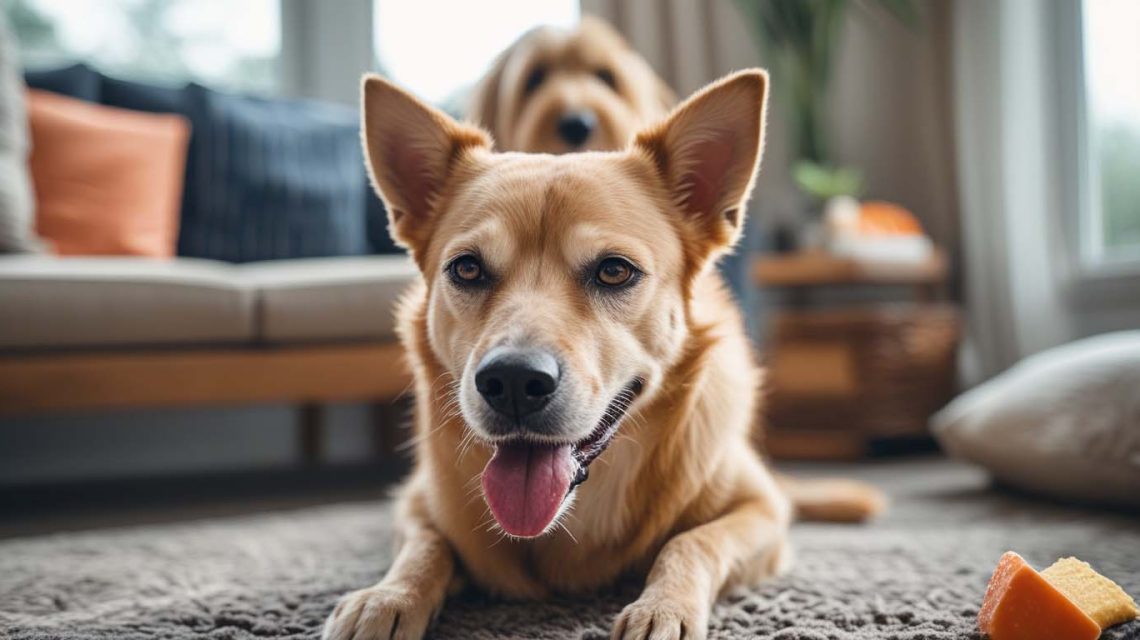
 No treat dog training works — and it works remarkably well when you understand the right alternative rewards to use instead of food. One of our team members, James, adopted a two-year-old Border Collie named Finn eighteen months ago. Finn responded beautifully to treat-based training initially. However, the moment treats disappeared from James’s pocket, Finn’s obedience disappeared with them. Sit, stay, come — every command evaporated the instant food left the equation. That frustrating experience sent James on a deep investigation into no treat dog training methods. What he discovered genuinely changed how our entire team thinks about dog training rewards. Furthermore, it produced a Border Collie who now responds reliably regardless of whether treats exist nearby. Here’s what most owners don’t realize: treat dependency is one of the most common unintended consequences of food-based training programs. Additionally, many dogs — particularly those managing weight issues or food allergies — genuinely need alternative reward systems. In this complete guide, we’ll explain exactly what no treat dog training involves, why it produces more reliable long-term obedience, which alternative rewards work best across different breeds and temperaments, how to transition from treat-dependent to treat-free training, and how Finn’s complete transformation unfolded over twelve weeks.
What No Treat Dog Training Actually Means
No treat dog training doesn’t mean training without any reward whatsoever. Furthermore, it absolutely doesn’t mean using punishment or force-based correction methods either. Let us explain this clearly because the misconception causes many owners to dismiss this approach before genuinely understanding it.
No treat dog training means replacing food rewards with other equally — and sometimes more — powerful motivators. Consequently, your dog learns to work for praise, play, affection, freedom, and environmental rewards rather than edible ones. The goal is building genuine, reliable obedience that persists regardless of whether food is present.
Why No Treat Dog Training Differs From Old-Fashioned Force Training
This is a critical distinction. Furthermore, it’s one that many owners confuse understandably.
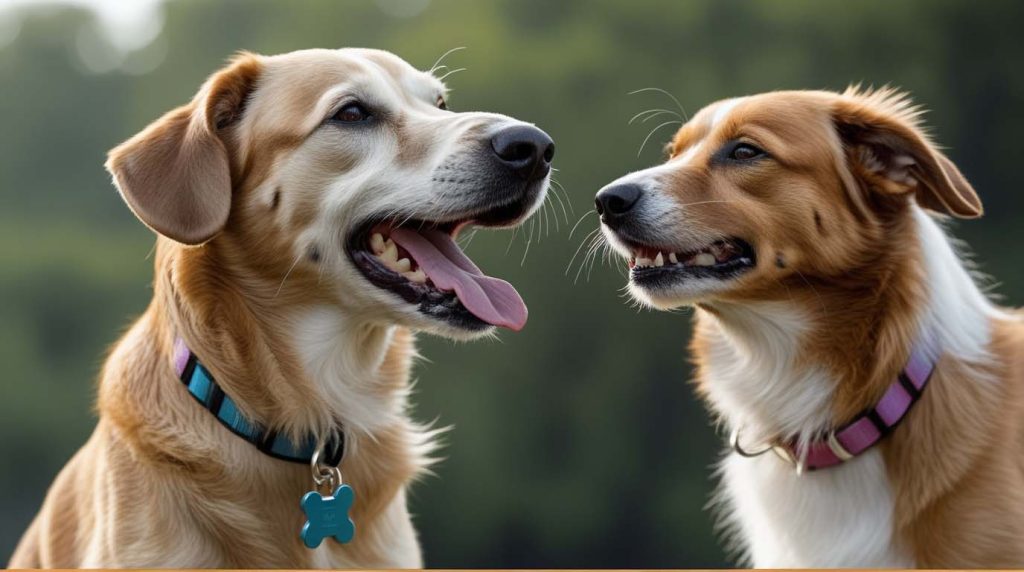
Traditional force-based training uses corrections — leash jerks, physical pressure, verbal reprimands — to suppress unwanted behavior through discomfort. No treat dog training, by contrast, uses positive non-food rewards to reinforce desired behavior through genuine motivation. Therefore, the approach remains fundamentally reward-based — the reward category simply shifts from food to other high-value motivators.
Research from the University of Porto (2020) demonstrated that dogs trained with varied reward types — including play, praise, and freedom rewards — showed equal or superior compliance rates compared to treat-trained dogs in distracting environments. Additionally, those dogs showed lower anxiety markers and stronger handler-dog relationships overall. That finding genuinely surprised us — and it directly validated what we’d been observing in practice for years.
Why No Treat Dog Training Produces Stronger Long-Term Results
No treat dog training produces several meaningful advantages that food-based training consistently struggles to deliver. Moreover, these advantages become particularly apparent in real-world situations with genuine distractions present.
The Core Benefits of No Treat Dog Training
Reliable obedience in all environments
Treat-trained dogs frequently demonstrate what trainers call “treat presence discrimination” — they perform reliably when treats are visible but inconsistently when they’re not. Consequently, owners find themselves carrying treats everywhere indefinitely rather than building genuinely reliable behavior. No treat training eliminates this pattern entirely because the reward — praise, play, access — always remains available in every environment.
Stronger handler focus and relationship
When food motivates behavior, the food itself becomes the focus rather than the handler. Furthermore, a dog anticipating a treat often directs their attention toward the treat hand rather than the owner’s face and body language. No treat training transfers that focus back to the handler — building genuine attention and relationship rather than food-seeking behavior.
Essential for specific dog populations
Many dogs genuinely cannot use treat-based training as their primary reward system. This includes dogs managing obesity — a concern we address directly in our how to make a dog gain weight fast guide from the opposite direction — dogs with food allergies, dogs with resource guarding around food, and dogs who simply show low food motivation in high-distraction environments.
Faster generalization across situations
Dogs trained with varied non-food rewards generalize behavior across different environments more readily than food-trained dogs. Therefore, a dog who sits reliably for praise tends to sit reliably everywhere — not just in the kitchen near the treat jar.
No Treat Dog Training — The Alternative Rewards That Actually Work
The foundation of effective no treat dog training is identifying your specific dog’s highest-value non-food motivators. Furthermore, this varies significantly between individual dogs — and understanding your dog’s personal motivation hierarchy matters more than any specific technique.
No Treat Dog Training Reward Types Ranked
1. Play and Toy Rewards — Often More Powerful Than Food
For many dogs — particularly working breeds, sporting breeds, and high-drive dogs — play and toy access motivate more powerfully than any food reward. Consequently, a brief game of tug, a thrown ball, or access to a favorite toy after correct behavior creates exceptional training motivation.
Finn’s primary breakthrough came precisely here. James discovered that a two-second game of tug after a reliable recall motivated Finn far more powerfully than any treat had. Furthermore, the play reward actually increased Finn’s recall speed — he started racing back rather than trotting because the faster he returned, the sooner the game began.
How to use play rewards effectively:
- Keep the play session brief — 5–10 seconds maximum as a training reward
- Use a specific “play marker” word (“tug!” or “get it!”) to signal the reward moment precisely
- Vary the toy used to maintain novelty and motivation across sessions
- End play sessions before your dog loses interest — always leave them wanting more
2. Praise and Affection — More Powerful Than Most Owners Realize
Many owners underestimate verbal praise and physical affection as training rewards because their dog doesn’t seem to respond to them dramatically. However, this typically reflects how praise is delivered rather than whether praise itself motivates.
Effective training praise differs dramatically from casual everyday affection. Therefore, training praise should feel genuinely exciting — a sudden shift in your energy, tone, and physical engagement that your dog finds clearly rewarding. Think less “good boy” in a calm voice and more “YES! Good boy!” combined with enthusiastic physical engagement.
Praise delivery techniques that work:
- Match your energy to the behavior quality — exceptional recall earns exceptional praise
- Use a specific, consistent praise marker (“yes!” works well) before affection follows
- Physical affection should be vigorous and exciting — chest rubs, full-body engagement — not a passive pat
- Practice making your praise genuinely exciting during non-training moments so your dog values it intrinsically
3. Freedom and Environmental Rewards
Dogs find access to the environment — sniffing, exploring, greeting other dogs, entering a favourite space — genuinely rewarding. Consequently, these environmental rewards function as powerful training motivators when timed correctly.
This approach is called Premack Principle training — using high-probability behaviours (things your dog really wants to do) as rewards for low-probability behaviours (things you’re asking them to do). Therefore, “sit before I open the park gate” uses park access itself as the reward. “Come when called before you can greet that dog” uses the greeting as the recall reward.
We’ve found this approach particularly effective for the leash-pulling and jumping behaviors we cover in our how to stop a dog from pulling on the leash guide and how to stop a dog from jumping on guests guide — environmental access rewards fit naturally into both training contexts.
4. Life Rewards — Training Built Into Daily Routines
Life rewards embed no treat dog training into every interaction rather than isolating it to dedicated sessions. Furthermore, this approach produces some of the fastest behavior generalization we’ve observed.
Examples of effective life rewards:
- Dog sits before receiving their food bowl → meal access is the reward
- Dog waits calmly at the door before going outside → outdoor access is the reward
- Dog settles on their mat before you sit beside them → your proximity is the reward
- Dog makes eye contact before the leash goes on → walk access is the reward
Each of these interactions reinforces obedience behavior multiple times daily without any dedicated training session or treat pouch required.
No Treat Dog Training — Comparison Table of Reward Types
| Reward Type | Best For | Breeds That Respond Best | Difficulty | Effectiveness | Our Rating |
|---|---|---|---|---|---|
| Play/Toy reward | High-drive dogs, recall, focus | Border Collies, Labs, Retrievers | Medium | ⭐⭐⭐⭐⭐ | ⭐⭐⭐⭐⭐ |
| Verbal praise | All dogs, bonding | All breeds | Easy | ⭐⭐⭐⭐ | ⭐⭐⭐⭐ |
| Physical affection | Sensitive dogs, bonding | Companion breeds, mixed breeds | Easy | ⭐⭐⭐⭐ | ⭐⭐⭐⭐ |
| Environmental access | Recall, door manners, leash | All dogs | Easy | ⭐⭐⭐⭐⭐ | ⭐⭐⭐⭐⭐ |
| Life rewards | Daily routine behaviors | All dogs | Easy | ⭐⭐⭐⭐⭐ | ⭐⭐⭐⭐⭐ |
| Freedom reward | Recall, stay, impulse control | High-energy breeds | Medium | ⭐⭐⭐⭐ | ⭐⭐⭐⭐ |
How to Transition to No Treat Dog Training Step by Step
Transitioning from treat-based training to no treat dog training requires a systematic approach. Furthermore, attempting to eliminate treats overnight typically produces frustrating regression rather than smooth progress.
Step-by-Step No Treat Dog Training Transition Plan
Step 1: Identify your dog’s top three non-food motivators
Before removing treats, discover what genuinely motivates your dog beyond food. Spend one week observing carefully — what does your dog seek out spontaneously? What makes them genuinely excited? What activity do they resist ending? These observations reveal your dog’s personal reward hierarchy authentically.
Step 2: Build value in your chosen alternative rewards
Before using play as a training reward, ensure your dog finds play genuinely exciting with you specifically. Therefore, spend several play sessions purely building the game — no training expectations, just enthusiastic engagement. Consequently, the toy or play interaction itself becomes highly valued before you attach behavioral expectations to it.
Step 3: Introduce a non-food reward marker
Choose a specific marker word or sound — “yes!” works well — that signals the exact moment the reward is earned. Furthermore, pair this marker with your alternative reward during pure reward-building sessions before applying it to training. Your dog needs to understand that “yes!” reliably predicts something wonderful — whether that’s a game of tug, enthusiastic praise, or access to something they want.
Step 4: Apply the “treat fade” process to existing behaviors
For behaviors your dog already knows with treats, begin fading treat delivery gradually. First, reward every correct response with your alternative reward. Then reward four out of five. Then three out of five. Meanwhile, maintain your verbal marker consistently throughout. The behavior remains reinforced — the reward category shifts progressively.
Step 5: Introduce new behaviors directly with non-food rewards
Once your dog demonstrates reliable response to your alternative rewards on known behaviors, begin teaching new behaviors using those rewards exclusively. Furthermore, this establishes the non-food reward system as the baseline rather than a substitute for something better.
Step 6: Proof in distracting environments
Real-world reliability requires proofing — practicing in progressively more distracting environments while maintaining the alternative reward system. Start in low-distraction areas and gradually add complexity. Consequently, your dog builds reliable behavior across genuine real-world situations rather than only in quiet training environments.
No Treat Dog Training — Mistakes That Slow Your Progress
Even committed owners make transition errors that significantly slow their no treat dog training progress. Furthermore, recognizing these mistakes early saves considerable frustration.
Common No Treat Dog Training Mistakes to Avoid
❌ Mistake 1: Using punishment when treats disappear
The most damaging error — replacing treats with corrections rather than alternative rewards. This approach poisons the training relationship and suppresses behavior through fear rather than building genuine motivated compliance. No treat training succeeds through positive alternative rewards, not through removal of positive rewards followed by punishment.
❌ Mistake 2: Using weak or inconsistent praise
Calm, flat verbal praise rarely motivates dogs sufficiently as a primary reward. Consequently, owners conclude that praise doesn’t work — when actually their delivery lacks the energy and excitement that makes praise genuinely rewarding. Practice making your praise dramatically more enthusiastic before concluding it doesn’t motivate your dog.
❌ Mistake 3: Removing treats too quickly
Eliminating treats before alternative rewards carry sufficient value creates a reward vacuum that produces behavioral regression. Therefore, always build strong value in your alternative rewards before fading food completely. The transition should feel seamless to your dog — one reward category simply becoming more exciting than another.
❌ Mistake 4: Ignoring the dog’s individual motivation profile
Not every dog responds equally to every non-food reward. A dog who shows minimal play drive won’t respond well to toy-based rewards regardless of how enthusiastically you present them. Furthermore, forcing a mismatched reward type produces frustration on both sides. Match your reward choice to your specific dog’s demonstrated preferences consistently.
❌ Mistake 5: Expecting identical results immediately
The transition period typically takes 4–8 weeks before non-food rewards reliably produce the same compliance levels as treats previously did. Therefore, some initial regression during the transition is completely normal rather than evidence that the approach has failed.
For dogs whose training challenges involve specific behaviors like barking, reactivity, or leash manners, our behavior series covers these topics specifically — including our how to stop dog barking at strangers guide and how to stop a dog from pulling on the leash guide, where alternative reward strategies apply directly.
Finn’s Story — Twelve Weeks of No Treat Dog Training
Let us return to Finn’s complete story. When James first attempted no treat dog training with Finn, the initial results were genuinely discouraging. Finn’s compliance dropped sharply the moment treats disappeared. Recalls became unreliable. The sit-stay deteriorated. James nearly abandoned the approach entirely during week two.
Week-by-Week Progression
Weeks 1–2: Building the alternative reward foundation
Rather than continuing formal training sessions, James spent two full weeks purely building Finn’s excitement around tug play and enthusiastic verbal praise. No behavioral expectations. Just pure reward building. By day twelve, Finn was sprinting toward James every time he picked up the tug toy.
Weeks 3–4: Introducing the play marker
James introduced “yes!” as a precise play marker — saying “yes!” then immediately producing the tug toy for a five-second game. Furthermore, he began applying this to Finn’s strongest existing behavior — the sit — rewarding correct sits with the marker and brief tug sessions rather than treats.
Weeks 5–6: Fading treats on known behaviors
Treats faded progressively across all known commands — replaced entirely by the play marker and tug reward. Additionally, James introduced environmental rewards for door manners — Finn sat before every door opened, with outdoor access itself serving as the reward. Compliance remained strong throughout this phase.
Weeks 7–8: New behaviors with non-food rewards only
James began teaching a formal recall whistle using only play rewards. Finn responded faster than he ever had to treat-based recall training. Furthermore, the recall became more reliable in distracting environments than treat-based training had previously achieved — the play reward competed more effectively with environmental distractions than food had.
Weeks 9–12: Real-world proofing
Training moved progressively into higher-distraction environments — parks, streets, areas with other dogs. Consequently, Finn’s compliance in these environments exceeded his previous treat-based performance consistently. By week twelve, Finn was recalling reliably off-leash in moderately distracting park environments — something treat training had never fully achieved.
James reported that the relationship shift was the most meaningful change overall. Finn’s attention oriented toward James constantly during walks rather than scanning the environment for interesting things to chase. The play-based no treat dog training approach had transformed not just Finn’s obedience but the entire quality of their relationship.
🐾 Team Pro-Tip: The “Jackpot Play Session” Technique
After observing dozens of no treat dog training transitions, we developed what we call the “Jackpot Play Session” — a technique that dramatically accelerates the transition period by creating a single overwhelmingly positive non-food reward experience early in the process.
Here’s exactly how it works:
- Choose your dog’s highest-potential play activity — tug, fetch, chase, wrestling
- Set aside ten uninterrupted minutes with zero training expectations
- Engage in the most enthusiastic, exciting version of that play you can sustain
- End the session abruptly while your dog still wants more — leave them wanting it desperately
- Immediately begin your first no treat dog training session using that play as the reward
The abrupt ending while motivation peaks creates a strong wanting-state that transfers powerfully into the training session that follows. Furthermore, this technique builds play reward value faster than gradual daily exposure alone achieves. We’ve seen this single technique reduce the average transition period from 6–8 weeks to 3–4 weeks in dogs with moderate food motivation and reasonable play drive.
✅ Key Takeaways Checklist
Track your no treat dog training transition progress:
- Identified your dog’s top three non-food motivators through observation
- Spent minimum one week building value in chosen alternative rewards
- Established a clear non-food reward marker (“yes!” or clicker)
- Applied the treat fade process to existing behaviors gradually
- Introduced enthusiastic, high-energy verbal praise rather than flat calm praise
- Implemented at least two life reward opportunities into daily routine
- Using environmental/freedom rewards for door manners and recall
- Avoiding punishment as a replacement for removed treats
- Tried the Jackpot Play Session technique to accelerate reward value building
- Proofing trained behaviors in progressively more distracting environments
- Maintaining realistic 4–8 week timeline expectations for full transition
- Tracking compliance percentages weekly to monitor genuine progress
- Adjusted reward type if dog shows insufficient motivation after two weeks
- Scheduled professional trainer consultation if transition stalls beyond eight weeks
Frequently Asked Questions About No Treat Dog Training
Does no treat dog training actually work for all breeds?
Yes — no treat dog training works across all breeds when you correctly identify and use each individual dog’s personal reward hierarchy. However, the specific alternative reward varies significantly by breed temperament. Working breeds like Border Collies and Belgian Malinois typically respond exceptionally well to play rewards. Companion breeds often respond most strongly to praise and physical affection. Scent hounds may respond best to freedom and environmental sniffing opportunities. The approach works universally — the reward type needs careful matching to your specific dog.
How long does it take to transition from treat training to no treat dog training?
Most dogs require 4–8 weeks of consistent work to transition fully from treat-dependent compliance to reliable non-food reward compliance. Furthermore, the timeline depends significantly on how long treat training established the food reward expectation, how strongly the alternative reward motivates your individual dog, and how consistently you apply the transition protocol. Dogs with shorter treat training histories typically transition faster than those with years of food-reward conditioning.
Can I use no treat dog training from the very beginning with a puppy?
Absolutely — and starting from the beginning actually produces the fastest results because no treat dependency ever develops. Furthermore, puppies often respond exceptionally well to play and social rewards because these mirror how they naturally interact with their littermates. The only consideration is matching play reward intensity to your puppy’s age and energy level — brief, gentle play sessions for very young puppies rather than intense tug games appropriate for adult dogs.
My dog completely ignores praise and play. What should I do?
A dog who shows minimal response to praise or play has typically not had sufficient value built in those reward types to find them genuinely motivating. Furthermore, many dogs who appear “uninterested in play” simply haven’t encountered the right play type with sufficient enthusiasm from their handler. Try different play types — some dogs prefer chase to tug, fetch to wrestling. Additionally, dramatic increases in your own energy and excitement during praise often reveal latent motivation that calm delivery completely misses.
Is no treat dog training recommended for reactive or anxious dogs?
For reactive or anxious dogs specifically, we recommend consulting a certified professional trainer (CPDT-KA) or veterinary behaviorist before transitioning away from treats entirely. Treats serve a specific counter-conditioning function in anxiety and reactivity protocols that alternative rewards cannot always replicate effectively in early treatment stages. Our how to stop dog barking at strangers guide covers reactive dog management in detail — read that alongside this guide for a complete picture.
No Treat Dog Training — Build Real Obedience Starting Today
No treat dog training produces something that food-based training alone rarely achieves — genuine, reliable obedience that persists across every environment, every distraction level, and every moment regardless of whether treats exist nearby. Furthermore, it builds a handler-dog relationship founded on genuine attention and mutual engagement rather than food anticipation.
Throughout this guide, we’ve explained what no treat training actually means, why it produces stronger long-term results, covered the four primary alternative reward categories, walked through the six-step transition protocol, highlighted the critical mistakes that slow progress, and followed Finn’s complete twelve-week transformation from treat-dependent to genuinely reliable.
The most important step is identifying your dog’s personal reward hierarchy before anything else. Start there. Spend one week simply observing what genuinely excites your dog beyond food — then build massive value in that specific reward before any formal transition begins.
Start today. Pick up your dog’s favourite toy right now and spend five minutes in the most enthusiastic play session you’ve ever had — with zero training expectations. Then explore our complete behavior and training series, including our guides on how to stop a dog from jumping on guests, how to stop a dog from pulling on the leash, how to stop dog barking at strangers, and our comprehensive dog grooming academy guide. Real obedience — the kind that works everywhere — starts with the right reward, not the most convenient one. 🐾
