

 animalzoid
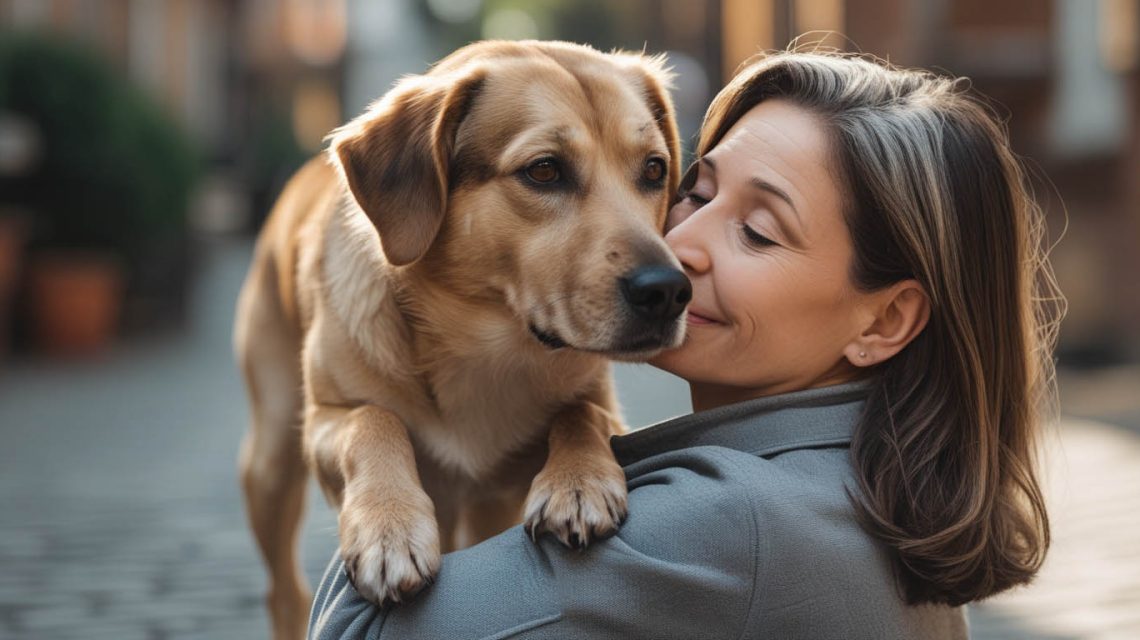
 Your dog is leaning on you for comfort, security, or attention. When you ask “why is my dog leaning on me,” the answer usually involves bonding, anxiety, or a learned way to ask for something.
You’re on the couch, or standing in the kitchen, and suddenly there’s a solid, furry weight pressed into your leg. Sometimes it feels like the sweetest hug. Other times it feels a bit clingy or even protective. In this guide, we’ll unpack what this leaning really means, how to read the rest of your dog’s body language, and how to respond. Think of it as emotional engine optimization: you’ll tune small things in your routine so your dog’s “emotional engine” runs calmer and smoother.
What Does It Mean When You Ask “Why Is My Dog Leaning on Me”?
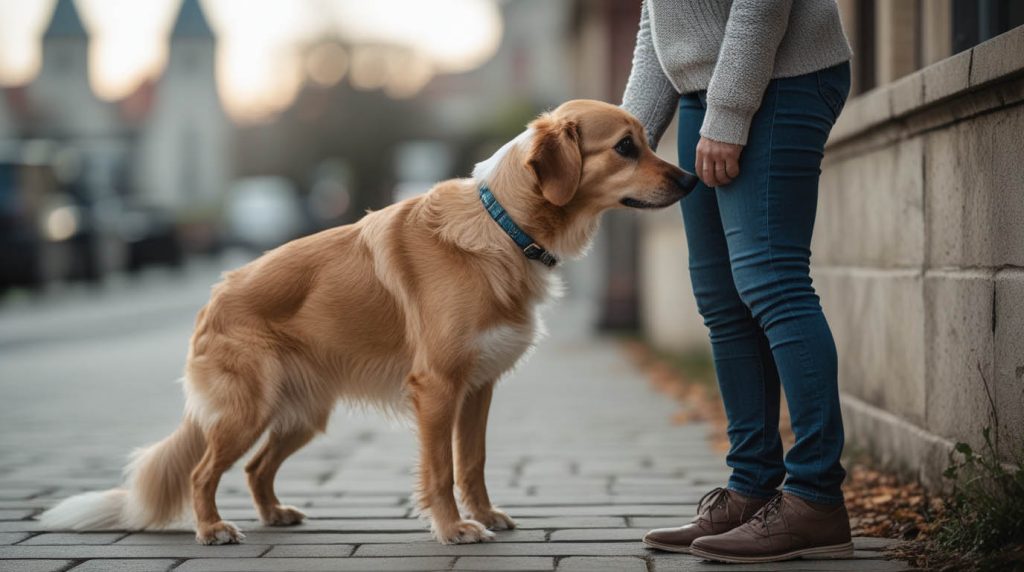
When you wonder “why is my dog leaning on me,” you’re really noticing how your dog uses touch as communication.
Leaning usually means one or more of these:
- “You’re my safe place; I want to be close.”
- “I feel unsure and need reassurance.”
- “Pay attention to me right now, please.”
- “I’m going to stand between you and that person or pet.”
I’ve found that the lean alone doesn’t tell the whole story. The real meaning shows up when you zoom out and look at:
- Tail (loose, wagging, or tucked)
- Ears (neutral, forward, or pinned back)
- Muscles (relaxed or stiff)
- Face (soft, panting, or tight and closed)
If you’re not comfortable reading those signals yet, bookmark a dog body language guide so you can decode future “leaning moments” more accurately.
Why Is My Dog Leaning on Me for Comfort and Bonding?
One of the most common answers to “why is my dog leaning on me” is simple: your dog loves you and feels safe with you.
From the time they’re puppies, dogs pile up with littermates for warmth and security. Many carry that habit into adulthood and swap their siblings for their favorite human. You’re the warm, steady spot they can relax against.
You’ll typically see this type of lean:
- During quiet TV or reading time
- When you’re already petting or brushing them
- At night on the bed or couch, if they’re allowed up
- When they sigh deeply and melt their full weight into you
According to national pet ownership surveys, tens of millions of dogs in the USA live indoors as true family members. For a huge number of them, leaning is just a natural extension of that close bond.
Why Is My Dog Leaning on Me When They’re Anxious or Afraid?
The same behavior can also be a coping strategy. Sometimes “why is my dog leaning on me” really means “I don’t feel safe.”
Common triggers include:
- Thunderstorms or fireworks
- Sudden loud noises in or outside the house
- Crowded sidewalks, busy parks, or unfamiliar places
- Strangers visiting your home
In these situations, the lean often feels heavier and more insistent. You may notice:
- Ears pulled back
- Tail low or tucked
- Panting, yawning, or lip licking
- Trying to wedge behind your legs or under your chair
Studies of pet dogs suggest that a majority show at least one fear or anxiety-related behavior in their lifetime. Leaning is one of the “softer” ways they ask for help.
If this sounds like your dog, take a look at:
- Separation anxiety in dogs
- Fearful dog training basics
Both can give you deeper tools for anxious leaners.
Why Is My Dog Leaning on Me in a Protective Way?
There’s also a more serious angle to “why is my dog leaning on me.” Some dogs use their body as a barrier or shield.
You might see this when:
- Another person walks toward you for a hug
- Another dog tries to approach you on a walk
- A guest moves close to where you’re sitting
Protective leaning often comes with:
- Stiff body, closed mouth
- Focused, sometimes hard staring at the other person or pet
- Low growls if the “intruder” doesn’t back off
In that case, your dog isn’t just cuddling. They’re doing crowd control and sometimes slipping into resource guarding—where you are the resource.
If you’re seeing this pattern, read more about:
- Resource guarding in dogs
- Reactive dog training
Catching it now lets you reshape the behavior before it turns into snapping or biting.
How Understanding “Why Is My Dog Leaning on Me” Helps You Both
Knowing why is my dog leaning on me isn’t just interesting trivia. It directly affects:
- Safety: You’ll spot early warning signs of guarding or fear.
- Training: You can reward healthy affection without feeding insecurity.
- Well‑being: You’ll notice pain or anxiety sooner if leaning suddenly changes.
Here’s a simple comparison:
| Type of Lean | Body Language | Likely Meaning |
|---|---|---|
| Soft, wiggly lean | Loose body, soft eyes, sighing | Affection and comfort |
| Heavy “clingy” lean | Following, whining, can’t relax | Insecurity or anxiety |
| Firm blocking lean | Staring at others, stiff body | Protectiveness/guarding |
| New, sudden lean | Stiff, reluctant movement | Possible pain or discomfort |
Once you see where your dog fits, you can adjust your response—this is where “engine optimization” really kicks in.
How to Respond When You Ask “Why Is My Dog Leaning on Me”
Training Steps for Why Is My Dog Leaning on Me Moments
When you catch yourself thinking “why is my dog leaning on me right now?”, use this step‑by‑step approach:
- Pause and Scan
Quickly check tail, ears, face, and muscles. Decide: affection, anxiety, or guarding? - If It’s Affectionate
- Enjoy it. Gently pet or scratch their favorite spots.
- Use a calm voice to reinforce that relaxed state.
- You’re telling them that calm closeness is always welcome.
- If It’s Anxious
- Stay calm yourself; don’t grab or fuss over them.Create distance from the trigger if you can (move away from the window, step off the busy sidewalk, etc.).Offer treats or a toy to build positive associations.
- If It’s Protective or Guarding
- Don’t scold in the moment; punishment can increase fear.
- Gently reposition so your dog is no longer directly between you and the person.
- Use a cue like “place” or “bed” to send them to a mat.
- Practice this regularly when the situation is low‑stress.
- If It’s New or Sudden
- Schedule a vet check, especially for seniors or large breeds.
- Pain in hips, knees, or spine can make dogs seek support or stand differently.
Common Mistakes About Why Is My Dog Leaning on Me
Even experienced owners sometimes misread leaning. When you ask “why is my dog leaning on me,” try to avoid these traps:
- Rewarding clinginess all day, every day
Petting every single lean, especially when paired with whining, can create a dog that never learns to self‑soothe. - Ignoring obvious fear
Laughing off a trembling, pressed‑in dog as “velcro cute” misses a chance to reduce their stress. - Punishing warning behaviors
Yelling at a dog for leaning and growling when someone approaches may shut down the growl—but not the discomfort—leading to “out of nowhere” bites. - Skipping medical checks
Sudden leaning, especially with stiffness or reluctance to move, can indicate pain, not personality.
Best Practices and Tools for Why Is My Dog Leaning on Me
To keep the answer to “why is my dog leaning on me” in the “sweet and healthy” zone, a few best practices help a lot.
- Set clear boundaries: Decide where and when leaning is okay (couch yes, at the stove no).
- Reward calm alternatives: Teach “down,” “place,” or “settle” so your dog learns new ways to relax near you.
- Meet core needs: A well‑exercised, mentally stimulated dog leans from contentment more than boredom.
Helpful tools:
- Dog bed or mat: A defined “place” to send your dog when needed.
- Baby gates: Useful if your dog leans protectively on you near doors or guests.
- Interactive toys and puzzles: These redirect anxious or attention‑seeking energy into problem‑solving (see dog enrichment activities).
Case Study: A Real “Why Is My Dog Leaning on Me” Story
A client’s dog, Bruno, a 4‑year‑old Rottweiler mix, started leaning so hard on his owner during visits from friends that he almost pushed her off the couch. At the same time, he stared at the guests and occasionally growled.
The owner kept asking, “why is my dog leaning on me like this only when people are over?”
After an evaluation, the pattern was clear:
- Bruno felt unsure about visitors.
- Leaning helped him feel safer and blocked others from getting close.
We put a plan in place:
- Taught a “place” cue and reinforced Bruno for staying on a mat.
- Gave him a stuffed Kong when guests arrived.
- Asked guests to ignore Bruno completely at first.
Within a couple of months, Bruno still leaned happily during family movie nights, but during visits he chose his mat and relaxed. Same dog, same habit—just better “engine optimization” of when and how he used it.
Future Trends in Understanding Why Is My Dog Leaning on Me
As dog behavior research grows, understanding “why is my dog leaning on me” will only get sharper. Scientists and behaviorists are exploring:
- How touch and proximity affect dog and human stress hormones
- Breed differences in leaning, cuddling, and “velcro” behavior
- The overlap between leaning, separation anxiety, and noise phobias
For everyday owners in the USA, that means more precise guidance, better training methods, and earlier support when leaning relates to fear or pain—not just affection.
FAQ: Quick Answers to “Why Is My Dog Leaning on Me?”
1. Why is my dog leaning on me and sighing?
That combo usually signals deep relaxation. A heavy lean plus a long sigh often means your dog finally feels safe enough to let go of tension.
2. Why is my dog leaning on me and shaking?
Shaking plus leaning points to fear or stress—think thunderstorms, fireworks, or vet visits. Offer calm support and consider anxiety‑reduction strategies.
3. Why is my dog leaning on me and growling at others?
This likely combines protectiveness and resource guarding. Manage the situation with distance and training, and consider professional help if growling persists.
4. Why is my dog leaning on me when I stand up?
Some dogs do this in busy or scary environments to use you as a moving shield. Others simply want to stay glued to you. Watch their body language for clues.
5. Why is my dog leaning on me more than usual lately?
Sudden increases can mean pain, illness, or rising anxiety. A vet exam is the best first step, followed by behavior work if needed.
Conclusion: Making Sense of Why Is My Dog Leaning on Me
When you finally understand “why is my dog leaning on me,” that solid weight against your leg stops feeling confusing and starts feeling like important information. Most of the time, leaning says, “You’re my safe place.” Sometimes it says, “I’m scared,” or even, “I’m guarding you.”
By reading the rest of your dog’s body language, meeting their physical and emotional needs, and gently guiding when and how they lean, you turn this habit into a healthy expression of connection instead of a sign of stress or control. The real “engine optimization” here is how you tweak your responses and routines so your dog’s emotional engine idles lower and runs smoother.
If your dog’s leaning feels excessive, tense, or sudden, start with a vet visit. Then explore resources like dog body language, calm dog training, resource guarding in dogs, and separation anxiety help. Pick one small change—teaching “place,” adjusting when you give attention, or adding more enrichment—and try it this week. Each thoughtful step helps your dog feel safer in their own skin…whether they’re leaning on you or peacefully snoozing nearby.
