

 Animal Zoid Editorial Team
 Stop a Dog From Digging: The Ultimate Guide to Reclaiming Your Yard
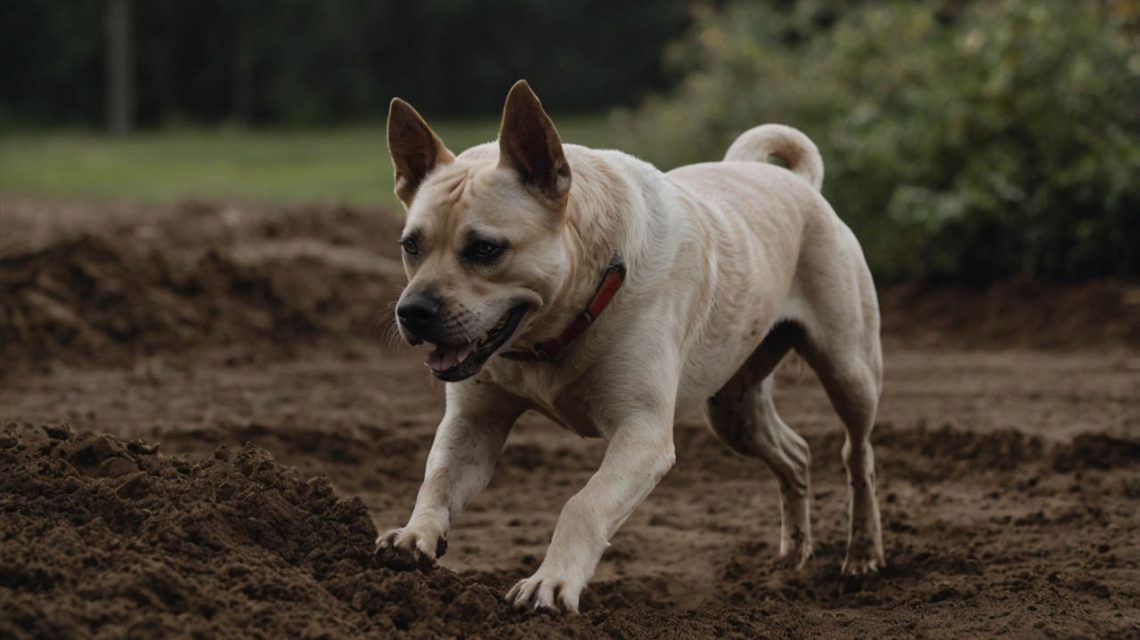
Is your once-beautiful lawn starting to resemble a lunar landscape, cratered with dirt piles and freshly dug holes? You’re not alone. Figuring out how to stop a dog from digging holes is one of the most common frustrations for pet owners. It can feel like a battle of wills, but I’m here to tell you it’s a battle you can win. This isn’t just about saving your garden; it’s about understanding and communicating with your dog on a deeper level.
Let’s imagine for a moment: Sarah, a proud owner of a one-year-old Beagle named Buster. Every morning, she’d wake up to a new hole near the fence line. Her frustration grew until she realized Buster wasn’t being bad—he was being a dog. By following the steps we’re about to cover, Sarah transformed Buster’s destructive habit into a constructive one, strengthening their bond in the process. This comprehensive guide will provide you with the same expert-backed strategies, from diagnosing the root cause to implementing solutions that actually work. We will cover the psychology behind the digging, step-by-step training techniques, and the common mistakes you must avoid to finally solve this messy problem.
Understanding Why You Need to Stop a Dog from Digging
Before you can effectively stop a dog from digging holes, you have to understand why they do it. Digging isn’t a “bad” behavior; it’s a deeply ingrained, natural canine instinct. Punishing this instinct without addressing the underlying cause is like trying to fix a leaky pipe by just mopping the floor—it’s ineffective and misses the point entirely.
According to the American Society for the Prevention of Cruelty to Animals (ASPCA) , digging stems from several key motivations. By identifying which one drives your dog, you can tailor your approach for maximum success.
The Instinctive Reasons Your Dog is Digging
Let’s break down the most common culprits behind your dog’s excavation projects. Your dog’s digging is a form of communication; you just need to learn the language.
- Boredom and Excess Energy: This is the number one reason for unwanted digging. A dog with pent-up physical or mental energy will invent its own “jobs” to stay occupied, and digging is a fantastic and fun way for them to burn off steam. Breeds developed for work, like terriers and huskies, are particularly prone to this. If the digging is random and your dog is often left alone, boredom is a likely cause.
- Hunting Prey: Many dogs, especially terriers and dachshunds, were bred to hunt small animals. If your dog is digging at the base of trees, shrubs, or along a specific path, they may be hearing or smelling rodents, moles, or insects underground. The digging is focused and intense.
- Seeking Comfort or Protection: On a hot day, a dog might dig a hole to lie in the cooler earth underneath. Conversely, in cold or windy weather, they might dig to create a sheltered den. This type of digging often results in a body-sized pit in a shady or protected area.
- Anxiety or Fear: Digging can be a self-soothing behavior. Dogs with separation anxiety may dig at exits like doors and fences in an attempt to escape and find you. Thunderstorms or fireworks can also trigger frantic digging as a response to fear.
- Burying “Treasures”: This instinct goes back to their wild ancestors, who would bury leftover food to keep it safe from scavengers. Your dog might do the same with their favorite bones, chews, or toys. This usually involves them digging a small hole, dropping the item in, and pushing dirt over it with their nose.
The Hidden Dangers of a Dog Digging in the Yard
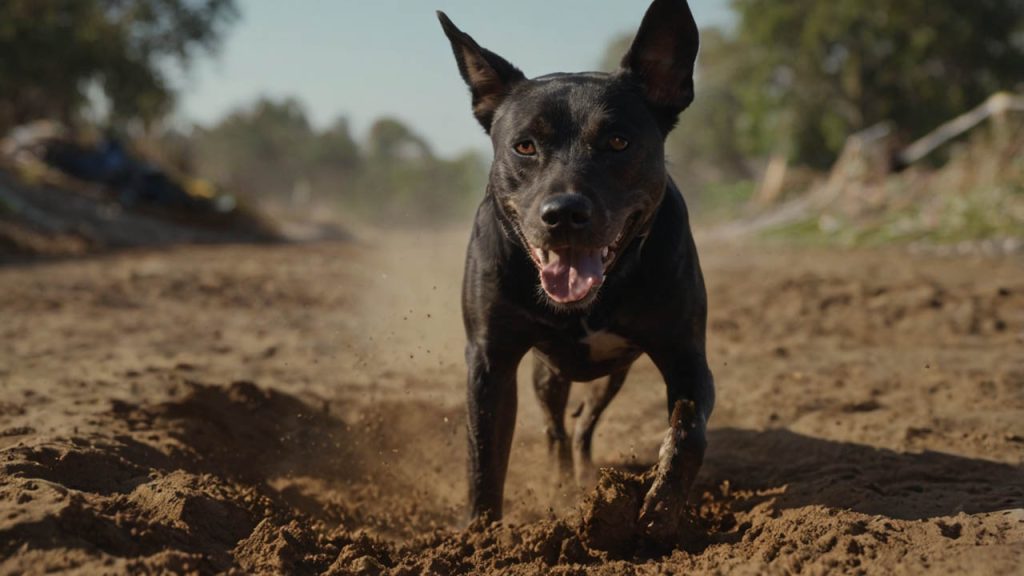
While a few holes might seem like a minor annoyance, unchecked digging can pose real risks. Understanding these dangers can add urgency to your mission to stop a dog from digging holes.
- Escape: A determined digger can easily tunnel under a fence, putting them at risk of getting lost, hit by a car, or encountering other dangers.
- Injury: Your dog could injure their paws and nails on rocks, roots, or other sharp objects buried in the ground. Furthermore, the holes themselves can be tripping hazards for both humans and the dog.
- Toxicity: Some soil contains fertilizers, pesticides, or toxic fungi that can be harmful if ingested. Similarly, they might dig up and chew on treated wood or toxic plant bulbs.
Your First Steps to Stop a Dog from Digging Holes
Now that you’re a detective of doggy digging, it’s time to move from diagnosis to action. The most effective strategies focus on redirection and enrichment, not punishment. In my experience, this foundational approach solves the problem for over 80% of dogs.
Step 1: Increase Physical Exercise and Mental Stimulation
A tired dog is a good dog. It’s a cliché because it’s true. If boredom is the root cause, the most powerful solution is to ensure your dog is sufficiently exercised, both physically and mentally.
- Physical Exercise: This means more than just a quick walk around the block. Depending on your dog’s breed, age, and energy level, aim for at least 30-60 minutes of vigorous activity each day. This could include running, fetching, swimming, or playing with other dogs at a dog park.
- Mental Stimulation: Mental fatigue is just as important as physical fatigue. A 15-minute training or puzzle session can tire a dog out more than a 30-minute run.
- Puzzle Toys: Toys like Kongs stuffed with frozen peanut butter or food-dispensing balls force your dog to think and work for their food.
- Sniff Walks (“Sniffaris”): Allow your dog to lead the walk and spend as much time as they want sniffing. This engages their powerful sense of smell and is incredibly enriching.
- Training Sessions: Work on new tricks or reinforce old commands. This strengthens your bond and works their brain.
Expert Quote: As renowned veterinarian and animal behaviorist Dr. Ian Dunbar states, “To expect a dog to lie around the house for eight hours, politely waiting for us to come home, is just not fair. We have to provide them with entertainment.”
Step 2: Create a Designated “Digging Zone” to Stop Digging Elsewhere
You can’t completely eliminate an instinct, but you can redirect it. One of the most brilliant ways to stop a dog from digging holes all over your yard is to give them a place where digging is not only allowed but encouraged.
- Choose a Spot: Select an area of your yard where you don’t mind a bit of a mess. A corner or a spot behind some shrubs works well.
- Define the Area: Use a small border of rocks or wood to create a visible boundary for the “digging box.”
- Make It Appealing: Loosen the soil and mix in some sand to make it soft and easy to dig.
- Bury Treasure: Here’s the key part. Bury some of your dog’s favorite toys or high-value treats (make sure they see you do it at first). This makes the digging box the most exciting place in the yard.
- Redirect and Reward: Whenever you catch your dog starting to dig in an inappropriate spot, calmly interrupt them with a “No,” and immediately lead them to their digging box. Encourage them to dig there and praise them lavishly with treats and excitement when they do.
This method teaches your dog a simple rule: “You can’t dig here, but you can dig there.” It provides an outlet for their natural instinct in a way that works for both of you.
Advanced Strategies to Stop a Dog from Digging
If enrichment and a digging zone aren’t quite enough, you can add a few more layers to your strategy. These techniques work best when used in combination with the foundational steps above.
Using Deterrents Safely to Stop a Dog from Digging
The goal of a deterrent is to make the forbidden area unpleasant, encouraging your dog to choose their digging box instead. Safety is paramount here.
- Natural Scents: Many dogs dislike the smell of citrus. You can place orange, lemon, or grapefruit peels in the holes or areas they frequent. Some owners have success with cayenne pepper or chili powder, but be cautious—this can irritate their eyes and nose if they get too close. Always use it sparingly.
- Burying Unpleasant Obstacles: In the holes they’ve already dug, you can partially bury their own feces (they typically won’t dig where they eliminate). Alternatively, placing large, flat rocks or a piece of chicken wire just under the surface can make digging difficult and unrewarding. Ensure any wire is safely buried to prevent injury.
- Commercial Sprays: There are pet-safe deterrent sprays available. Look for products with “bitter apple” or other non-toxic, foul-tasting ingredients. The Humane Society of the United States recommends these as part of a comprehensive training plan.
The Role of Consistent Training and Positive Interruption
Your active involvement is crucial. You cannot stop a dog from digging holes by being a passive observer.
- Supervise: When you first start this process, supervise your dog’s time in the yard as much as possible. The goal is to catch them before they start digging or right as they begin.
- Interrupt, Don’t Scare: When you see them start to dig, make a sharp, attention-grabbing sound (like a clap or a firm “Eh-eh!”). This isn’t meant to punish, but simply to interrupt the behavior.
- Redirect: As soon as you have their attention, immediately call them over and give them a more interesting alternative—throw a ball, ask for a command they know, or lead them to their digging zone.
- Reward the Good Choice: When they abandon the digging and engage with your new suggestion, reward them enthusiastically.
This creates a clear pattern: digging in the wrong place gets interrupted, while doing anything else earns praise and fun.
Common Mistakes People Make When Trying to Stop a Dog from Digging
It’s just as important to know what not to do. Avoiding these common pitfalls will save you time, frustration, and will protect your relationship with your dog.
Mistake #1: Using Punishment (and Why It Backfires)
It’s tempting to drag your dog to a hole they dug hours ago and scold them. This is the single most ineffective thing you can do. A dog’s brain can’t connect a punishment with an action that happened in the past. All they learn is that you are unpredictable and scary. This can lead to anxiety, which, as we’ve learned, is a major cause of digging. Punishment doesn’t solve the problem; it often creates new, worse ones.
Mistake #2: Inconsistency
If one person in the family lets the dog dig while another one scolds them, the dog will receive mixed signals and won’t learn the rules. To stop a dog from digging holes for good, everyone in the household must be on the same page and use the same interruption and redirection techniques consistently.
Quick Tip Box:
The 3-Second Rule: A correction is only effective if you can deliver it within 3 seconds of the behavior starting. If you find the hole later, you’ve missed your chance. Just fill it in and focus on better supervision next time.

Tools and Resources to Help Stop a Dog from Digging
Having the right gear can make a huge difference. Here’s a comparison of enrichment tools that can help combat boredom-related digging.
| Tool Type | Primary Use | Best For | Example |
|---|---|---|---|
| Puzzle Toys | Mental Stimulation | Dogs who are food-motivated; keeps them busy indoors. | Nina Ottosson Puzzles, Food-Dispensing Balls |
| Durable Chew Toys | Satisfying Chew Instinct | Power chewers; provides a safe chewing outlet. | KONG Extreme, Benebone |
| Lick Mats | Calming/Soothing | Anxious dogs; encourages licking, a self-soothing behavior. | LickiMat, Hyper Pet Lick Mat |
Authoritative Online Resources:
- American Kennel Club (AKC): Why Do Dogs Dig? – Great for breed-specific tendencies.
- UC Davis Veterinary Medicine: Behavioral Problems in Dogs – For when digging is linked to deeper behavioral issues like anxiety.
Real-World Success: Case Studies in Stopping a Dog from Digging
Let’s check back in on our hypothetical dogs to see how these strategies work in the real world.
Case Study 1: Buster the Boredom Digger
Sarah realized Buster, her Beagle, was digging out of pure boredom while she worked from home. She implemented a new routine: a 30-minute game of fetch in the morning, a frozen Kong for lunch, and a dedicated digging box in the corner of the yard. She buried his favorite squeaky toy in the box. The first time she caught him digging by the fence, she clapped, called him to the box, and “helped” him find the toy. After just one week of consistency, Buster’s fence-line digging stopped completely. He now heads straight for his digging box when he gets the urge.
Case Study 2: Sadie the Anxious Digger
Tom noticed his Australian Shepherd, Sadie, only dug frantically at the back door when he left for work. This was a classic sign of separation anxiety. He started by making his departures and arrivals very calm and low-key. He also gave her a high-value puzzle toy only when he left. For the digging itself, he placed a LickiMat with calming paste by the door. The biggest breakthrough, however, came from working with a certified trainer to build her confidence when alone. The digging was a symptom; addressing the root anxiety was the cure.
Frequently Asked Questions (FAQ)
Q: What scent will stop a dog from digging?
A: Many dogs are deterred by the scent of citrus (oranges, lemons), coffee grounds, or commercial bitter apple sprays. Always use non-toxic options and remember that scents are a secondary tool to be used with training and enrichment.
Q: Do dogs grow out of digging holes?
A: Not usually. Digging is a self-rewarding behavior, meaning the act itself is fun for the dog. Without intervention and redirection, it’s more likely to become a lifelong habit than one they simply outgrow.
Q: Why does my dog dig at the bed or couch?
A: This is a common nesting behavior. Dogs dig at their bedding to create a comfortable, den-like space before settling down. It’s a harmless instinct and a sign they are trying to get cozy.
Q: Is it cruel to stop a dog from digging?
A: It is not cruel to stop destructive digging. The key is to do it humanely by redirecting the instinct instead of punishing it. Providing a designated digging zone is the perfect compromise that respects their natural behavior while saving your yard.
Conclusion: Your Partnership in a Hole-Free Yard
We’ve journeyed deep into the mind of a digging dog and emerged with a clear, actionable plan. The key to success as you stop a dog from digging holes is not to wage a war against instinct, but to form a partnership with your pet. It requires you to be a detective to understand the “why,” a coach to provide better alternatives, and a consistent leader to guide them toward the right choices. By focusing on enrichment, redirection, and positive reinforcement, you’re not just solving a digging problem—you’re building a happier, healthier, and more tired dog.
Remember Sarah and Buster? Their story isn’t fiction; it’s the reality for thousands of dog owners who choose understanding over frustration. The most powerful tools you have are patience and consistency. There will be setbacks, but by sticking to the plan, you will see progress. Your beautiful yard and your dog’s well-being are worth the effort.
Your journey to a hole-free yard starts now. Take a moment to observe your dog. Is their digging frantic or leisurely? Focused or random? Use what you’ve learned today to identify the cause, and then choose one strategy—like introducing a puzzle toy or setting up a digging box—to implement this week. You have the knowledge to fix this. Go be the amazing pet parent you are.
