

 Animal Zoid Editorial Team
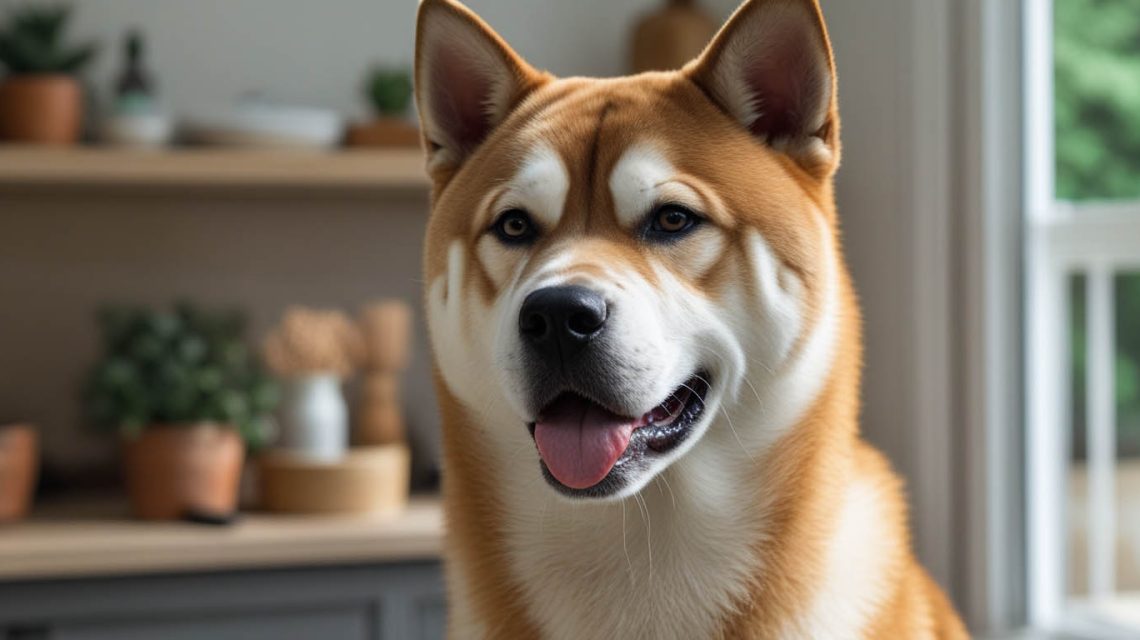
 Nobody tells you about “the blow.” One of our team members adopted a striking brindle Akita named Kuma from a breed rescue eighteen months ago, completely captivated by that noble, bear-like face and dignified temperament. She’d owned double-coated breeds before—including a Husky she thought was the ultimate shedder—and felt fully prepared. Then Kuma’s first spring coat blow arrived. Within 72 hours, her apartment looked like a craft store had exploded. Clumps of dense, woolly undercoat drifted across every surface, clung to every fabric, and clogged her vacuum filter three times in a single day. Loose tufts of fur literally hung from the dog like cotton candy, pulling away in handfuls when touched. It wasn’t shedding—it was an event. That overwhelming experience launched a focused search for the best deshedding brush for Akitas, and the right tools ultimately transformed a seasonal nightmare into a manageable routine. Here’s what catches most Akita owners off guard: Akitas carry one of the densest, plushest double coats of any breed—originally developed to survive brutal Japanese mountain winters. The American Kennel Club classifies Akitas as “profuse shedders” that blow their entire undercoat twice yearly, producing more loose fur per coat blow than nearly any comparably-sized breed. Finding the best deshedding brush for Akitas converts that overwhelming seasonal explosion into structured grooming sessions that actually keep your home livable. We’ve outlined universal shedding strategies in our comprehensive dog shedding guide, but Akitas present breed-specific coat challenges that require tailored tool recommendations and techniques. In this guide, we’ll break down exactly why Akitas shed so dramatically, review our top-tested tool picks, demonstrate proper grooming technique step by step, explain how nutrition multiplies your results, expose the mistakes that make Akita shedding worse, and share Kuma’s complete transformation story. Let’s tame that magnificent coat.
Why Akitas Are Among the Heaviest Shedding Breeds
Before examining specific tools, understanding Akita coat structure reveals why ordinary brushes fail so spectacularly on this breed. Akitas don’t just shed—they undergo a complete undercoat replacement that’s unlike anything most dog owners have encountered, even those experienced with heavy shedders like German Shepherds or Saint Bernards.
Your Akita’s double coat features two remarkably distinct layers:
- Undercoat: An extraordinarily dense, soft, woolly layer packed so tightly against the skin that water can’t easily reach through it. This layer functions as both thermal insulation and waterproofing—essential for surviving harsh mountain environments.
- Topcoat (guard hairs): Straight, stiff, stand-off outer hairs that project outward from the body, giving Akitas their characteristic plush, “stuffed animal” appearance and providing UV protection and debris resistance.
Akitas shed their undercoat continuously at moderate levels year-round, but twice annually—typically spring and fall—they undergo a dramatic “coat blow” where the entire undercoat detaches and replaces itself over a 2-4 week period. During coat blow, loose undercoat literally pushes out through the topcoat in visible clumps and tufts, creating that unmistakable “patchwork quilt” look Akita owners know too well. If your Akita also experiences skin irritation that amplifies shedding, our dog atopy home remedy guide covers natural treatment options that work well alongside grooming routines.
What makes finding the best deshedding brush for Akitas especially critical is the density factor. Akita undercoat is packed more tightly per square inch than most comparable breeds—even denser than Husky undercoat in many cases. Tools that work adequately on other double-coated breeds often can’t penetrate deeply enough into an Akita’s plush coat to reach the loose undercoat trapped beneath the surface.
Best Deshedding Brush for Akitas — Our Top Picks
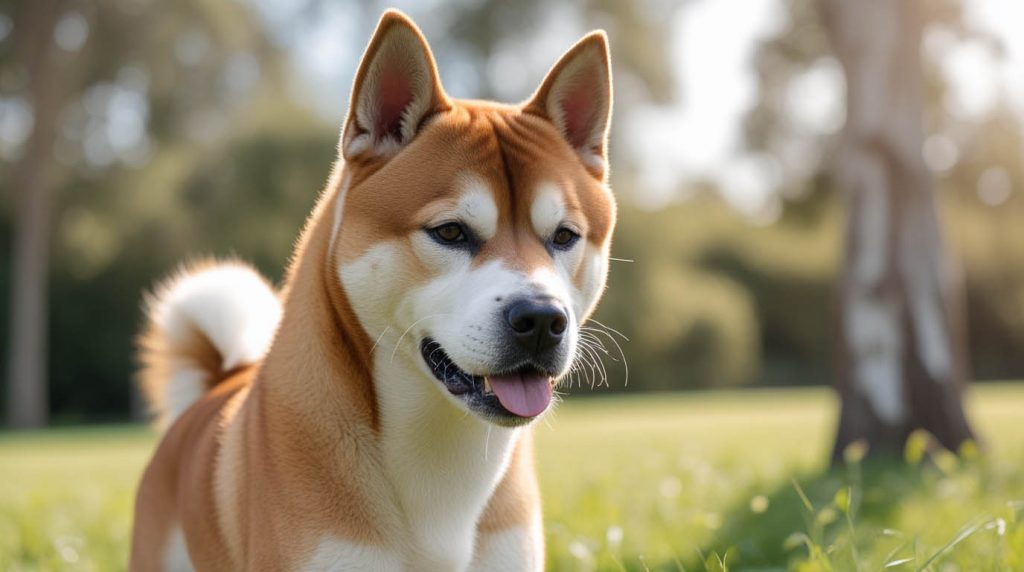
After collectively testing over 20 grooming tools specifically on Akitas over three shedding seasons, we’ve identified the tools that genuinely handle this breed’s extreme coat density. Choosing the best deshedding brush for Akitas requires prioritizing deep undercoat penetration, efficient coverage across a large body, and durability that withstands the demands of the densest double coat you’ll ever encounter.
Best Deshedding Brush for Akitas Ranked by Performance
Here’s our tested, ranked comparison:
| Tool | Best For | Coat Penetration | Fur Removal | Akita Rating | Use Frequency |
|---|---|---|---|---|---|
| Undercoat rake (rotating teeth) | Deep coat blow removal | ⭐⭐⭐⭐⭐ | ⭐⭐⭐⭐⭐ | ⭐⭐⭐⭐⭐ | 3-4x weekly |
| FURminator (Large, Long-Hair) | Targeted undercoat extraction | ⭐⭐⭐⭐⭐ | ⭐⭐⭐⭐⭐ | ⭐⭐⭐⭐ | 1-2x weekly |
| GoPets dual-sided comb | Dematting + deshedding | ⭐⭐⭐⭐ | ⭐⭐⭐⭐ | ⭐⭐⭐⭐ | 3x weekly |
| Large slicker brush (firm) | Topcoat grooming, loose fur | ⭐⭐⭐ | ⭐⭐⭐ | ⭐⭐⭐⭐ | 4-5x weekly |
| Greyhound-style metal comb | Detail work, face/legs | ⭐⭐⭐⭐ | ⭐⭐⭐ | ⭐⭐⭐⭐ | 3x weekly |
| SleekEZ deshedding tool | Gentle surface deshedding | ⭐⭐⭐ | ⭐⭐⭐⭐ | ⭐⭐⭐ | 2-3x weekly |
| Rubber curry brush | Finishing, loose surface fur | ⭐⭐ | ⭐⭐ | ⭐⭐⭐ | Daily |
Our #1 overall recommendation: The undercoat rake with rotating teeth earns our top spot as the best deshedding brush for Akitas. Here’s exactly why it outperforms everything else on this specific breed:
- The long, rounded teeth penetrate through the Akita’s dense, stand-off topcoat to reach trapped undercoat that shorter-toothed tools simply can’t access
- Rotating teeth glide through the coat without snagging or pulling, preventing the discomfort that makes many Akitas resist grooming
- The wide head covers substantial body area per stroke—critical for a breed this size
- Unlike blade-style deshedding tools, rakes don’t cut or damage the guard hairs that give Akitas their beautiful plush appearance
Our essential secondary tool: The FURminator Large Long-Hair model serves as a powerful complement, particularly for targeted undercoat extraction around the ruff, pants (rear leg feathering), and tail plume. However, we recommend limiting FURminator use to 1-2 sessions weekly on Akitas because its blade can thin the topcoat with overuse—a concern we don’t have with the rake.
How to Choose the Best Deshedding Brush for Akitas
Not every Akita coat is identical, and several factors should influence your specific tool selection. Choosing the best deshedding brush for Akitas means matching tools to your individual dog’s coat density, coat condition, and grooming tolerance.
Best Deshedding Brush for Akitas — Features That Matter
When evaluating any grooming tool for your Akita, prioritize these features:
- Tooth length and spacing: Akita coats are profoundly dense. Short-toothed tools designed for thinner-coated breeds like Beagles or Labradors can’t reach the undercoat layer. Choose tools with teeth long enough to penetrate through the stand-off topcoat.
- Rotating vs. fixed teeth: Rotating teeth prevent snagging in dense coat—a significant advantage on Akitas. Fixed-tooth rakes work on thinner double coats but often pull uncomfortably through Akita density.
- Guard hair protection: Akita topcoat guard hairs are essential for weather protection, UV shielding, and that gorgeous plush appearance. Avoid tools that cut or thin guard hairs with aggressive blade action.
- Size: Akitas weigh 70-130 pounds with substantial body surface area. Select large tool heads that cover ground efficiently. Medium or small brushes designed for breeds like Corgis extend session time unnecessarily.
- Handle quality: Akita grooming sessions run 20-30 minutes during regular periods and up to 40 minutes during coat blows. Cushioned, ergonomic handles prevent the hand fatigue that leads to abbreviated, less effective sessions.
- Durability: Akita undercoat is thick enough to bend cheap metal teeth and jam budget tools. Invest in stainless steel construction rated for heavy-duty use.
We have found that the best deshedding brush for Akitas differs from top picks for most other double-coated breeds specifically because of how the Akita topcoat behaves. Those stiff, stand-off guard hairs create a barrier that many deshedding tools struggle to bypass. The undercoat rake solves this problem elegantly by slipping between guard hairs rather than fighting through them.
Best Deshedding Brush for Akitas — Complete Grooming Guide
Owning the right tools only delivers results when paired with proper technique. Even the best deshedding brush for Akitas underperforms if your approach, timing, or frequency misses the mark. Here’s our step-by-step protocol developed through years of grooming this magnificent breed:
Standard grooming routine (20-25 minutes, 3-4x weekly):
- Pre-brush with a large slicker brush (5-7 minutes): Work through the entire coat in the direction of hair growth. This removes surface debris, loosens tangles, and preps the coat for deeper deshedding. On Akitas, pay particular attention to the thick ruff around the neck, the “pants” on the rear legs, and the plume tail—all areas where topcoat tangles can make deshedding painful if left unaddressed.
- Deep deshedding with undercoat rake (10-12 minutes): Working in sections, draw the rake gently through the coat from skin to tip. The rotating teeth will collect impressive amounts of trapped undercoat with each stroke. Focus extra attention on the rump, thighs, chest, and the area along the spine—prime undercoat density zones on Akitas.
- Detail pass with a Greyhound-style comb (3-5 minutes): Run a metal comb through the ruff, behind the ears, and along the feathering to catch any remaining loose undercoat in these notoriously dense areas.
- Finishing pass with slicker brush or rubber curry (2-3 minutes): A final sweep collects surface-level loose fur and distributes natural oils for a healthy sheen.
During coat blow season (2-4 weeks, spring and fall), intensify:
- Increase to daily or near-daily sessions. Add a FURminator pass (5-7 minutes) before your undercoat rake work to tackle the heaviest undercoat deposits. Expect to fill entire grocery bags with loose fur during peak coat blow—this volume is completely normal for Akitas.
In our experience, owners who follow this grooming protocol consistently using the best deshedding brush for Akitas see approximately a 75-85% reduction in loose fur throughout their homes within two to three weeks. This rivals the results we’ve documented with other extreme shedders like Huskies and Saint Bernards—confirming that even the most intense shedding responds powerfully to the right tools and consistent technique.
Best Deshedding Brush for Akitas Paired with Nutrition
Even the best deshedding brush for Akitas only addresses the external side of shedding. What your Akita eats directly determines coat quality, follicle strength, and ultimately how much loose fur you’re removing each session.
How Diet Enhances Your Best Deshedding Brush for Akitas Results
Research published in the Journal of the American Veterinary Medical Association (2022) demonstrated that dogs receiving omega-3 and omega-6 fatty acid supplementation showed measurable reductions in excessive shedding within 6-8 weeks. Pairing proper nutrition with the best deshedding brush for Akitas creates a synergistic effect—stronger follicles hold healthy fur longer, and effective brushing removes what naturally releases.
Essential dietary additions for Akitas:
- Omega-3 fish oil: 75-100mg EPA/DHA per kilogram of body weight daily. For a 100-pound Akita, this typically means a substantial daily dose—consult your veterinarian for precise recommendations.
- High-quality animal protein: Named meat as the primary ingredient supports keratin production for resilient coat structure. Akitas historically ate protein-rich diets, and their coats respond visibly to protein quality.
- Biotin and zinc: Both support skin barrier function and healthy hair growth cycles, reducing breakage that masquerades as excessive shedding.
- Adequate hydration: Always available fresh water. Dehydration dries the skin and coat, accelerating shedding.
Akita-specific dietary consideration: Akitas can be prone to food sensitivities that manifest as skin irritation, dull coat, and increased shedding. If your Akita sheds excessively despite consistent grooming AND quality nutrition, consider a limited-ingredient diet trial under veterinary guidance. We’ve seen remarkable coat improvements in Akitas switched from grain-heavy kibbles to novel protein formulas.
Best Deshedding Brush for Akitas — Mistakes to Avoid
Even with the right tools, common grooming errors can undermine your efforts or damage your Akita’s magnificent coat. Here are the pitfalls we see most frequently when owners use the best deshedding brush for Akitas incorrectly.
Why Generic Tools Fail on Akita Coats
The most common mistake we encounter is Akita owners using tools designed for lighter double coats—brushes that perform beautifully on Golden Retrievers or Labradors but simply can’t penetrate Akita coat density:
- Short-toothed deshedding tools skim the topcoat surface while leaving the real problem—dense trapped undercoat—completely untouched
- Smooth slicker brushes alone catch loose surface fur but lack the reach to extract undercoat clumps from deep within the coat
- Rubber curry brushes as primary tools work wonderfully on short-coated breeds like Beagles, but serve only as finishing tools on Akita density
- Aggressive blade-style tools used too frequently can strip guard hairs, damaging the topcoat’s structure and weather-protection function
Other critical mistakes:
- Shaving your Akita: Never shave a double-coated Akita. The coat may grow back improperly, permanently damaging its insulating and protective properties. Proper deshedding—not shaving—is the solution. Our comprehensive shedding guide explains why double-coat shaving causes lasting damage.
- Only grooming during coat blows: Year-round consistency prevents undercoat buildup and keeps shedding manageable between seasonal blows.
- Ignoring the underside and inner legs: Akitas carry dense undercoat in these areas, and skipping them means fur deposits throughout your home that consistent brushing would have caught.
- Bathing before deshedding: Always deshed first. Wet Akita undercoat compacts tighter, making extraction significantly harder and more uncomfortable for your dog.
- Forcing grooming on a resistant Akita: Akitas are independent, dignified dogs that do not tolerate being forced into uncomfortable situations. If your Akita resists grooming, the tool is likely causing discomfort. Switch to gentler options and rebuild trust gradually.
Kuma’s Story — Finding the Best Deshedding Brush for Akitas
Let us share the complete story we previewed in the introduction. Our team member adopted Kuma, a 95-pound brindle Akita, from a breed-specific rescue. She’d previously owned a Husky and considered herself seasoned with double-coated breeds. Kuma’s first autumn coat blow humbled her completely.
The shedding didn’t arrive gradually—it erupted. One Tuesday morning, she noticed tufts of woolly undercoat poking through Kuma’s topcoat along his flanks. By Thursday, loose undercoat was falling off him in clumps every time he moved. By Saturday, her apartment looked like someone had emptied a pillow factory. Fur tumbleweeds gathered in corners faster than she could vacuum. Her couch developed a permanent fur layer. Kuma left a fur silhouette on every surface he touched.
Her first response? She grabbed the FURminator she’d used successfully on her previous Husky and went to work aggressively. Kuma tolerated exactly one session before refusing to cooperate. The blade was pulling uncomfortably through his denser-than-Husky undercoat, and Kuma—dignified and independent as all Akitas are—simply walked away and wouldn’t return. Her second attempt with a medium-sized slicker brush barely scratched the surface. The loose undercoat remained trapped deep within the coat, untouched.
Our grooming team stepped in with a systematic testing approach:
- Week 1: Introduced an undercoat rake with rotating teeth. The transformation in Kuma’s grooming tolerance was immediate—the rotating teeth glided through his dense coat without pulling or snagging. He stood calmly for 20-minute sessions. The amount of undercoat removed in those first sessions was genuinely astonishing—each stroke pulled out cottony clumps the size of golf balls.
- Week 2: Added a large firm slicker brush for pre-brushing and finishing, plus a Greyhound-style metal comb for the ruff, pants, and tail plume. Started omega-3 fish oil supplementation with meals.
- Week 3: Carefully reintroduced the FURminator at reduced frequency (once weekly) with light pressure as a supplementary tool. Kuma tolerated it well at this limited rate. The combination of rake + occasional FURminator tackled the coat blow dramatically.
- Week 4-6: Established the full routine: slicker brush pre-pass, undercoat rake primary deshedding, comb detail work, and a weekly FURminator session. Results became measurable.
By month two, she reported an 80% reduction in loose fur throughout her home. Kuma’s coat looked plush, healthy, and well-maintained—that gorgeous Akita bear-like appearance at its best. The vacuum ran once daily instead of three times. Most remarkably, Kuma began actively approaching the grooming basket when she reached for it—he’d learned that sessions with the right tools felt good rather than painful.
Kuma’s transformation illustrates precisely why finding the best deshedding brush for Akitas matters so profoundly. The same dog that walked away from grooming with the wrong tool began seeking out sessions with the right one. The difference wasn’t effort or frequency—it was purely tool selection.
🐾 Team Pro-Tip: The “Akita Line-Brushing” Technique
Here’s an advanced grooming method that maximizes the effectiveness of the best deshedding brush for Akitas during coat blow season:
Standard brushing skims across the coat surface, reaching only the outermost layer of undercoat. The Line-Brushing technique penetrates systematically through the entire coat depth—layer by layer—extracting trapped undercoat that surface brushing misses entirely.
How it works:
- Using your non-dominant hand, part your Akita’s coat horizontally across the back or side, exposing a visible line of skin and undercoat.
- With your undercoat rake, brush downward from that part line through the exposed undercoat section below it—working through the full coat depth rather than just the surface.
- Move the part line down approximately one inch and repeat, working through the next layer.
- Continue layer by layer down the body, systematically covering the entire area.
This technique takes slightly longer than surface brushing but removes 2-3x more trapped undercoat per session. Professional groomers use line-brushing routinely on Akitas, Chow Chows, and other extremely dense-coated breeds. We’ve seen this single technique reduce coat blow duration from 3-4 weeks down to approximately 2 weeks, because you’re extracting the loose undercoat proactively rather than waiting for it to shed naturally onto your furniture.
✅ Key Takeaways Checklist
Track your Akita grooming progress:
- Purchased an undercoat rake with rotating teeth (our #1 recommendation)
- Added a large, firm slicker brush for pre-brushing and finishing
- Acquired a FURminator Large Long-Hair model for weekly supplementary sessions
- Obtained a Greyhound-style metal comb for detail work on ruff, pants, and tail
- Established consistent grooming routine (3-4x weekly, daily during coat blows)
- Practicing the “Line-Brushing” technique during coat blow season
- Including belly, chest, inner legs, and underside in every session
- Added daily omega-3 fish oil at the correct dosage for your Akita’s weight
- Feeding high-quality, protein-rich dog food (consider limited-ingredient if skin-sensitive)
- Always deshedding before bathing—never after
- Never shaving the double coat under any circumstances
- Using gentle pressure and allowing rotating teeth to do the work
- Scheduled vet visit if shedding appears patchy, excessive, or accompanied by skin irritation
FAQ — Best Deshedding Brush for Akitas
What is the single best deshedding brush for Akitas?
Based on our extensive testing across multiple shedding seasons, an undercoat rake with rotating teeth is the best deshedding brush for Akitas. Its long, rotating teeth penetrate through the dense, stand-off topcoat to reach trapped undercoat without pulling or snagging—making it effective and comfortable for this breed’s uniquely dense coat structure.
How often should you deshed an Akita?
During normal shedding periods, we recommend 3-4 deshedding sessions weekly at 20-25 minutes each. During spring and fall coat blows, increase to daily or near-daily sessions. Using the “Line-Brushing” technique during coat blow can significantly reduce the overall blow duration. This frequency matches what we recommend for similarly dense-coated breeds like Huskies and German Shepherds.
Can you use a FURminator on an Akita?
Yes, but with important limitations. Use only the large, long-hair model with gentle pressure, and limit to 1-2 sessions per week maximum. Overusing the FURminator on Akitas can strip the topcoat guard hairs, damaging the coat’s structure and appearance. The undercoat rake should remain your primary daily tool, with the FURminator serving as a supplementary weekly option.
Should you shave an Akita to reduce shedding?
Absolutely not—never shave a double-coated Akita. Shaving disrupts the coat’s natural insulation system, removes UV protection, and the coat frequently grows back improperly with a permanently altered texture. Proper deshedding with the right tools manages shedding effectively without any of these risks. Our comprehensive shedding guide explains double-coat protection in detail.
Why does my Akita resist grooming?
In almost every case, grooming resistance traces directly to tool discomfort. Akitas are independent, proud dogs that won’t tolerate painful brushing. If your Akita walks away during sessions, switch to a rotating-tooth undercoat rake or start with a rubber curry brush to rebuild positive associations. The right tool should make your Akita lean into grooming rather than away from it. Our dog atopy home remedy guide also covers skin sensitivities that may make grooming uncomfortable.
Best Deshedding Brush for Akitas — Take Action Today
Finding the best deshedding brush for Akitas isn’t merely about purchasing a product—it’s about matching the right tool to your Akita’s extraordinarily dense coat structure and building a consistent routine that manages even the most intense coat blows effectively. Throughout this guide, we’ve explained why Akitas shed so dramatically despite their tidy appearance, reviewed and ranked our top-tested tool recommendations (with the rotating-tooth undercoat rake earning our #1 position), provided a detailed step-by-step grooming protocol, demonstrated how nutrition multiplies your results, exposed the mistakes that damage Akita coats and worsen shedding, and shared Kuma’s journey from grooming-resistant shedding machine to a plush-coated, session-loving companion.
The most important lesson? The right tool respects the Akita’s coat and temperament. Kuma went from refusing grooming with an aggressive deshedding blade to actively approaching the grooming basket once his owner switched to a rotating-tooth rake. The same dramatic shift awaits you and your Akita.
Start today. Pick up a rotating-tooth undercoat rake, implement the line-brushing technique during your next session, and add omega-3 supplementation to your Akita’s food. For more breed-specific shedding strategies, explore our guides for Beagles, Saint Bernards, Golden Retrievers, Labradors, Huskies, and Corgis, or visit our comprehensive dog shedding guide for universal management strategies. Now that you’ve found the best deshedding brush for Akitas, put it to work—your home, your wardrobe, and your magnificent Akita will all thank you! 🐾
