

 Animal Zoid Editorial Team
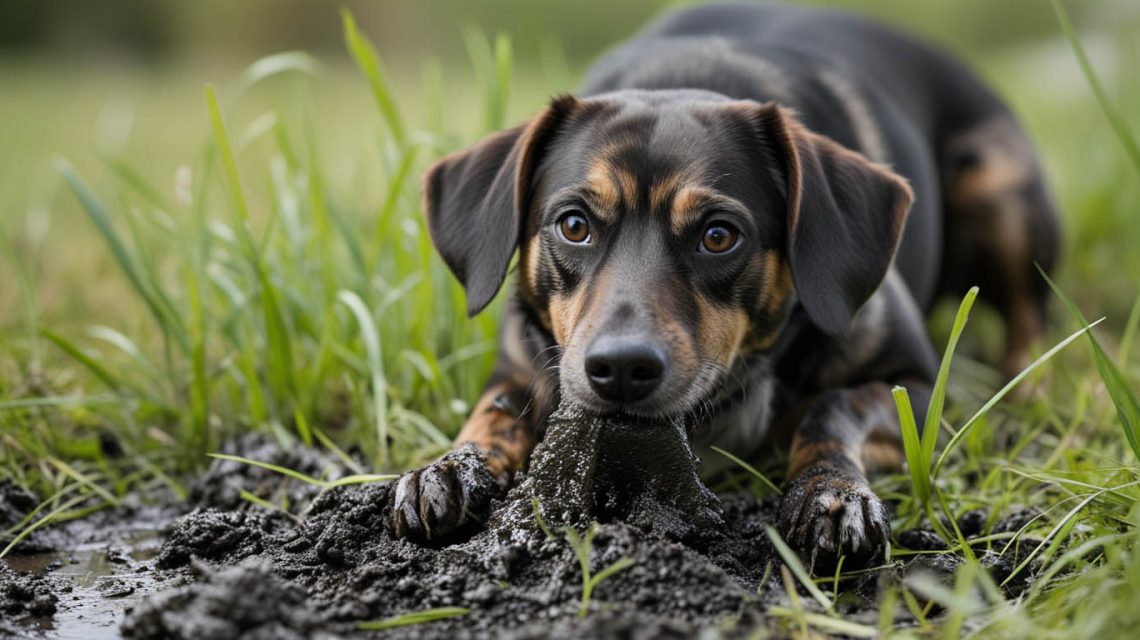
 Why do dogs eat grass and mud? Dogs consume grass and mud primarily because of gastrointestinal discomfort, nutritional deficiencies, ancestral scavenging instincts, boredom, or anxiety-driven compulsive behavior. If you’ve watched your dog graze on lawn grass before plunging face-first into a muddy patch, you know exactly how confusing—and messy—this double behavior looks. Pet owners across the United States search for answers to why do dogs eat grass and mud constantly, and while the behavior sometimes proves completely harmless, it occasionally signals something genuinely concerning happening inside your dog’s body.
Throughout this guide, I’ll explain the science behind both habits, reveal why grass eating and mud eating frequently occur together, and share practical strategies for stopping this messy combination effectively.
The Science Explaining Why Do Dogs Eat Grass and Mud
Understanding the biological foundations behind this combined behavior helps you respond appropriately rather than simply panicking. Grass consumption and mud consumption share several overlapping triggers—though each carries unique causes worth examining separately.
Ancestral Instincts Behind Why Do Dogs Eat Grass and Mud
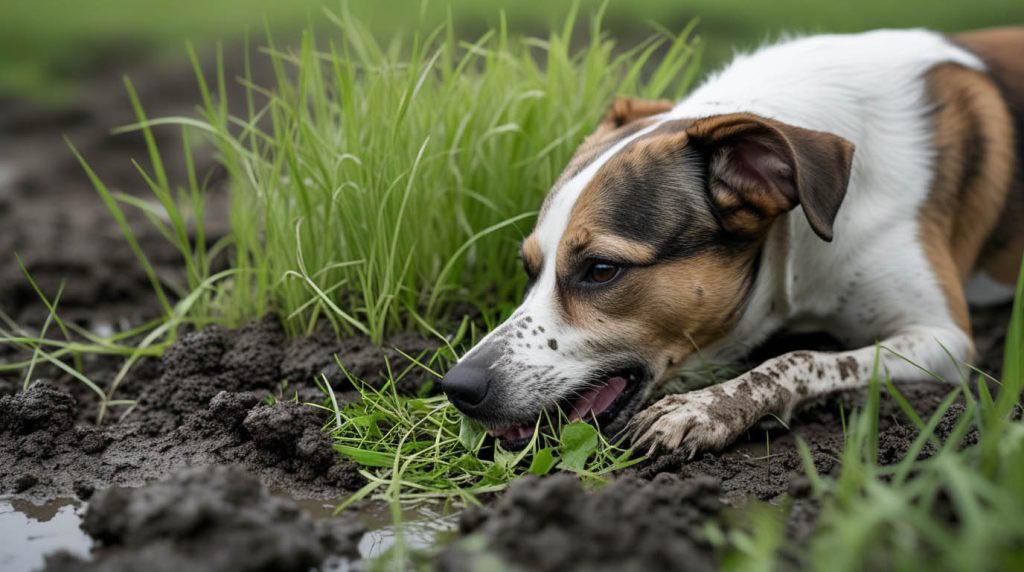
Your dog’s wild ancestors didn’t survive on perfectly portioned kibble served in stainless steel bowls. Wolves and wild canines consumed entire prey animals—including stomach contents containing partially digested plant material and soil. This means grass and earth consumption literally formed part of the ancestral canine diet for thousands of years.
According to a landmark study published in Applied Animal Behaviour Science, approximately 79% of dogs with regular outdoor access eat grass at some point. This remarkably high percentage strongly suggests the behavior represents normal canine activity rather than pathological abnormality for most dogs.
Here’s the thing—modern dogs retain these ancient dietary instincts despite centuries of domestication. When your dog grazes on grass or laps up mud, they’re executing evolutionary programming that once served genuine survival purposes. The instinct simply hasn’t caught up with their current reality of guaranteed daily meals and climate-controlled homes.
The Most Common Reasons Why Do Dogs Eat Grass and Mud Together
While grass eating and mud eating can occur independently, dogs who do both simultaneously typically share specific underlying triggers worth identifying.
Stomach Upset Drives Why Do Dogs Eat Grass and Mud
The most widely recognized explanation involves gastrointestinal discomfort. Dogs experiencing nausea, acid reflux, or stomach irritation frequently seek both grass and mud as natural self-soothing remedies working through different mechanisms.
Grass acts as a natural emetic—long blade textures tickle the stomach lining and can trigger therapeutic vomiting that relieves nausea. Mud, meanwhile, contains minerals and clay particles that may help coat an irritated digestive tract or absorb excess stomach acid—providing a different type of internal relief.
I’ve found that dogs consuming both grass and mud together typically experience more significant digestive discomfort than dogs who only nibble grass occasionally. The dual behavior suggests their body desperately seeks multiple forms of relief simultaneously.
Watch for these accompanying digestive symptoms:
- Excessive lip licking or gulping before seeking grass or mud
- Audible stomach gurgling or rumbling sounds
- Decreased appetite or complete food refusal
- Vomiting shortly after consuming grass or mud
- Diarrhea or unusually soft, discolored stools
If digestive distress drives the behavior, our article on why does my dog keep gagging but not throwing up covers related gastrointestinal symptoms and solutions comprehensively.
Nutritional Deficiencies Cause Dogs to Eat Grass and Mud
When your dog’s diet lacks essential nutrients—particularly fiber, iron, calcium, or zinc—their body instinctively drives them toward alternative sources. Grass provides dietary fiber that many commercial dog foods lack in adequate quantities. Mud supplies trace minerals dissolved from surrounding soil that deficient diets fail to deliver.
Veterinary nutritionists note that dogs consuming grass specifically for fiber often choose longer, coarser blades and chew them deliberately rather than gulping frantically. This careful grazing pattern differs dramatically from the panicked grass-gulping that signals nausea.
Switching to a high-quality, AAFCO-certified dog food with adequate fiber and complete mineral profiles resolves deficiency-driven grass and mud eating for roughly 40% of affected dogs within weeks. Our guide on best dog foods for overall health recommends nutritionally complete options addressing these common dietary gaps.
Boredom and Anxiety Explain Why Do Dogs Eat Grass and Mud Behaviorally
Not every case traces back to medical origins. Boredom, understimulation, and anxiety drive a substantial percentage of combined grass and mud eating—particularly among high-energy breeds stuck in unstimulating environments without adequate outlets.
Dogs left in yards with nothing constructive to engage them often develop repetitive oral behaviors because grass and mud provide rich multi-sensory stimulation. The varied textures, earthy tastes, satisfying squishiness of mud, and digging activities offer temporary entertainment in an otherwise boring environment.
Why Do Dogs Eat Grass and Mud More After Rain?
Rainy weather dramatically intensifies both behaviors simultaneously—and understanding why helps you anticipate and manage the pattern proactively.
Weather Patterns and Why Do Dogs Eat Grass and Mud Seasonally
Multiple rain-related factors converge to make post-storm yards irresistible to dogs:
| Factor | Effect on Grass Eating | Effect on Mud Eating |
|---|---|---|
| Fresh rain on grass | Releases appealing plant scents | N/A |
| Softened earth | N/A | Creates accessible, palatable mud |
| Amplified mineral scents | N/A | Wet soil releases concentrated mineral odors |
| Earthworm activity | Worms attract investigation near grass | Worms emerge in mud, attracting consumption |
| Puddle formation | Grass near puddles gets attention | Standing water mixes with soil creating mud |
In my experience, the 24–48 hours following rainfall represent peak season for owners asking why do dogs eat grass and mud because every attractant intensifies simultaneously during this window. Supervising outdoor access more carefully during post-rain periods prevents most opportunistic consumption.
Why Do Dogs Eat Grass and Mud and Then Vomit?
This specific sequence concerns owners most frequently—and rightfully so. Understanding the pattern reveals important diagnostic information.
The Self-Medication Cycle Behind Why Do Dogs Eat Grass and Mud
When dogs eat grass specifically to vomit, they typically gulp long blades rapidly without chewing. The unchewed grass irritates the stomach lining and triggers the vomiting reflex—expelling whatever caused their original nausea. Mud consumed alongside grass sometimes accompanies the vomit, having provided no additional relief despite the dog’s attempts.
Here’s the important distinction: occasional grass-induced vomiting that successfully resolves nausea represents your dog’s natural self-medication system working as intended. However, repeated cycles of eating grass and mud followed by vomiting indicate a persistent underlying digestive problem that self-medication simply cannot fix.
💡 When to Worry: If your dog eats grass and mud and vomits more than twice weekly, schedule a veterinary appointment promptly. Chronic vomiting cycles cause esophageal damage, dehydration, and nutritional depletion regardless of how “normal” the behavior appears on the surface.
Health Risks When Dogs Eat Grass and Mud Regularly
Understanding why do dogs eat grass and mud matters partly because both substances carry genuine health risks when consumed regularly or in large volumes.
Specific Dangers of Regular Grass and Mud Consumption
- Pesticide and herbicide exposure — Chemically treated lawns expose dogs to potentially toxic substances with every mouthful of grass or contaminated mud
- Intestinal parasites — Both grass and wet soil harbor roundworm eggs, hookworm larvae, and other parasitic organisms
- Bacterial infections — Mud contains concentrated bacteria including leptospirosis, giardia, and various pathogenic organisms thriving in moist environments
- Intestinal blockage — Large volumes of grass can mat together inside the digestive tract creating dangerous obstructions, while clay-heavy mud can compact and cause impactions
- Dental damage — Rocks and debris hidden within mud crack teeth and lacerate gum tissue
- Toxic plant ingestion — Dogs eating grass indiscriminately may consume poisonous plants growing alongside safe grass species
⚠️ Critical Rule: Never allow your dog to eat grass from lawns treated with pesticides, herbicides, or chemical fertilizers. Even products marketed as “pet-safe” typically require specific waiting periods before allowing animal access.
For deeper coverage of soil-specific risks, our article on why do dogs eat dirt provides detailed information about earth consumption dangers and solutions.
Proven Solutions to Stop Dogs From Eating Grass and Mud
Now that you understand why do dogs eat grass and mud, let’s address practical solutions targeting root causes rather than merely restricting access.
Effective Strategies That Actually Deliver Results
- Upgrade nutrition immediately — Switch to premium, fiber-rich food meeting complete AAFCO nutritional standards. Consider adding a veterinary-approved fiber supplement if grass-grazing specifically indicates fiber-seeking behavior.
- Increase daily exercise dramatically — Tired dogs consume significantly less grass and mud. Add 20–30 extra minutes of vigorous physical activity every single day.
- Provide robust mental enrichment — Puzzle feeders, snuffle mats, interactive toys, and structured training sessions redirect oral fixation into appropriate outlets effectively.
- Address digestive issues directly — If nausea drives the behavior, work with your veterinarian to diagnose and treat the underlying gastrointestinal condition rather than merely preventing outdoor access.
- Train a reliable “leave it” command — This gives you a powerful real-time intervention tool during walks, yard time, and outdoor adventures.
- Supervise outdoor access carefully — Maintain direct supervision during behavior modification and redirect immediately when grazing or mud eating begins.
- Schedule comprehensive veterinary testing — Bloodwork, fecal examination, and physical assessment rule out medical causes efficiently.
- Manage yard conditions — Remove standing water promptly after rain, cover exposed soil with ground cover, and maintain grass at moderate height to reduce grazing appeal.
For dogs whose grass and mud consumption connects to broader food instincts, our guide on why does my dog hide food explores related preservation behaviors. Additionally, our article on why do dogs eat grass and dirt covers similar combined consumption patterns and management approaches.
Why Do Dogs Eat Grass and Mud More in Multi-Dog Households?
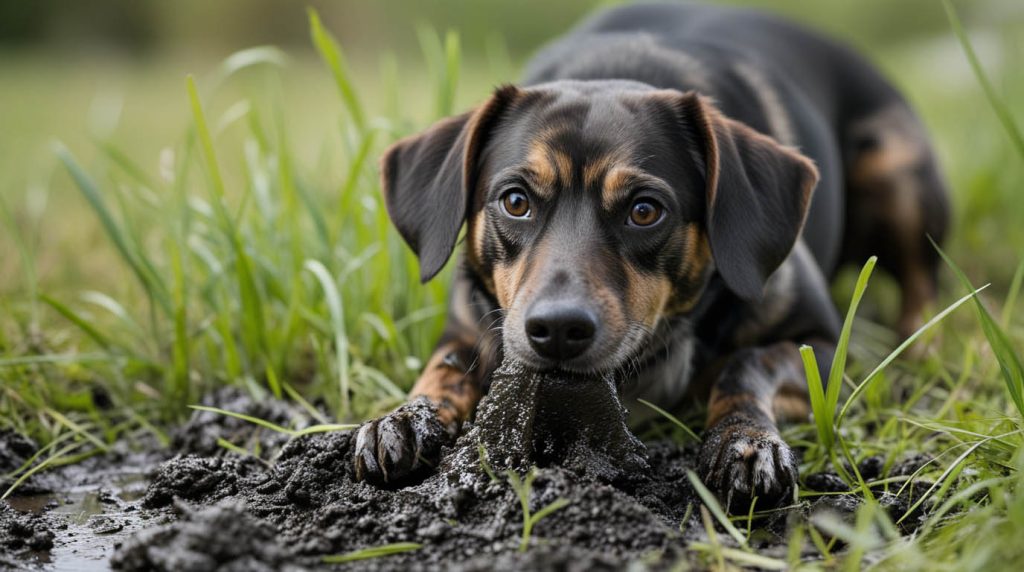
Competition and social learning both amplify these behaviors noticeably in multi-pet environments. Dogs in households with multiple pets sometimes consume grass and mud more intensely because competitive stress increases anxiety-driven oral behaviors. Furthermore, watching another dog graze or dig through mud frequently triggers copycat behavior through social learning mechanisms.
Separating dogs during outdoor time and ensuring each receives adequate individual attention, exercise, and nutrition independently often reduces competitive consumption patterns within weeks.
Frequently Asked Questions
Why do dogs eat grass and mud every single day?
Daily consumption strongly suggests chronic digestive discomfort, ongoing nutritional deficiencies, or firmly established compulsive behavior requiring active intervention. Schedule veterinary bloodwork and a fecal examination as your immediate first diagnostic step.
Why do dogs eat grass and mud but refuse their regular food?
Refusing normal food while consuming grass and mud typically indicates significant nausea or gastrointestinal pain. Your dog avoids food that worsens discomfort while seeking grass and mud providing perceived relief. This combination always demands prompt veterinary evaluation.
Is it dangerous when dogs eat grass and mud?
Occasional nibbling of untreated grass and clean mud poses minimal risk for most healthy dogs. However, regular consumption dramatically increases exposure to pesticides, parasites, bacteria, toxic plants, and intestinal blockage risks. Danger escalates proportionally with both frequency and volume consumed.
Why do dogs eat grass and mud more as puppies?
Puppies explore everything through their mouths during developmental stages. Grass and mud sampling represents normal curiosity in most young dogs. However, persistent consumption beyond normal exploration—especially alongside eating rocks, fabric, or other non-food items—warrants veterinary assessment for nutritional deficiencies or developing pica disorder.
Why do dogs eat grass and mud only during certain times of year?
Seasonal patterns typically correlate with spring grass growth, post-rain mud availability, seasonal allergy flares causing digestive irritation, increased outdoor time during warmer months, and seasonal fertilizer applications creating appealing scents. Recognizing your dog’s seasonal pattern helps you prepare preventive strategies in advance.
Conclusion
So why do dogs eat grass and mud? The behavior stems from a powerful combination of gastrointestinal self-medication seeking relief from nausea, nutritional deficiencies driving alternative mineral and fiber sourcing, deeply embedded ancestral scavenging instincts, boredom-driven oral stimulation in understimulating environments, and anxiety-related compulsive patterns. While occasional grass nibbling and mud licking fall within normal canine behavior boundaries, regular and deliberate consumption of both substances simultaneously typically indicates an underlying issue deserving thorough investigation—whether medical, nutritional, or behavioral in nature.
The most effective approach addresses root causes comprehensively rather than simply restricting outdoor access. Upgrading to nutritionally complete food, significantly increasing physical exercise and mental stimulation, treating underlying digestive conditions properly, and building reliable “leave it” training together create a comprehensive solution that eliminates the behavior sustainably and humanely.
Take action starting today: Schedule a veterinary appointment this week for bloodwork and a fecal exam to rule out medical causes. Evaluate your dog’s current food against AAFCO nutritional standards and switch to a higher-quality, fiber-rich option immediately if it falls short. Add 20 minutes of extra vigorous daily exercise starting tomorrow. And most importantly—stop allowing your dog to eat grass from chemically treated lawns effective immediately. These combined steps resolve the majority of grass and mud eating cases within 2–4 weeks, protecting your dog’s health while finally solving the mystery that brought you here. Your carpets, your vet bills, and your peace of mind will all benefit enormously. 🐾
