

 Animal Zoid Editorial Team
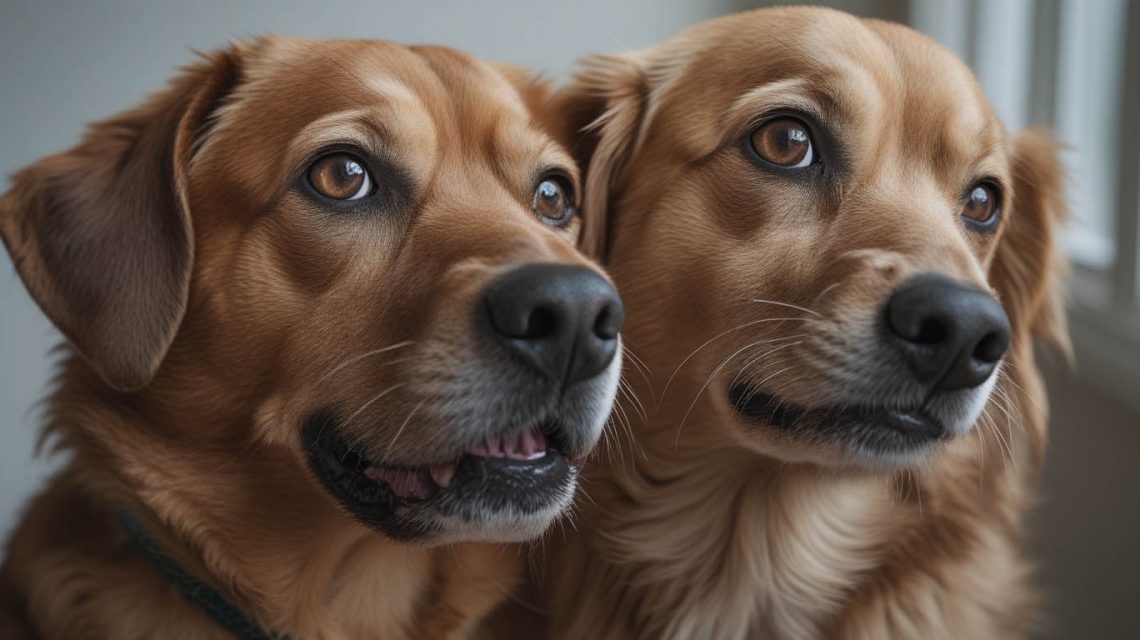
 Have you ever felt your dog’s eyes locked on you like a laser while you’re eating, working, or just sitting still? Dogs stare at people mainly to communicate, bond, and get something they want. When you find yourself asking “why do dogs stare at people?” you’re really asking what your dog is trying to say without using words.
In this guide, we’ll walk through what the different types of stares mean, how to tell friendly looks from red flags, and exactly how you should respond. I’ll also share real-world examples, expert insights, and simple steps you can start using today.
What It Means and Why Do Dogs Stare at People
At the most basic level, a dog’s stare is communication. Staring is part of the same body-language system as tail wags, ear position, and posture. If you decode the whole picture, the stare makes a lot more sense.
In a well-known 2015 study published in Science, researchers found that mutual gazing between dogs and their owners increased oxytocin (the “bonding hormone”) in both. That means those soft, loving looks aren’t in your head; they’re literally changing brain chemistry—yours and your dog’s.
For a deeper dive into overall signals, you might like our dog body language guide.
Soft Eye Contact and Why Do Dogs Stare at People
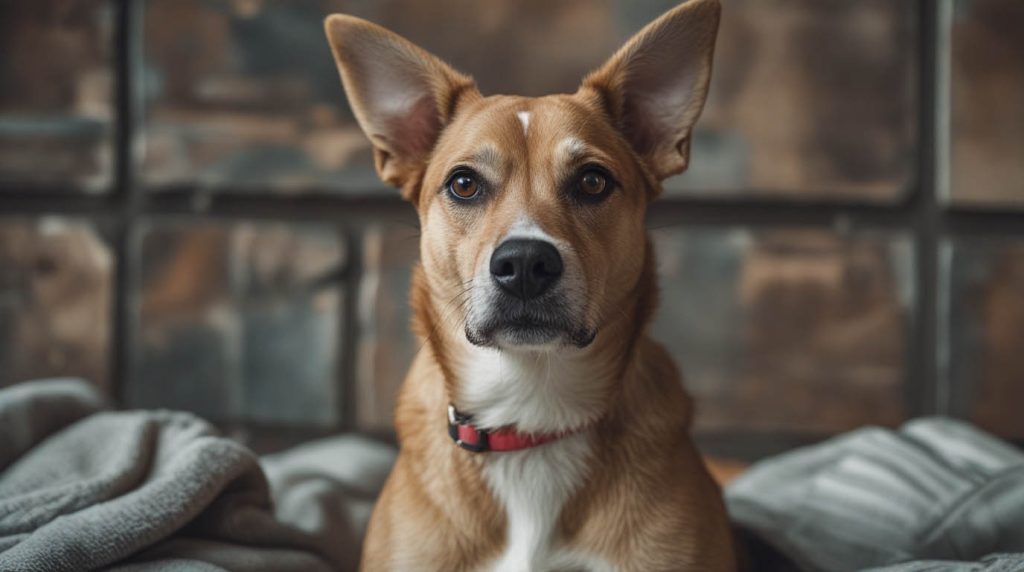
A “soft” stare usually means:
- Relaxed eyes (slightly squinty, not wide)
- Loose body, gentle tail wag
- Mouth maybe slightly open, tongue relaxed
In these moments, why do dogs stare at people? Often because:
- They feel safe and connected
- They’re waiting to see what you do next
- They’re simply enjoying your presence
I’ve found that dogs who have been in the same home for years often use this soft gaze like a quiet check‑in: “You good? I’m good.”
Hard Stares and Why Do Dogs Stare at People
A “hard” stare is very different:
- Eyes wide and stiff, often unblinking
- Body tense, weight forward or frozen
- Tail still or high and tight
- Mouth closed and tight
Here, why do dogs stare at people can mean:
- Guarding a toy, bone, or food
- Feeling threatened or cornered
- Building toward a possible growl, snap, or bite
Veterinary behaviorists often warn that a hard, fixed stare is one of the common early signs that a dog might escalate. So it’s crucial not to ignore it.
Everyday Reasons Why Do Dogs Stare at People
Most of the time, the answer to why do dogs stare at people is harmless—and sometimes pretty funny.
Food, Training, and Why Do Dogs Stare at People
If your dog stares at you while:
- You’re eating dinner
- You’re in the kitchen
- You’re holding treats or toys
…they’re probably trying to get something.
Common everyday motives:
- Begging for food or snacks
- Waiting for a cue during training
- Hoping you’ll throw the ball or start a game
If this is happening a lot at the table, you’ll want to check out our guide to stopping dogs from begging at the table.
Affection, Bonding, and Why Do Dogs Stare at People
Dogs are social animals, and many simply enjoy watching their people. You might notice your dog:
- Staring while you work on your laptop
- Watching you move room to room
- Gazing at you from across the couch
In these cases, why do dogs stare at people often boils down to:
- Attachment: You’re their safe base.
- Curiosity: They’re tracking your routines.
- Connection: Those shared glances build your bond.
Shelter research has even shown that dogs who make friendly eye contact with potential adopters tend to be chosen faster. Eye contact really does matter.
For similar clingy behaviors, see our article on why dogs follow you everywhere.
Serious Cases: When Why Do Dogs Stare at People Is a Red Flag
Sometimes, that same question—why do dogs stare at people—points to anxiety, confusion, or pain.
Anxiety-Driven Why Do Dogs Stare at People
Signs the stare is stress‑related:
- Rapid or shallow panting
- Lip licking, yawning, or pacing
- Ears pinned back, tail tucked
- Startling easily at sounds or movement
In my experience, anxious dogs often stare at their humans like they’re asking for help but don’t know how. This can happen during storms, fireworks, or big changes at home.
If you see these signs often, our guide on dog anxiety signs is a good next step.
Medical Causes Behind Why Do Dogs Stare at People
Sometimes, odd staring isn’t about emotion at all; it’s about health. Watch for:
- Staring at walls or into space
- Getting “stuck” staring and not responding
- Bumping into furniture
- Sudden changes in sleep or appetite
Medical issues that can cause strange staring include:
- Vision problems
- Cognitive decline in older dogs
- Seizure disorders or neurological issues
- Pain or discomfort they can’t localize
Here’s the thing: if your dog’s stare looks different than usual and comes with other changes, don’t wait. Use our checklist on when to call the vet for your dog and get professional advice.
How to Respond When You Notice Why Do Dogs Stare at People
Knowing why do dogs stare at people is only half the job. How you respond can either build trust or accidentally reward unwanted behavior.
Step-by-Step: Responding When Dogs Stare at People
- Pause and scan the whole dog.
Look at body tension, tail, ears, and mouth, not just the eyes. - Label the stare:
- Soft / curious
- Begging / expectant
- Anxious / confused
- Hard / guarding
- Match your response:
- Soft stare → Smile, talk gently, maybe offer a calm pet.
- Begging stare → Ignore, redirect, or ask for a different behavior (like “go to bed”).
- Anxious stare → Offer calm reassurance, remove stressors if possible.
- Hard stare → Stay neutral, don’t lean in, give space, and contact a trainer or behaviorist.
Quick Tip:
If you’re not sure what your dog’s stare means, film a short clip on your phone and show it to a qualified trainer or your vet. It’s often easier to read in slow motion.
Common Mistakes When You React to Staring
People often unintentionally teach their dogs to stare more. Common pitfalls:
- Feeding from the table “just this once”
- Laughing and engaging when the dog stares and whines
- Punishing a dog for staring when they’re actually anxious or confused
Instead of scolding, redirect politely. Ask for a sit, send them to a mat, or move yourself away from the situation.
Best Practices When Dogs Use Eye Contact
To handle everyday why do dogs stare at people situations:
- Reward calm, soft eye contact during training.
- Ignore begging stares and only reward when your dog is relaxed elsewhere.
- Teach a “watch me” cue so eye contact becomes a useful tool.
- Keep kids informed: explain that staring can mean “back off,” not just “I love you.”
If you want to get really systematic, our dog body language guide pairs well with these steps.
Tools, Resources, and Case Stories on Why Do Dogs Stare at People
You don’t need fancy equipment to handle why do dogs stare at people, but a few tools help:
- Treat pouch & small treats – for rewarding calm eye contact and alternative behaviors.
- Mat or bed – to teach a relaxing “place” away from the table or door.
- Training journal or app – to track progress and patterns.
For more structured help, look for internal training plans like our step‑by‑step programs under dog anxiety signs and related behavior guides.
Real-Life Stories: Why Do Dogs Stare at People Moments
- Milo the beggar: Milo stared at his family every night at dinner. Once they stopped feeding him from the table and rewarded him for lying on his mat instead, the intense staring dropped within a couple of weeks.
- Rosie the worrier: After a move, Rosie began staring at her owner, pacing, and whining at night. With a vet check, a predictable routine, and some basic anxiety management, her stare shifted back to soft, relaxed eye contact.
Future Insights into Why Do Dogs Stare at People
Research into dog cognition is growing fast. Scientists are exploring:
- How dogs read tiny changes in human facial expressions
- Whether different breeds use eye contact in different ways
- How early experiences (shelter vs. home‑raised) shape staring behavior
As this work expands, our understanding of why do dogs stare at people will only get more precise—and that means better training, better welfare, and stronger bonds.
FAQ: Why Do Dogs Stare at People?
Is it normal that my dog just sits and stares at me?
Yes, it’s usually normal. If the body is relaxed, your dog is probably curious, waiting for a cue, or simply enjoying being near you.
Is it bad to stare back at my dog?
Soft, friendly eye contact is fine and can strengthen your bond. A hard, intense stare—especially at an unfamiliar or nervous dog—can feel threatening, so avoid that.
Why does my dog stare at me while pooping?
Many dogs stare at their owners while pooping because they feel vulnerable and look to you for safety or reassurance while they’re in that position.
Why does my dog stare at me while I sleep?
Your dog might be checking on you, waiting for you to wake up, or simply guarding you. If it seems obsessive or anxious, it’s worth discussing with a trainer or vet.
When should I worry about why do dogs stare at people?
Worry if the stare is new, combined with stiffness, growling, confusion, or other behavior changes. That’s when a vet or behavior professional should get involved.
Conclusion: Understanding Why Do Dogs Stare at People
When you really unpack why do dogs stare at people, you find a mix of love, curiosity, habit, and sometimes stress or discomfort. A soft gaze can mean deep trust, while a hard, unblinking stare can warn you that your dog feels threatened or overwhelmed.
By paying attention to the whole picture—eyes, body, context—you can respond in ways that build your relationship instead of accidentally creating tension. Start today: watch your dog’s next stare, label what you see, and choose a calm, thoughtful response. Then, if you want to go deeper, explore related guides like why dogs follow you everywhere and our dog body language guide to become truly fluent in your dog’s silent language.
