

 Animal Zoid Editorial Team
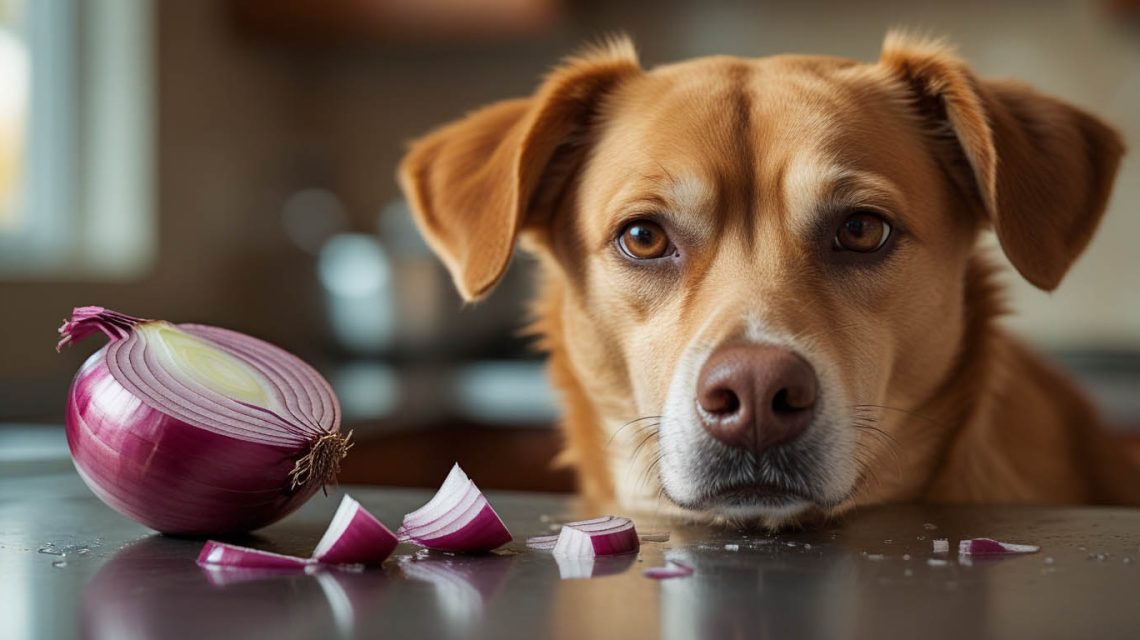
 If you cook a lot, you’ve probably googled “why are onions bad for dogs” right after your dog licked a plate or snagged a piece of onion‑covered steak. It feels confusing, because onions are healthy for humans, used in almost every cuisine, and smell amazing to your dog. So why the big warnings from vets and poison hotlines?
Here’s the thing: when we ask why are onions bad for dogs, we’re not just being picky. We’re talking about a food that can literally damage your dog’s red blood cells, cause hemolytic anemia, and in serious cases, become life‑threatening if you don’t catch it in time.
In this in‑depth guide, we’ll walk through:
- Exactly why onions are bad for dogs on a biological level
- How onion toxicity shows up in real dogs (with symptoms and timelines)
- Everyday foods where onion risk hides in plain sight
- Step‑by‑step actions if your dog already ate onions
- Practical kitchen habits to keep your dog safe without giving up your favorite recipes
I’ll also point you to reliable veterinary sources and share realistic scenarios I’ve seen again and again, so this isn’t just theory. By the end, why are onions bad for dogs won’t feel like a vague rule—you’ll understand it well enough to act on it confidently.
Why Are Onions Bad for Dogs? The Short Answer
Let’s start with the quick version before we dive deeper.
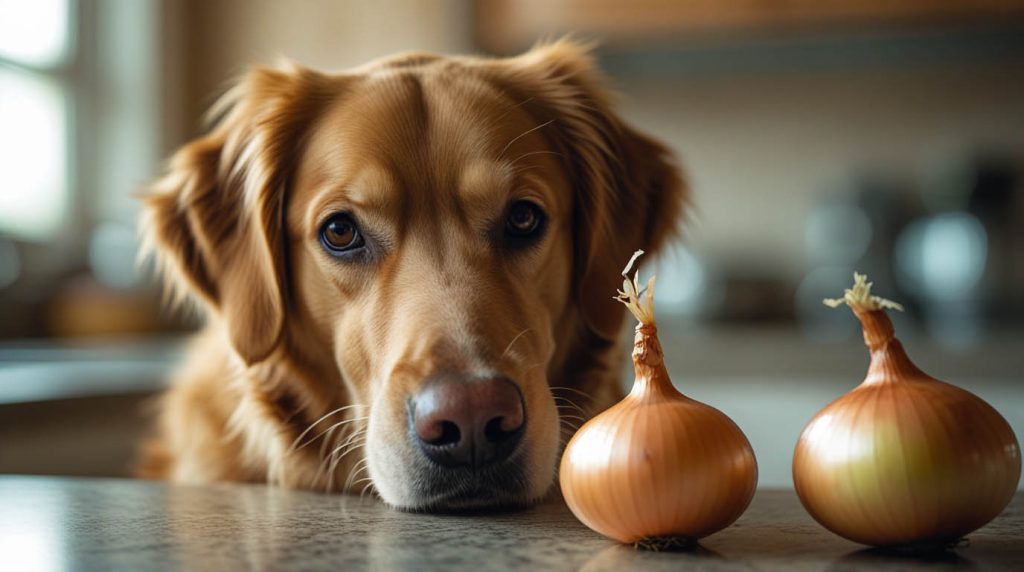
Why are onions bad for dogs? Because they contain sulfur‑containing compounds (like N‑propyl disulfide) that damage canine red blood cells, leading to oxidative injury and hemolytic anemia. Dogs can’t process these compounds the way humans can, so what’s a healthy ingredient for you can be toxic for them.
According to the Merck Veterinary Manual – Onion and Garlic Toxicity, onions:
- Cause oxidative damage to hemoglobin
- Lead to Heinz body formation in red blood cells
- Trigger premature red blood cell destruction
Once enough red blood cells die off, the dog’s body can’t carry enough oxygen. That’s why dogs with onion toxicity look weak, tired, short of breath, and sometimes have dark or reddish‑brown urine.
So if you remember nothing else, remember this: onions are bad for dogs because they attack the blood, not just the stomach.
What Does “Why Are Onions Bad for Dogs” Really Mean?
When people search “why are onions bad for dogs”, they often have more specific questions in mind:
- “Are cooked onions as bad as raw ones?”
- “Do a few onion pieces in stew really matter?”
- “Is onion powder different?”
To answer properly, we need to look at what counts as “onion” from your dog’s point of view.
Why Are Onions Bad for Dogs Across the Allium Family?
Onions belong to the Allium family, which also includes:
- Garlic
- Leeks
- Shallots
- Chives
All of them carry similar oxidative compounds that can damage red blood cells in dogs. So when we ask why are onions bad for dogs, we’re also implicitly talking about these relatives.
The ASPCA Animal Poison Control Center lists onions and other Allium plants as toxic to dogs and cats in all forms:
- Raw
- Cooked
- Powdered
- Dehydrated
- In mixed dishes and sauces
Cooking doesn’t remove the dangerous part for dogs. It just makes onions tastier and easier to eat—especially if they’re mixed with meat or gravy.
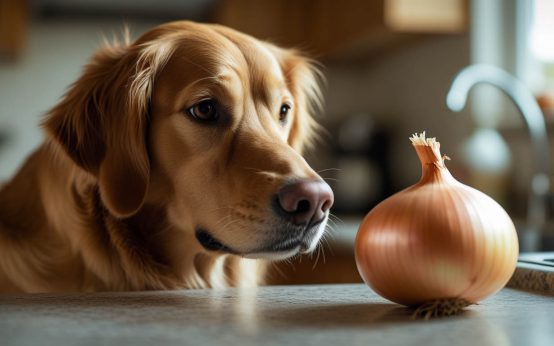
So practically speaking, when you wonder why are onions bad for dogs, think beyond the raw bulb. Onion rings, onion gravy, onion soup, seasoning mixes with onion powder—it all counts.
Why Are Onions Bad for Dogs on a Biological Level?
Now let’s go deeper than “because they’re toxic.” Understanding the mechanism behind why onions are bad for dogs makes it easier to take the rule seriously.
Why Are Onions Bad for Dogs’ Red Blood Cells?
Dogs’ red blood cells carry oxygen bound to hemoglobin. Onion compounds cause oxidative stress to that hemoglobin.
Here’s what happens:
- Your dog eats onions—raw, cooked, or powdered.
- Sulfur‑containing oxidants enter the bloodstream.
- These oxidants attack hemoglobin, changing its structure.
- Damaged hemoglobin forms clumps called Heinz bodies.
- The body flags those red blood cells as abnormal and removes or destroys them.
The Pet Poison Helpline – Onions explains this process and notes that dogs are particularly sensitive to these oxidative changes.
Over time (sometimes days, sometimes faster), enough red blood cells die off to cause hemolytic anemia. The red cell destruction is the central reason why onions are bad for dogs.
Why Are Onions Bad for Dogs’ Organs and Oxygen Supply?
Once anemia kicks in, there’s a domino effect:
- The heart beats faster (tachycardia) to move the limited oxygen.
- The lungs work harder (tachypnea) because tissues “feel” starved of air.
- The muscles and brain get less oxygen, leading to weakness and lethargy.
- The kidneys and liver have to process extra waste from red cell breakdown.
In severe cases, the dog can go into shock: pale gums, cold extremities, collapse, and very rapid, weak pulses. That entire chain starts with the same simple question—why are onions bad for dogs—and ends with a very real emergency if ignored.
Why Are Onions Bad for Dogs in Everyday Foods?
Here’s where things get sneaky. Very few dogs sit down and eat a whole raw onion. Most onion poisonings happen because people underestimate where onions hide.
Why Are Onions Bad for Dogs in Home-Cooked Meals?
Think about a typical week in a home that cooks regularly. You might use onions in:
- Stir‑fries and curries
- Chili and stews
- Meatloaf and burgers
- Roasted vegetables or sheet‑pan meals
- Soups and casseroles
- Gravies and pan sauces
Now think about how many times you:
- Let your dog lick plates
- Toss leftover stew or casserole into the dog’s bowl
- Share a bit of meat with oniony juices “just this once”
Understanding why are onions bad for dogs turns those tiny, casual moments into something you treat more carefully. Onion powder in gravy, caramelized onions on steak, diced onions in scrambled eggs—they all contribute to total onion exposure.
Why Are Onions Bad for Dogs in Processed and Restaurant Foods?
Even if you never cook with onions at home, they show up in:
- Store‑bought broths and stocks
- Pre‑made sauces and marinades
- Canned soups and frozen dinners
- Rotisserie chicken seasonings
- Takeout stir‑fries, tacos, fajitas, and burgers
Often, onions are not obvious. Onion powder hides on ingredient labels, and minced onions vanish into sauces. So if your dog gets leftovers from restaurant meals or processed food, they may get more onion than you realize.
The American Veterinary Medical Association’s pet food safety page specifically includes onions and garlic in its list of human foods that often cause problems in pets.
So the real‑world version of why are onions bad for dogs is: because they slip into your dog’s diet more easily than you think.
Recognizing Symptoms: How You See Why Onions Are Bad for Dogs
Knowing why are onions bad for dogs isn’t enough by itself. You also need to know what onion toxicity looks like in a real dog.
Early Clues That Show Why Are Onions Bad for Dogs
Within hours to a day after eating onions, many dogs show:
- Vomiting
- Diarrhea
- Loss of appetite
- Drooling
- Mild abdominal discomfort
At first glance, it just looks like “they ate something that didn’t agree with them.” However, when you understand why onions are bad for dogs, you realize those early GI signs might be the first wave before anemia appears.
Later Symptoms That Prove Why Are Onions Bad for Dogs
As hemolytic anemia develops over the next 1–5 days, you may see:
- Lethargy and weakness – your dog doesn’t want to play or walk
- Pale or white gums – instead of their normal healthy pink
- Fast breathing or panting at rest
- Elevated heart rate
- Dark red, brown, or cola‑colored urine
- Yellowish gums or eyes (jaundice) in more advanced cases
- Collapse in severe toxicity
Once you’ve seen these signs even once, you’ll never again question why are onions bad for dogs. The gap between “cute dog licking a plate” and “critically anemic dog on IV fluids” suddenly feels extremely small.
Why Are Onions Bad for Dogs Even in Small Amounts?
This is where a lot of debates start:
“My dog once ate some onion off the floor and was fine. Are we overreacting?”
To answer honestly, we have to look at dose, size, and frequency.
Toxic Dose and Why Are Onions Bad for Dogs of All Sizes
Veterinary references often estimate that onions become dangerous at around 0.5% of a dog’s body weight or more, sometimes lower depending on the individual. So:
- A 10 kg (22 lb) dog could have problems from around 50 g of onion.
- A 20 kg (44 lb) dog might reach a risky dose at ~100 g.
However, a few important caveats explain why onions are bad for dogs even when the amount seems small:
- Onion powder is more concentrated than fresh onion. A little can go a long way.
- Repeated small servings can add up over days or weeks, tipping a dog into anemia.
- Individual sensitivity varies. Some dogs get sick at lower doses than others.
So, when you understand why are onions bad for dogs, the safest practical rule is: no amount of onion is “safe enough” to give on purpose. Dogs might survive accidental small bites, sure, but that’s not the same as it being safe.
What To Do When You Learn Why Onions Are Bad for Dogs the Hard Way
Let’s say the worst happens. You know your dog got into onions, or they’re now showing concerning symptoms. What next?
Step-by-Step Plan After You Realize Why Are Onions Bad for Dogs
- Stay calm but act quickly.
Panicking doesn’t help either of you. You want clear thinking and fast decisions. - Gather key details.
- What did your dog eat (raw onion, cooked dish, onion powder)?
- Roughly how much?
- When did it happen?
- What symptoms do you see now?
- Call a professional.
Contact:- Your regular vet (if open), or
- A 24/7 emergency clinic, or
- A poison hotline like the ASPCA or Pet Poison Helpline.
- Explain that you’re calling because you learned why onions are bad for dogs and suspect exposure.
Give them the details you collected. Let them guide you on urgency. - Follow their advice exactly.
They may recommend watching at home, coming straight in, or (if recent enough) inducing vomiting at the clinic.
Avoid random home remedies. Don’t give salt, hydrogen peroxide, or human medications without guidance. When you truly accept why are onions bad for dogs, you realize DIY approaches can make a bad situation worse.
Preventing Problems: Building Habits Around Why Are Onions Bad for Dogs
Now for the good news. Once you internalize why are onions bad for dogs, prevention becomes pretty straightforward.
Kitchen Rules Based on Why Are Onions Bad for Dogs
You can protect your dog with a few simple rules:
- No dogs in the cooking zone.
Use gates or place training so your dog stays away from chopping boards and hot pans. - Trash and compost stay dog‑proof.
Use lidded bins or tuck them behind closed doors. Onion scraps in the trash are a classic poisoning source. - No plate licking if onions were involved.
If a dish touched onion, garlic, or onion‑rich sauce, it goes straight to the sink, not the dog. - Set aside plain portions before seasoning.
If you want to share food, remove a little plain cooked meat or veg before you add onions, garlic, salt, and sauces.
Once these habits are in place, you’ll rarely have to stress about why are onions bad for dogs because your dog simply won’t get near them.
Training and Household Rules Grounded in Why Are Onions Bad for Dogs
Besides kitchen logistics, consider:
- Teaching a rock‑solid “leave it” so your dog walks away from dropped food—including onions.
- Making a house rule that leftovers with unknown or onion‑based seasoning never go to the dog.
- Briefing kids, guests, and pet sitters on why onions are bad for dogs and which foods to avoid sharing.
I’ve found that once people hear the basic science and a couple of real case stories, they stop questioning why are onions bad for dogs and start asking, “So what can I share safely?”
Case Studies That Show Why Are Onions Bad for Dogs
Stories often stick longer than warnings, so here are two realistic scenarios based on common patterns vets and poison centers report.
Bella’s Story: Why Are Onions Bad for Dogs in Gravy?
Bella, a 28‑lb spaniel, loved “helping” with dishes. One Sunday, her family made roast beef with onion gravy. After dinner, they let her lick several plates clean. Nobody thought about onions at all.
Within a day, Bella had mild vomiting and skipped breakfast. Her family chalked it up to eating too fast. Two days later, she could barely finish a short walk, and her gums looked pale when one of the kids checked.
At the clinic, bloodwork showed hemolytic anemia. The vet explained exactly why onions are bad for dogs and pointed to the onion‑rich gravy as the likely culprit. Bella needed IV fluids and careful monitoring, but she recovered.
Now, that family is almost militant about keeping onion dishes out of Bella’s reach. Once they saw firsthand why are onions bad for dogs, the message stuck.
Rocky’s Story: Why Are Onions Bad for Dogs in Small Daily Bites?
Rocky, a 60‑lb Lab mix, was the unofficial dishwasher in his house. Every night, he got a few bites from the family’s plates—little bits of stir‑fry, saucy chicken, and pasta dishes. Many of those meals included onions and garlic.
Over months, Rocky slowed down. He still ate, but he didn’t chase the ball as eagerly. His owners assumed he was “just getting older.” At his annual exam, though, blood tests showed mild but meaningful anemia.
When the vet asked about diet, the onion pattern emerged. That’s when his family finally connected why are onions bad for dogs with what they’d been doing. They stopped sharing seasoned leftovers entirely, and over time, Rocky’s energy and bloodwork improved.
These case styles echo what sites like PetMD’s onion toxicity article describe: everyday habits leading to preventable onion poisoning.
Tools and Resources That Explain Why Are Onions Bad for Dogs
You don’t have to remember every detail of why are onions bad for dogs on your own. A few high‑quality resources can back you up anytime you have questions:
- Merck Veterinary Manual – Onion & Garlic Toxicity – Deep dive into toxicology for those who like the science.
- ASPCA Animal Poison Control – Food and plant toxicity database plus 24/7 hotline.
- Pet Poison Helpline – Onions – Clear explanation of why onions are bad for dogs, with prognosis and treatment info.
- American Kennel Club – Foods Dogs Can and Can’t Eat – Quick reference for safe and unsafe human foods.
Bookmark at least one. Then, the next time someone says, “Oh, one bite won’t hurt, why are onions bad for dogs anyway?” you’ll have authoritative answers on hand.
Future Research: Will We Always Say “Why Are Onions Bad for Dogs”?
People sometimes ask if future research will change the story—will we ever stop saying why are onions bad for dogs and relax the rule?
Realistically, no. The mechanism (oxidative damage to red blood cells) is well documented. What ongoing research is more likely to refine is:
- Different breed or genetic sensitivities
- More precise toxic dose ranges
- Long‑term impacts of mild, chronic exposure
What will change is owner awareness. As education spreads, fewer dogs will end up in ERs because someone didn’t know why onions are bad for dogs. Better labeling, smarter apps, and more pet‑savvy cooking blogs will all help reduce those preventable poisonings.
FAQ: Fast Answers on Why Are Onions Bad for Dogs
Q1: Why are onions bad for dogs but not humans?
Dogs metabolize onion compounds differently. The oxidants in onions damage canine red blood cells, causing hemolytic anemia. Humans can handle those compounds much better, so we don’t see the same effect.
Q2: Are cooked onions safer than raw ones for dogs?
No. Cooked, grilled, roasted, or caramelized onions are still toxic. The compounds that explain why are onions bad for dogs survive normal cooking methods, and onion powder can be even more concentrated.
Q3: Can a tiny bite of onion really hurt my dog?
It depends on your dog’s size, sensitivity, and total exposure over time. Some dogs get lucky with small accidental bites. However, because we know why onions are bad for dogs, vets recommend you don’t offer onions intentionally at any dose.
Q4: What should I do if my dog ate onions?
Call your vet or a poison hotline immediately. Tell them your dog’s weight, how much onion you think they ate, when it happened, and what symptoms you see. Once you understand why onions are bad for dogs, you realize speed really matters.
Q5: Are garlic, leeks, and chives also bad for dogs?
Yes. They’re all Allium family members and share similar toxic mechanisms. Everything we say about why are onions bad for dogs generally applies to these relatives too.
Conclusion: Understanding Why Are Onions Bad for Dogs Protects Your Best Friend
Onions feel harmless because they’re woven into almost every recipe we cook. Yet inside a dog’s body, they behave very differently. When you truly understand why are onions bad for dogs—that they damage red blood cells, starve tissues of oxygen, and can trigger life‑threatening anemia—the “no onions” rule stops feeling fussy and starts feeling obvious.
You’ve seen how onion toxicity works, how it appears in real‑life cases, and how deceptively small exposures can build up over time. You’ve also picked up clear, practical ways to keep your dog safe: dog‑free cooking zones, no onion‑flavored leftovers, and simple gum and behavior checks when something goes wrong.
Now it’s your turn to act.
Tonight, look through your usual recipes and leftovers. Mark which ones always contain onions. Talk with your household about a new standing rule: onion dishes are for humans only, and plain portions come out first if the dog gets a taste. Then, save one or two of the resources above so you’re never alone with the question why are onions bad for dogs again.
A few small, consistent choices now can prevent one of the most common—and most avoidable—food poisonings in dogs, and that’s a huge win for both you and your four‑legged friend.

 Why Are Onions Bad for Dogs? Complete Safety Guide