

 animalzoid
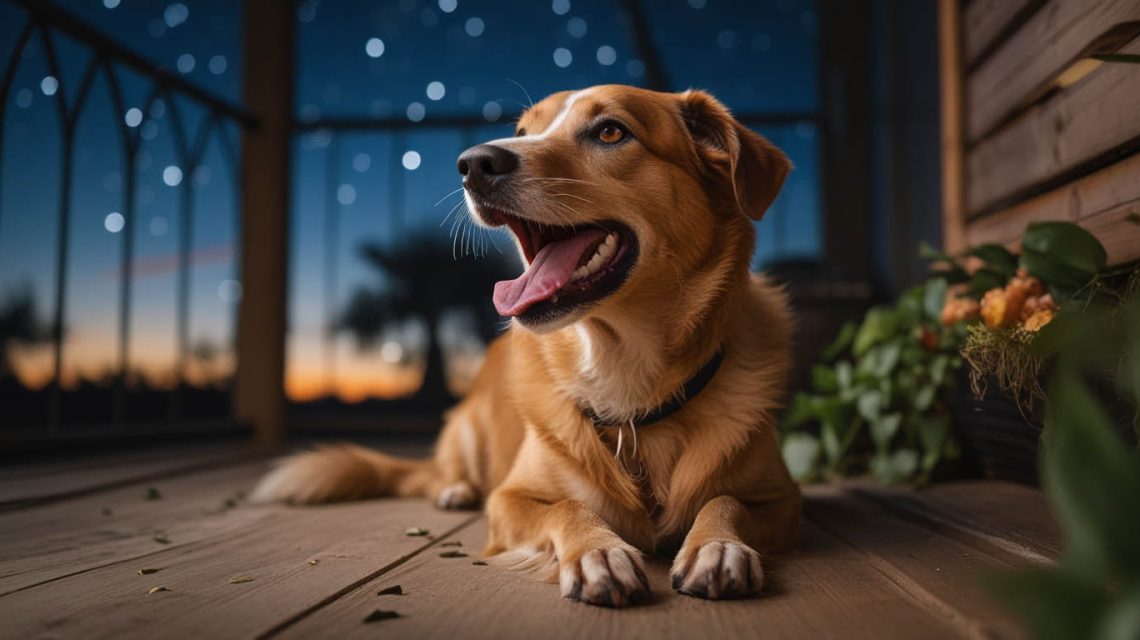
 You notice it when the house is finally quiet: “why is my dog panting at night” when the air feels cool and nothing seems wrong? Nighttime panting can be totally normal after a hot day or exercise, but it can also point to pain, anxiety, or serious medical problems that need a vet’s attention.
In this guide, we’ll unpack the most common reasons, how to tell normal from dangerous panting, and concrete steps you can take to help your dog (and you) sleep better.
What Does “Why Is My Dog Panting at Night” Really Mean?
When you ask why is my dog panting at night, you’re usually describing:
- Fast, open‑mouth breathing
- Maybe some restlessness or pacing
- Often happening when your dog should be asleep
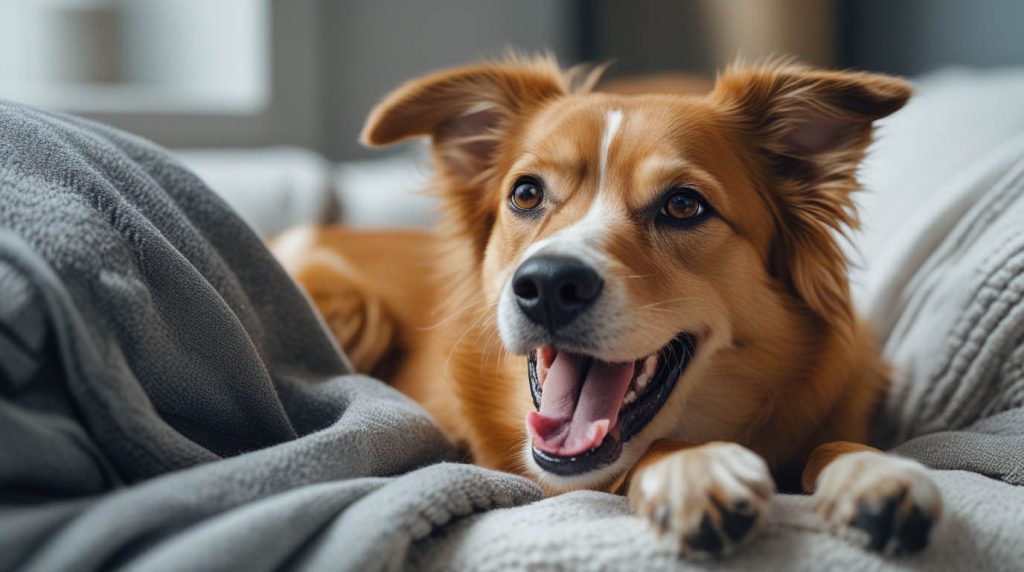
Panting is a normal cooling mechanism for dogs. The American Kennel Club notes that dogs pant to regulate body temperature and sometimes from excitement.
However, if your dog is panting at night:
- When the room is comfortable
- Long after exercise is over
- Or more than they pant during the day
then “why is my dog panting at night” becomes a useful early warning question.
Common Reasons Why Is My Dog Panting at Night
Heat and Environment: A Simple Answer to Why Is My Dog Panting at Night
Sometimes the simplest explanation fits. Your dog might pant because:
- The bedroom is too warm or stuffy
- Their bed is near a heating vent
- They’re under blankets or snuggled close to you
In that case, answering why is my dog panting at night starts with checking:
- Room temperature
- Vent placement
- Whether they have a cooler surface to move to
If panting stops when you cool the room or move their bed, you may have your answer.
Anxiety and Stress: Emotional Reasons Why Is My Dog Panting at Night
Many owners I’ve talked to notice that “why is my dog panting at night” shows up alongside:
- Thunderstorms or fireworks
- Household changes (new baby, guests, moving)
- Nighttime separation from their person
The ASPCA lists panting as a classic anxiety sign, along with pacing, whining, and hiding.
If your dog pants at night while:
- Pacing
- Clingy or hiding
- Seeming on edge
then the emotional side of why is my dog panting at night may be fear, not just temperature.
You might also see overlapping behaviors described here:
Pain, Illness, and Why Is My Dog Panting at Night Out of Nowhere?
Here’s the part you don’t want to miss. Pain and internal disease can make dogs pant more, especially when they lie down and get quiet.
Possible culprits include:
- Arthritis or joint pain – lying down hurts, so they pant and shift
- Abdominal pain – pancreatitis, bloat, GI upset
- Heart or lung disease – harder to breathe, especially when resting
- Cushing’s disease – often causes excessive panting, particularly at night
The VCA Animal Hospitals article on panting notes that heart, respiratory, and endocrine conditions often show up first as increased panting and restlessness.
If you’re asking why is my dog panting at night and also see:
- Coughing
- Exercise intolerance
- Distended belly
- Pale or blue gums
treat it as a vet‑level concern rather than a quirk.
When “Why Is My Dog Panting at Night” Is an Emergency
Sometimes the right next step is not “wait and see,” it’s “go now.”
Call your vet or emergency clinic immediately if nighttime panting comes with:
- Rapid, labored breathing that doesn’t ease when your dog calms
- Collapse, severe weakness, or disorientation
- Gums that look pale, blue, or very dark red
- A very swollen abdomen (potential bloat)
- Known ingestion of toxins (e.g., rodent poison, chocolate, certain human meds)
The Pet Poison Helpline lists heavy panting as a possible sign of poisoning in many cases.
In those moments, you’re no longer asking why is my dog panting at night—you’re getting help.
How to Respond to “Why Is My Dog Panting at Night” at Home
When things don’t look immediately life‑threatening, you can still take smart steps.
Home Steps for Mild Cases of Why Is My Dog Panting at Night
If your dog is otherwise acting normal:
- Adjust the environment
- Lower the thermostat or turn on a fan.
- Move their bed away from vents, windows, or busy hallways.
- Offer water and a potty break
- Sometimes mild GI discomfort or a full bladder can cause panting.
- Look for stressors
- New noises? Strange lights outside? Recent changes in routine?
- Consider soft music, white noise, or closing blinds.
- Track the pattern
- For a week, jot down when and how often your dog pants at night, and what else is happening.
- This gives your vet a clear story instead of a vague “she does it sometimes.”
Vet Workup for Ongoing Why Is My Dog Panting at Night
If the panting:
- Happens most nights
- Wakes your dog up
- Or is paired with any other symptom
then it’s time for a veterinary exam. Your vet may recommend:
- Full physical exam and listening to heart and lungs
- Bloodwork to check for infection, anemia, Cushing’s, organ issues
- X‑rays or ultrasound for heart, lungs, or abdomen
- Pain assessment, especially in older dogs
The American College of Veterinary Internal Medicine (ACVIM) often stresses that early detection of heart and endocrine disease can improve outcomes—night panting is sometimes the first clue.
Common Mistakes About Why Is My Dog Panting at Night
A few patterns show up over and over:
- Dismissing it as “just old age.”
Aging dogs may pant more, but “old” isn’t a diagnosis. Arthritis, heart disease, or cognitive decline can all be treated or managed once found. - Assuming it’s always heat.
Cranking the AC without checking for pain or illness can delay needed care. - Using human sleep aids without vet approval.
Never give your dog human medications to “knock them out” without veterinary guidance. Many are unsafe or mask symptoms while the disease progresses.
Instead, treat why is my dog panting at night as a prompt to look deeper, not a noise you’re just stuck with.
Best Practices and Tools to Track Why Is My Dog Panting at Night
To get to the bottom of things:
- Use your phone to record video of a panting episode—this is gold for your vet.
- Try a pet camera if panting happens when you’re not in the room.
- Keep a simple log: time, room, temperature, activity before bed, and duration of panting.
If anxiety seems to drive the behavior, talk with your vet about:
- Anxiety wraps or calming shirts
- Pheromone diffusers (like Adaptil)
- Behavior modification and, in some cases, prescribed medications
For other nighttime dog behavior issues, you might also explore:
These pieces fit together when you’re trying to decode restless nights.
FAQ: Short Answers About Why Is My Dog Panting at Night
Q1: Why is my dog panting at night but not during the day?
Nighttime is quieter, so you notice it more—but it can also mean pain or heart/lung issues show up when your dog lies down. A vet check is wise.
Q2: Why is my dog panting at night and shaking?
Panting plus shaking often points to pain, fear, or nausea. If it’s new or intense, call your veterinarian.
Q3: Why is my dog panting at night after drinking water?
Heavy drinking plus panting can be associated with issues like Cushing’s disease or diabetes. Mention both symptoms to your vet.
Q4: Why is my older dog panting at night now?
Common reasons include arthritis pain, heart disease, Cushing’s, or cognitive decline. New nighttime panting in seniors should always be evaluated.
Q5: Can dogs pant at night from bad dreams?
Yes, dreaming can cause temporary panting, twitching, or vocalizing. If panting stops when they fully wake and there are no other signs, it’s usually harmless.
Conclusion: Listening to “Why Is My Dog Panting at Night”
When you first notice it, “why is my dog panting at night” feels like an annoying mystery. But it’s actually one of your best early clues that something in your dog’s world—inside or out—isn’t quite right. Sometimes the fix is straightforward: cooler room, more comfortable bed, or help with evening anxiety. Other times, that nighttime panting is the first whisper of heart disease, pain, or hormonal issues that truly need a veterinarian’s eye.
Over the next week, instead of just trying to sleep through it, watch your dog closely, write down what you see, and bring that story to your vet if it keeps happening. Use the tools and tips here to adjust their environment, support their mental health, and catch medical issues early.
By turning why is my dog panting at night into a question you actively answer—in partnership with your veterinarian—you’re not just chasing quiet nights. You’re protecting your dog’s comfort, health, and quality of life for all the nights still to come.
