

 animalzoid
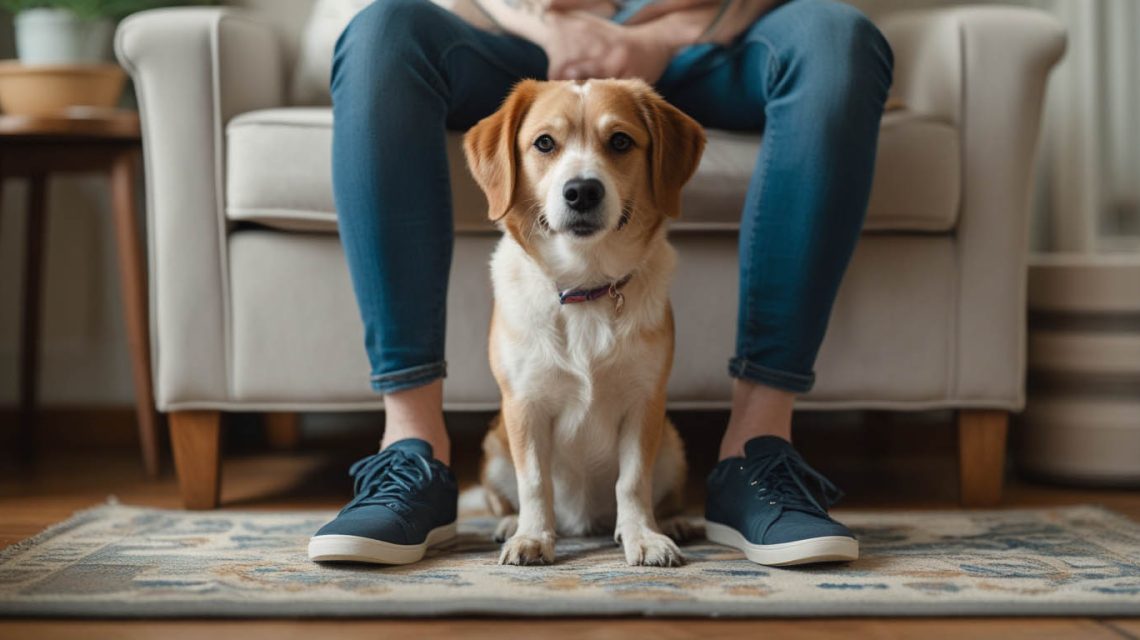
 Your dog sits on your feet because it feels safe, close, and connected to you, not because they’re trying to “dominate” you. When you start asking “why does my dog sit on my feet,” you’re really asking what this habit says about your dog’s emotions, your relationship, and whether you should change anything.
Many dog owners notice this most when they finally sit down after a long day and—boom—there’s a warm, furry weight on their toes. Let’s look at why that happens and what, if anything, you should do about it.
Why Does My Dog Sit on My Feet? Core Reasons
Most of the time, the answer to why does my dog sit on my feet comes down to a mix of affection, security, and habit.
What Is “Why Does My Dog Sit on My Feet” Behavior, Exactly?
In simple terms, this is a contact‑seeking behavior. Your dog is choosing to:
- Stay physically connected to you
- Rest where they can track your movement
- Claim a comfy, familiar spot near their favorite human
According to the American Kennel Club many dogs choose to sit on their humans or right against them as a way to show closeness and feel safe.
So if you’re wondering why does my dog sit on my feet, the first answer is usually: “because being pressed up against you feels good to them.”
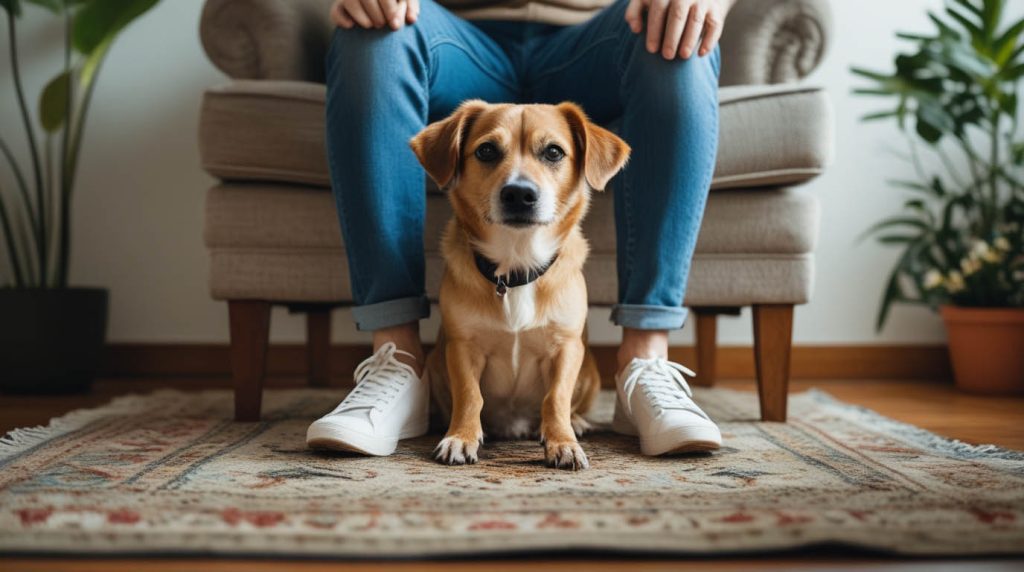
Affection and Bonding: Why Does My Dog Sit on My Feet When I Rest?
Think about where your dog goes when they have a choice. If they can:
- Sit alone on the rug, or
- Curl up on your feet at the couch
and they choose your feet, that’s a pretty clear vote.
Dogs often:
- Learn that sitting on or near your feet brings gentle petting
- Use your feet as a “portable bed” that follows them around
- Associate your scent with comfort and safety
The Human Animal Bond Research Institute has collected multiple studies showing how close contact with dogs lowers human stress; it goes both ways. That physical closeness helps dogs unwind, too.
So a big piece of why does my dog sit on my feet is simply: “they love you, and that’s where they feel calm.”
Security and Protection: Why Does My Dog Sit on My Feet Near Strangers?
Another layer of why does my dog sit on my feet shows up when:
- Guests come over
- A thunderstorm starts
- You’re in a new environment (like a hotel or friend’s house)
In those moments, sitting on your feet can mean:
- “I’m here, I’ve got you.”
- “I feel safer if I’m touching you.”
- “If you move, I want to move with you.”
The ASPCA notes that many dogs default to staying close to a trusted person when they feel uncertain or overwhelmed.
So, why does my dog sit on my feet in new or busy situations? Because you’re their anchor in a world that can feel confusing.
Is It Dominance? Why Does My Dog Sit on My Feet vs. What Social Media Says
Here’s the thing: a lot of old‑school dominance theories suggest that if your dog sits on you, they’re trying to be “alpha.” Modern behavior research—and most reputable sources like VCA Animal Hospitals—strongly challenge that oversimplified idea.
In reality, why does my dog sit on my feet almost never means:
- “I’m the boss.”
- “You’re beneath me.”
- “I’m claiming you like property.”
Instead, the behavior fits better into:
- Attachment
- Seeking reassurance
- Looking for warmth and comfort
If your dog listens to cues, shares your space politely, and doesn’t guard you aggressively from others, sitting on your feet is not a dominance problem—it’s a bonding behavior.
When to Worry About Why Does My Dog Sit on My Feet
That said, sometimes why does my dog sit on my feet can hint at something that needs attention.
Red flags include:
- Panic if they can’t reach you (whining, scratching, howling)
- Growling or snapping when other people or pets approach you
- New clinginess in a dog who used to be independent
- Other changes—lethargy, stiffness, or signs of pain
In those cases, ask whether why does my dog sit on my feet has turned into:
- Separation anxiety
- Resource guarding (guarding you like a resource)
- A comfort‑seeking response to pain or illness
If you see any of those, it’s worth speaking to your veterinarian and, if needed, a certified behavior professional.
How to Respond When You Ask “Why Does My Dog Sit on My Feet”?
How you respond depends on whether you like the behavior and whether it’s causing problems.
Step-by-Step: Using What You Know About Why Does My Dog Sit on My Feet
- Decide your boundary
- Are you okay with it sometimes? Always? Only in certain spots?
- It’s fine to enjoy it and still set limits.
- Teach an alternative cue
- Train a simple “place” or “bed” command.
- Reward your dog for going to a mat or bed near you, especially when you sit down.
- Reward calm independence
- Give treats or praise when your dog relaxes next to you, not on you.
- Occasionally toss a chew to their bed before you sit, so they practice not camping on your toes.
- Avoid mixed messages
- If you sometimes shove them away and sometimes snuggle when they sit on your feet, they’ll stay confused.
- Try to respond consistently: either invite them (“okay, up”) or send them to their spot.
In my experience, many owners are happy to let their dog sit on their feet in the evening but don’t want it during work Zoom calls. Clear cues help your dog understand when each context is okay.
Common Mistakes About Why Does My Dog Sit on My Feet
A few easy traps can make things worse:
- Reinforcing anxiety: Constantly petting and baby‑talking a worried dog on your feet when they’re scared can accidentally confirm that there is something to worry about. Comfort them, but also show calm, confident body language.
- Ignoring pain or age changes: If an older dog suddenly clings more and you wonder why does my dog sit on my feet now, don’t just chalk it up to “being sweet.” They may feel pain or confusion and need a vet check.
- Forcing snuggles: If a dog doesn’t like contact and you insist, you can create stress. Let them choose contact instead of trying to manufacture the “perfect” foot‑sitter.
Best Practices and Resources for Understanding Why Does My Dog Sit on My Feet
To handle why does my dog sit on my feet in a balanced way:
- Enjoy the closeness when it feels good to both of you.
- Keep an eye on changes in frequency or intensity.
- Build simple obedience cues to give you options.
- Support your dog with enough exercise and mental enrichment so they aren’t glued to you out of boredom.
If you’d like to go deeper into “velcro dog” behavior, you might also read:
Reliable external resources include:
- AKC – Why Does My Dog Sit On Me?
- ASPCA – General Dog Behavior
- VCA – Separation Anxiety in Dogs
- AVSAB – Position Statement on Dominance
These help separate old myths from what modern behavior science actually shows.
FAQ: Quick Answers About Why Does My Dog Sit on My Feet
Q1: Why does my dog sit on my feet and lean on me?
That’s usually a mix of affection and seeking security. They might be saying, “I trust you” and “I feel safer with you right here.”
Q2: Why does my dog sit on my feet when I’m on the toilet or at my desk?
Bathrooms and desks are predictable “you’re not moving for a while” spots. Your dog has learned it’s a good time to settle in and be close.
Q3: Why does my dog sit on my feet and growl at others?
This can be a resource‑guarding issue—your dog may be guarding you. That’s not just cute; it’s a behavior to address with a professional trainer or behaviorist.
Q4: Why does my rescue dog sit on my feet more than my other dog?
Rescue dogs often latch on strongly to their new person. Your feet may feel like a safe, guaranteed comfort zone while they adjust.
Q5: Should I stop my dog from sitting on my feet?
Not unless it bothers you, causes guarding, or stems from anxiety. If it’s just a cozy, mutual choice, there’s no harm in enjoying it.
Conclusion: Making Sense of “Why Does My Dog Sit on My Feet”
At the end of the day, “why does my dog sit on my feet” usually reflects one of the biggest compliments your dog can give you: they feel safest and happiest when they’re pressed right up against you. Sometimes it’s pure affection; sometimes it’s a coping strategy for stress or discomfort. Your job is to read the context.
Over the next week, notice when your dog does it. Is it mainly during relaxed family time, or in tense moments like storms and arguments? Do they seem calm or worried? If it feels like love and routine, you can embrace it—or set gentle boundaries—without guilt. If it feels like anxiety, pain, or sudden change, that’s your cue to involve your veterinarian or a qualified trainer.
Most importantly, use this little behavior as an invitation to get curious. The more you understand why your dog chooses your feet as their favorite spot, the easier it becomes to give them exactly what they need: comfort, clarity, and a relationship built on trust—not just proximity.
