

 animalzoid
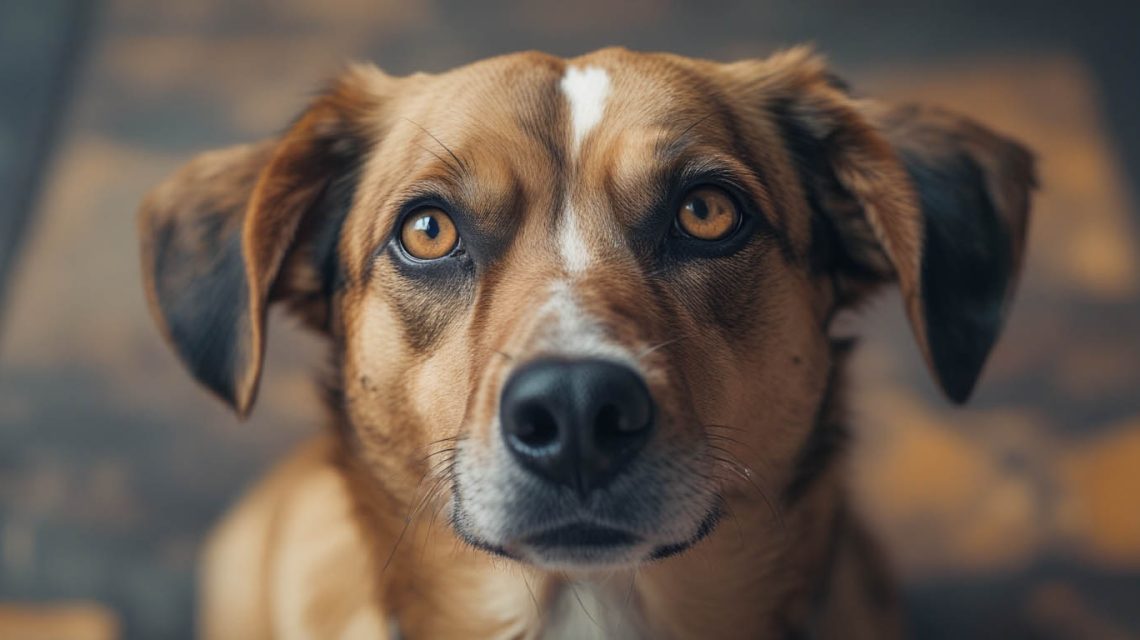
 You’re not wrong to wonder “why does my dog avoid eye contact” when they quickly look away every time you meet their gaze. Dogs avoid eye contact for normal canine reasons—like politeness and calm signals—but also because of fear, stress, or past negative experiences.
Understanding which one applies to your dog is the key to helping them feel safer and more connected to you.
What Does “Why Does My Dog Avoid Eye Contact” Really Mean?
In human culture, eye contact often shows honesty and connection. In dog culture, it’s more complicated. A direct, hard stare between dogs can mean:
- Challenge or threat
- Guarding a resource
- Rising tension
So when you ask why does my dog avoid eye contact, part of the answer is that your dog may be saying:
“I’m no threat. I’m trying to keep things peaceful.”
The American Kennel Club explains that soft eyes and brief glances are normal; long, fixed staring can be confrontational in dog language.
Body Language Behind Why Does My Dog Avoid Eye Contact
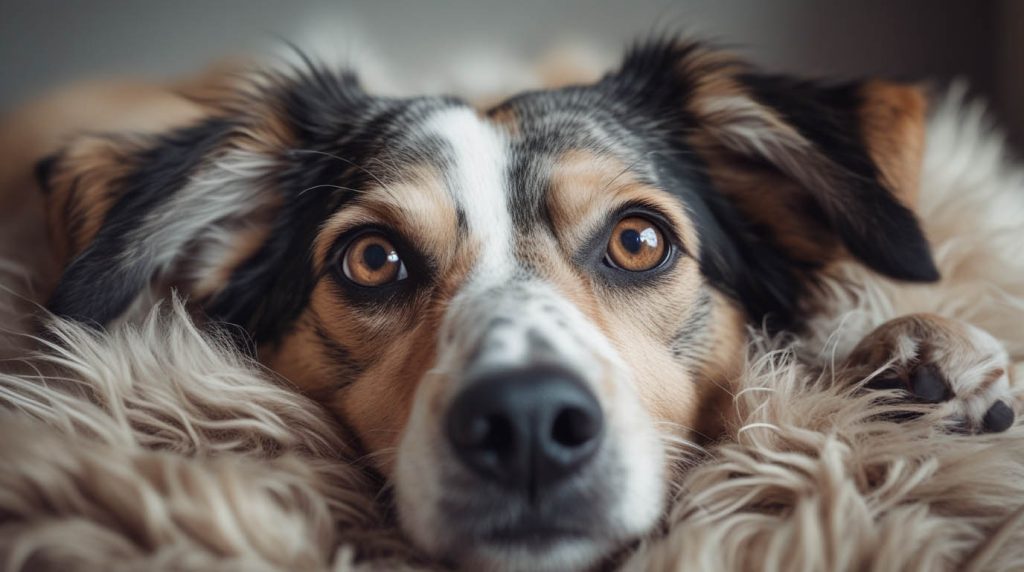
Avoided eye contact rarely stands alone. Look at the rest of their body when you ask why does my dog avoid eye contact:
- Relaxed dog: loose body, soft tail wags, brief gaze then look away → polite, calm
- Unsure dog: ears back, lip licking, yawning, shifting weight → mild stress
- Scared dog: tail tucked, crouched posture, possible shaking → fear and appeasement
In my experience, many owners interpret avoided eye contact as “guilt.” In reality, your dog is more likely responding to your tone or posture, not reflecting on their moral choices.
Why Does My Dog Avoid Eye Contact in Normal Canine Culture?
Why Does My Dog Avoid Eye Contact to Show Respect or Calm?
Among dogs, breaking eye contact can be a calming signal. If your dog looks away when you lean over them or raise your voice, asking why does my dog avoid eye contact has a gentle answer:
- They’re trying to diffuse tension
- They’re showing they’re not looking for conflict
- They’re reading your intensity and responding politely
The ASPCA notes that turning the head or eyes away is a common canine way of saying, “Let’s keep things cool.”
So, a confident, well‑socialized dog may still avoid long eye contact—and that can be completely healthy.
Why Does My Dog Avoid Eye Contact When Feeling Unsure?
Sometimes, though, why does my dog avoid eye contact comes from uncertainty:
- New environment or people
- Loud voice or sudden movements
- Inconsistent past responses from you
If your dog’s history with humans is patchy, they may have learned that eye contact sometimes precedes scolding or punishment. Looking away is their way of saying, “Please be kind. I’m not sure what will happen.”
This often shows up alongside other clingy or cautious behaviors, like:
All of these paint a picture of a dog who values you but is a little anxious about doing the wrong thing.
Why Does My Dog Avoid Eye Contact Because of Fear or History?
Why Does My Dog Avoid Eye Contact If Previously Punished?
If a dog has been:
- Yelled at aggressively
- Hit or intimidated
- Forced into prolonged eye contact as “discipline”
then why does my dog avoid eye contact can be heartbreakingly simple: they’re bracing for something bad.
The VCA Animal Hospitals articles on fear prevention explain that harsh punishment can make dogs avoidant and shut down.
Signs this might be at play:
- Your dog ducks their head or slinks away when you look at them
- They freeze or tremble under your gaze
- They’re especially reactive to raised hands or objects
In these cases, your goal isn’t to “demand respect.” It’s to rebuild trust so that eye contact feels safe again.
Why Does My Dog Avoid Eye Contact Due to Trauma or Lack of Socialization?
Dogs who:
- Spent little time with humans as puppies
- Lived in shelters or hoarding situations
- Had minimal positive handling
may not understand that eye contact can be part of a warm relationship. When you ask why does my dog avoid eye contact with a dog like this, the answer often is:
“They don’t really know how to interact with people yet.”
These dogs benefit from:
- Slow, gentle exposure to humans
- Consistent routines
- Pairing your presence and voice with good things (food, play, affection)
Over time, many will start to offer brief, soft eye contact on their own.
Why Does My Dog Avoid Eye Contact and Should You Worry?
Red Flags When Why Does My Dog Avoid Eye Contact Signals a Problem
Avoided eye contact is a concern if it’s paired with:
- Sudden change in behavior (used to make eye contact, now avoids)
- Other fear or aggression signs—growling, snapping, hiding
- Lethargy, loss of interest, or other health changes
Sometimes, dogs in pain or feeling sick avoid interaction, including eye contact. The AVMA also highlights that fear‑based body language (looking away, stiff posture) can precede bites if dogs feel cornered.
If why does my dog avoid eye contact is new and combined with other worrying signs, a vet and possibly a behavior consult are good next steps.
How to Respond When You Ask Why Does My Dog Avoid Eye Contact
Step-by-Step Training for Why Does My Dog Avoid Eye Contact
You can help your dog feel better about eye contact by making it their choice and pairing it with rewards.
Try this:
- Start indirectly
- Sit sideways to your dog rather than facing head‑on.
- Avoid looming over them.
- Mark tiny glances
- When your dog glances toward your face, say “yes” or click (if you use a clicker).
- Toss a treat gently to them.
- Don’t stare back; keep your own gaze soft.
- Build duration slowly
- Over sessions, wait for slightly longer eye contact before you mark and treat.
- Keep sessions short and upbeat.
Over time, the answer to why does my dog avoid eye contact can shift from “because it feels risky” to “actually, this predicts treats and affection.”
Common Mistakes to Avoid With Why Does My Dog Avoid Eye Contact
- Forcing eye contact
- Holding your dog’s head or staring intensely can feel threatening.
- Interpreting avoidance as “guilt”
- Dogs aren’t reflecting on right and wrong in the human sense—they’re reacting to your cues and their own experiences.
- Pushing too hard, too fast
- Flooding shy or fearful dogs with constant attention often backfires.
Instead, give your dog space, invite interaction, and use calm consistency.
Tools & Resources for Understanding Why Does My Dog Avoid Eye Contact
Helpful external resources:
- AKC – Reading Dog Body Language
- ASPCA – Fear & Anxiety in Dogs
- VCA – Socialization & Fear Prevention
Internal guides that pair well with why does my dog avoid eye contact:
These help you see eye contact avoidance as one piece of your dog’s broader emotional puzzle.
FAQ: Quick Answers About Why Does My Dog Avoid Eye Contact
Q1: Why does my dog avoid eye contact only with me?
If it’s just with you, think about your past interactions. Have you scolded or stared at them a lot? They may associate your gaze with tension.
Q2: Why does my dog avoid eye contact but still follow me around?
They likely adore you but feel a bit insecure. Following you shows attachment; looking away shows politeness or mild anxiety.
Q3: Why does my dog avoid eye contact when I’m angry?
Dogs read tone and posture quickly. Looking away is an appeasement gesture: “I don’t want trouble.”
Q4: Is it bad if my dog never looks me in the eyes?
Not necessarily. Some dogs are just more reserved. As long as they’re otherwise happy and engaged, it’s often just their style.
Q5: Can training change why my dog avoids eye contact?
Yes, gentle reward‑based training can make eye contact feel safer and more positive over time.
Conclusion: Making Peace With “Why Does My Dog Avoid Eye Contact”
When you really listen, “why does my dog avoid eye contact” is a question about trust, culture, and history—not obedience. In dog body language, looking away can mean “I respect you,” “I’m nervous,” or “I’ve been hurt before when people stared at me.” It almost never means “I don’t love you.”
Your best next steps are:
- Watch the whole body, not just the eyes.
- Reflect honestly on your dog’s past experiences and your current interactions.
- Use gentle, reward‑based training to make eye contact feel safe—not required.
- Involve your veterinarian or a behavior professional if fear, aggression, or sudden changes appear.
When you respond to why does my dog avoid eye contact with patience instead of pressure, you give your dog something far more valuable than eye contact—you give them the space to trust you on their own terms. And that’s the kind of connection that matters most.

 Why Does My Dog Dig on the Bed? Common Reasons Explained
  Why Is My Dog Barking at Nothing? Common Reasons and What to Do
  Understanding Canine Body Language – A Complete Guide