

 animalzoid
 Why do dogs eat so fast? Dogs speed-eat primarily because of deeply rooted survival instincts, competitive feeding experiences, hunger, and anxiety around food availability. If you’ve ever set your dog’s bowl down only to find it completely empty 15 seconds later, you know exactly how alarming—and honestly, slightly impressive—canine speed eating looks. Pet owners across the United States constantly search for answers to why do dogs eat so fast, and the reasons behind this behavior run much deeper than simple greediness.
In this guide, I’ll explain the evolutionary roots of speed eating, outline the genuine health dangers involved, and share practical solutions that transform chaotic mealtimes into calm, healthy experiences.
The Evolutionary Answer to Why Do Dogs Eat So Fast
Understanding your dog’s ancestry provides the most fundamental explanation for speed eating. Modern dogs descended from wolves, and wolves absolutely did not have the luxury of leisurely meals.
Wolf Ancestry Explains Why Dogs Eat So Fast
In the wild, wolves hunt cooperatively but eat competitively. Once a pack takes down prey, every member rushes to consume as much as possible before dominant pack members push them aside. Lingering over food meant getting less—or potentially nothing at all.
This survival programming remains deeply embedded in your dog’s DNA even though their dinner arrives in a stainless steel bowl on a predictable schedule. Their brain still fires ancient signals saying “eat now or lose it.” Consequently, your perfectly pampered Labrador inhales kibble like it’s their last meal on earth—because thousands of years of evolution tell them it might be.
Here’s the thing—dogs also evolved as scavengers alongside early humans. Scavengers survive by eating whatever they find as quickly as possible before another animal claims it. This dual evolutionary pressure—competitive pack feeding plus opportunistic scavenging—created a species fundamentally wired for speed eating.
Early Life Experiences Shape Why Dogs Eat So Fast
Beyond genetics, your individual dog’s early life dramatically influences eating speed. Puppies who competed with large litters for limited food learned to eat fast or go hungry. Similarly, rescue dogs who experienced food scarcity, irregular feeding, or shelter environments often develop deeply ingrained speed-eating habits.
According to veterinary behaviorists, dogs adopted from shelters eat significantly faster on average than dogs raised in single-puppy households. That competitive conditioning becomes hardwired during critical developmental periods and persists long after food insecurity ends.
I’ve found that former street dogs and shelter rescues sometimes take 6–12 months of consistent, predictable feeding before their eating speed noticeably decreases. Patience during this adjustment period truly makes all the difference. For puppy-specific speed eating concerns, our detailed guide on why does my puppy eat so fast explores age-related factors in depth.
Medical Reasons Why Dogs Eat So Fast
While behavior and instinct drive most cases, certain medical conditions also explain why do dogs eat so fast seemingly out of nowhere.
Underlying Health Issues That Increase Eating Speed
If your dog’s eating speed changed suddenly rather than gradually, consider these medical possibilities:
- Intestinal parasites — Worms steal nutrients from your dog’s digestive system, creating genuine hunger that drives frantic eating. The Companion Animal Parasite Council estimates that intestinal parasites affect millions of U.S. dogs annually.
- Diabetes — Inability to process glucose properly leaves cells starving for energy despite adequate food intake, dramatically increasing appetite.
- Cushing’s disease — Excess cortisol production causes ravenous hunger and significant behavior changes around food.
- Malabsorption disorders — Conditions preventing proper nutrient absorption leave dogs perpetually hungry regardless of how much they consume.
- Thyroid imbalances — Hypothyroidism or hyperthyroidism can both alter appetite and eating behavior noticeably.
💡 Important Note: If your dog recently started eating dramatically faster than usual—especially alongside weight changes, increased thirst, or altered energy levels—schedule a veterinary examination promptly. Sudden behavioral shifts around food frequently indicate an underlying medical condition requiring treatment.
Our comprehensive article on signs your dog needs emergency vet care helps you recognize when behavioral changes signal something serious.
The Real Dangers of Why Dogs Eat So Fast
Understanding why do dogs eat so fast matters because the consequences of unchecked speed eating range from uncomfortable to genuinely life-threatening.
Bloat: The Most Dangerous Risk
Gastric dilatation-volvulus (GDV)—commonly called bloat—represents the most serious danger associated with rapid eating. When dogs gulp food, they simultaneously swallow massive amounts of air. This trapped air can cause the stomach to expand dangerously and potentially twist on itself, cutting off blood supply.
The American College of Veterinary Surgeons reports bloat carries mortality rates up to 30% even with emergency surgical intervention. Large, deep-chested breeds—Great Danes, German Shepherds, Standard Poodles, Dobermans, and Boxers—face the highest risk, but bloat can affect any breed.
Choking and Gagging Hazards
Dogs who don’t chew their food adequately risk choking on large kibble pieces or food chunks. Speed eating also triggers frequent gagging episodes during or immediately after meals. If your dog regularly gags during eating, our guide on why does my dog keep gagging but not throwing up covers related causes and solutions thoroughly.
Vomiting and Digestive Distress
Swallowing unchewed food overwhelms the stomach’s processing capacity. The body’s quickest solution? Ejecting everything right back up. Speed-eating dogs frequently vomit within minutes of finishing their meal, losing nutrition and creating an unpleasant cycle of eating, vomiting, and hunger.
Additionally, excess swallowed air causes painful gas, uncomfortable bloating, and digestive cramping that leaves your dog visibly miserable after every single meal.
Why Do Dogs Eat So Fast in Multi-Pet Households?
Competition amplifies speed eating dramatically. If you have multiple dogs—or even cats—eating in the same area, resource competition kicks your dog’s survival instincts into overdrive.
| Household Setup | Speed Eating Risk | Solution |
|---|---|---|
| Single dog, fed alone | Low to moderate | Standard slow-feeder |
| Multiple dogs, same room | High | Separate feeding rooms |
| Dogs and cats together | Very high | Completely isolated feeding |
| New pet recently added | Extremely high | Supervised separated meals |
In my experience, simply feeding dogs in separate rooms with closed doors between them reduces eating speed by 30–50% almost immediately. Your dog can’t compete with an opponent they can’t see, hear, or smell nearby.
Proven Solutions for Dogs That Eat So Fast
Now that you fully understand why do dogs eat so fast, let’s tackle practical solutions that produce real results starting today.
Best Tools to Slow Down Dogs That Eat So Fast
- Slow-feeder bowls — Maze-style designs force dogs to work around ridges and obstacles, extending mealtime from seconds to 5–10 minutes. These remain the single most effective intervention available.
- Puzzle feeders — Interactive toys that dispense food as your dog manipulates them combine mental stimulation with dramatically slower eating.
- Snuffle mats — These fabric mats hide kibble within textile folds, engaging your dog’s natural foraging instincts and slowing consumption significantly.
- Muffin tin feeding — Distribute small portions across muffin tin cups for a free, instant slow-feeder solution already sitting in your kitchen.
- Lick mats with wet food — Spreading wet food across a textured lick mat forces slow, methodical licking rather than gulping.
- Large ball in the bowl — Place a clean ball larger than your dog’s mouth in the center of their food bowl, forcing them to eat around it.
Feeding Strategy Changes That Help
- Divide meals into 3–4 smaller portions instead of 2 large ones
- Feed on a consistent schedule to build mealtime confidence
- Add water to kibble making it harder to gulp rapidly
- Hand-feed during training sessions combining obedience work with slower eating
- Elevate food bowls slightly to improve swallowing mechanics
- Remove competing pets from the feeding area completely
💡 Quick Win: A $15 slow-feeder bowl resolves speed eating for approximately 70% of dogs without needing any additional changes. Start there first.
For broader nutritional guidance, our article on best dog foods for overall health recommends options that support both digestive wellness and oral health simultaneously.
Common Mistakes Owners Make When Dogs Eat Fast
Knowing why do dogs eat so fast helps, but avoiding counterproductive responses matters just as much. These common mistakes actually worsen the behavior.
Pulling the bowl away mid-meal — This creates food anxiety and resource guarding, making your dog eat even faster next time to “protect” their meal. Instead, add treats to the bowl during meals to build positive associations.
Scolding or punishing during eating — Negative attention increases mealtime stress, which directly accelerates eating speed. Keep mealtimes calm and pressure-free.
Free-feeding all day — Leaving food available constantly seems logical but prevents development of healthy mealtime structure. Dogs thrive on predictable feeding routines.
Assuming they’ll outgrow it — Without intervention, most speed-eating dogs maintain the habit permanently. Proactive solutions during early stages work far better than passive hoping.
For related behavioral concerns around food, our guide on why does my puppy eat so fast addresses age-specific factors and puppy-focused solutions.
Why Do Dogs Eat So Fast Even When They’re Not Hungry?
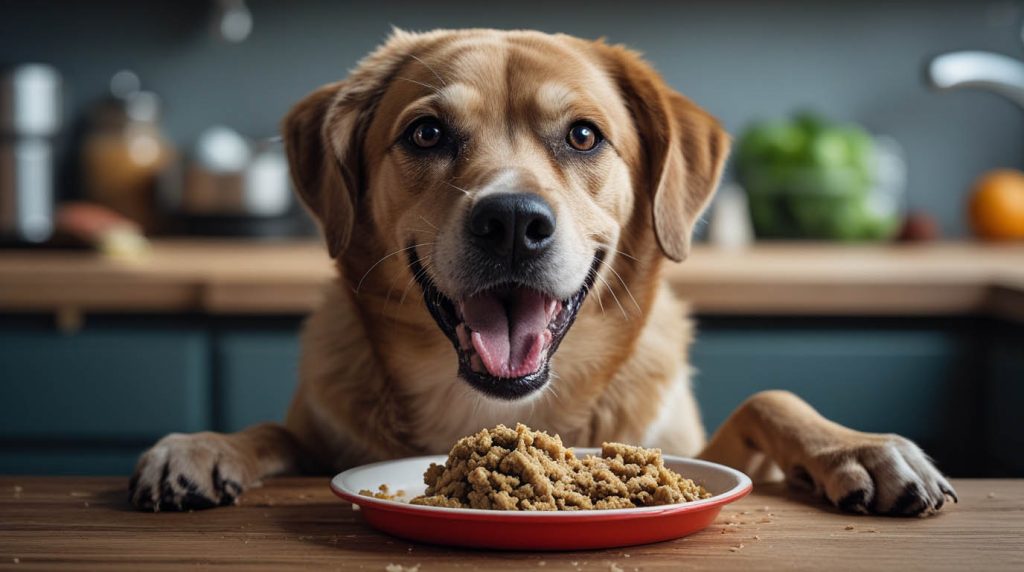
This question puzzles many owners. If your dog just ate a treat five minutes ago and still vacuums their dinner, understand that hunger doesn’t actually drive most speed eating. The behavior operates independently from actual caloric need.
Your dog’s brain responds to food presence—not food quantity or hunger level—with urgency signals rooted in evolutionary programming. Whether genuinely hungry or completely satisfied, the sight and smell of food triggers those ancient “eat fast” circuits automatically.
This explains why do dogs eat so fast regardless of meal size, treat history, or feeding frequency. Addressing the mechanism of eating through slow-feeders and environmental changes works far more effectively than simply adjusting portions.
Frequently Asked Questions
Why do dogs eat so fast and then throw up?
Speed eating causes dogs to swallow large unchewed pieces and excessive air simultaneously. The overwhelmed stomach ejects contents almost immediately as a protective response. Slow-feeder bowls typically eliminate post-meal vomiting within the first few uses.
Are certain breeds more likely to eat fast?
Yes. Labrador Retrievers, Golden Retrievers, Beagles, and Pugs rank among the fastest-eating breeds. Research from the University of Cambridge identified a specific gene mutation in Labradors (POMC gene) that drives increased food motivation and eating speed.
Why do dogs eat so fast but cats don’t?
Cats evolved as solitary hunters who eat small prey throughout the day. Dogs evolved as pack animals competing for shared kills. These fundamentally different evolutionary strategies explain the dramatic difference in eating behavior between species.
Can speed eating cause long-term health problems?
Absolutely. Chronic speed eating increases lifetime risk of bloat, contributes to obesity from poor satiety signaling, causes chronic digestive inflammation, and accelerates dental problems from inadequate chewing. Addressing it early prevents these cumulative consequences.
Why do dogs eat so fast when they have their own bowl?
Having their own bowl doesn’t override evolutionary programming. The instinct to eat quickly operates independently from actual competition. Dogs need environmental modifications—like slow-feeders—that physically prevent speed eating regardless of their feeding situation.
Conclusion
So why do dogs eat so fast? The answer weaves together thousands of years of evolutionary survival programming, competitive pack-feeding instincts, early-life experiences, and sometimes underlying medical conditions driving heightened hunger. While the behavior feels natural and even amusing to watch, the health consequences—including choking, chronic vomiting, painful gas, and potentially fatal bloat—make addressing speed eating genuinely important for every dog owner.
The solutions are refreshingly simple and affordable. A quality slow-feeder bowl alone resolves the majority of cases almost instantly. Supplementing with puzzle feeders, separated feeding areas, divided meal portions, and consistent schedules reinforces healthier habits that protect your dog’s digestive system throughout their entire life.
Take action right now—tonight’s dinner is your starting point: Grab a muffin tin from your kitchen, divide your dog’s regular portion across the cups, and time how long they take to finish compared to their normal bowl. You’ll witness an immediate, dramatic difference. Then invest in a proper slow-feeder bowl this week and make it a permanent fixture at mealtime. Your dog’s stomach, esophagus, and long-term health depend on this simple change. Slower meals mean safer meals—and your dog deserves both. 🐾
