

 animalzoid
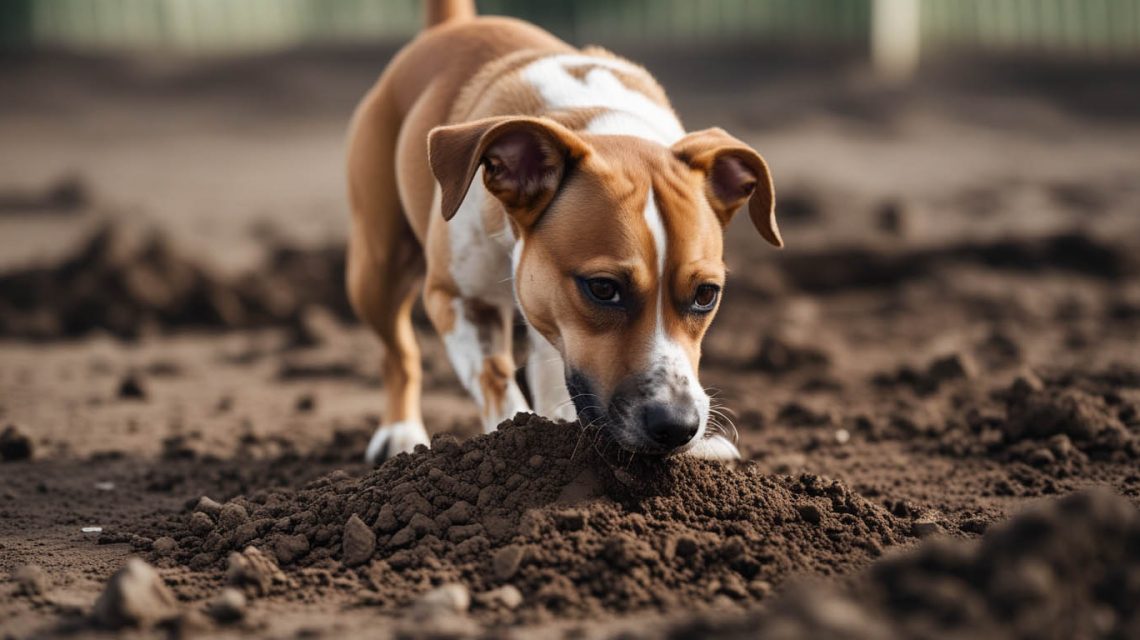
 Why do dogs eat dirt? Dogs consume dirt primarily because of nutritional deficiencies, gastrointestinal discomfort, boredom, anxiety, or deeply rooted scavenging instincts passed down from their wild ancestors. If you’ve ever watched your dog shove their face into a garden bed and chomp down on mouthfuls of soil, you know exactly how alarming—and frankly, disgusting—this behavior looks. Pet owners across the United States search for answers to why do dogs eat dirt every single day, and the causes behind this puzzling habit range from completely harmless exploration to potentially serious medical conditions.
In this guide, I’ll break down every major reason behind dirt eating, explain the genuine health risks your dog faces, and share proven strategies that stop this messy behavior at its source.
Understanding the Behavior: Why Do Dogs Eat Dirt
Before diagnosing the problem, let’s clarify what veterinarians actually mean when they discuss dirt eating. The clinical term for consuming non-food substances—including dirt, rocks, and sand—is “pica.” Occasional soil licking during outdoor exploration represents normal canine curiosity. However, deliberate, repeated dirt consumption crosses into pica territory and warrants investigation.
Here’s the thing—context matters enormously when evaluating this behavior. A puppy tasting soil during their first backyard adventure behaves completely differently from an adult dog who compulsively seeks out and devours dirt daily. The frequency, volume, and circumstances surrounding the behavior determine whether you’re dealing with harmless curiosity or a genuine medical concern.
The Most Common Causes Explaining Why Do Dogs Eat Dirt
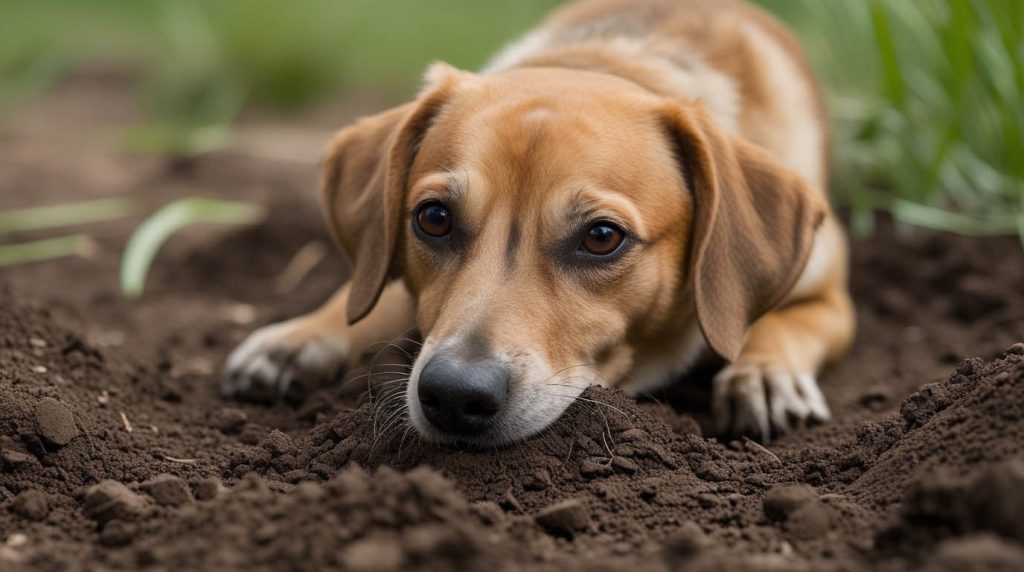
Multiple factors answer why do dogs eat dirt, and identifying the correct one determines the most effective solution. Let’s examine each major trigger carefully.
Mineral Deficiencies Are a Top Reason Why Do Dogs Eat Dirt
The most widely recognized medical explanation involves nutritional gaps in your dog’s diet. When essential minerals—particularly iron, calcium, zinc, and phosphorus—drop below adequate levels, dogs instinctively seek alternative sources. Soil naturally contains trace minerals, and your dog’s body may drive them toward dirt as a primitive supplementation strategy.
According to veterinary nutritionists, dogs fed unbalanced homemade diets, bargain-brand commercial foods, or inappropriately restricted diets face the highest deficiency risk. The Association of American Feed Control Officials (AAFCO) sets nutritional standards that quality dog foods must meet—yet many budget options barely scrape by.
I’ve found that switching to a premium, AAFCO-certified food resolves deficiency-driven dirt eating for roughly 40% of affected dogs within just 2–3 weeks. Our guide on best dog foods for overall health recommends nutritionally complete options that prevent common mineral shortfalls.
Digestive Discomfort Drives Why Do Dogs Eat Dirt
Dogs experiencing nausea, acid reflux, or stomach pain frequently eat dirt as a self-soothing mechanism. The soil’s gritty texture and mineral content may help neutralize excess stomach acid or coat an irritated digestive tract—providing temporary relief from internal discomfort.
Watch for these accompanying symptoms:
- Eating dirt alongside excessive grass eating
- Lip licking, gulping, or excessive swallowing
- Decreased appetite or complete food refusal
- Vomiting or diarrhea following dirt consumption
- Audible stomach gurgling before seeking dirt
When digestive issues drive the behavior, addressing the underlying stomach problem eliminates dirt eating automatically. Our article on why does my dog keep gagging but not throwing up explores related gastrointestinal symptoms frequently accompanying dirt-eating patterns.
Boredom and Anxiety Explain Why Do Dogs Eat Dirt Behaviorally
Not every case traces back to medical causes. Boredom, understimulation, and anxiety drive a substantial percentage of dirt-eating cases—especially in high-energy breeds who don’t receive adequate physical exercise or mental enrichment daily.
Dogs left alone in yards for hours with nothing constructive to do often develop repetitive behaviors like dirt eating simply because soil provides multi-sensory stimulation. The texture, taste, smell, and digging activity create an engaging experience in an otherwise boring environment.
Additionally, dogs experiencing separation anxiety or significant household disruptions sometimes develop compulsive dirt eating as a coping mechanism—functioning similarly to stress-eating in humans.
Why Do Dogs Eat Dirt From Specific Locations?
If your dog targets one particular spot while ignoring soil elsewhere, something specific about that location attracts them.
Environmental Triggers Behind Why Do Dogs Eat Dirt Selectively
Common location-specific attractants include:
| Attractant | Why It Draws Dogs | Risk Level |
|---|---|---|
| Bone meal fertilizer | Smells like food to dogs | Moderate (GI upset) |
| Compost areas | Decomposing organic matter attracts scavengers | High (toxicity, mold) |
| Animal urine/feces spots | Investigation instinct drives consumption | High (parasites) |
| Mineral-rich soil deposits | Deficient dogs detect mineral concentrations | Low |
| Pesticide-treated areas | Chemical scents sometimes attract curious dogs | Very High (toxicity) |
⚠️ Critical Warning: Soil treated with pesticides, herbicides, slug bait, or cocoa mulch poses serious poisoning risks. If your dog consumes chemically treated dirt, contact your veterinarian or the ASPCA Animal Poison Control Center (888-426-4435) immediately.
Why Do Dogs Eat Dirt Suddenly as Adults?
Sudden onset dirt eating in previously uninterested adult dogs carries significant diagnostic importance. When a dog who never touched dirt suddenly starts consuming it, something has changed internally.
Medical Conditions That Cause Dogs to Eat Dirt Suddenly
Several serious health conditions trigger sudden dirt-eating behavior:
- Anemia — Iron deficiency drives desperate mineral-seeking behavior. Look for pale gums, weakness, and unusual lethargy alongside dirt consumption.
- Inflammatory bowel disease — Chronic gastrointestinal inflammation creates persistent discomfort that dogs attempt to soothe through dirt eating.
- Intestinal parasites — Worms steal nutrients from the digestive tract, creating deficiencies that drive compensatory dirt consumption. The Companion Animal Parasite Council reports parasitic infections affect millions of dogs across the U.S. annually.
- Exocrine pancreatic insufficiency — The pancreas fails to produce adequate digestive enzymes, preventing proper nutrient absorption despite adequate food intake.
- Liver disease — Metabolic imbalances alter cravings and drive unusual consumption patterns.
In my experience, sudden dirt eating in adult dogs warrants bloodwork and a fecal examination as a first diagnostic step. These straightforward tests quickly rule out or confirm the most common medical culprits. For veterinary scheduling guidance, our article on how often should you take your dog to the vet outlines recommended checkup frequencies by age.
Why Do Dogs Eat Dirt as Puppies?
Puppies explore absolutely everything through their mouths—and dirt ranks among their earliest investigation targets.
Normal Exploration vs. Compulsive Behavior
Young puppies taste, chew, and mouth virtually every substance they encounter during their first year of life. Sampling dirt represents normal developmental exploration rather than a medical concern in most cases. The behavior typically peaks between 3–8 months and decreases naturally as puppies mature.
However, persistent, compulsive dirt eating in puppies—especially alongside consuming rocks, fabric, or other non-food items—warrants veterinary evaluation to rule out nutritional deficiencies or gastrointestinal problems developing early.
Teething puppies between 3–6 months sometimes chew dirt because the cool, gritty texture provides temporary relief for inflamed, erupting gums. This pattern resolves naturally once adult teeth fully emerge. Our comprehensive guide on essential first-year puppy care tips covers teething management alongside other critical developmental milestones.
The Real Health Risks When Dogs Eat Dirt Regularly
Understanding why do dogs eat dirt matters significantly because regular dirt consumption carries genuine, escalating health dangers.
Specific Dangers of Dogs Eating Dirt
- Intestinal parasites — Soil commonly harbors roundworm eggs, hookworm larvae, and other parasites that infect dogs immediately upon ingestion
- Pesticide and chemical poisoning — Treated soil exposes dogs to potentially lethal toxins
- Intestinal blockage — Large volumes of clay-heavy soil compact inside the digestive tract, creating dangerous obstructions requiring surgical intervention
- Dental damage — Rocks, gravel, and sharp debris mixed in soil crack teeth, damage enamel, and lacerate gums
- Bacterial infections — Soil-borne bacteria including leptospirosis, tetanus, and various pathogenic organisms pose serious infection risks
- Choking hazards — Embedded rocks and sticks create airway obstruction risks during rapid consumption
💡 Simple Rule: Occasional dirt licking = monitor casually. Deliberate, repeated dirt eating = schedule a veterinary appointment promptly.
Proven Solutions to Stop Dogs From Eating Dirt
Now that you fully understand why do dogs eat dirt, let’s tackle practical solutions addressing the behavior at its root cause.
Step-by-Step Strategies That Actually Work
- Upgrade to premium nutrition — Switch to a high-quality, AAFCO-certified dog food meeting complete nutritional standards. This addresses mineral deficiencies driving many dirt-eating cases.
- Increase daily exercise — Tired dogs eat dramatically less dirt. Add 20–30 extra minutes of vigorous physical activity daily.
- Boost mental stimulation — Puzzle feeders, snuffle mats, Kong toys, and structured training sessions combat boredom-driven dirt eating effectively.
- Supervise all outdoor time — During the retraining period, maintain direct supervision and redirect immediately when your dog approaches dirt.
- Train a bulletproof “leave it” command — Invest time in teaching a reliable “leave it” cue with generous rewards for compliance. This provides your most powerful real-time intervention tool.
- Address underlying anxiety — If stress drives the behavior, identify and reduce environmental stressors. Consider consulting a certified animal behaviorist for persistent anxiety cases.
- Schedule veterinary bloodwork — Rule out medical causes through comprehensive blood panels and fecal testing before assuming purely behavioral origins.
- Restrict access to problem areas — Fence off garden beds, cover exposed soil with decorative rock or ground cover, and block compost access completely.
For dogs whose dirt eating connects to broader food-seeking behaviors, our guide on why does my dog hide food explores related instinctive patterns and practical management strategies. Additionally, our article on why do dogs bury their treats covers similar soil-related instinctive behaviors.
Common Mistakes Owners Make About Dogs Eating Dirt
Knowing why do dogs eat dirt helps, but avoiding counterproductive responses matters equally.
Punishing the behavior — Scolding or physically correcting your dog for eating dirt increases anxiety, which frequently worsens compulsive consumption rather than eliminating it.
Assuming it’s “just a phase” — While puppies often outgrow exploratory dirt tasting, adult dogs rarely stop without intervention addressing the underlying cause.
Restricting outdoor access entirely — Eliminating all outdoor time removes the symptom without addressing the cause, while simultaneously depriving your dog of essential exercise and mental stimulation.
Ignoring accompanying symptoms — Dirt eating alongside lethargy, weight loss, pale gums, or appetite changes indicates active medical problems requiring prompt veterinary attention—not casual monitoring.
Frequently Asked Questions
Why do dogs eat dirt every time they go outside?
Consistent dirt eating during every outdoor session strongly suggests nutritional deficiency, chronic digestive discomfort, or deeply established compulsive behavior. Veterinary bloodwork and a fecal examination should serve as your first diagnostic step.
Why do dogs eat dirt but refuse their regular food?
This concerning combination typically indicates significant nausea, gastrointestinal pain, or a medical condition making normal food unappealing while soil provides perceived digestive relief. This pattern always warrants prompt veterinary evaluation.
Why do dogs eat dirt after it rains?
Wet soil releases concentrated mineral scents and amplifies organic odors that dry conditions mask. Rain-activated earth smells dramatically more interesting—and appetizing—to dogs, particularly those with existing mineral deficiencies driving soil-seeking behavior.
Can eating dirt kill a dog?
While dirt itself rarely proves directly fatal, contaminated soil containing pesticides, toxic chemicals, sharp objects, or dangerous parasites can cause life-threatening poisoning, intestinal perforation, or severe parasitic infection. The secondary risks make regular dirt consumption genuinely dangerous.
Why do dogs eat dirt and then throw up immediately?
Dogs frequently consume dirt specifically to induce vomiting when experiencing existing nausea—similar to the well-known grass-eating behavior. If this pattern repeats regularly, an underlying gastrointestinal condition likely needs veterinary diagnosis and targeted treatment.
Conclusion
So why do dogs eat dirt? The behavior traces to a combination of nutritional deficiencies, digestive discomfort seeking relief, boredom and understimulation, anxiety-driven compulsion, natural exploratory instincts, and occasionally serious underlying medical conditions including anemia, parasitic infections, and gastrointestinal disease. While occasional soil sampling during outdoor adventures falls within normal canine curiosity, deliberate and repeated dirt consumption always deserves thorough investigation—both for the underlying cause and the genuine health risks that accompany regular soil ingestion.
The most effective approach combines dietary optimization with a premium food, significantly increased physical and mental stimulation, carefully supervised outdoor access, reliable “leave it” training, and comprehensive veterinary evaluation to confidently rule out medical triggers. Addressing the root cause eliminates the symptom far more effectively and permanently than simply blocking access to dirt.
Take action starting this week: Call your veterinarian today and schedule bloodwork plus a fecal examination. Evaluate your dog’s current food against AAFCO nutritional standards and upgrade immediately if it falls short. Add at least 20 extra minutes of daily exercise and introduce a puzzle feeder at mealtimes. Supervise all outdoor access and consistently practice “leave it” commands near dirt-accessible areas. Most dogs significantly reduce or completely stop eating dirt within 2–4 weeks once the underlying cause receives proper attention. Your garden beds—and your dog’s digestive system—will both thank you enormously. 🐾
