

 Animal Zoid Editorial Team
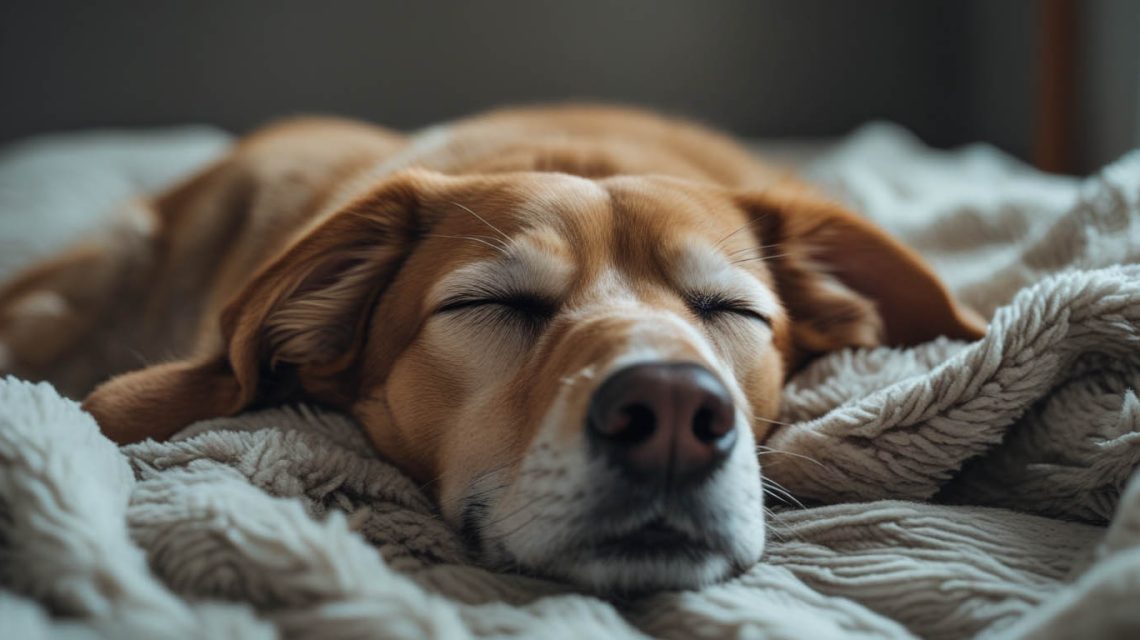
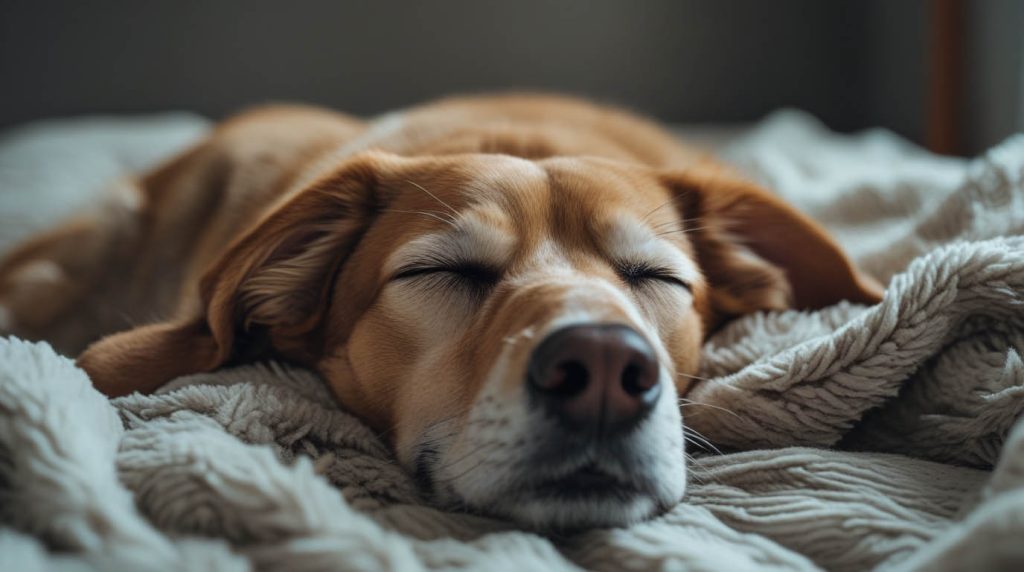
 Dogs cry in their sleep mostly because they’re dreaming, but sometimes because of pain, anxiety, or illness. Understanding which of those fits your dog helps you know when to relax and when to call your vet. “Why do dogs cry in their sleep?” is one of the most common questions vets and trainers hear from worried dog parents lying awake next to a whimpering pup.
In this guide, you’ll see what’s actually happening when dogs cry in their sleep, how to tell harmless dream noises from red-flag symptoms, common mistakes to avoid, and a step-by-step plan to help your dog sleep more comfortably.
What does “why do dogs cry in their sleep” really mean?
When someone types why do dogs cry in their sleep into a search bar, they’re usually watching a very specific scene:
- Their dog is asleep, then starts whimpering or whining
- Paws twitch or “run” in place
- Eyes move under closed lids
- Sometimes there’s a small yelp or bark
Clinically, this almost always happens during REM (rapid eye movement) sleep. Studies show that dogs spend around 10–12% of their total sleep in REM, and brain scans during this phase look a lot like human brains when we dream.
So the first layer of “why do dogs cry in their sleep” is simple: their brains are busy replaying parts of the day, and their bodies leak out a few sounds and movements. The deeper question is whether those sounds are normal or a sign something’s wrong.

Why do dogs cry in their sleep during normal dreams?
In many healthy dogs, the most accurate answer to why do dogs cry in their sleep is, “They’re dreaming normally.”
During REM sleep, the brain partly paralyzes big muscle groups so dogs don’t fully act out their dreams. However, smaller muscles still move. That’s why you see:
- Kicking or paddling legs, as if chasing something
- Twitching ears, lips, or whiskers
- Soft growls, grumbles, or whimpers
What is happening when dogs cry in their sleep?
Most experts believe dogs dream about everyday activities:
- Running at the park
- Playing with you or other dogs
- Hearing the doorbell or a familiar sound
So, that tiny cry could be your dog “talking” in a dream, not necessarily reliving trauma. If your dog wakes up, stretches, and seems relaxed, dream activity is the most likely explanation for why do dogs cry in their sleep at your house.
Quick Takeaway Tip
If your sleeping dog cries for just a few seconds, keeps a loose, relaxed body, and settles again on their own, it’s usually normal dream behavior and nothing to interrupt.
Why do dogs cry in their sleep from pain or illness?
Sometimes why do dogs cry in their sleep has a physical, not emotional, cause. When a dog lies still, hidden pain can feel sharper. That discomfort may show up as:
- Sudden cries when they roll or shift
- Repeated attempts to get comfortable
- Whimpers that stop when they stand up
Common medical reasons include:
- Arthritis or joint pain (especially in older or large-breed dogs)
- Back or neck issues, like slipped discs or muscle strain
- Ear infections that hurt more when the head rests on one side
- Digestive discomfort from gas, bloating, or nausea
According to orthopedic data, roughly 1 in 5 adult dogs develops some degree of osteoarthritis, and many of those dogs struggle most when trying to rest. In those cases, why do dogs cry in their sleep is really “my joints hurt when I lie like this.”
Red flags that crying in sleep means pain
Call your vet if sleep crying comes with:
- Limping, stiffness, or trouble with stairs
- Reluctance to jump on furniture or into the car
- Heavy panting at rest
- Changes in appetite, weight, or energy
For more detail, it can help to read resources like signs of pain in dogs or best joint supplement for senior dogs and then bring your notes to the appointment.
Why do dogs cry in their sleep because of anxiety?
Another layer of why do dogs cry in their sleep involves stress and anxiety. Just like people, anxious dogs often sleep less deeply and more restlessly.
Dogs with anxiety may:
- Whine or cry more during naps and night sleep
- Startle awake and look panicked or confused
- Cling to you or pace after waking
Common triggers for night anxiety in dogs
You’ll often see this version of why do dogs cry in their sleep when:
- The dog has separation anxiety and sleeps away from you
- There were loud noises that day (storms, fireworks, sirens)
- The dog recently moved homes or had a big routine change
- Past trauma still influences how safe they feel at night
In my experience, dogs that had a rough, noisy, or unpredictable day often dream more intensely. Their brains process that emotional overload during sleep, which can lead to more crying or twitching.
If this sounds familiar, you might also want to look at dog anxiety symptoms or treating separation anxiety for a deeper behavior plan.
Why understanding “why do dogs cry in their sleep” is essential
Understanding why do dogs cry in their sleep really matters for three big reasons:
- Early health warning
Sleep changes are often one of the first signs of hidden pain, cognitive decline, or illness. - Quality of life
Dogs that sleep poorly may feel cranky, stressed, or less able to cope with everyday life. - Stronger bond with your dog
When you respond calmly and appropriately, your dog learns that sleep is safe and that you’re reliable support.
Veterinary behaviorists frequently emphasize that “new or changing sleep behaviors” should always show up in your vet’s notes, because they can predict other medical or emotional issues.
Best practices for “why do dogs cry in their sleep”
So, what should you actually do when why do dogs cry in their sleep plays out in your living room? A few best practices make a big difference.
- Observe before you act. Don’t rush to wake your dog for every twitch.
- Keep a simple log. Note when crying happens, how long it lasts, and what your dog did that day.
- Optimize comfort. Use a supportive bed, especially for seniors or large breeds.
- Stick to routine. Regular meals, walks, and bedtime help regulate sleep cycles.
- Partner with your vet. Share your observations if anything seems new, frequent, or intense.
You can also reinforce good sleep habits using tips from how many hours should a puppy sleep or why does my dog sleep touching me?.
Step-by-step plan when your dog cries in sleep
When you hear your dog, walk through this quick checklist:
- Watch for 10–20 seconds.
Look at the whole body, not just the face. Are muscles loose or stiff? - Listen to the sound.
Soft, occasional whimpers usually mean dreaming. Sharp yelps or repeated cries might mean pain. - Use your voice, not your hands.
If your dog seems distressed, softly say their name or make a quiet noise. Startling them with touch can scare them. - Check them briefly after waking.
Do they limp, flinch when touched, or act disoriented? If so, note it and call your vet. - Update your log.
This makes patterns clear and supports better decisions later.
Tools, case studies, and future trends
Even though why do dogs cry in their sleep sounds emotional, you can use some practical tools and knowledge to handle it more confidently.
- Pet cameras: Let you review night episodes without waking your dog.
- Wearable activity trackers: Some measure restlessness and sleep quality.
- Orthopedic beds and ramps: Reduce strain on joints when lying down and standing up.
Real-world stories about why dogs cry in their sleep
Case 1: The active dreamer
A 2-year-old Border Collie cried and “ran” in his sleep almost every night. His owner worried about nightmares. A vet exam found no pain or health issues. The behavior matched normal REM sleep, and as the owner learned more about why do dogs cry in their sleep, her worry eased even though the dream sounds continued.
Case 2: The hurting senior
A 10-year-old Golden Retriever started whimpering loudly whenever he rolled onto his left side at night. He also hesitated to jump into the car. X-rays showed hip arthritis. After starting pain management and adding an orthopedic bed, his night crying dropped dramatically. In this case, why do dogs cry in their sleep revealed an important underlying problem.
Future research on why dogs cry in sleep
Researchers are beginning to explore:
- How different breeds experience REM sleep
- Links between sleep vocalizations and specific emotions
- Better ways to measure pain and anxiety through sleep patterns
As this science grows, the answers to why do dogs cry in their sleep will get even more precise, helping vets and owners catch issues earlier.
FAQ: why do dogs cry in their sleep?
1. Is it normal that my dog cries in their sleep every night?
It can be. If the crying is brief, your dog looks relaxed, and they wake up happy and pain-free, it likely reflects normal dreaming. Sudden changes or intense episodes deserve a vet check.
2. Are dogs having nightmares when they cry in their sleep?
Sometimes, yes, but not always. Many experts believe dogs dream about both fun and stressful experiences, so sounds during sleep don’t automatically mean fear.
3. Should I wake my dog when they’re crying in their sleep?
If they seem mildly vocal but loose and calm, let them sleep. If they thrash, whimper continuously, or look distressed, gently wake them with your voice and then observe how they move and behave.
4. Why does my older dog cry in their sleep more now?
Age brings joint pain, cognitive changes, and anxiety, all of which can affect sleep. New or worsening night crying in a senior dog is a strong reason to see your vet.
5. Can I completely stop my dog from crying in their sleep?
You shouldn’t try to eliminate all dream sounds. Instead, focus on comfort, pain control, a steady routine, and emotional well-being so that any crying that does happen stays brief and harmless.
Conclusion: making sense of why dogs cry in their sleep
In the end, why do dogs cry in their sleep usually has one of three answers: normal dreaming, hidden pain, or underlying anxiety. Brief, soft whimpers with relaxed body language almost always fall into the harmless dream category. Longer, intense, or suddenly changing episodes—especially with limping, confusion, or other symptoms—deserve a closer look and a conversation with your vet.
You know your dog better than anyone. If something about their sleep crying doesn’t feel right, trust that instinct, start a simple sleep log, and book a checkup. From there, adjust their routine, improve their sleeping setup, and explore resources like Dog Anxiety Treatment, best joint pain relief for dogs, and senior dog joint supplements.
Take the next step tonight: observe calmly instead of panicking, note what you see, and use that information to give your dog the safe, restful sleep they deserve.
