

 animalzoid
 Dogs bark in their sleep mostly because they are dreaming and their brain is replaying daily experiences. However, when you ask “why do dogs bark in their sleep,” the answer can also include stress, discomfort, or age‑related changes.
You’re lying in bed, half asleep, when you hear it: a tiny “woof… woof… grrr…” from the dog bed. Your pup’s paws twitch, their lips quiver, and for a second you wonder—are they chasing something in their dreams, or are they having a nightmare? In this article, we’ll break down what scientists know about dog sleep, explain normal vs. concerning sleep barking, share real‑life examples, and give you practical steps (a kind of sleep‑behavior engine optimization) to keep your dog’s nights peaceful.
What Does “Why Do Dogs Bark in Their Sleep” Really Mean?
When you wonder why do dogs bark in their sleep, you’re really asking what’s happening inside their brain at night.
Dogs go through similar sleep stages as humans:
- Light sleep (dozing)
- Deep sleep (body repair)
- REM sleep (dreaming)
Most of the barking, whimpering, or twitching happens during REM sleep. In that stage, their brain is active, even though their body stays mostly still. Researchers have shown in other mammals that dream activity replays daytime memories; most experts believe dogs do the same.
So, in many cases, the answer to why do dogs bark in their sleep is simply: they’re reliving their day—running, playing, or even practicing their “guard dog” routine—only on the inside.
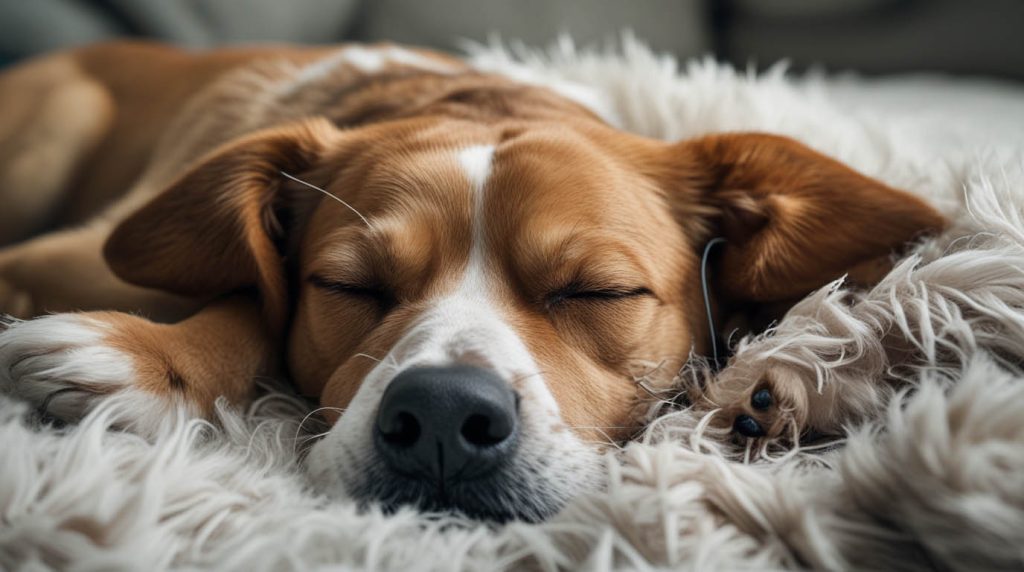
Why Do Dogs Bark in Their Sleep: Sleep Stages and Dreams
Why Do Dogs Bark in Their Sleep During REM?
To understand why do dogs bark in their sleep, you need a quick peek at REM sleep (Rapid Eye Movement).
During REM:
- The brain becomes almost as active as when awake.
- Muscles mostly relax, thanks to a safety mechanism that prevents full movements.
- Small twitches, ear flicks, tail wags, and vocalizations can still sneak through.
Puppies and young dogs spend more time in REM, so they often bark and twitch more in their sleep than adults. One commonly cited estimate is that adult dogs sleep 12–14 hours a day, and a good portion of that includes REM—plenty of time for dream barking.
If your dog gives a few quiet “woofs,” twitches a paw, and then settles again, that’s usually just normal REM dreaming.
Why Do Dogs Bark in Their Sleep More Than Others?
You might notice that some dogs hardly make a sound at night, while others seem to have a full action movie going on. Several factors can influence why do dogs bark in their sleep more or less:
- Age: Puppies and seniors often vocalize more.
- Breed: Vocal or energetic breeds (herding, hunting, guarding) may “perform” more in dreams.
- Daytime activity: Busy days can lead to busy dreams.
- Stress level: Anxious dogs might have more intense or frequent dreams.
If your dog had a big training session or a long hike, you might see more dream barking that night. It’s the brain filing away those memories.
For more on scheduling healthy rest, see our dog sleep schedule guide.
Why Do Dogs Bark in Their Sleep and When to Worry
Most of the time, you can treat why do dogs bark in their sleep as cute, harmless dream talk. Still, there are times when it deserves a closer look.
Why Do Dogs Bark in Their Sleep from Nightmares or Anxiety?
Dogs with a history of trauma, high anxiety, or recent major changes (moves, new family members, loss of a pet) can show more intense sleep behaviors:
- Repeated, urgent barking or yelping
- Whimpering that sounds distressed
- Waking up suddenly, panting or disoriented
In those cases, why do dogs bark in their sleep may be tied to emotional stress, not just happy dream play. You may also see:
- Clinginess during the day
- Startle responses to noises
- Trouble settling at night
If that sounds familiar, it’s worth reading about dog anxiety treatment and separation anxiety in dogs, since these issues often overlap.
Medical Causes Behind Why Do Dogs Bark in Their Sleep
Less commonly, health problems can be part of why do dogs bark in their sleep:
- Pain: Arthritis or injuries can make certain sleep positions uncomfortable, causing barking or whining as they shift.
- Neurological issues: Seizure disorders or age‑related cognitive changes can affect sleep behavior.
- Cognitive Dysfunction (dog dementia): Senior dogs may have restless, vocal nights, both asleep and awake.
Red flags include:
- Barking or vocalizing almost every night, especially in seniors
- Nighttime pacing, confusion, or accidents in the house
- Sudden change from quiet sleep to loud, distressed nights
Those patterns call for a vet visit and possibly an best joint supplement for senior dogs.
How to Respond When You Wonder Why Do Dogs Bark in Their Sleep
Practical Steps for Why Do Dogs Bark in Their Sleep
When you’re lying there wondering why do dogs bark in their sleep and what you should do, use this simple plan:
- Observe first, don’t rush to wake
- Quiet yips and twitches? Let them dream.
- Violent thrashing, crying, or clear distress? Gently call their name to see if they settle.
- Create a calming sleep environment
- A consistent bedtime routine
- A comfortable, supportive bed
- A quiet, dim room away from constant traffic
- Support their daytime mental health
- Daily exercise matched to their age and breed
- Training games and enrichment to burn mental energy
- Predictable feeding and walk times
Think of this as sleep‑behavior engine optimization: by fine‑tuning their daytime routine and environment, you support deeper, calmer sleep and often reduce intense dream barking.
Quick Takeaway:
If your dog barks briefly in their sleep but wakes up happy and normal, you can usually relax. If the barking is frequent, intense, or paired with other changes, call your vet.
For enrichment ideas, see our guide on fun indoor games for dogs.
Common Mistakes About Why Do Dogs Bark in Their Sleep
When people first notice why do dogs bark in their sleep, they often make a few understandable mistakes:
- Waking the dog every time they bark in sleep
This can fragment their rest and increase daytime irritability. - Shouting or startling them awake
A jerked‑awake dog may wake confused and could snap out of instinct. - Assuming it’s “bad behavior”
Sleep barking isn’t something to punish; it’s a reflex tied to brain activity. - Ignoring obvious new symptoms
Brushing off a big change in sleep sounds or movements—especially in older dogs—can delay important medical care.
Case Study: Why Do Dogs Bark in Their Sleep at Night?
Mia, a 6‑year‑old rescue mix, is a good example of how why do dogs bark in their sleep can change over time.
At first, her owners noticed occasional soft “woofs” and paddling paws. Cute, nothing worrying. Then, after they moved apartments, Mia started:
- Barking loudly in her sleep several times a week
- Waking up panting and pacing
- Clinging more during the day
In my experience, that pattern often screams “stress.” We didn’t just focus on the barking; we looked at her whole routine.
Her owners:
- Added a slow, sniffy walk every evening
- Introduced food puzzles and calming chews before bed
- Moved her bed to a quieter corner of the bedroom
Within a few weeks, the intense episodes dropped off. She still dream‑barked sometimes, but more like the occasional “chasing squirrels in my sleep” kind, not the panicked kind. The key wasn’t stopping the barking; it was reducing the underlying stress.
Future Trends in Understanding Why Do Dogs Bark in Their Sleep
As interest in canine behavior grows, researchers are digging deeper into sleep in dogs:
- How different breeds and ages cycle through REM
- Links between sleep quality and learning or training success
- Early signs of cognitive decline visible in night behavior
That means our answers to why do dogs bark in their sleep will only get more precise. For everyday dog owners in the USA, it also means better tools—from smart collars that track sleep patterns to more refined behavior plans from veterinarians and trainers.
FAQ: Quick Answers to “Why Do Dogs Bark in Their Sleep”
1. Is it normal if my dog barks in their sleep every night?
Mild, brief barking most nights can be normal, especially in active or young dogs. However, if it gets louder, more frequent, or distressed, talk to your vet.
2. Why do dogs bark in their sleep and twitch a lot?
That usually happens in REM sleep when they’re dreaming. As long as they settle afterward and seem fine awake, it’s generally harmless.
3. Should I wake my dog when they bark in their sleep?
Usually no. If they seem mildly active, let them dream. If they look truly distressed, softly say their name or make a gentle noise rather than shaking them.
4. Why do dogs bark in their sleep more after a busy day?
A big day means lots of memories to process. Their brain may “replay” more scenes in REM sleep, leading to more vocalizations.
5. Can pain make dogs bark in their sleep?
Yes. Painful joints or other conditions can cause discomfort when they shift positions and can show up as whining or barking. Any suspicion of pain deserves a veterinary check.
Conclusion: Making Sense of Why Do Dogs Bark in Their Sleep
When you understand why do dogs bark in their sleep, those midnight “woofs” stop being scary and start making sense. Most of the time, your dog is simply dreaming—chasing, playing, or guarding in their inner world. Occasionally, frequent or intense barking points to anxiety, stress, or health issues that need attention.
By watching for patterns, supporting good daytime routines, and creating a peaceful sleep environment, you practice your own version of behavior engine optimization for your dog’s nights. You can’t (and shouldn’t) erase normal dream behavior, but you can make sure your dog feels safe, tired in a good way, and comfortable enough to rest deeply.
If your dog’s sleep barking feels excessive or has changed recently, start by keeping a simple sleep diary for a week, then share it with your veterinarian. Meanwhile, explore more on dog dream behavior, nighttime anxiety, and senior dog health. Take one small step tonight—maybe a calmer bedtime routine or a better bed—and help your dog drift into quieter, happier dreams.
