

 Animal Zoid Editorial Team
 Introduction
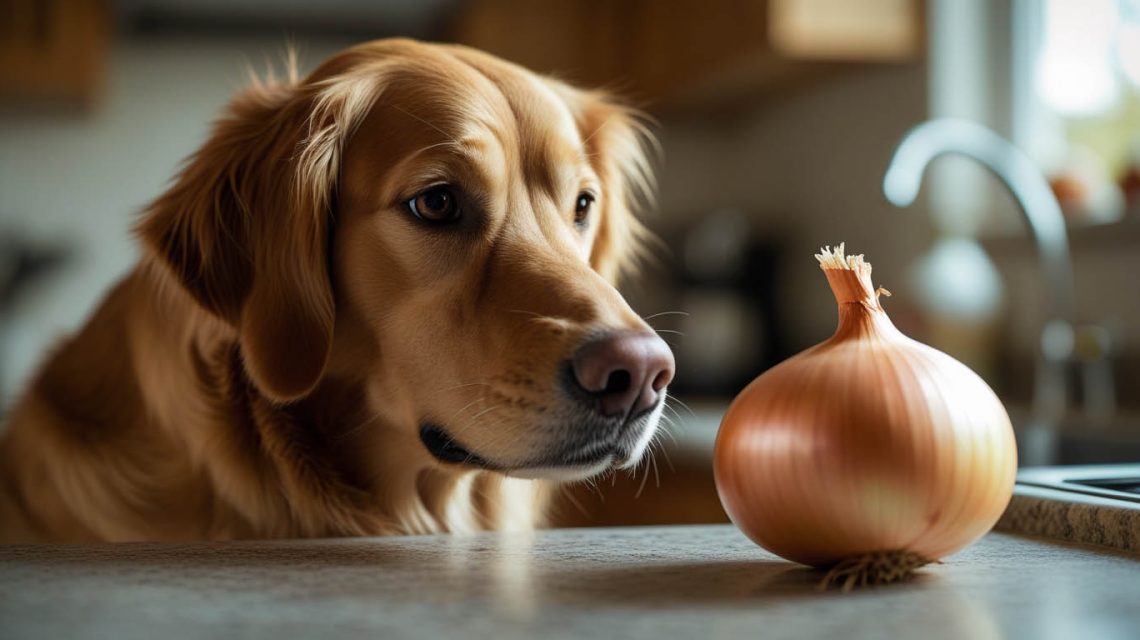
Understanding why are onions bad for dogs could save your pet’s life. Last summer, a dog owner named Sarah shared her heartbreaking story online. Her beloved Labrador, Max, accidentally consumed leftover onion rings from the kitchen counter. Within 48 hours, Max became severely ill and required emergency veterinary care. Fortunately, Max survived, but this incident highlights a danger that many pet owners overlook.
Onions belong to the Allium family, and they contain toxic compounds that can destroy your dog’s red blood cells. Consequently, even small amounts can lead to serious health complications. In this comprehensive guide, you will discover exactly why onions pose such a significant threat to dogs, recognize warning symptoms, and learn essential prevention strategies.
Moreover, this article draws from veterinary research and expert recommendations to provide you with accurate, life-saving information. Whether you cook frequently with onions or simply want to protect your furry companion, this guide covers everything you need to know.
Why Are Onions Bad for Dogs?
Many pet owners wonder why are onions bad for dogs when humans consume them daily without issues. The answer lies in the fundamental differences between canine and human physiology. Dogs metabolize certain compounds differently, making substances harmless to humans extremely dangerous for our four-legged friends.
The Toxic Compound in Onions That Harms Dogs
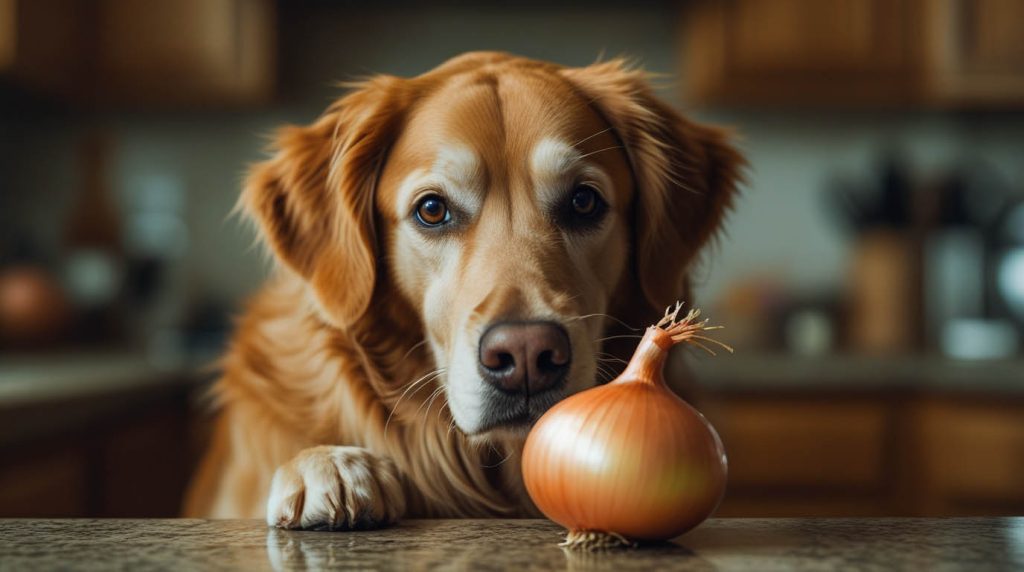
Onions contain a compound called N-propyl disulfide, which serves as the primary culprit behind onion toxicity in dogs. This organosulfur compound attacks and damages red blood cells through a process called oxidative hemolysis. Additionally, onions contain thiosulfate, another toxic substance that dogs cannot digest properly.
When your dog consumes onions, these compounds enter the bloodstream rapidly. Subsequently, they attach to hemoglobin molecules within red blood cells. This attachment causes the hemoglobin to form clumps called Heinz bodies. As a result, the dog’s body recognizes these damaged cells as foreign and destroys them.
According to the ASPCA Animal Poison Control Center, onions rank among the top toxic foods for dogs. Their research indicates that onion toxicity cases have increased by 15% over the past decade, primarily due to dogs accessing human foods.
How Onions Affect Your Dog’s Blood Cells
The destruction of red blood cells leads to a condition called hemolytic anemia. Healthy red blood cells carry oxygen throughout your dog’s body, supporting every organ and system. Therefore, when these cells break down faster than the body can replace them, serious complications arise.
Initially, your dog’s bone marrow attempts to compensate by producing more red blood cells. However, if the toxic exposure continues or the initial dose was significant, the bone marrow cannot keep pace. Consequently, oxygen delivery to vital organs decreases dramatically.
Dr. Jennifer Coates, a veterinary advisor at PetMD, explains that onion toxicity can reduce a dog’s red blood cell count by up to 50% in severe cases. This reduction places enormous stress on the heart, lungs, and other organs.
Symptoms When Dogs Eat Onions
Recognizing symptoms early can mean the difference between a full recovery and a life-threatening emergency. Understanding why are onions bad for dogs also means knowing what warning signs to monitor closely.
Early Warning Signs to Watch For
Symptoms of onion toxicity typically appear within one to three days after consumption. First, you might notice your dog becoming unusually tired or lethargic. Additionally, your pet may show decreased interest in food, water, or regular activities.
Watch for these early symptoms:
- Weakness and fatigue – Your dog may resist walks or playtime
- Loss of appetite – Refusing favorite treats or meals
- Pale gums – Check for gums that appear white or light pink instead of healthy red
- Increased heart rate – Rapid breathing even while resting
- Vomiting or diarrhea – Often occurring within hours of consumption
- Drooling excessively – A sign of nausea or discomfort
Furthermore, your dog may develop a distinctive garlic or onion odor on their breath. This smell indicates that the toxic compounds are actively circulating in their system.
Severe Symptoms That Require Emergency Care
If early symptoms go unnoticed or untreated, the condition progresses rapidly. Severe onion toxicity presents dangerous symptoms that demand immediate veterinary attention.
Critical warning signs include:
- Collapse or fainting – Indicates severe anemia
- Dark-colored urine – Suggests red blood cell breakdown
- Jaundice – Yellow coloring in eyes, gums, or skin
- Difficulty breathing – Gasping or labored respiration
- Seizures – In extreme cases of oxygen deprivation
A 2022 study published in the Journal of Veterinary Internal Medicine found that dogs receiving treatment within six hours of onion consumption had a 95% survival rate. However, delayed treatment reduced survival rates significantly.
How Much Onion Is Dangerous for Dogs?
Understanding toxic dosages helps explain why are onions bad for dogs even in seemingly small quantities. Every dog owner should know these critical thresholds.
Toxic Dosage Based on Dog Size
Veterinary toxicologists have established that consuming 0.5% of a dog’s body weight in onions can cause toxicity. To illustrate, a 30-pound dog would only need to eat approximately 2.5 ounces of onion to reach dangerous levels.
Here’s a helpful reference chart:
| Dog Weight | Toxic Onion Amount |
|---|---|
| 10 lbs | 0.8 oz (about 2 tbsp) |
| 20 lbs | 1.6 oz (about ¼ cup) |
| 50 lbs | 4 oz (about ½ cup) |
| 70 lbs | 5.6 oz (about ¾ cup) |
Importantly, toxicity can occur from a single large dose or from repeated small exposures over time. The toxic compounds accumulate in the dog’s system, making regular exposure particularly dangerous.
Why All Forms of Onions Are Bad for Dogs
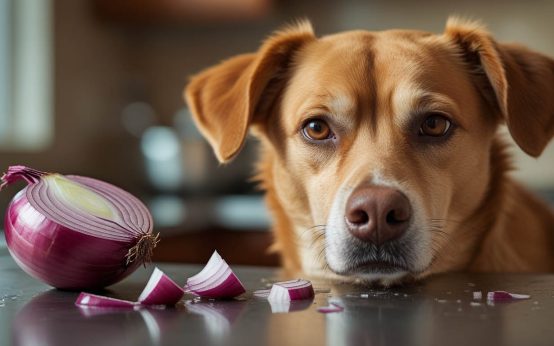
The form of onion does not reduce its toxicity level. Raw, cooked, dried, powdered, or fried onions all contain harmful compounds. In fact, onion powder often presents the greatest risk because of its concentrated nature.
Common sources of hidden onions include:
- Baby food – Many varieties contain onion powder
- Soups and broths – Often made with onion bases
- Pizza and pasta sauces – Typically contain onions
- Seasoning mixes – Frequently include dehydrated onion
- Restaurant leftovers – May contain invisible onion pieces
- Onion rings and fried onions – Popular but extremely dangerous
Additionally, all members of the Allium family pose similar risks. Garlic, leeks, chives, and shallots contain comparable toxic compounds. Garlic is actually five times more potent than onions, making it even more dangerous.
What to Do If Your Dog Eats Onions
Quick action can prevent serious complications when addressing why are onions bad for dogs becomes a real-life emergency. Follow these steps immediately if your dog consumes onions.
Immediate Steps to Take at Home
First, remain calm and assess the situation carefully. Determine approximately how much onion your dog consumed and when the exposure occurred. This information helps veterinarians make treatment decisions.
Take these immediate actions:
- Remove remaining onions – Prevent additional consumption
- Do not induce vomiting – Unless specifically instructed by a veterinarian
- Contact your veterinarian – Call immediately for professional guidance
- Call Pet Poison Helpline – Available 24/7 at (855) 764-7661
- Gather packaging – If onions were in prepared food, save the label
- Monitor your dog closely – Watch for emerging symptoms
Never attempt home remedies without professional guidance. Some well-meaning interventions can actually worsen the situation or delay proper treatment.
Veterinary Treatment Options for Onion Poisoning
Upon arriving at the veterinary clinic, medical professionals will assess your dog’s condition thoroughly. Treatment approaches vary based on the amount consumed and the time elapsed since exposure.
Common treatment protocols include:
- Induced vomiting – Effective if done within two hours of consumption
- Activated charcoal – Absorbs remaining toxins in the digestive system
- IV fluid therapy – Supports kidney function and hydration
- Blood transfusions – Necessary in severe anemia cases
- Oxygen therapy – Helps dogs with compromised breathing
- Hospitalization – Monitoring for 24-72 hours in serious cases
The Veterinary Centers of America (VCA) reports that treatment costs for onion toxicity range from $500 to $3,000, depending on severity. Early intervention typically results in lower costs and better outcomes.
Preventing Onion Poisoning in Dogs
Prevention remains the most effective strategy once you understand why are onions bad for dogs. Implementing these practices protects your pet from accidental exposure.
Safe Storage and Kitchen Practices
Creating an onion-safe environment requires consistent effort and awareness. Start by evaluating your kitchen and food storage areas from your dog’s perspective.
Follow these prevention strategies:
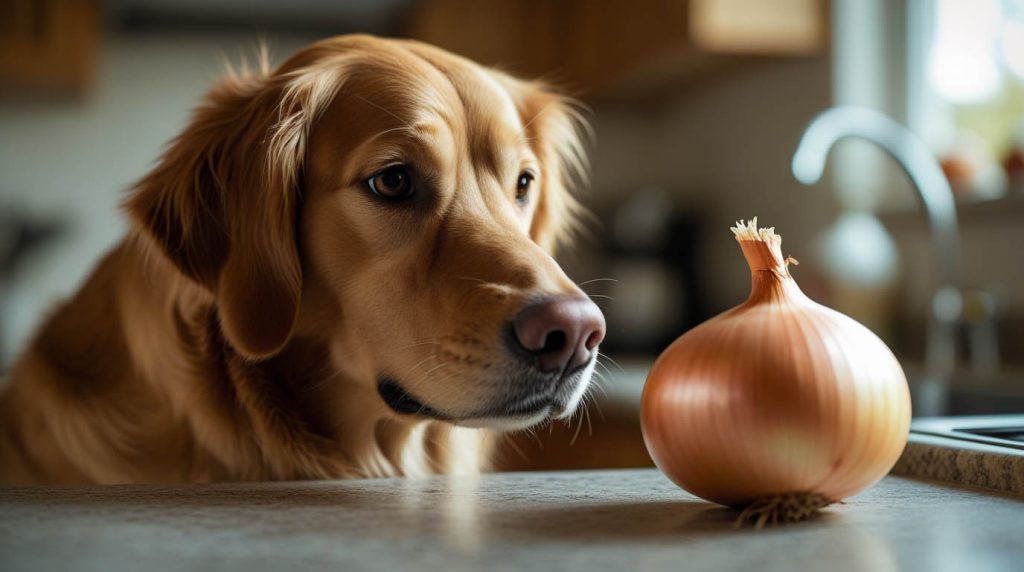
- Store onions in closed cabinets – Keep them out of reach, not on counters
- Use lidded trash cans – Prevent dogs from scavenging discarded onion scraps
- Clean cutting boards immediately – Remove residual onion juices
- Educate family members – Ensure everyone knows about onion dangers
- Check ingredient labels – Many products contain hidden onion powder
- Avoid feeding table scraps – Human foods often contain dangerous ingredients
Furthermore, consider creating a designated “dog-safe” zone in your home where no human foods are allowed. This boundary helps prevent accidental exposure.
Onion-Free Alternatives for Dog Treats
Many pet owners use vegetables as healthy, low-calorie treats for their dogs. Fortunately, numerous safe alternatives exist that provide nutritional benefits without toxicity risks.
Safe vegetable options include:
- Carrots – Excellent for dental health
- Green beans – Low calorie and fiber-rich
- Cucumbers – Hydrating and refreshing
- Sweet potatoes – Cooked and plain, without seasoning
- Pumpkin – Supports digestive health
- Watermelon – Seedless and without rind
Always introduce new foods gradually and in moderation. Some dogs have individual sensitivities even to generally safe foods.
Frequently Asked Questions About Onions and Dogs
Pet owners commonly ask specific questions about why are onions bad for dogs. Here are expert answers to the most frequent concerns.
Can dogs eat cooked onions?
No, cooking does not eliminate toxic compounds. Cooked onions remain equally dangerous to dogs as raw onions.
Are some dog breeds more sensitive to onion toxicity?
Yes, Japanese breeds like Akitas and Shiba Inus show increased sensitivity. However, all breeds face significant risks from onion consumption.
How long do onion toxicity symptoms last?
Symptoms may persist for one to two weeks as the body regenerates red blood cells. Complete recovery requires proper veterinary care and monitoring.
Can onion toxicity be fatal?
Yes, severe or untreated cases can result in death. The anemia caused by onion toxicity can lead to organ failure if not addressed promptly.
Should I worry if my dog ate a tiny piece of onion?
Even small amounts warrant concern. Contact your veterinarian for guidance based on your dog’s size and the amount consumed.
Conclusion and Call to Action
Understanding why are onions bad for dogs empowers you to protect your beloved companion from this common household danger. The toxic compounds in onions can cause serious, potentially fatal health complications. However, with proper knowledge and prevention strategies, you can keep your dog safe.
Remember these key points: onions in all forms are toxic, symptoms may take days to appear, and early veterinary intervention dramatically improves outcomes. Share this information with fellow dog owners to help protect pets in your community.
Take action today:
- Audit your kitchen for onion-related risks
- Educate your family about safe food practices
- Save your veterinarian’s emergency number in your phone
- Bookmark the Pet Poison Helpline number: (855) 764-7661
Your dog depends on you for protection. By implementing these strategies, you demonstrate the love and care that makes the human-canine bond so special.

 Why Are Onions Bad for Dogs?