

 animalzoid
 Have you ever watched your dog try to navigate a sleek hardwood floor? It can look a bit like Bambi on ice. I remember vividly when my Golden Retriever, Buster, turned ten. The sparkle was still in his eyes, but his legs would slide out from under him every time he tried to greet me at the door. It was heartbreaking to watch his confidence slip away along with his footing. That’s when I discovered the life-changing utility of paw pads for dogs.
Whether you are looking to help a senior dog regain mobility or trying to protect your pup’s feet from scorching summer pavement, understanding paw protection is crucial. In this guide, we aren’t just talking about products; we are diving deep into the health, maintenance, and strategic use of protective gear for your canine companion.
What Are Paw Pads for Dogs?
To understand the solution, we first need to understand the anatomy. Biologically, your dog’s natural paw pads are shock absorbers. They provide insulation against extreme weather, aid in balance, and offer protection against rough terrain. However, domestic life presents challenges that evolution didn’t account for—like slippery laminate flooring or 100-degree asphalt.
When we refer to paw pads for dogs in the context of products, we are generally talking about adhesive traction pads or protective layers that stick directly to the bottom of the dog’s foot. Think of them as non-slip socks that actually stay on. They provide the grip that dry, callous natural paws often lack on smooth surfaces.
According to recent veterinary insights, maintaining traction is vital for preventing hip dysplasia complications and ACL tears in older dogs. It’s not just an accessory; it’s a mobility aid.
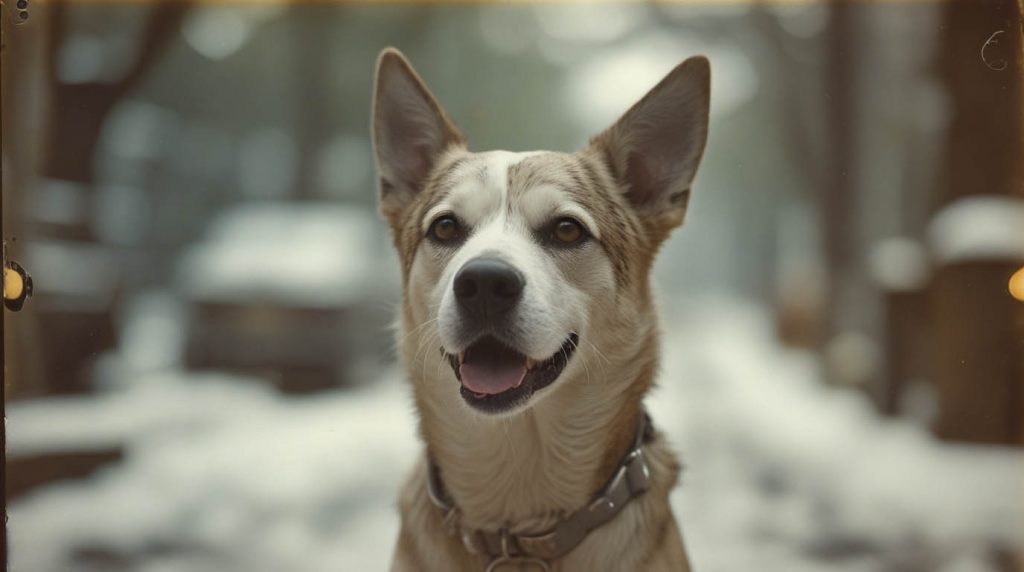
Why Paw Pads for Dogs Are Essential for Health
You might be asking, “Does my dog really need these?” In my experience, the answer depends on your dog’s environment and age. However, the benefits are undeniable.
Boosting Mobility in Senior Dogs
As dogs age, their natural pads become drier and harder, providing less grip. Simultaneously, they lose muscle mass. Paw pads for dogs bridge this gap. They provide instant friction, allowing the dog to stand up without struggling.
Protection Against the Elements
We often forget that asphalt can reach 140°F (60°C) on a sunny day. Burns on natural paws are a common emergency room visit during the summer. Specialized protective pads act as a barrier against heat, salt, and chemical de-icers in the winter.
Injury Recovery
If a dog has a paw injury, licking can delay healing. Applying a breathable pad can protect the wound while offering the necessary grip to keep moving during rehabilitation.
Top Strategies to Implement Paw Pads for Dogs
Applying these pads might seem straightforward, but there is an art to it. I’ve wasted plenty of money on pads that fell off in ten minutes because I skipped the prep work. Here is the strategy that works best.
1. Preparation is Key
You cannot stick an adhesive pad onto a dirty or hairy foot. It just won’t bond.
- Trim the Tuft: Carefully trim the long hair between the toes and pads. This hair interferes with the adhesive.
- Clean the Area: Use an alcohol wipe to remove dirt, wax, and oils from the natural pad. Let it dry completely.
2. Sizing Matters
Most manufacturers offer size charts based on weight or paw width. Paw pads for dogs that are too large will peel off at the edges. If they are too small, they won’t provide adequate traction. Measure twice, buy once.
3. The Application Technique
Peel the backing off the pad. Press it firmly onto the center of the dog’s paw pad. Hold it there for at least 5 to 10 seconds. The heat from your hand helps the adhesive set.
How to Select the Best Paw Pads for Dogs
Not all pads are created equal. When browsing the market, look for specific features that indicate quality and safety.
- Breathability: Dogs sweat through their paws. A pad that seals the foot completely can cause yeast infections. Look for mesh designs or breathable hypoallergenic adhesives.
- Material Durability: Silicone dots usually offer the best grip for indoor use, while thicker, rug-like fabrics are better for outdoor protection.
- Non-Toxic Adhesive: Dogs lick their feet. Ensure the product uses medical-grade, non-toxic glue.
Common Mistakes to Avoid With Paw Pads for Dogs
Even with the best intentions, I’ve seen dog owners make errors that render the pads useless or even uncomfortable for the dog.
Leaving Them On Too Long
Paw pads for dogs are not permanent tattoos. They typically last 2 to 5 days. Leaving them on longer can trap moisture and bacteria. Always check your dog’s feet daily.
Applying to Damaged Skin
If your dog already has an open sore or a cracked pad, do not apply an adhesive pad directly over the wound unless it is specifically designed for wound care. Consult your vet first.
Ignoring the Dew Claw
While you don’t put a traction pad on the dewclaw, don’t forget to inspect it. Sometimes owners get so focused on the main pads that they neglect the rest of the foot.
Best Practices for Maintaining Paw Pads for Dogs
To get the most out of these mobility aids, you need a routine. Here is the workflow that I recommend for maximum longevity and effectiveness.
Routine Inspections
Check the pads every evening. Are they peeling? Is there debris stuck to the edges? If the edges are lifting, trim the loose part or replace the pad entirely to prevent the dog from chewing it off.
Rotate Usage
If you are using paw pads for dogs for traction indoors, consider taking them off for a day or two if your dog is going to be spending a lot of time outside in the grass or mud. This gives the natural paw a chance to “breathe” fully.
Moisturize the Natural Paw
Between applications, use a high-quality paw balm. Healthy, hydrated natural pads hold adhesive better than dry, flaky ones. Just ensure the balm is fully absorbed and washed off before applying a new sticker.
Case Study: Restoring Mobility with Paw Pads for Dogs
Let’s look at a real-world scenario. “Luna” was a 12-year-old Labrador struggling with arthritis. Her owners noticed she had stopped greeting them at the door because the laminate hallway was too slippery. She was isolating herself on the living room rug.
The Intervention:
We introduced high-friction adhesive paw pads for dogs.
The Process:
- Day 1: Luna was hesitant. We applied the pads and used positive reinforcement (treats) to encourage her to stand.
- Day 2: The difference was night and day. With the fear of slipping removed, Luna navigated the hallway with 80% more speed (measured by time to cross the distance).
- Week 2: Muscle tone improved because she was engaging her legs rather than shuffling carefully.
The Result:
Luna’s quality of life score improved significantly. This case highlights that paw pads for dogs are not just physical aids; they are psychological boosters for aging pets.
Tools and Resources for Paw Care
To properly manage your dog’s paw health, you need a small toolkit.
- Electric Trimmers: Small, quiet trimmers for clearing hair between pads.
- Medical Grade Alcohol Wipes: For prepping the surface.
- Musher’s Secret: A wax-based alternative for outdoor protection.
- Adhesive Remover: Specialized wipes to help remove sticky residue gently.
Future Trends in Paw Pads for Dogs Technology
The pet industry is evolving rapidly. Here is what is on the horizon for paw protection.
Biodegradable Materials
As sustainability becomes a priority, we are seeing the development of paw pads for dogs made from completely compostable materials that dissolve naturally after use, reducing plastic waste.
Smart Sensor Pads
Imagine a pad that changes color when the dog’s temperature rises too high or detects changes in gait. Prototypes for “smart” wearables are currently being tested, which could revolutionize how we monitor canine health.
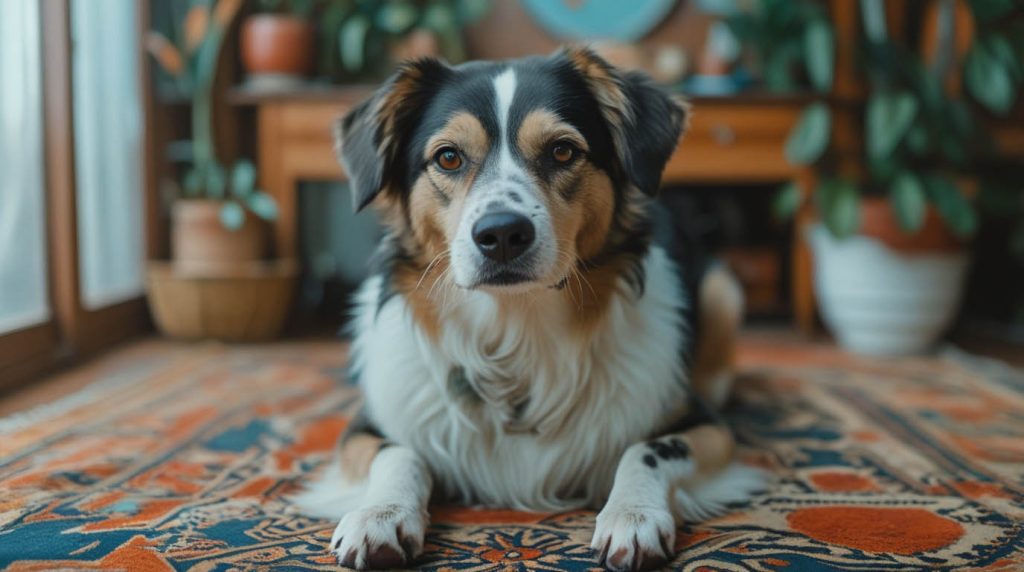
Comparison: Boots vs. Wax vs. Paw Pads for Dogs
It can be confusing to choose between the different options. Here is a quick breakdown:
| Feature | Dog Boots | Paw Wax | Adhesive Paw Pads |
|---|---|---|---|
| Primary Use | Heavy snow, hiking, hot pavement | Snow build-up, moisturizing | Indoor traction, light protection |
| Durability | High | Low (needs reapplication) | Medium (2-5 days) |
| Dog Tolerance | Low (many dogs hate them) | High (invisible) | High (barely noticeable) |
| Breathability | Low | High | Medium |
If your main goal is stopping your senior dog from slipping inside the house, paw pads for dogs are generally superior to boots because dogs tolerate them much better.
FAQ Section
Q: Do paw pads for dogs hurt when you take them off?
A: generally, no. The adhesive is designed to loosen over time. If you need to remove them early, soaking the paw in warm water or using olive oil will break the bond gently.
Q: Can my dog wear these outside?
A: Yes, most are designed for light outdoor use. However, wet grass or mud will break down the adhesive faster than indoor use.
Q: What if my dog eats one?
A: Most paw pads for dogs are made from non-toxic materials and will pass through the digestive system. However, always consult your vet if your dog swallows a foreign object.
Q: How do I know what size to buy?
A: Place your dog’s paw on a piece of paper and press down gently to mimic standing weight. Trace the outline and measure the widest part. Compare this to the manufacturer’s chart.
Q: Can puppies wear them?
A: Yes, but puppies have very soft pads. It is often better to let their pads toughen naturally unless there is a medical necessity for traction.
Conclusion
Navigating the world of canine mobility and protection can be overwhelming, but it doesn’t have to be. Paw pads for dogs offer a simple, effective, and non-invasive solution to some of the most common problems dog owners face. From giving your senior dog the confidence to run again to protecting delicate paws from summer heat, these small tools make a massive impact.
In my experience, the key to success lies in preparation and consistency. Don’t just slap a sticker on a dusty paw and hope for the best. Take the time to trim, clean, and apply them correctly.
If you have noticed your dog struggling with traction or want to be proactive about their paw health, I highly encourage you to try a set of high-quality pads. Your dog might not be able to thank you in words, but that happy tail wag when they realize they aren’t slipping anymore says it all.
Ready to help your dog get a grip? Start by measuring your dog’s paws today and browsing for a reputable brand of paw pads for dogs. Your furry friend’s comfort is just a step away.
