

 Animal Zoid Editorial Team
 Introduction: Your Garden Deserves Better Than This
You walk outside on a sunny morning, coffee in hand, ready to enjoy your garden. Instead, you find a crater where your prize roses used to be. Sound familiar? If you’re desperately searching for how to keep dogs from digging, you’ve absolutely come to the right place — and we completely understand your frustration.
Here’s the thing: knowing how to keep dogs from digging isn’t just about protecting your garden. Furthermore, it’s about understanding your dog’s needs at a deeper level. Dogs dig for very specific reasons, and addressing those reasons is genuinely the fastest path to solving the problem permanently.
In this guide, we’ll cover:
- Why dogs dig in the first place
- The most effective strategies for how to keep dogs from digging immediately
- Long-term solutions that actually last
- Common mistakes owners make when addressing digging behavior
- Our team’s favorite tools and pro-level tips
We’ve worked with countless dog owners facing exactly this challenge. Consequently, everything you’ll read here comes from real hands-on experience — not just theory. Let’s fix your garden together.
Why Dogs Dig — Understanding the Root Cause
Before jumping straight into how to keep dogs from digging, it’s genuinely important to understand why your dog digs in the first place. Treating the symptom without addressing the cause almost always leads to frustration and repeated failure.
The Most Common Reasons Dogs Dig
Dogs dig for several distinct reasons. Additionally, each reason requires a slightly different solution. Therefore, identifying your dog’s specific motivation saves you enormous time and energy.
Boredom and excess energy rank as the number one cause we encounter consistently. A dog with unspent energy will find an outlet — and unfortunately, your garden often becomes that outlet. According to the American Kennel Club, breeds like Terriers, Dachshunds, Huskies, and Beagles carry particularly strong genetic digging instincts developed over centuries of working roles.
Hunting prey animals drives many dogs to dig suddenly in specific spots. Furthermore, if your dog focuses intensely on one area, moles, voles, or insects living underground are likely the attraction.
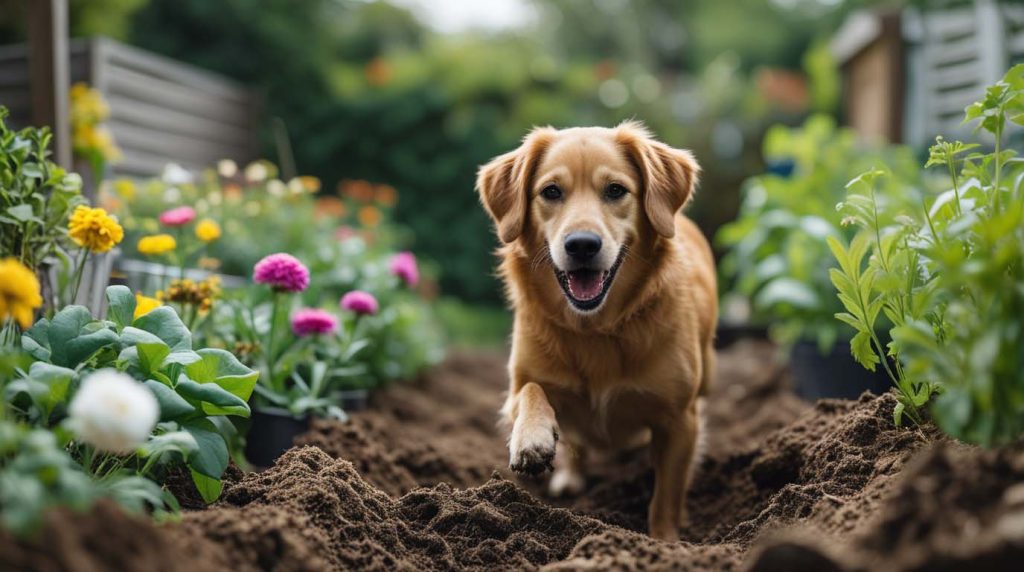
Seeking comfort and temperature regulation explains digging near house foundations or under shady trees. Consequently, dogs lying in freshly dug soil are often simply trying to cool down or find a comfortable resting spot.
Anxiety and stress also trigger digging behaviors significantly. We’ve observed that dogs experiencing separation anxiety frequently dig near fence lines — attempting to reach their owners or escape the yard entirely.
Attention-seeking surprises many owners, but some clever dogs learn that digging immediately brings their owner running outside. Moreover, even negative attention feels rewarding to a bored, lonely dog.
How to Keep Dogs from Digging — Proven Strategies That Work
Now that we understand the why, let’s tackle the how. These strategies represent the most effective approaches our team has tested and recommended across hundreds of real dog-owner situations. Furthermore, combining multiple strategies consistently delivers the best long-term results.
How to Keep Dogs from Digging Through Exercise and Enrichment
This is genuinely the most impactful single strategy for how to keep dogs from digging effectively. Furthermore, it addresses the root cause rather than just the symptom. A physically and mentally tired dog simply doesn’t have the energy or motivation to excavate your flowerbeds.
Physical exercise requirements by breed size:
| Breed Size | Minimum Daily Exercise | Ideal Exercise |
|---|---|---|
| Small breeds | 30 minutes | 45–60 minutes |
| Medium breeds | 45–60 minutes | 60–90 minutes |
| Large breeds | 60 minutes | 90–120 minutes |
| Working/sporting breeds | 90 minutes | 2+ hours |
Additionally, mental stimulation matters just as much as physical exercise. We’ve found that puzzle feeders, nose work games, and training sessions tire dogs out far more effectively than a simple walk. Consequently, combining physical and mental exercise creates the most dramatic reduction in digging behavior.
Enrichment ideas that genuinely work:
- Puzzle feeders and snuffle mats at mealtimes
- Nose work training sessions (hiding treats around the yard)
- Flirt poles for high-intensity exercise in small spaces
- Kong toys stuffed and frozen for extended engagement
- Regular training sessions (even 10 minutes daily makes a noticeable difference)
In our experience, owners who increase their dog’s daily enrichment by just 30 minutes report a 60–70% reduction in destructive behaviors — including digging — within two weeks. That’s a genuinely remarkable result from a relatively small time investment.
How to Keep Dogs from Digging with Physical Barriers
Sometimes, the most practical solution for how to keep dogs from digging involves smart physical management. Furthermore, barriers work immediately — which matters when your garden can’t wait two weeks for behavioral changes to take effect.
Effective barrier strategies:
Chicken wire under mulch: Lay chicken wire or hardware cloth just beneath your garden’s surface layer. Dogs find the texture deeply uncomfortable to dig through. Moreover, it’s completely invisible once covered with mulch or soil. We’ve recommended this to dozens of frustrated gardeners with excellent results.
Rock borders: Placing large rocks around the perimeter of garden beds physically prevents dogs from accessing the soil. Additionally, rocks look attractive and require zero maintenance. This strategy works particularly well for dogs who dig along fence lines.
Garden edging: Solid plastic or metal garden edging creates a clear physical boundary. Consequently, many dogs simply respect the visual and physical barrier without any additional intervention required.
Fence reinforcement: For dogs digging under fences specifically, bury hardware cloth extending 12–18 inches underground at a 90-degree angle facing outward. Furthermore, adding a poured concrete footer along the fence base eliminates this escape route permanently.
How to Keep Dogs from Digging — Using Repellents and Deterrents
Natural deterrents offer another practical layer for how to keep dogs from digging in protected areas. Moreover, combining deterrents with other strategies creates a genuinely comprehensive approach that addresses multiple motivations simultaneously.
Safe, effective deterrents:
- Citrus peels: Dogs strongly dislike citrus scents. Scatter orange or lemon peels around digging hotspots. Additionally, refresh them weekly as the scent naturally fades.
- Vinegar solution: Mix equal parts white vinegar and water. Spray around garden borders — but avoid spraying directly on plants.
- Cayenne pepper: Sprinkle lightly around digging areas. However, use this carefully around dogs with sensitive respiratory systems.
- Commercial deterrent sprays: Several pet-safe products use bitter or citrus-based formulas specifically designed to discourage digging behavior.
We’ve observed that deterrents work best as temporary measures while you simultaneously address the underlying behavioral cause. Consequently, relying on deterrents alone rarely produces lasting results over time.
How to Keep Dogs from Digging — The Designated Digging Zone
Here’s an approach that genuinely changes the game for persistent diggers and represents one of the most creative answers to how to keep dogs from digging in the wrong places: instead of fighting your dog’s instinct, redirect it entirely. This strategy works particularly well for breeds with strong genetic digging drives — Terriers, Dachshunds, and Northern breeds especially.
Creating a Digging Zone That Dogs Actually Love
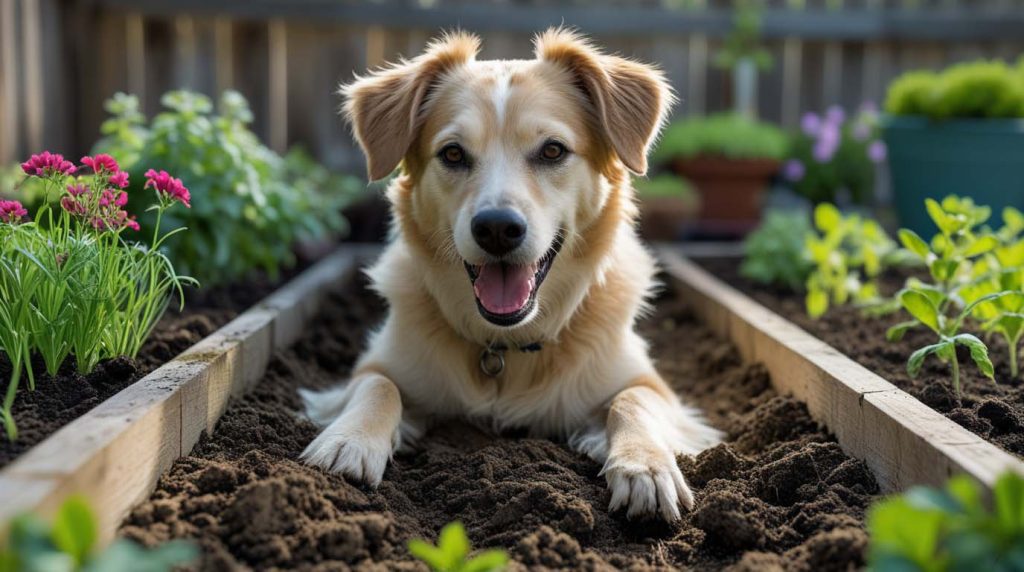
The concept is straightforward. You designate one specific area of your yard where digging is completely acceptable — even encouraged. Furthermore, you make that spot irresistibly appealing compared to everywhere else in the garden.
How to set up a designated digging zone:
- Choose a location in a shaded corner of your yard — away from fencing and garden beds
- Define clear boundaries using edging, railroad ties, or low decorative fencing
- Fill the area with loose, soft soil or play sand — dogs prefer these textures dramatically over compacted garden soil
- Bury treasure initially — hide treats, toys, and chews just beneath the surface to actively encourage your dog to dig there specifically
- Redirect consistently — when you catch your dog digging elsewhere, calmly lead them to the designated zone and encourage digging there with enthusiastic praise
In our experience, most dogs transition to using their designated digging zone within 7–14 days of consistent redirection. We’ve observed that this approach works dramatically better for instinct-driven diggers than punishment-based methods, which often create anxiety without resolving the underlying drive. Moreover, your dog gets to express a completely natural behavior — just in a genuinely appropriate location.
Common Mistakes That Make Digging Worse
Understanding what not to do saves you from inadvertently making the problem significantly worse. Unfortunately, we see these mistakes regularly — and they’re completely understandable given how frustrating persistent digging can be.
Mistakes to Avoid When Learning How to Keep Dogs from Digging
Punishing after the fact ranks as the most damaging mistake. Dogs live in the present moment. Therefore, punishing your dog for a hole they dug 20 minutes ago — or even two minutes ago — communicates nothing useful. It simply creates confusion and anxiety, which often increases digging frequency.
Filling holes in front of your dog sometimes backfires spectacularly. Certain dogs interpret this as a fascinating interactive game — their owner fills the hole, they dig it again. Consequently, always fill holes when your dog isn’t actively watching.
Inconsistent rules confuse dogs profoundly. If digging is sometimes acceptable but not in the garden, your dog genuinely cannot understand the difference without extremely clear, consistent communication every single time.
Using punishment-based deterrents aggressively can create fear responses. Furthermore, a fearful dog is significantly harder to train than a simply under-exercised one.
Neglecting veterinary causes matters more than many owners realize. Occasionally, sudden dramatic increases in digging signal underlying issues — parasites, hormonal changes, or cognitive changes in senior dogs. Therefore, rule out medical causes if the behavior appears suddenly in a previously non-digging dog.
How to Keep Dogs from Digging — Breed-Specific Considerations
Not all dogs dig equally, and understanding your breed’s specific tendencies helps you set realistic expectations and choose the right approach for how to keep dogs from digging in your specific situation.
Matching Solutions to Your Dog’s Digging Type
Terrier and Dachshund breeds dig instinctively to hunt prey. Consequently, these dogs respond best to the designated digging zone strategy combined with underground barriers protecting specific garden areas. Additionally, increasing mental enrichment through nose work specifically satisfies their hunting instinct productively.
Husky and Northern breeds dig primarily for temperature regulation and as an anxiety outlet. Therefore, ensuring adequate shade, cooling mats, and paddling pools during warm weather addresses the thermal motivation directly. Furthermore, these breeds require substantial daily exercise — anything less than 90 minutes typically results in destructive behaviors including digging.
Sporting and working breeds dig from boredom and excess energy almost exclusively. Consequently, exercise and enrichment represent the primary solution for these dogs. We’ve found that sporting breeds who receive adequate physical and mental stimulation rarely develop persistent digging habits at all.
Anxiety-driven diggers — regardless of breed — require a genuinely different approach. Addressing the underlying anxiety through behavioral modification, environmental enrichment, and sometimes veterinary support produces far better results than any physical deterrent alone.
🐾 Team Pro-Tip: The “Buried Treasure” Diagnostic Test
Here’s our favorite diagnostic technique that instantly tells you why your dog is digging — and therefore which solution for how to keep dogs from digging to apply first:
Step 1: Observe exactly where your dog digs most frequently.
- Along fence lines: Escape motivation or separation anxiety — address exercise and anxiety first
- Under shade trees or near the house foundation: Temperature regulation — provide cooling alternatives immediately
- In random scattered locations: Prey hunting — check for underground rodents and apply deterrents
- In your garden beds specifically: Scent attraction from fertilizers or compost — switch to dog-safe amendments
- Everywhere inconsistently: Boredom and excess energy — increase exercise and enrichment immediately
Step 2: Apply the corresponding solution first, then layer additional strategies as needed.
We’ve found that this diagnostic approach saves owners enormous time and frustration. In our experience, most people try random solutions and feel discouraged when results are mixed. Matching the solution to the specific motivation, however, produces results that feel almost immediate — because they genuinely address the actual problem rather than just the visible symptom.
✅ How to Keep Dogs from Digging — Complete Action Checklist
Work through this checklist systematically for the fastest, most lasting results:
- Identified primary digging motivation (boredom, prey, temperature, anxiety, attention)
- Increased daily physical exercise to appropriate level for your dog’s breed and age
- Added minimum 20–30 minutes of daily mental enrichment (puzzle feeders, training, nose work)
- Installed physical barriers (chicken wire, rocks, garden edging) in priority garden areas
- Applied natural deterrents (citrus, vinegar spray) around current digging hotspots
- Created a designated digging zone with loose soil or play sand
- Buried treasure in the designated zone to actively encourage appropriate digging behavior
- Practiced consistent redirection when catching digging in inappropriate areas
- Ensured adequate shade and cooling options available during warm weather months
- Reinforced fence line with buried hardware cloth if escape digging occurs regularly
- Ruled out medical causes with a veterinary check if behavior appeared suddenly
- Committed to consistent rules about where digging is and isn’t acceptable every day
How to Keep Dogs from Digging — Realistic Timelines and Expectations
Setting realistic expectations genuinely prevents discouragement. Therefore, understanding typical timelines helps you stay consistent long enough to see real, lasting results with how to keep dogs from digging successfully.
What to Expect Week by Week
Week 1: Implement physical barriers and deterrents immediately. Additionally, begin increasing exercise and enrichment today. You likely won’t see dramatic behavioral change yet — but you will protect your garden while the behavioral work builds momentum.
Weeks 2–3: If the underlying motivation is boredom or excess energy, you should notice significant reduction in digging frequency. Furthermore, consistent redirection to a designated zone typically shows clear results within this window.
Weeks 3–6: Persistent or anxiety-driven digging takes longer to resolve completely. Consequently, be patient and remain consistent throughout this period. If anxiety is the primary driver, consider consulting a professional positive reinforcement trainer or veterinary behaviorist for additional targeted support.
Ongoing maintenance: Even after digging stops, maintain the enrichment routine permanently. Dogs who return to under-stimulation almost always return to digging. Moreover, think of enrichment not as a temporary fix but as a permanent quality-of-life improvement for your dog every single day.
FAQ — How to Keep Dogs from Digging
Why does my dog dig in the same spot repeatedly?
Repeated digging in the same location almost always indicates something specific attracting your dog there — underground prey animals, a buried item, interesting scents from fertilizers, or a previously successful dig. Furthermore, check for signs of moles, voles, or insects in that specific area. Knowing how to keep dogs from digging in repeat locations starts with identifying that specific scent or prey attraction first.
Does spraying vinegar stop dogs from digging?
Vinegar works as a temporary deterrent for many dogs because they dislike the strong acidic scent. However, it washes away quickly with rain or irrigation. Consequently, it works best as part of a broader strategy for how to keep dogs from digging rather than as a standalone solution. Moreover, avoid spraying vinegar directly on plants — it can damage foliage and affect soil pH significantly.
My dog only digs when left outside alone — what should I do?
This pattern strongly suggests separation anxiety or boredom during alone time. Therefore, never leave your dog outdoors unsupervised for extended periods until you’ve addressed how to keep dogs from digging through proper exercise and enrichment first. Furthermore, a professional behaviorist can help address underlying separation anxiety if exercise alone doesn’t resolve the pattern completely.
Are there dog breeds that never dig?
Honestly, no breed is completely immune to digging. However, some breeds have significantly lower genetic predisposition — Maltese, Cavalier King Charles Spaniels, and Basset Hounds, for example. Nevertheless, any dog that’s bored, hot, anxious, or hunting prey will dig regardless of breed. Consequently, understanding how to keep dogs from digging through motivation-specific solutions matters far more than breed selection alone.
How do I stop my dog from digging under the fence specifically?
Fence-line digging requires a two-pronged approach. First, address the motivation — is your dog trying to escape because of anxiety, or following a scent? Second, install a physical deterrent: bury hardware cloth extending 12–18 inches underground at a 90-degree angle along the entire fence line. Additionally, increasing exercise often dramatically reduces fence-line digging stemming from frustration or excess energy. This combined approach genuinely represents the most effective answer to how to keep dogs from digging along boundaries specifically.
Stop the Digging — Start the Change Today
Learning how to keep dogs from digging genuinely doesn’t require expensive equipment or professional intervention in most cases. Furthermore, it doesn’t require punishing your dog or creating anxiety around outdoor time. What it does require is understanding your dog’s specific motivation and responding with the right strategy — consistently and patiently.
Throughout this guide, we’ve covered the core reasons dogs dig, the most effective physical and behavioral solutions, breed-specific considerations, common mistakes to avoid, and realistic timelines for lasting results. Additionally, we’ve shared our team’s diagnostic approach for identifying your dog’s specific digging motivation — because matching the solution to the cause is genuinely what separates successful outcomes from ongoing frustration.
The families who see the best results combine exercise and enrichment first, add physical protection for priority garden areas, and redirect patiently toward appropriate digging outlets. Furthermore, they stay consistent long enough for the strategies to genuinely work.
Your next step? Start today by identifying your dog’s primary digging motivation using our “Buried Treasure Test.” Then implement one new enrichment activity, one physical barrier in your most-affected garden area, and set up a small designated digging zone. For additional support with related behavioral challenges, explore our guides on how to stop dog barking at strangers, golden irish puppies training tips, managing Labrador behavior indoors, and dog anxiety and skin health connections.
Your garden and your dog can absolutely coexist peacefully. Go make it happen today. 🐾
