

 Animal Zoid Editorial Team
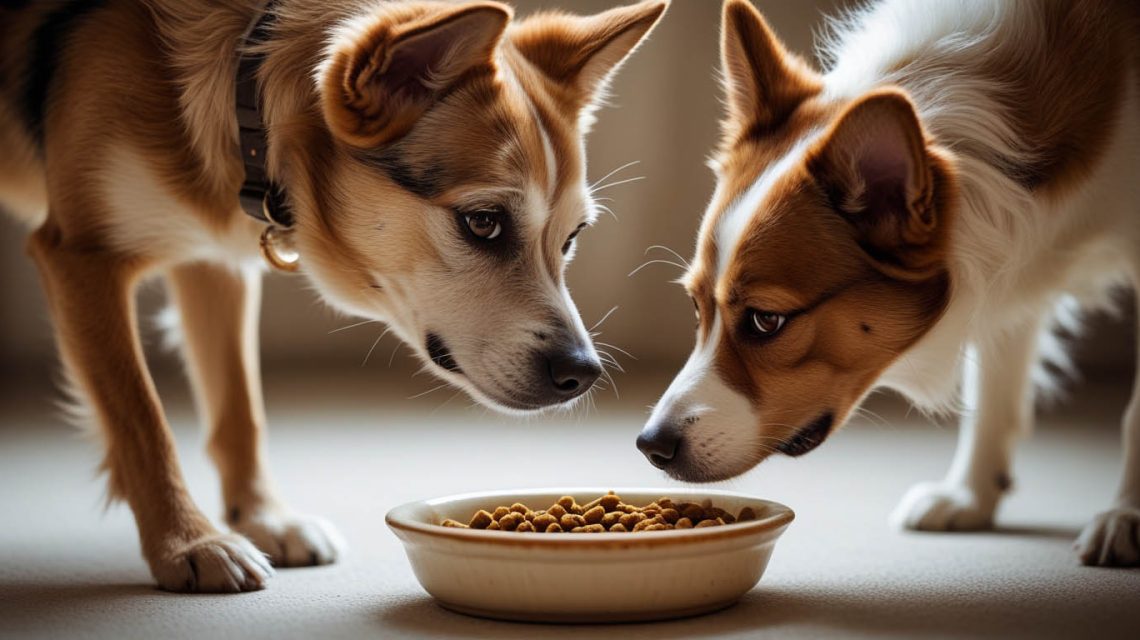
 If you share your home with both species, you’ve probably asked yourself “can dogs eat cat food?” right after you caught your dog elbow‑deep in the cat’s bowl. Most dogs seem obsessed with that rich, smelly kibble, and sometimes it feels impossible to keep them out of it. So you’re left wondering: is this just a naughty snack, or could cat food actually hurt your dog?
Here’s the short version: a healthy dog who sneaks a small amount of cat food once in a while will usually be fine. However, feeding cat food regularly or in large amounts can cause real problems. Dogs and cats have very different nutritional needs, and cat food is designed for cats, not dogs.
In this guide, we’ll break down:
- What people really mean when they ask can dogs eat cat food
- The key nutritional differences between dog food and cat food
- Short‑term and long‑term health risks if your dog keeps raiding the cat’s bowl
- How to respond if your dog just ate cat food today
- Practical, real‑world strategies to manage feeding in multi‑pet homes
Along the way we’ll reference current veterinary nutrition guidance from sources like the American Veterinary Medical Association, AAFCO, and PetMD, so you’re not just guessing.
What Does “Can Dogs Eat Cat Food” Really Mean?
When owners type can dogs eat cat food into a search bar, they’re often in one of three situations:
- Their dog ate cat food once, and they want to know if it’s an emergency.
- Their dog steals cat food all the time, and they’re wondering if it’s actually harmful.
- They’re considering using cat food as a “high‑value treat” or backup food.
So the real question isn’t just can a dog physically swallow cat food (obviously yes). It’s:
“Is cat food safe or appropriate for dogs as a snack, or as a regular diet?”
To answer that honestly, we need to look at what cat food is designed to do — and what dogs actually need.
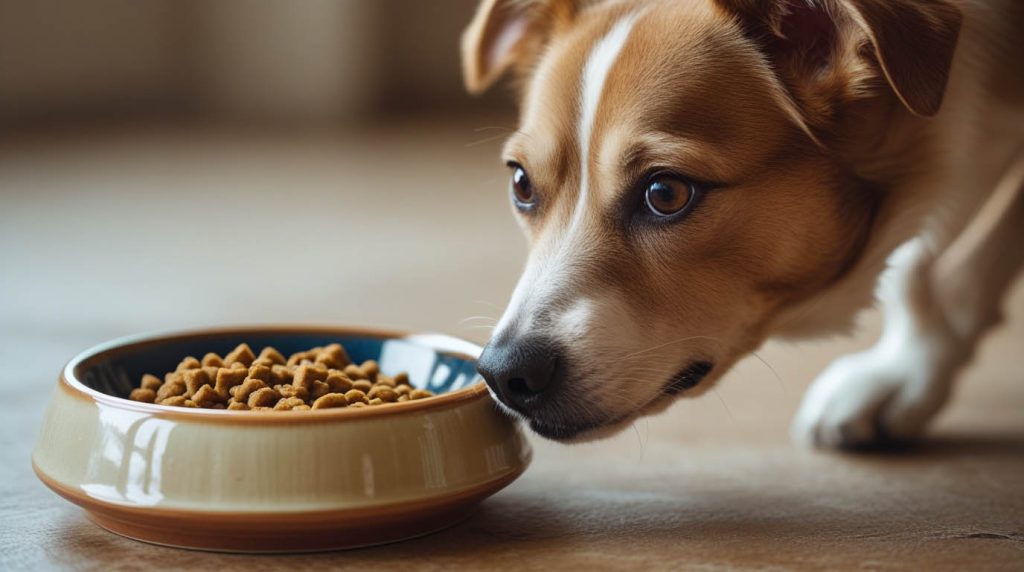
Can Dogs Eat Cat Food? The Short Vet Answer
Let me give you the vet‑style summary before we go deep.
- One‑off, small amount: Most healthy adult dogs will be okay if they eat a little cat food once. You might see a mild tummy upset.
- Frequent or long‑term feeding: Using cat food as your dog’s main diet is not safe. Over time it can lead to obesity, digestive issues, and even pancreatitis or nutrient imbalances.
- Special‑needs dogs (pancreatitis history, kidney disease, food allergies, puppies): Even a single big cat‑food binge can cause more serious issues.
Veterinary nutrition experts, including those who contribute to PetMD’s article on dogs and cat food, agree that cat food is formulated for cats, not dogs. Dogs and cats are related, but their nutrition blueprints are not interchangeable.
So, can dogs eat cat food at all? Technically yes, but they should not eat it regularly.
Why Understanding “Can Dogs Eat Cat Food” Is Essential
You might be thinking, “Okay, but my dog seems fine.” So why worry?
Different Species, Different Nutrition
Cats are obligate carnivores. They must get most of their nutrients from animal tissue. Dogs are facultative carnivores or omnivores. They can use a wider variety of ingredients, including carbohydrates and plant‑based nutrients.
This basic difference drives everything about how dog food and cat food are designed:
- Cat food usually has more protein and fat.
- Cat food often has fewer carbohydrates.
- Cat food includes higher levels of certain nutrients cats can’t make on their own (like taurine and arachidonic acid).
The AAFCO nutrient profiles spell out these differences clearly for manufacturers. Dog foods must meet dog profiles. Cat foods must meet cat profiles. There is no “one size fits both” profile.
When you understand that, “can dogs eat cat food” stops being a cute question and turns into, “What happens when I feed my dog food built around cat requirements, not dog requirements?”
Why Multi‑Pet Homes Need Clarity
Millions of households share their lives with both dogs and cats. Surveys from organizations like the AVMA show that multi‑pet homes are very common, which means this feeding issue pops up constantly.
If you don’t have a clear answer to can dogs eat cat food, you’ll face:
- Constant food stealing
- Fights around bowls
- Tummy problems and weight gain that seem “mysterious”
Understanding the real answer lets you set smart rules and reduce stress for everyone — including you.
Can Dogs Eat Cat Food Regularly? Nutrition Deep‑Dive
Let’s break down what actually sits in the bowl and why it matters.
Protein and Fat: Why Dogs Shouldn’t Eat Cat Food Daily
Most commercial cat foods:
- Are higher in protein than dog foods
- Are higher in fat to make them energy‑dense and palatable
Dogs can certainly digest protein and fat. However, when you ask can dogs eat cat food as their main diet, that extra fat and richness quickly becomes a problem.
Potential consequences:
- Weight gain and obesity – too many calories in a small volume
- Pancreatitis risk – high‑fat meals can trigger inflammation of the pancreas in susceptible dogs
- Chronic digestive upset – loose stool, gas, or intermittent vomiting
I’ve seen plenty of dogs in practice who look “thick” and “solid” until we discover they’ve been eating the cat’s high‑fat kibble all day.
Micronutrients: Why Cat Food Isn’t Balanced For Dogs
Cat food often contains:
- Extra taurine
- Higher vitamin A
- More arachidonic acid
- Different levels of certain B vitamins
Those are fantastic — for cats.
Dog food, on the other hand, balances:
- Different recommended calcium:phosphorus ratios
- Different vitamin and mineral levels
- Different fiber blends
So can dogs eat cat food occasionally and survive? Yes. But if they eat it as a staple, they may develop:
- Imbalances in calcium and phosphorus
- Problems with long‑term organ health
- Subtle deficiencies in nutrients formulated primarily with cats in mind
Long term, “almost right” nutrition adds up. That’s why the safest answer to can dogs eat cat food as a daily diet is no.
Can Dogs Eat Cat Food in Different Forms and Situations?
Now let’s answer some of the more specific versions of the question.
Can Dogs Eat Cat Food as an Occasional Treat?
If a healthy adult dog sneaks a small amount once in a while, or you deliberately offer a teaspoon of wet cat food as a high‑value training treat, it’s usually not catastrophic.
However, even here, keep these rules:
- Make it small: a spoonful, not a whole can.
- Make it rare: think “occasional jackpot,” not daily routine.
- Watch your dog afterward: if you see vomiting, diarrhea, or lethargy, call your vet.
So yes, in this narrow sense can dogs eat cat food occasionally as a treat? Probably, for many dogs. Just understand you’re bending the rules a bit and you need to watch the results.
Can Dogs Eat Cat Food Wet vs Dry?
Dogs often find wet cat food even more irresistible because it smells stronger and feels meatier. However:
- Wet cat food tends to be richer and may cause more dramatic stomach upset if a dog overeats it.
- Dry cat food is easier to steal all day, leading to chronic over‑eating and weight gain.
From a safety standpoint, both forms raise the same basic questions about can dogs eat cat food. The format changes; the mismatch in formulation doesn’t.
Can Dogs Eat Cat Food if They’re Puppies or Seniors?
Here’s where the answer leans even harder toward no.
- Puppies need carefully balanced calcium, phosphorus, and energy levels to grow joints and bones properly. Cat food does not follow puppy guidelines.
- Senior dogs often have reduced organ reserves (kidneys, pancreas, liver). The extra fat and protein in cat food can overload these systems.
If you’re caring for a growing puppy or an older dog, the margin for error disappears. In these life stages, I’d say can dogs eat cat food is effectively “absolutely not on purpose, and do your best to prevent accidents.”
Health Risks When Dogs Eat Cat Food Long Term
Short‑term, you might only see a gurgly stomach. Long‑term, a steady diet of cat food can lead to more serious issues.
Digestive Problems
Because cat food is richer, chronic access can cause:
- Frequent soft stool or diarrhea
- Gas and discomfort
- Occasional vomiting
- Flare‑ups of pancreatitis in predisposed dogs
Once a dog has had pancreatitis, most vets get very strict about high‑fat foods. Cat food lands high on the “avoid” list.
Weight Gain and Metabolic Trouble
High‑calorie, high‑fat cat kibble is like junk food for many dogs. They love it, but:
- Even an extra 50–100 calories per day can add up over months.
- Overweight dogs face higher risk of
- Arthritis
- Diabetes
- Heart and respiratory issues
So if your dog keeps raiding the cat’s bowl, the question can dogs eat cat food morphs into “Why is my dog gaining weight even though I don’t overfeed their dog food?” Cat food is often the invisible answer.
Organ Stress
Because cat food isn’t balanced for dogs:
- The kidneys and liver may face extra workload processing excess protein and certain nutrients.
- The pancreas may struggle with constant high‑fat meals.
For a young, healthy dog, this might not show quickly. For a dog with early kidney disease, liver issues, or a history of pancreatitis, it can accelerate problems.
Spotting Trouble: Signs Your Dog Eats Too Much Cat Food
If you’re not always watching, how do you know if your “can dogs eat cat food” situation is getting out of hand?
Watch for:
- Weight gain despite normal dog food portions
- Frequent soft stool or diarrhea
- More gas than usual
- Greasy coat or skin issues
- Vomiting after sneaking into the cat’s bowl
- History of pancreatitis flare‑ups that line up with cat‑food theft
- Your dog always hovering near the cat’s feeding area (classic!)
If you notice two or three of these, it’s time to take your can dogs eat cat food problem seriously and adjust how you manage food at home.
What To Do Right After a Dog Eats Cat Food
Let’s say you just walked in on the crime scene: your dog has polished off the cat’s dinner. Now what?
Step‑by‑Step Response
- Estimate the amount
- Was it a few bites? A whole can? Several days’ worth of dry food?
- The larger the amount, the higher the risk of digestive upset.
- Check the label quickly
- Any unusual ingredients?
- Very high fat percentage? (Over ~20% crude fat on a dry‑matter basis is pretty rich.)
- Observe your dog over the next 24 hours
- Watch for vomiting, diarrhea, bloating, lethargy, or signs of abdominal pain.
- Call your veterinarian if:
- Your dog has a history of pancreatitis or digestive disease
- They’re a puppy or senior
- They ate a large amount (e.g., broke into the bag)
- You see any worrying symptoms
- Don’t try drastic home “detoxes”
- Don’t make your dog vomit or give human meds without vet advice.
- Offer fresh water and maybe withhold their next meal if the vet suggests.
Most healthy adult dogs will recover from a one‑off raid with little more than a day of soft stool. However, once you’ve lived through that, you’ll probably want to stop asking can dogs eat cat food and start asking “How do I keep them out of it?”
Best Practices So “Can Dogs Eat Cat Food” Stops Being a Daily Battle
Living with both species doesn’t have to mean a constant food war. You can design your home to make the answer to can dogs eat cat food almost irrelevant.
Separate Feeding Zones
- Feed the cat up high
- On a counter, shelf, or sturdy cat tree — places your dog can’t reach.
- Use baby gates or pet gates
- Create a cat‑only room or hallway where the litter box and food bowl live.
- Close doors during feeding times
- Simple, but incredibly effective if you can trust family members to follow through.
Timed Meals Instead of Free-Feeding
Free‑feeding (leaving food out all day) makes “can dogs eat cat food” a 24/7 problem.
Instead:
- Put down the cat’s food for 15–20 minutes, then pick up leftovers.
- Do the same for your dog.
- Over a week or two, most pets adjust to timed meals easily.
Less open food = fewer theft opportunities.
Training Around Food
You can use basic training to support your can dogs eat cat food boundaries:
- Teach a strong “leave it” command.
- Reward your dog for lying on a mat or bed while you feed the cat.
- Use baby steps — start with lower‑value distractions before expecting success around cat food.
It takes effort up front, but once your dog understands, you’ll have far fewer battles.
Common Mistakes Owners Make With “Can Dogs Eat Cat Food”
Even informed owners slip up with can dogs eat cat food. Here are some patterns I see a lot.
Using Cat Food as a Long-Term “Picky Dog” Fix
Some dogs refuse their dog food but go wild for cat food. Owners understandably ask, “Well, if he likes it, can dogs eat cat food instead?”
Short term, it may get them eating. Long term, you’re trading:
- Properly balanced dog nutrition
- For a cat‑specific formula that can cause health issues down the road.
If your dog won’t eat dog food, address why with your vet instead of making cat food the daily solution.
Ignoring “Can Dogs Eat Cat Food” for Tiny Dogs
Owners sometimes assume that because their dog is small, “just a couple of pieces” of cat kibble can’t matter. Ironically, smaller dogs often face higher risk, because:
- A few bites are a larger proportion of their daily calories.
- Their pancreases and digestive tracts can be more easily overwhelmed.
So for toy breeds, the can dogs eat cat food question leans even harder toward “really, don’t let them.”
Tools and Resources for Managing “Can Dogs Eat Cat Food”
You don’t have to manage this solely with willpower. A few tools can make the “can dogs eat cat food” problem much easier.
Helpful Hardware
- Microchip‑activated feeders
- Open only for the cat wearing a specific microchip or collar tag.
- Baby gates with cat doors
- Keep dogs out of cat rooms while letting cats pass freely.
- Raised feeding stations or wall‑mounted shelves
- Put cat food out of canine reach without rearranging your whole house.
Reliable Info Sources
When you need to double‑check your decisions around can dogs eat cat food, lean on:
- American Veterinary Medical Association – Pet Care
- AAFCO – What Is in Pet Food?
- PetMD: Can Dogs Eat Cat Food?
- American Kennel Club – Nutrition Articles
These resources explain not just whether dogs can eat cat food, but why dog‑specific diets exist in the first place.
Case Studies: Real Outcomes From “Can Dogs Eat Cat Food” Choices
Case 1: Occasional Theft, Mild Consequences
Charlie, a 4‑year‑old 40‑lb mixed breed, lives with a cat. He sneaks a few mouthfuls of dry cat food about once a week. After each theft, he sometimes has a single episode of soft stool but otherwise acts normal.
His vet explains that while Charlie probably won’t crash from this pattern, it’s still adding useless calories and some digestive stress. The family installs a baby gate and moves the cat’s bowl to a counter. Once the “can dogs eat cat food” opportunity disappears, so do Charlie’s tummy issues.
Case 2: Chronic Access, Bigger Problems
Molly, a 6‑year‑old Cocker Spaniel, is free‑fed. So is the cat. Molly quickly learns that the cat’s bowl always has richer, tastier food, and she grazes on it all day.
Over a year, she gains weight and has two episodes of pancreatitis, each requiring emergency care. Only after a careful diet history does her vet connect the dots. The answer to can dogs eat cat food becomes an emphatic “not for Molly,” especially with her pancreatitis risk.
The family switches to scheduled meals, moves the cat’s feeding spot, and uses a microchip feeder. Molly’s pancreatitis doesn’t recur, and she slowly loses the extra weight.
Future Research and Trends Around “Can Dogs Eat Cat Food”
The base science — that dogs and cats have different nutritional needs — won’t change. However, we may see:
- More clearly labeled foods for multi‑pet households, with warnings like “for cats only.”
- Better weight‑management and organ‑support formulas for both species, which may slightly change how often vets see issues from food stealing.
- Smart feeders and pet tech that automate separate feeding and log who ate what and when.
Even with new gadgets, though, the core guidance around can dogs eat cat food will likely stay the same: occasional tiny tastes might be okay, but dogs should have their own, species‑appropriate diet.
FAQ: Quick Answers About Can Dogs Eat Cat Food
Q1: Can dogs eat cat food in an emergency if I run out of dog food?
If your only option for one meal is cat food, most healthy adult dogs will be okay. However, it should be a one‑time backup, not a habit. Get proper dog food as soon as possible.
Q2: Can dogs eat cat food if they like it better than dog food?
Preference doesn’t equal suitability. Even if they love it, cat food isn’t balanced for dogs. Work with your vet to find a more appealing dog food or feeding strategy instead.
Q3: Can dogs eat cat food if they’re very active or working dogs?
Active dogs do need more calories, but they still need them from a balanced dog diet, not a cat formula. Your vet can suggest high‑quality, higher‑calorie dog foods designed for athletic dogs.
Q4: My dog always steals the cat’s food. Is this dangerous?
Repeated stealing can lead to weight gain, digestive upset, and potentially pancreatitis. It may not be catastrophic immediately, but it’s worth changing your setup so your dog can’t access it.
Q5: Can dogs eat cat treats?
Occasional tiny cat treats usually won’t cause major harm, but they share the same issues: higher fat, richer flavor, not formulated for dogs. It’s safer to choose high‑value dog‑specific treats.
Conclusion: Clear Rules on “Can Dogs Eat Cat Food”
The question can dogs eat cat food seems simple, but under it sits a complex mix of species‑specific nutrition, health risks, and the daily chaos of multi‑pet living. While a healthy dog who steals a little cat food once in a while will probably be okay, cat food was never designed to be a dog’s main diet — and it shows in the way long‑term access can lead to weight gain, digestive issues, and even pancreatitis.
You’ve seen how cat food differs from dog food, how to spot when your dog’s cat‑food habit is catching up with them, and how to design feeding routines and environments so you’re not constantly fighting over bowls. You’ve also seen that the safest, simplest guideline is: cat food is for cats; dog food is for dogs.
Now it’s your turn to act.
Today, take a few minutes to:
- Look at where and how you feed your cat
- Decide whether your dog can reach that food (be honest)
- Adjust bowls, gates, or routines so your answer to can dogs eat cat food becomes “not anymore, if I can help it”
If you’re still unsure about your specific dog’s situation, talk with your veterinarian about their diet, weight, and any cat‑food escapades. A short conversation now can prevent a lot of trouble — and vet bills — later.
By setting clear, practical boundaries around can dogs eat cat food, you’re not just following a rule; you’re actively protecting your dog’s long‑term health while keeping the peace in your multi‑pet household.

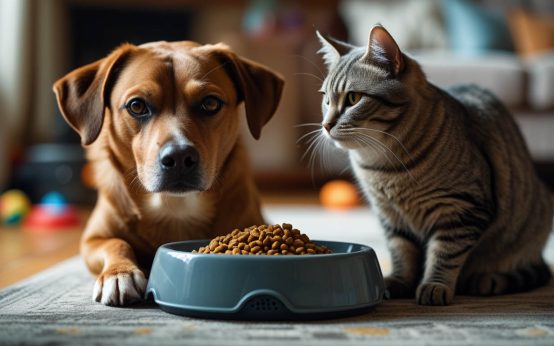 Can Dogs Eat Cat Food? The Complete Truth