

 animalzoid
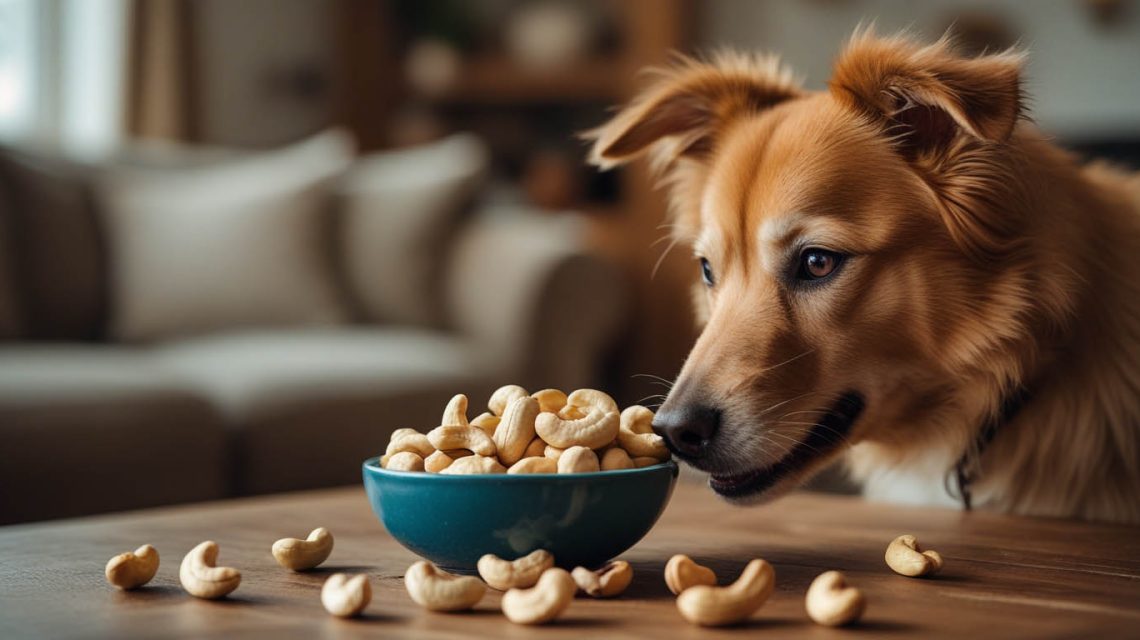
 You’re on the couch with a bowl of roasted cashews, your dog’s head slowly edging closer with every crunch. Those eyes are begging, and you’re suddenly stuck on one question: can dogs eat cashews, or are you about to turn snack time into an emergency vet visit?
I’ve had this conversation more times than I can count. One client swore her spaniel “lived” for cashews and had no issues—until he developed pancreatitis. Another told me her mixed‑breed snatched a handful off the coffee table and was totally fine. These opposite experiences make the question can dogs eat cashews feel confusing, even for careful owners.
Here’s the good news: cashews are not in the same category as toxic nuts like macadamias. However, that doesn’t mean they’re automatically safe or smart to share. In this comprehensive guide, we’ll cover:
- What “can dogs eat cashews” really means in practice
- When cashews are risky or outright dangerous
- How to prepare and portion cashews if your vet gives the okay
- Common mistakes and myths (including nut mixes and flavored nuts)
- Real‑world case studies and what current vet science says
By the end, you’ll know exactly when the answer to can dogs eat cashews is a careful yes—and when it needs to be a firm no.
What Does “Can Dogs Eat Cashews” Really Mean?
When you ask can dogs eat cashews, you’re not just asking if a single nut will kill your dog. You’re really asking several things at once:
- Are cashews toxic to dogs like some other nuts?
- Will cashews cause immediate problems like choking or vomiting?
- Could they lead to long‑term issues like weight gain or pancreatitis?
- Does age, breed, or health status change the answer?
Veterinarians think of can dogs eat cashews in terms of risk vs. benefit:
Does feeding cashews to this dog, in this amount, in this form, offer any benefit that justifies the very real risks?
So the answer isn’t simply yes/no. It’s more like “yes, but only if you control a long list of factors—and even then, it’s not really necessary.”
Can Dogs Eat Cashews or Are They Toxic?
Toxic vs. Non-Toxic Nuts and Where Cashews Fit
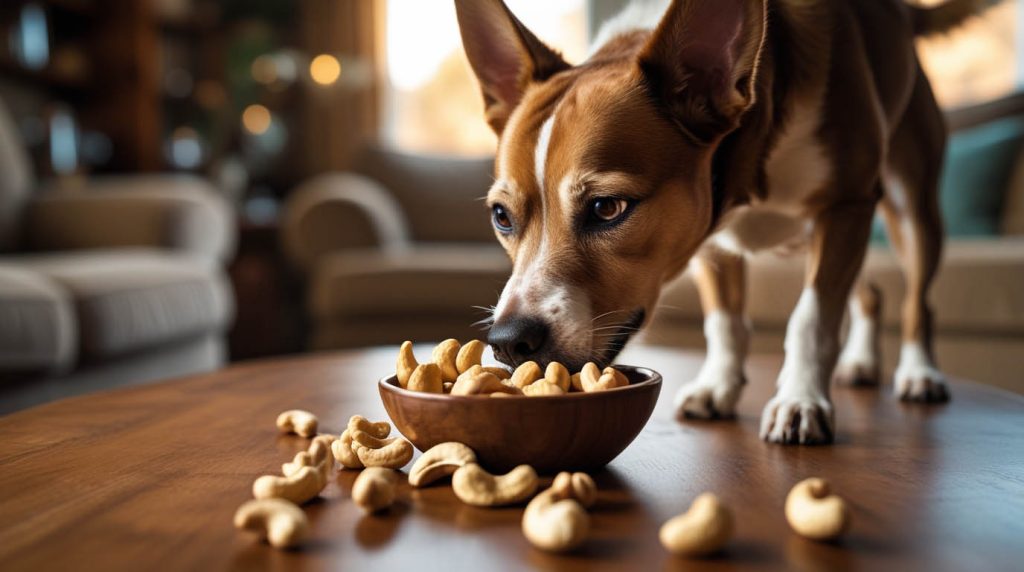
First, let’s clear up the big fear behind can dogs eat cashews: toxicity.
Some nuts are genuinely dangerous to dogs:
- Macadamia nuts – clearly toxic to dogs; can cause weakness, tremors, and hyperthermia.
- Walnuts, especially moldy ones – risk of mold toxins.
- Bitter almonds – can contain cyanide compounds, not the same as regular sweet almonds.
Cashews, by contrast:
- Are not classified as toxic to dogs when properly processed and fed plain.
- Are one of the few nuts that major organizations like the American Kennel Club cautiously list as “okay in very small amounts”.
So, from a strict toxin standpoint, the answer to can dogs eat cashews is:
- They can—cashews are not inherently poisonous to dogs.
- However, that’s only the start of the story, not the end.
Raw vs. Roasted Cashews in Can Dogs Eat Cashews
Humans rarely eat truly raw cashews. Cashews in stores are almost always steamed or roasted to destroy natural compounds in the shells that can irritate skin and GI tracts.
For dogs:
- You should only even consider cashews that are plain, unsalted, and roasted/steamed, never shell‑on or “raw” from unverified sources.
- Shells and husks are absolutely off‑limits.
If you stick to the right kind of cashew and very small quantities, toxicity per se isn’t the main issue. The bigger question behind can dogs eat cashews becomes: what do all that fat and calories do to a dog’s body?
Why “Can Dogs Eat Cashews” Is an Important Health Question
Fat Content and Can Dogs Eat Cashews Safely
Cashews are energy‑dense. According to USDA data, 1 ounce (about 18 whole cashews) contains roughly:
- 157 calories
- 12 g fat (mostly unsaturated, but still fat)
- 9 g carbs
- 5 g protein
For a human, that’s no big deal. For a 20‑lb dog, those cashews could easily represent 10–20% of daily calories in one tiny handful.
Why this matters for can dogs eat cashews:
- Extra fat can rapidly add weight if you’re not counting it.
- High‑fat treats are a known trigger for pancreatitis, a painful and sometimes life‑threatening inflammation of the pancreas.
VCA Animal Hospitals notes that pancreatitis often follows ingestion of high‑fat foods or table scraps. Cashews absolutely fall into that high‑fat category.
So even though cashews aren’t toxic, can dogs eat cashews becomes a very loaded question from a fat and calorie perspective.
Allergies and Can Dogs Eat Cashews
Dogs can develop food allergies or intolerances to almost any protein—including nuts.
Common signs of nut sensitivity include:
- Itching, licking, or chewing (especially paws)
- Red, irritated skin or ears
- Vomiting or diarrhea
- Gas and abdominal discomfort
While full‑blown cashew allergies aren’t as commonly reported in dogs as in humans, they’re still possible. Whenever you test whether dogs can eat cashews, you must monitor for delayed reactions over 24–72 hours.
Can Dogs Eat Cashews in Any Beneficial Way?
Are There Any Real Benefits When Dogs Eat Cashews?
The pro‑cashew argument for dogs usually sounds like this:
- “Cashews have healthy fats.”
- “They contain minerals like magnesium, zinc, and copper.”
- “They’re plant‑based protein.”
All of that is true for humans. For dogs:
- They already get all required nutrients from a balanced, complete dog food if you’re feeding a quality brand.
- They don’t need extra minerals from cashews.
- They digest and utilize animal proteins and fats more efficiently than plant‑based ones.
So from a nutrition necessity angle, the answer to can dogs eat cashews is:
They can, but they don’t need them, and any small vitamin or mineral bonus doesn’t outweigh the fat and calorie risks.
When Might Cashews Be “Less Bad” Than Other Treats?
There is one narrow way in which “yes” to can dogs eat cashews might seem appealing:
- If you’re currently feeding very unhealthy treats (e.g., fatty meats, processed cheese, high‑sugar snacks), a single, plain cashew on occasion could be a less bad alternative.
However, there are usually much better options than nuts, like:
- Tiny bits of lean, cooked chicken
- Green beans or carrot slices
- Purpose‑designed low‑cal dog treats
So even here, the verdict is: cashews are not the worst thing in the world, but they’re far from the best option.
How to Implement “Can Dogs Eat Cashews” Safely (If at All)
Let’s say your dog is:
- An adult
- At a healthy weight
- Not diabetic, not pancreatitis‑prone
- Cleared by your vet for occasional nut treats
Even then, answering can dogs eat cashews with a cautious yes requires following strict rules.
Step-by-Step: If Dogs Can Eat Cashews in Your Home
- Get vet approval first
- Mention nuts at your next visit.
- Ask directly: “Can my dog eat cashews at all, and if yes, how many?”
- Choose the right cashews
- Plain, unsalted, dry‑roasted or steamed only.
- No salt, no spices, no chocolate, no yogurt or candy coatings.
- Never from mixed nut jars that might also contain macadamias, walnuts, or flavored nuts.
- Mind the size and shape
- Whole cashews can be a choking hazard for small dogs or those that gulp.
- Break them into half or smaller pieces, especially for small or brachycephalic breeds.
- Start with a tiny trial
- Offer half a cashew or a very small piece.
- Wait 24–48 hours watching for GI signs or itching before offering more.
- Respect the treat calorie rule
- All treats—including cashews—should make up no more than 10% of daily calories.
- For many dogs, that means 1–2 cashews maximum on any cashew‑treat day.
- Keep it occasional, not daily
- Think of cashews as a rare novelty, not a staple treat.
- Rotate with much lower‑fat options.
Handled this way, the practical answer to can dogs eat cashews becomes: for some dogs, yes—in tiny, controlled amounts, and not often.
Health Conditions That Change the Answer to Can Dogs Eat Cashews
When Can Dogs Eat Cashews Is Definitely “No”
For some dogs, the only safe answer to can dogs eat cashews is no:
- Dogs with a history of pancreatitis
- Even small fat loads can trigger another attack.
- Nuts are usually placed firmly on the “avoid” list.
- Dogs with chronic GI problems
- IBD, chronic colitis, frequent vomiting or diarrhea – all these make experimenting with fatty, rich foods a bad idea.
- Dogs on strict prescription diets
- For kidney disease, liver disease, severe allergies, etc.
- Vets design those diets carefully; random cashews can undo that work.
- Dogs with a known food allergy history
- Especially if they’ve reacted to nuts or legumes before.
- Testing nuts like cashews adds unnecessary risk.
If your dog fits one of these, the safest, most honest answer to can dogs eat cashews is: not worth trying, stick to approved treats.
Common Mistakes When People Assume Dogs Can Eat Cashews
Even when owners understand that dogs can eat cashews only carefully, a few mistakes show up again and again.
Mistake 1: Feeding Salted or Flavored Cashews
Most cashews we snack on are:
- Salted
- Roasted in oil
- Sometimes flavored with garlic, onion, chili, honey, or other spices
These additions greatly worsen the can dogs eat cashews risk profile:
- Excess sodium can stress the heart and kidneys, especially in small or older dogs.
- Garlic and onion powders are toxic to dogs in sufficient quantity and can contribute to anemia.
- Sugary coatings add even more empty calories.
So if “can dogs eat cashews” in your house means “salted, honey‑roasted, or spicy cashews,” the practical answer is absolutely no.
Mistake 2: Handfuls Instead of Single Nuts
Another pattern:
“He had a few yesterday and was fine, so I guess he can handle cashews.”
Little by little, “a couple” turns into:
- A small handful after dinner
- “Cleaning up” nuts that spill on the floor
- Sharing during movies or parties
Remember: pancreatitis and weight gain are dose‑dependent over time. A dog can appear fine after a few nuts—until one day, they’re not.
To keep “yes” to can dogs eat cashews from turning into “we’re at the emergency vet,” you have to stay strict with quantity, not just general vibes.
Mistake 3: Mixed Nuts and the Can Dogs Eat Cashews Confusion
Many people keep mixed nuts at home:
- Cashews
- Almonds
- Peanuts
- Walnuts
- Macadamias
If you’re not extremely careful, the question morphs from can dogs eat cashews to “did my dog just eat something toxic from that bowl?”
Because:
- Macadamias are clearly toxic to dogs; even a small amount can cause neurological signs.
- Some nut mixes are processed with chocolate or contain candy pieces.
So if you want to test whether dogs can eat cashews safely, never do it from a communal nut bowl. Use a separate stash of plain cashews, and keep mixed nuts firmly off limits.
Best Practices and Safer Alternatives to Can Dogs Eat Cashews
When You Want to Say Yes to Can Dogs Eat Cashews
If, after talking with your vet, you still want your dog to experience cashews, build yourself a checklist:
- Dog is adult, healthy, and normal weight
- You have plain, unsalted, roasted cashews
- You limit to 1–2 tiny pieces per session
- Cashews appear at most once every week or two
- You also have much healthier treats in rotation, like veggies and lean proteins
If you can’t consistently meet all of those, the safest move is to turn “can dogs eat cashews” into a default no and remove temptation from the snack lineup.
Healthier Go-To Treats Than Can Dogs Eat Cashews
There are plenty of ways to spoil your dog that don’t come with the cashew baggage:
- Green beans (fresh or frozen, plain) – crunchy, very low calorie
- Baby carrots – great crunch, small size, many dogs love them
- Blueberries – in very small amounts, if your vet approves
- Tiny bits of plain cooked chicken or turkey – high value for training
- Commercial low‑calorie dog treats – easy to dose and designed with dogs in mind
Once you build a treat routine around these, you’ll find you rarely even think about whether dogs can eat cashews—you’ve got better options.
Tools and Resources to Decide Can Dogs Eat Cashews for Your Dog
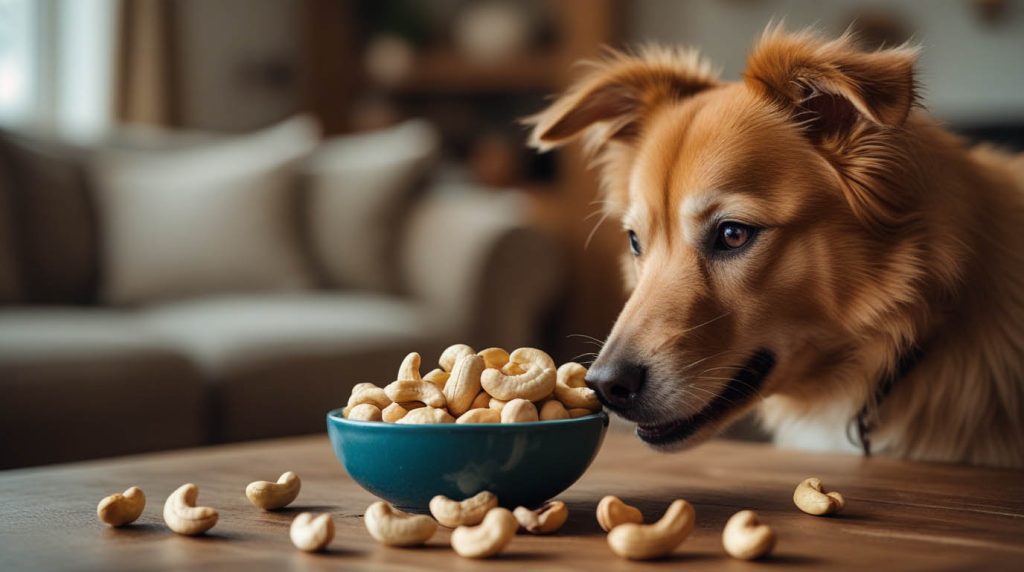
Where to Double-Check Can Dogs Eat Cashews
Beyond your own veterinarian (always your first stop), a few trustworthy resources talk about nuts and dogs:
- American Kennel Club (AKC) – overview of which nuts dogs can eat, including cashews in moderation.
- PetMD – vet‑reviewed articles on human foods that are safe or unsafe for dogs.
- ASPCA Animal Poison Control – detailed information on truly toxic foods and plants.
- VCA Animal Hospitals – guidance on managing treats and pancreatitis risk.
These sources are updated regularly and reviewed by veterinarians, which supports strong E‑E‑A‑T (experience, expertise, authoritativeness, trustworthiness).
Simple Tracking to Monitor After Dogs Eat Cashews
If you decide to test whether your dog can eat cashews:
- Keep a brief log
- Date and amount of cashews given
- Any signs of vomiting, diarrhea, itching, or behavioral changes in the next 2–3 days
- Track weight and body condition
- Weigh your dog monthly if possible.
- Note if the waistline is vanishing or ribs are harder to feel.
- Adjust or stop
- If you see any GI signs or weight creeping up, remove cashews from the treat list and talk to your vet.
This simple “mini‑study” turns the generic can dogs eat cashews debate into a clear, personal answer for your household.
Case Studies: Real Dogs Answering Can Dogs Eat Cashews
Case 1: The Pancreatitis Scare
Dog: Buddy, 7‑year‑old Cocker Spaniel
History: Healthy, slightly chubby, known for begging talent.
Buddy’s family often handed him three or four cashews during evening TV. Over time, that became almost nightly.
One weekend, after a party with lots of snacks (including nuts), Buddy developed:
- Vomiting
- Abdominal pain (hunched posture, reluctance to move)
- Loss of appetite
At the emergency vet, he was diagnosed with pancreatitis. The vet asked about recent high‑fat foods, and the owners realized just how many cashews and rich scraps he’d been getting.
For Buddy, the final answer to can dogs eat cashews became: We treated them as harmless until they weren’t. Now, his cashew days are over.
Case 2: The Controlled Yes
Dog: Luna, 4‑year‑old Border Collie mix
History: Lean, athletic, no GI problems, very food‑motivated.
Luna’s owner asked her vet early on, “In a perfect world, can dogs eat cashews just once in a while if I’m careful?”
The vet agreed that for Luna:
- One plain, unsalted cashew, broken into small pieces
- Not more than once a week
- Counted as part of her treat calories
…was unlikely to cause trouble. Luna tolerated this for years with no GI issues or weight gain, alongside a very active lifestyle and otherwise excellent diet.
Here, the controlled, data‑driven answer to can dogs eat cashews for Luna was: yes, under strict rules, and with awareness that cashews are a luxury, not a need.
Future Trends: Will The Answer to Can Dogs Eat Cashews Change?
As pet food science evolves, we might see:
- More nuanced recommendations about healthy fats in canine diets
- Better understanding of nut allergies in dogs
- New treat formulations that use tiny amounts of nuts for flavor without the fat load
However, it’s unlikely that mainstream veterinary advice will ever shift to “dogs should eat cashews.” The safest view will probably remain:
Dogs can eat cashews sometimes, but most don’t need them—and many do better without them.
FAQ: Quick Answers About Can Dogs Eat Cashews
Q: How many cashews can dogs eat safely?
For a healthy medium‑sized dog, one or two plain, unsalted cashews on rare occasions may be tolerated, but always check with your vet. Smaller dogs should have less, and some dogs shouldn’t have any at all.
Q: Can dogs eat salted cashews?
No. Salted cashews add unnecessary sodium and often come with oils or seasonings that aren’t safe for dogs. Only plain, unsalted cashews should ever be considered—and even those sparingly.
Q: Are cashews bad for dogs with pancreatitis history?
Yes. Dogs that have ever had pancreatitis should avoid high‑fat foods, including cashews. Even a small portion could increase the risk of another episode.
Q: Can dogs eat cashew butter?
Cashew butter is usually very high in fat and sometimes contains added salt, sugar, or even xylitol (which is deadly to dogs). Unless your vet explicitly approves a specific brand, it’s safer to avoid cashew butter.
Q: Can puppies eat cashews?
Puppies have more delicate digestion and very specific nutritional needs. They don’t need nuts at all. Most vets will recommend no cashews for puppies and sticking to complete puppy food and vet‑approved treats instead.
Conclusion: Your Final Guide to “Can Dogs Eat Cashews”
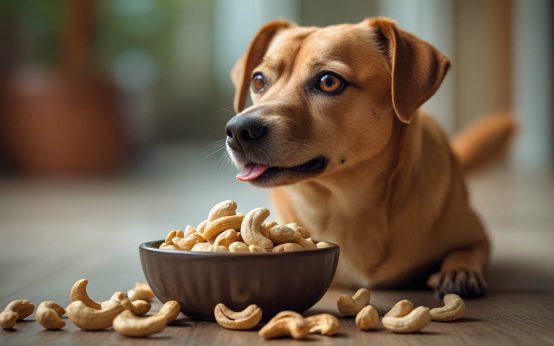
So, can dogs eat cashews? Technically, many healthy adult dogs can safely handle a very small number of plain, unsalted, roasted cashews once in a while. Cashews aren’t inherently toxic like macadamia nuts, and a carefully controlled nibble won’t ruin a well‑balanced diet.
However, that narrow “yes” sits on top of a long list of caveats. Cashews are calorie‑dense and high in fat, which increases the risk of weight gain and pancreatitis, especially if portions creep up or dogs already have medical conditions. Flavored, salted, mixed, or shell‑on cashews push the answer straight into “no” territory.
The most dog‑centric answer to can dogs eat cashews is: they don’t need them, and there are almost always better, safer treat options available.

 Can Dogs Eat Cashews? Complete Safety Guide