


 Animal Zoid Editorial Team
 If you snack on nuts a lot, you’ve probably asked yourself at some point, “are almonds safe for dogs?” Maybe one slipped off the coffee table and vanished into your dog’s mouth before you could react. Or maybe your family likes to share “healthy” snacks, and almonds seem like a better choice than processed treats. Because almonds are good for humans, it’s easy to assume they might be good—or at least safe—for dogs, too.
Here’s the honest core answer: almonds are not considered safe or appropriate treats for dogs. They’re not as acutely toxic as some other nuts, but they bring real risks: choking, digestive upset, and even pancreatitis in some dogs. So when we explore the question are almonds safe for dogs, the conclusion ends up being “not really, and they’re never necessary.”
In this comprehensive guide, we’ll unpack:
- What people actually mean when they ask are almonds safe for dogs
- What veterinary experts and major pet organizations say
- The difference between “not toxic” and “actually safe”
- How to respond if your dog already ate almonds
- Safer alternatives and practical routines to prevent future scares
By the end, you’ll have a clear, vet‑aligned answer to are almonds safe for dogs, plus a plan you can apply in your own home.
Why Asking “Are Almonds Safe for Dogs” Matters
At first glance, the question are almonds safe for dogs might feel like nitpicking. After all, it’s “just one nut.” However, when you zoom out, it matters more than it seems.
Dogs Live in Our Food Environment
In a typical home, dogs:
- Hover under the kitchen counter
- Clean up dropped snacks
- Lick plates if allowed
- Raid trash cans or bags left open
Almonds show up in:
- Trail mixes and nut bowls
- Granola bars and cereals
- Baked goods made with almond flour
- Almond milk, almond butter, and snack packs
So, “are almonds safe for dogs” becomes a daily life question. If you assume they are safe, you’ll probably share them or let your dog keep cleaning up spills. If you know they’re not, you’ll handle those moments differently.

Dogs Are Not Small Humans
Almonds earn their reputation as a human “superfood” because of healthy fats, protein, and vitamin E. However, dogs:
- Have different digestive systems
- Handle fats and fiber differently
- Don’t need snack‑level additions on top of a balanced diet
Organizations like the American Veterinary Medical Association and VCA Animal Hospitals emphasize that most complete dog foods already meet all nutrient needs without extras. When you understand that, it becomes easier to see why are almonds safe for dogs is an important, separate question from “are almonds healthy for people.”
What Does “Are Almonds Safe for Dogs” Actually Mean?
When someone asks are almonds safe for dogs, they’re usually not doing a research project. They’re really wondering things like:
- “Do I need to panic if my dog ate an almond?”
- “Can I give my dog an almond sometimes if they love them?”
- “Are almonds safer than other nuts or snacks?”
So under the surface, are almonds safe for dogs splits into three key sub‑questions:
- Toxicity: Do almonds contain substances that poison dogs?
- Physical safety: Can almonds choke or block a dog’s airway or intestines?
- Dietary safety: Do almonds disrupt digestion, weight, or organ health?
To answer the big question properly, we have to look at all three.
Are Almonds Safe for Dogs from a Toxicity Standpoint?
This is where some of the confusion starts.
Are Almonds Chemically Toxic to Dogs?
Unlike:
- Macadamia nuts, which are well‑documented as toxic to dogs
- Grapes and raisins, which can cause kidney failure
- Xylitol, which can trigger severe hypoglycemia and liver failure
…almonds are not currently classified as inherently toxic to dogs.
The American Kennel Club’s resource on almonds points out that almonds are not known to contain a dog‑specific poison. However, AKC still advises against feeding them because of other serious risks.
The same caution appears in PetMD’s article on dogs and almonds, which notes that almonds can lead to GI upset and pancreatitis.
So if you’re strictly asking are almonds safe for dogs in terms of toxins, the answer sounds like:
Almonds aren’t like macadamia nuts or chocolate—they don’t have a known, unique toxin for dogs.
However, that doesn’t mean almonds are “safe.” It just means they’re in a different category of risk.
Are Almonds Safe for Dogs Nutritionally?
Now we move from pure toxicology to nutrition and physiology.
Are Almonds Safe for Dogs in Terms of Fat and Calories?
Almonds are:
- High in fat (mostly unsaturated)
- Dense in calories relative to size
- Easy to overeat because they seem small
For humans trying to gain healthy fats, that’s a bonus. For dogs:
- Extra fat can overwhelm the digestive system
- Extra calories can quickly lead to weight gain
According to obesity data cited by the AVMA, more than half of pet dogs in the US are overweight or obese. High‑calorie treats—including nuts—play a part in that.
So, nutritionally, are almonds safe for dogs on top of a complete diet? Generally, no; they’re more likely to cause imbalance than benefit.
Are Almonds Safe for Dogs for Vitamins and Minerals?
Almonds provide:
- Vitamin E
- Magnesium and manganese
- Small amounts of B vitamins
However:
- Quality dog foods are already formulated to meet micronutrient requirements
- Dogs don’t need “topping up” with almonds to stay healthy
- There’s no veterinary guideline that says “feed almonds for vitamin E”
In other words, any micronutrients from almonds are a redundant bonus at best, and dogs can get these safely from their normal food. That further weakens the argument that are almonds safe for dogs could ever be answered with “they’re good for them.”
When Are Almonds Safe for Dogs—and When Are They Not?
This is the part most owners care about: real‑world usage.
Are Almonds Safe for Dogs as a One-Time Accident?
If:
- Your healthy, medium‑to‑large dog
- Ate one or two plain, unsalted almonds
- And is not in a high‑risk group (no pancreatitis history, not a toy breed)
then one isolated incident probably won’t cause a medical catastrophe. You might see:
- No symptoms at all, or
- Mild GI upset (a soft stool, some gas)
So we can say:
In a narrow sense, one or two plain almonds are unlikely to be acutely dangerous for many healthy dogs.
However, the fact that a dog might survive an accident doesn’t mean almonds are safe or appropriate as treats.
Are Almonds Safe for Dogs of All Sizes and Breeds?
Size and breed matter a lot:
- Toy and small breeds (e.g., Chihuahuas, Yorkies) are at greater risk of:
- Choking on a single almond
- Esophageal or intestinal obstruction
- Having a significant fat load from even one nut
- Brachycephalic (flat‑faced) breeds like Pugs and Bulldogs:
- Already have compromised airways
- Can choke more easily on oddly shaped foods, including almonds
So for these dogs, the answer to are almonds safe for dogs is essentially “no, not even as a ‘just this once’ treat.”
Health Risks That Make “Are Almonds Safe for Dogs” a Real Concern
Even if almonds don’t contain a specific toxin, they can still cause harm. Let’s look at the main issues.
Choking and Obstruction: Are Almonds Safe for Dogs Mechanically?
Almonds are:
- Small
- Hard
- Oval and slippery
These traits mean they can:
- Get lodged in a dog’s throat, causing choking
- Sit in the esophagus, causing pain and drooling
- Create a blockage in the intestines, especially in small dogs
Dogs don’t always chew thoroughly, especially when they’re excited. So, purely from a mechanical safety standpoint, are almonds safe for dogs as whole nuts? No, not really.
Digestive Upset and Pancreatitis: Are Almonds Safe for Dogs’ Guts?
Almonds’ high fat content can:
- Irritate the stomach and intestines
- Lead to vomiting and diarrhea
- Trigger pancreatitis, particularly in predisposed dogs
Pancreatitis can range from mild to life‑threatening. It commonly shows up after dogs raid fatty foods—whether that’s bacon grease, a roast pan… or a bag of nuts.
Veterinary resources like PetMD discuss high‑fat foods as a common pancreatitis trigger.
So if your dog has ever had pancreatitis, your vet will likely tell you that the answer to are almonds safe for dogs is an emphatic no.
Salt and Seasonings: Are Flavored Almonds Safe for Dogs?
Most almonds we snack on are:
- Salted
- Roasted in oil
- Sometimes coated in chili, garlic, onion powder, honey, or chocolate
These add‑ons can cause:
- Excess sodium, leading to increased thirst and potential sodium ion toxicity in large amounts
- Exposure to garlic or onion compounds, which are toxic to dogs’ red blood cells
- Additional fat and sugar that strain the GI tract and metabolism
The ASPCA Animal Poison Control Center specifically flags garlic and onion as common toxic seasonings for dogs.
In practice, the way humans usually eat almonds makes the question are almonds safe for dogs even easier to answer: seasoned almonds are definitely not.
Implementing the Answer to “Are Almonds Safe for Dogs” in Daily Life
Knowing that almonds aren’t safe for dogs is one thing. Changing habits is another.
How to React If You’re Not Sure Are Almonds Safe for Dogs in a Specific Situation
If your dog eats almonds and you’re unsure what to do:
- Stay calm and assess.
- How many almonds did they eat?
- Were they salted or flavored?
- How big is your dog? Do they have any medical conditions?
- Remove the source.
- Pick up spilled nuts.
- Put bags or bowls out of reach.
- Monitor for symptoms over the next 24–48 hours:
- Vomiting or diarrhea
- Coughing, gagging, or difficulty swallowing
- Abdominal pain (hunched posture, whining, restlessness)
- Lethargy or refusal to eat
- Call your veterinarian if:
- Your dog is small or has health issues
- They ate a large number of almonds
- You see any warning signs
Emergency hotlines like the Pet Poison Helpline can also help you decide how urgent the situation is.
Using Knowledge of Are Almonds Safe for Dogs to Choose Treats
Once you’ve settled that are almonds safe for dogs is mostly “no,” you can:
- Draw a clear line: almonds and most mixed nuts are human‑only snacks.
- Plan ahead for shared moments by stocking dog‑safe treats.
- Avoid giving in to begging during nut‑time, since you know the risks.
If you run or read a broader pet nutrition site, you might also explore related guides like:
Internal resources like these help build a complete, consistent view of nuts and dogs.
Common Mistakes Around “Are Almonds Safe for Dogs”
Even informed owners stumble over a few recurring issues.
Mistake 1: Thinking Natural Automatically Means Safe
Almonds are natural, minimally processed, and popular in health circles. That leads some people to assume:
“They’re natural, so are almonds safe for dogs must be yes.”
However, many natural foods (grapes, cocoa, onions) can be dangerous to dogs. “Natural” describes how a food is made, not how it behaves in a dog’s body.
Mistake 2: Comparing Dogs to Humans
Because almonds help with human heart health, people think:
“Almonds are good for my cholesterol, so maybe they help my dog, too.”
Dogs:
- Don’t usually suffer from the same type of high‑cholesterol heart disease as humans
- Already have diets tailored to their needs (if you’re feeding balanced dog food)
- Don’t benefit specifically from almond‑type fats the way we might
So human health benefits don’t answer are almonds safe for dogs—they’re just a different story.
Mistake 3: Overlooking Almonds in Mixed Foods
Owners often think only about whole nuts and forget:
- Nut mixes with raisins and chocolate (both major dog toxins)
- Baked goods where almonds are combined with sugar and butter
- Almond butters that might contain xylitol
So instead of just asking are almonds safe for dogs, it helps to ask:
“What else is in this almond-containing food, and is that safe?”

Best Practices Now You Know the Truth About “Are Almonds Safe for Dogs”
Now that you understand why almonds aren’t safe for dogs, you can set up some straightforward routines.
Safer Alternatives When You Ask Are Almonds Safe for Dogs
If you want to share something crunchy or special, better options include:
- Carrot sticks – crunchy, low‑calorie, and dog‑friendly
- Green beans – fresh or frozen, plain
- Apple slices (no seeds or core) – sweet but lower fat than nuts
- Plain air‑popped popcorn (no butter, no salt) – in moderation
- Commercial dog treats vetted by your veterinarian
Compared to almonds, these treats:
- Have lower fat
- Carry less choking risk
- Are closer to what dogs’ bodies are built to handle
Training and Home Setup Based on Are Almonds Safe for Dogs
You can also use your knowledge that almonds aren’t safe for dogs to guide training and environment:
- Teach a strong “leave it” command using low‑value objects first, then work up to food on the ground.
- Store nuts and nut products in high cupboards or sealed containers.
- Keep nut bowls off low tables, especially during parties or movie nights.
- Make family rules: no one gives almonds to the dog, no matter how cute the begging is.
Once these practices become habit, you’ll rarely need to ask are almonds safe for dogs—you’ll simply know they’re off the menu.
Tools and Resources to Double-Check “Are Almonds Safe for Dogs”
Solid information helps you avoid panic—or complacency.
When you’re unsure about are almonds safe for dogs, or any other human food, consult:
- American Kennel Club – Can Dogs Eat Almonds?
- PetMD – Can Dogs Eat Almonds?
- ASPCA Animal Poison Control Center
- Pet Poison Helpline – Dogs and Nuts
- VCA Animal Hospitals – General Feeding Guidelines
These external resources, combined with internal guides on your own site (like almond butter for dogs), give you a comprehensive base for all future food questions.
Case Studies That Show Why “Are Almonds Safe for Dogs” Is Complicated
Sometimes a story says more than a list of bullet points.
Case Study 1: The Nut Bowl Accident
Jake, a 50‑lb Lab, knocked over a nut bowl at a family gathering and ate:
- Several almonds
- Walnuts
- A few raisins mixed in
At first, his owners only worried about whether almonds are safe for dogs. When they called their vet, they learned that raisins were the bigger emergency. Jake needed immediate treatment to protect his kidneys. The almonds added fat and digestive risk, but the raisins were the true toxin.
Lesson: the question isn’t just are almonds safe for dogs, but “what else is hiding in that mix?”
Case Study 2: The Tiny Dog and the Big Nut
Mimi, an 8‑lb Chihuahua, caught an almond someone dropped in the kitchen. She gulped it whole. Within minutes, she:
- Started gagging
- Pawed at her mouth
- Tried to vomit but couldn’t
Her family rushed her to an emergency vet, where imaging showed a lodged piece in the upper GI tract. It had to be removed. For Mimi, the answer to are almonds safe for dogs became crystal clear—especially for small breeds.
Future Trends in Answering “Are Almonds Safe for Dogs”
As pet nutrition research grows, we might see:
- Clearer warning labels on nut products about pet safety
- More dog-specific treats that mimic nut flavors without using whole nuts
- Increased veterinary outreach about which human “health foods” don’t translate to dogs
However, the fundamentals behind are almonds safe for dogs won’t change: dogs don’t need almonds, and almonds bring avoidable risks.
FAQ: Short Answers About Are Almonds Safe for Dogs
Q1: Are almonds safe for dogs if they’re unsalted and plain?
Even plain, unsalted almonds aren’t considered safe treats. They still pose choking, obstruction, and high‑fat digestive risks. Vets generally say to avoid them.
Q2: Are almonds safe for dogs as an occasional treat?
A healthy, larger dog might tolerate 1–2 plain almonds once without obvious issues, but there’s no health benefit and actual risk. It’s better not to use them as treats at all.
Q3: Are almonds safe for dogs compared to peanuts?
Plain peanuts (and small amounts of xylitol‑free peanut butter) are sometimes used as dog treats in moderation. Almonds have similar fat issues but add more choking risk due to their shape. Neither is ideal; almonds are worse.
Q4: Are almonds safe for dogs who have pancreatitis?
No. Dogs with current or past pancreatitis should avoid high‑fat foods, including almonds and other nuts, unless a vet says otherwise.
Q5: Are almond-based products like almond milk safe for dogs?
Most plain, unsweetened almond milks in tiny tastes are less risky than whole nuts, but many contain added sugars or xylitol. Dogs don’t need almond milk at all, so it’s best skipped.
Conclusion: How You Should Answer “Are Almonds Safe for Dogs”
At first, it’s easy to see almonds through a human health lens: they’re crunchy, natural, and full of “good fats.” Yet once you examine how they interact with a dog’s body, the answer to “are almonds safe for dogs?” becomes far less appealing. While almonds aren’t in the same toxic class as macadamia nuts or xylitol, they still bring significant dangers—choking, GI upset, pancreatitis risk, and extra calories that most dogs simply don’t need.
You’ve seen how size, health status, and the way almonds are prepared all factor into the risk. You’ve also discovered plenty of safer, dog‑friendly alternatives that scratch the same itch for sharing snacks, without hovering over your dog later worrying about what you just did.
Your next step is simple:
Decide today that almonds and mixed nuts are human‑only foods in your household. Move nut bowls out of reach, train a solid “leave it,” and stock up on vet‑approved, dog‑safe treats instead. If your dog ever does manage to sneak an almond, you’ll know exactly how to assess the situation and when to call your vet.
By turning the question are almonds safe for dogs into a clear, confident “no, and here’s what we’ll do instead,” you protect your dog from avoidable harm—and that’s one of the most loving, informed choices a pet parent can make.

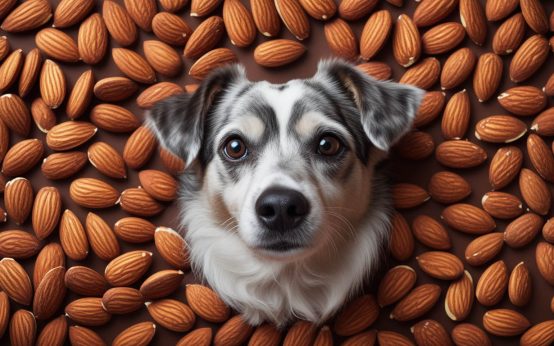 Are Almonds Safe for Dogs? Complete Guide