

 Animal Zoid Editorial Team
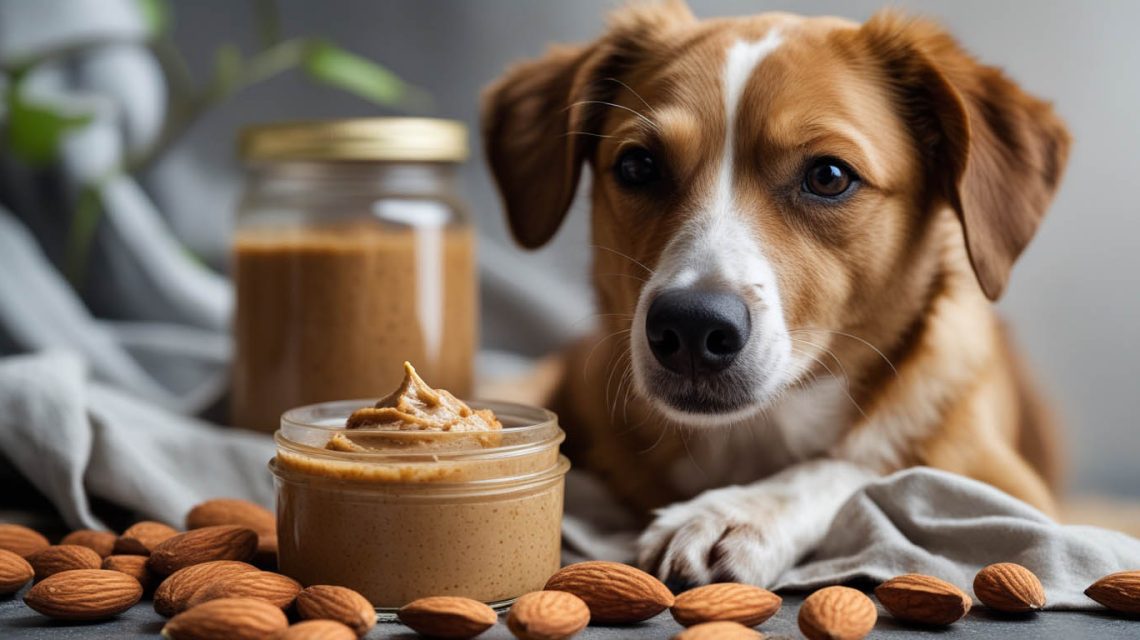
 If you love filling Kongs or lick mats, you’ve probably wondered at least once whether almond butter for dogs is a smart upgrade from peanut butter. Maybe you bought an expensive jar for yourself and your dog went wild for the smell. Or maybe you saw “almond butter” on a trendy dog treat label and thought, “That sounds healthy… right?”
Here’s the honest, vet‑aligned truth: plain, xylitol‑free almond butter for dogs can be used in tiny amounts as an occasional treat, but it’s easy to get wrong. Almond butter is rich, calorie‑dense, and often packed with extra ingredients that are anything but dog‑friendly. So, although it isn’t automatically poisonous, almond butter for dogs definitely isn’t a free‑for‑all.
In this guide, we’ll dig into:
- What almond butter for dogs actually is (and how it differs from whole almonds)
- When almond butter for dogs can be used relatively safely
- Major health risks, including pancreatitis and xylitol poisoning
- Safe serving strategies and label‑reading tips
- Common mistakes, real‑world stories, and healthier alternatives
By the end, you’ll know exactly when almond butter for dogs makes sense—and when to put the jar back in your own cupboard.
What Is Almond Butter for Dogs, Really?
Before we can decide whether almond butter for dogs is safe, we need to define what we’re talking about.
Basic Definition of Almond Butter for Dogs
At its core, almond butter is:
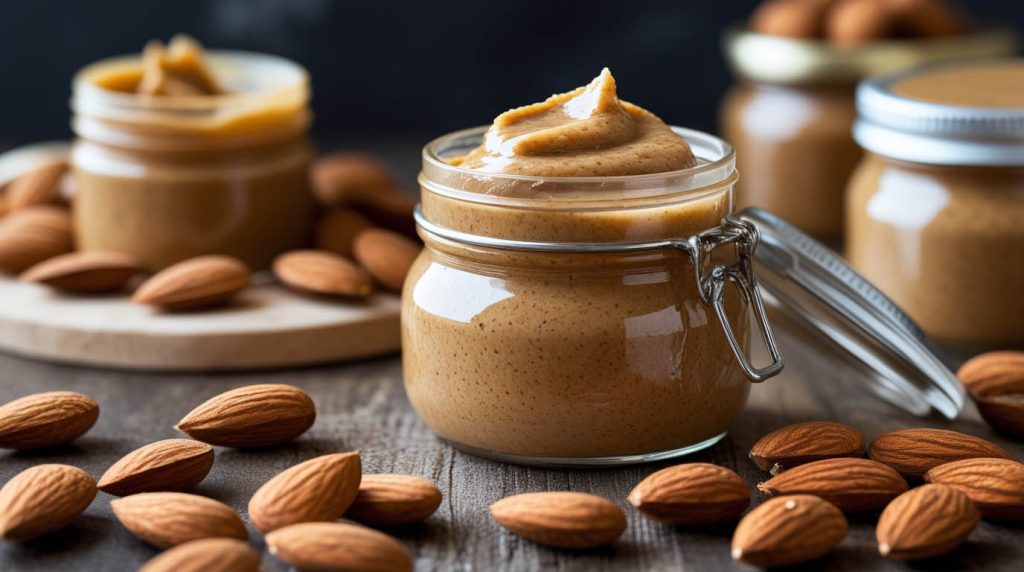
- Ground almonds blended into a spreadable paste
- Sometimes mixed with oil to improve texture
- Often seasoned with salt, sugar, or sweeteners
When people talk about “almond butter for dogs,” they usually mean using:
- Human‑grade almond butter (straight from your pantry)
- A tiny smear in a Kong, on a lick mat, or around a pill
- Sometimes, commercial dog treats that advertise almond butter as an ingredient
The key point: almost all almond butter for dogs was originally designed for humans, not canines. That means the ingredient list and nutrition profile rarely put dog health first.
Why People Consider Almond Butter for Dogs
So why are so many pet owners suddenly curious about almond butter for dogs?
Common reasons include:
- They’ve heard whole almonds aren’t great, but wonder if a smooth version is safer.
- Their dog loves nutty flavors, and they want variety beyond peanut butter.
- They assume almond butter is a “healthier,” more premium nut butter.
- They see almond butter listed on fancy dog treats and think it must be good.
Here’s the thing: on the surface, this logic makes sense. However, the real answer to “Is almond butter for dogs a good idea?” depends heavily on how it’s made and how much you use.
Is Almond Butter for Dogs Safe? What the Experts Say
It helps to start with what veterinary sources and major pet organizations say about nuts and nut butters.
- The American Kennel Club’s article on almonds notes that whole almonds aren’t toxic per se, but they’re not recommended for dogs due to choking, high fat, and seasoning risks.
- PetMD’s guidance on almonds and dogs explains that almonds don’t agree with most dogs’ digestive systems and can contribute to pancreatitis.
- The ASPCA Animal Poison Control Center reminds owners that many human nut products contain xylitol, chocolate, or spices that are outright dangerous for dogs.
- General feeding guidelines from VCA Animal Hospitals emphasize that high‑fat “people foods” should be limited or avoided completely.
So, where does that leave almond butter for dogs?
Most vets would say:
Plain, xylitol‑free almond butter for dogs can be used in tiny amounts for healthy dogs, but it’s not necessary, and it’s very easy to overdo.
Almond Butter for Dogs vs Whole Almonds
If whole almonds are a bad idea, is almond butter for dogs any better?
How Almond Butter for Dogs Reduces Some Risks
Almond butter for dogs does have a few advantages over whole almonds:
- No choking hazard from hard, slippery nuts
- Less risk of intestinal obstruction from intact pieces
- Easier to portion control with a teaspoon or a fingertip
So, yes, from a mechanical standpoint, almond butter for dogs is safer than letting your dog crunch whole nuts.
What Almond Butter for Dogs Keeps (the Good and Bad)
However, almond butter for dogs still keeps:
- The high fat content
- The high calories in a small volume
- Any salt, sugars, or added oils in the product
And because almond butter is smooth and delicious, it’s even easier for dogs to consume too much. A single tablespoon can carry around 90–100 calories, which is a lot for most dogs.
So while almond butter for dogs solves the choking problem, it doesn’t solve the nutrition and ingredient problems.
Almond Butter for Dogs vs Peanut Butter
Most people compare almond butter for dogs to peanut butter, since peanut butter is a classic dog treat.
Is Almond Butter for Dogs Healthier Than Peanut Butter?
Not necessarily.
Both are:
- High in fat
- High in calories
- Often sold with additives like sugar, salt, or oils
Peanut butter has a longer history of occasional safe use in dogs (in tiny amounts), and vets tend to know what to expect. Almond butter for dogs hasn’t been as widely studied, and many “healthier” almond butters target human trends—not dog safety.
So the answer to “Is almond butter for dogs better than peanut butter?” is usually:
Not by much—if at all. Both should be used sparingly, if at all, and only in dog‑safe forms.
If you already use peanut butter and your vet is fine with it, switching to almond butter for dogs doesn’t automatically improve anything.
Potential Benefits of Almond Butter for Dogs (In Moderation)
To be fair, there are a few reasons owners still consider using almond butter for dogs in tiny quantities.
High-Value Rewards: Almond Butter for Dogs as Training and Enrichment
Some dogs find almond butter incredibly motivating. You might use it to:
- Smear a pea‑sized dab inside a Kong or puzzle toy
- Spread a thin layer on a lick mat for mental enrichment
- Reward a big training breakthrough with a special “jackpot”
In those narrow contexts, and with vet approval, almond butter for dogs can function as:
- A high‑value reward in very small doses
- A way to make training more fun and focused
Pill Administration: Almond Butter for Dogs as a Medicine Helper
If your dog hates pills, you know how hard medication time can be.
A tiny bit of almond butter for dogs can help:
- Coat a pill, so it slips down more easily
- Mask bitter tastes when other methods fail
- Turn a stressful moment into something more positive
However, even in this use, almond butter for dogs should be:
- Plain
- Xylitol‑free
- Used in just enough amount to cover the pill (no extra spoonfuls “for fun”)
Health Risks of Almond Butter for Dogs You Can’t Ignore
Now for the less fun part: the dangers that make almond butter for dogs something you should treat carefully.
Almond Butter for Dogs and Pancreatitis
Because almond butter is high in fat, it can:
- Overload a dog’s digestive system
- Trigger pancreatitis in sensitive dogs
- Contribute to nausea, vomiting, and abdominal pain
Pancreatitis can present with:
- Repeated vomiting
- Hunched, “praying” posture
- Lethargy
- Refusal to eat
Dogs with a history of pancreatitis, high blood lipids, or certain breed tendencies should not receive fatty treats like almond butter without explicit veterinary guidance.
So for these dogs, the answer to “Is almond butter for dogs okay?” is a clear no.
Weight Gain and Obesity from Almond Butter for Dogs
According to multiple surveys, including those summarized by the AVMA’s pet obesity discussions, more than 50% of dogs in the U.S. are overweight or obese. Extra calories from treats play a big role.
Almond butter for dogs is:
- Energy‑dense – one tablespoon can equal a big chunk of daily needs
- Easy to underestimate – “just a spoonful” sounds small but isn’t
- Often used on top of an already complete diet
Over time, using almond butter for dogs too generously can:
- Add unwanted pounds
- Strain joints and the heart
- Increase risk of diabetes and other metabolic diseases
So even if your dog “does fine” digestively, almond butter for dogs can silently sabotage long‑term health.
Xylitol: The Biggest Hidden Threat in Almond Butter for Dogs
The single biggest red flag when you think about almond butter for dogs is xylitol.
Xylitol is:
- A sugar alcohol used in “sugar‑free” and “no added sugar” products
- Extremely toxic to dogs, even in small amounts
- Capable of causing life‑threatening hypoglycemia and liver failure
Many human nut butters have started using xylitol to appeal to health‑conscious buyers. If a dog ingests even a relatively small amount, consequences can include:
- Sudden vomiting
- Weakness, staggering
- Seizures
- Collapse
Both the ASPCA Animal Poison Control Center and Pet Poison Helpline rank xylitol high on the list of household poisons for dogs.
If you remember nothing else from this article, remember this:
Almond butter for dogs must be 100% xylitol‑free, or it should never go near your dog’s mouth.
How to Use Almond Butter for Dogs (If Your Vet Approves)
If, after discussing it with your veterinarian, you decide to use almond butter for dogs in tiny amounts, here’s how to do it as safely as possible.
Reading Labels on Almond Butter for Dogs
Before you let almond butter for dogs anywhere near your dog:
- Scan the ingredient list carefully.
Avoid products with:- Xylitol or any “sugar alcohols”
- Chocolate or cocoa
- Spices like garlic or onion powder
- Excess added sugar or honey
- Excess sodium
- Prefer simple formulations.
Ideal almond butter for dogs will have:- Just almonds (and maybe a small amount of oil)
- No added sweeteners, flavors, or salt
- Re‑check every brand change.
Don’t assume all almond butters are created equal. Always inspect new jars.
Portion Guidelines for Almond Butter for Dogs
When vets say almond butter for dogs can be used “in very small amounts,” they mean it.
As a rough guide:
- Toy breeds (under 10 lb / 4.5 kg):
A pea‑sized amount on rare occasions is plenty. - Small dogs (10–20 lb / 4.5–9 kg):
¼–½ teaspoon occasionally. - Medium dogs (20–50 lb / 9–23 kg):
½ teaspoon, up to 1 teaspoon max, not daily. - Large dogs (over 50 lb / 23 kg):
Up to 1 teaspoon on rare occasions, if they have no health issues.
Remember, this includes:
- Almond butter used in Kongs
- Almond butter used to hide pills
- Almond butter given on spoons or by family members
All of it counts when you calculate how much almond butter for dogs is really going into your dog.
Quick Takeaway:
Treat almond butter for dogs like a rich dessert, not like everyday fruit or kibble. Less is more.
Comparison Table: Almond Butter for Dogs vs Other Common Treats
| Treat | Calories (approx.) | Fat Content | Dog-Safe in Small Amounts? |
|---|---|---|---|
| Almond butter (1 tsp) | 30–35 | High | Only if plain, xylitol‑free, rarely |
| Peanut butter (1 tsp) | 30–40 | High | If plain, xylitol‑free, rarely |
| Carrot sticks (3–4 pieces) | 10–15 | Low | Yes, great regular treat |
| Green beans (handful) | 10–15 | Low | Yes, great filler and snack |
| Plain dog biscuit | 20–40 | Varies | Yes, if from a reputable brand |
This table makes it clear why the default answer to “Should I lean on almond butter for dogs?” should usually be “no need—there are easier, safer options.”
Common Mistakes With Almond Butter for Dogs
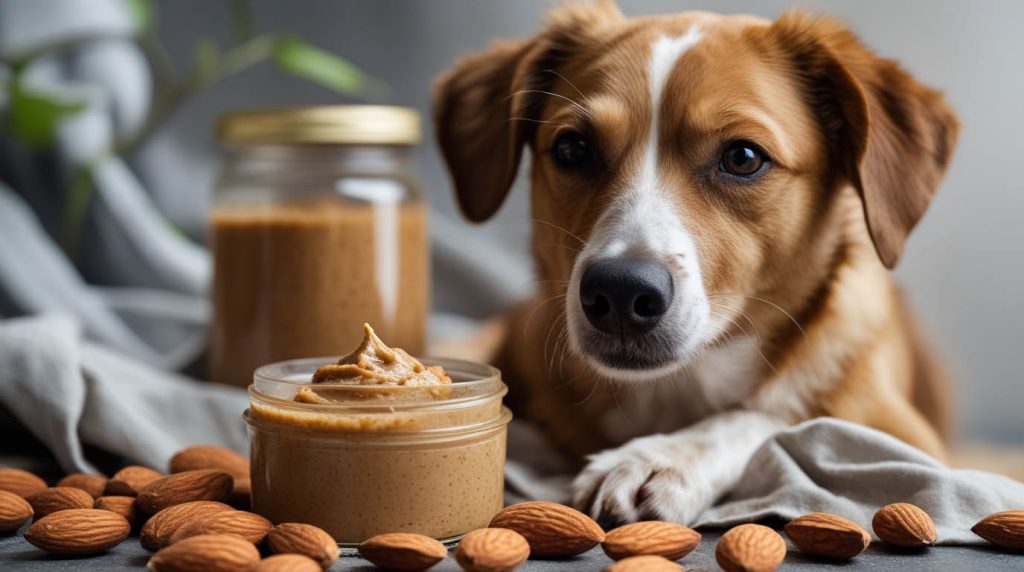
Even smart, caring owners can slip into habits that turn almond butter for dogs from “small indulgence” into “hidden hazard.”
Mistake 1: Daily Use of Almond Butter for Dogs
Because almond butter is:
- Easy
- Tasty
- Sticky (great in Kongs)
it can quickly become a daily routine. Over weeks, that can quietly:
- Add hundreds of calories
- Contribute to weight gain
- Stress the pancreas and digestive system
Almond butter for dogs should never feel like a “regular” part of the daily diet.
Mistake 2: Multiple Family Members Sharing Almond Butter for Dogs
In many households:
- Kids sneak the dog licks from their spoons
- One adult uses almond butter in a Kong
- Another uses it for pills
No single person realizes how much almond butter for dogs has accumulated. The solution is to:
- Set a clear family rule about who can give what
- Communicate that almond butter is “vet‑measured,” not “help yourself”
Mistake 3: Grabbing “Sugar-Free” Products for Almond Butter for Dogs
“Sugar‑free” sounds healthy, but for dogs, it often screams danger.
- Many “sugar‑free” almond butters use xylitol.
- Some use other artificial sweeteners that haven’t been well studied in dogs.
If the front of the jar says “no sugar added,” that’s a red flag to flip it over and check the fine print. For almond butter for dogs, avoid any product that lists sugar alcohols or xylitol.
Better Treat Strategies Than Almond Butter for Dogs
If you’re feeling uneasy about almond butter for dogs now, that’s actually a good sign—you’re thinking like a preventive pet parent. Fortunately, you have plenty of alternatives.
Healthier Swaps for Almond Butter for Dogs
Instead of relying on almond butter for dogs, you could:
- Use xylitol‑free peanut butter in tiny amounts if your vet approves
- Offer baby carrots or carrot sticks as crunchy rewards
- Try frozen green beans for a satisfying chew
- Use a spoonful of plain, unsweetened pumpkin puree (not pie filling) in Kongs
- Choose vet‑approved commercial treats designed for dog digestion
If you run a broader dog nutrition site, you might also cross‑reference related topics, such as:
- Can dogs eat almonds?
- Can dogs eat peanut butter?
Those internal resources can help owners see the full nut and nut butter picture.
When Almond Butter for Dogs Might Still Have a Place
For some owners, almond butter for dogs remains useful:
- As a last‑resort pill disguise when other methods fail
- As an occasional, special reward during big milestone training sessions
- As part of homemade treats your vet has reviewed and approved
Key word: occasional.
Case Studies: Real Dogs and Almond Butter for Dogs
Sometimes, seeing how things play out in real life makes almond butter for dogs feel less abstract.
Case Study 1: The Pancreatitis-Prone Pup
Rosie, a 25‑lb mixed breed, had recovered from one bout of pancreatitis. Her vet put her on a strict low‑fat diet, but her family still wanted to make Kongs “fun.” They started using a small amount of almond butter for dogs once a day.
Within a few weeks:
- Rosie became quieter and less enthusiastic
- She vomited twice in one weekend
- A vet check confirmed another pancreatitis flare
Her family hadn’t connected the almond butter for dogs with the flare‑up until the vet explained how even small, daily fat increments can trigger trouble in sensitive dogs. They switched to low‑fat alternatives, and Rosie’s tummy has been calmer since.
Case Study 2: The Xylitol Close Call
Cooper, a 40‑lb Lab, found a nearly empty jar of “keto almond butter” in the trash and licked it clean. Within an hour, he became:
- Weak and shaky
- Unsteady on his feet
- Dull and disoriented
At the emergency clinic, blood tests showed severe hypoglycemia. The almond butter contained xylitol. Cooper survived thanks to fast treatment, but his owner now reads every label like a hawk and never buys sugar‑free nut butters again.
Future Trends: The Role of Almond Butter for Dogs Going Forward
As the pet industry evolves, we’re likely to see:
- More dog‑specific nut butter products, formulated with safer fat levels and no sweeteners
- Clearer labeling on human almond butter jars, warning pet owners about xylitol
- Increased education from vets and trainers about portion control for rich treats
However, the basic facts behind almond butter for dogs won’t change:
- Dogs don’t need almond butter nutritionally.
- Many dogs remain at risk for obesity and pancreatitis.
- Human food trends will never replace veterinary nutritional science.
So almond butter for dogs may always be a niche, carefully controlled indulgence—never a staple.
FAQ: Quick Answers About Almond Butter for Dogs
Q1: Is almond butter for dogs safer than whole almonds?
Yes, in the sense that it removes choking hazards. However, it still carries high fat, calories, and potential additive risks. So “safer” doesn’t mean “safe to use freely.”
Q2: How much almond butter for dogs is okay?
For healthy dogs, think pea‑sized amounts—a ¼–½ teaspoon for small dogs and up to 1 teaspoon for large dogs, used rarely. Always consider their overall diet and vet advice.
Q3: Can puppies have almond butter?
It’s best not to. Puppies have sensitive digestive systems and very specific nutritional needs. Stick to puppy‑appropriate treats unless your vet instructs otherwise.
Q4: Is homemade almond butter for dogs better than store-bought?
Homemade almond butter can avoid xylitol, sugar, and salt, which is an advantage. However, it’s still high in fat and calories, so portion and frequency limits remain essential.
Q5: What signs mean almond butter for dogs caused a problem?
Watch for vomiting, diarrhea, abdominal pain, lethargy, loss of appetite, or signs of low blood sugar (weakness, wobbliness, collapse). Contact your vet immediately if you see any of these.
Conclusion: Should You Use Almond Butter for Dogs at All?
Almond butter for dogs sounds like a gourmet upgrade, but once you strip away marketing and focus on health, it loses much of its shine. Yes, plain, xylitol‑free almond butter in tiny amounts can sometimes be used safely for healthy dogs—especially as an occasional pill disguise or rare training jackpot. However, it brings no unique benefit that dogs can’t get more safely from other foods, and it carries real risks: high fat, excess calories, and the ever‑present danger of hidden sweeteners like xylitol.
So the smartest, most dog‑centered answer is this:
Almond butter for dogs is optional, not essential—treat it like a rich dessert, not a daily staple.
Your next step is simple:
- Check the labels on any almond butters in your home for xylitol and other additives.
- Talk with your veterinarian about whether a tiny amount of almond butter for dogs makes sense for your dog’s health status.
- Stock up on lower‑risk, dog‑approved treats so you never feel pressured to reach for the almond jar when your dog deserves something special.
By making those small decisions today, you’ll protect your dog from preventable problems while still enjoying all the fun, food‑based rituals that make life with dogs so rewarding.

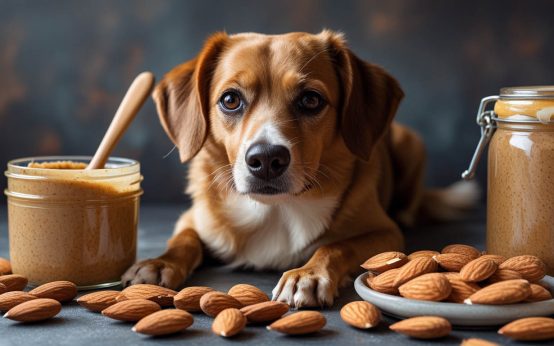 Almond Butter for Dogs: Complete Safety Guide