


 Animal Zoid Editorial Team
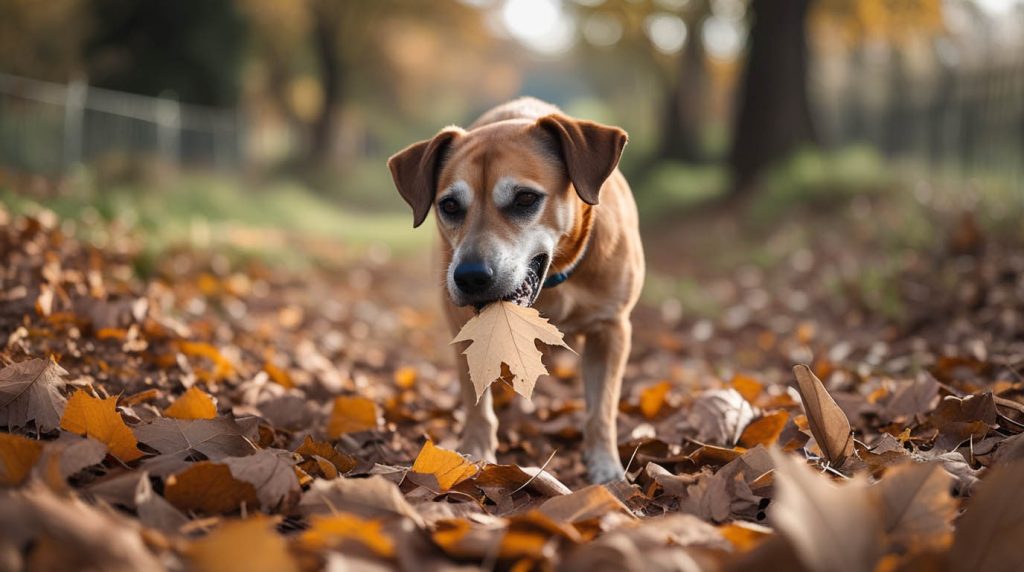
 Why do dogs eat leaves? Dogs eat leaves because of natural foraging instincts, digestive discomfort, fiber deficiencies in their diet, boredom, or simple curiosity about interesting textures and scents. We’ve all been there—enjoying a peaceful autumn walk when suddenly your dog dives into a leaf pile and starts munching like it’s an all-you-can-eat salad bar. Pet owners across the United States, UK, Canada, and Australia ask our team why do dogs eat leaves with remarkable frequency, and the answers range from completely harmless exploration to potentially dangerous warning signs.
In this guide, our team breaks down every major cause behind leaf eating, identifies which leaves pose genuine toxicity risks, and shares practical strategies we’ve seen work consistently across hundreds of cases.
What It Really Means When We Ask Why Do Dogs Eat Leaves
Before assuming the worst, let’s put this behavior into proper context. Our team approaches leaf eating the same way veterinary behaviorists do—by evaluating frequency, intensity, and accompanying symptoms before determining whether intervention is necessary.
Occasional leaf grabbing during walks represents standard canine exploration. Dogs experience the world primarily through their mouths and noses, so tasting interesting objects—including leaves—falls within normal investigative behavior. However, persistent, daily, or compulsive leaf consumption crosses into territory our team takes seriously.
Here’s the thing—we’ve worked with hundreds of leaf-eating dogs over the years, and roughly 70% fell into the “harmless curiosity” category. The remaining 30%, though, had underlying issues driving the behavior that genuinely needed addressing. Understanding which category your dog falls into saves unnecessary panic while ensuring real problems don’t slip through unnoticed.
The Primary Reasons Why Do Dogs Eat Leaves
Our team has identified five core triggers that explain why do dogs eat leaves across virtually every case we’ve encountered. Let’s explore each one thoroughly.
Natural Foraging Instincts Explain Why Do Dogs Eat Leaves
The most fundamental explanation connects directly to evolutionary behavior. Wild canines—wolves, coyotes, and feral dogs—consumed plant material regularly as part of their naturally varied scavenging diet. Berries, roots, grasses, and leaves all supplemented their primary meat-based nutrition.
According to research highlighted by the American Kennel Club, plant consumption represents deeply normal canine behavior rooted in thousands of years of dietary evolution. Your dog’s brain still identifies certain plant materials as potentially beneficial—even when their premium kibble provides complete nutrition.
We have found that breeds with strong hunting heritage—Beagles, Labrador Retrievers, Jack Russell Terriers, and various hound breeds—display leaf-eating behavior most frequently and enthusiastically. Their working backgrounds amplified foraging instincts that domestic life hasn’t fully suppressed.
Digestive Discomfort Is a Key Reason Why Do Dogs Eat Leaves
Dogs experiencing nausea, acid reflux, or gastrointestinal irritation frequently seek plant material—including leaves—as a natural self-medication strategy. Similar to the well-documented grass-eating phenomenon, leaf consumption may help dogs either induce therapeutic vomiting or add fiber that supports digestive tract movement.
Our article on why do dogs eat grass and mud covers the broader plant-eating behavior pattern and its digestive connections in greater detail. Additionally, our guide on why does my dog keep gagging but not throwing up explores related gastrointestinal symptoms frequently accompanying plant consumption.
Signs that digestive distress drives your dog’s leaf eating include:
- Lip licking, gulping, or excessive swallowing before seeking leaves
- Vomiting shortly after leaf consumption
- Decreased appetite alongside increased leaf interest
- Stomach gurgling sounds preceding leaf-seeking behavior
- Diarrhea or soft stools following episodes
Fiber Deficiency Drives Why Do Dogs Eat Leaves in Many Dogs
When commercial dog food lacks adequate dietary fiber, dogs sometimes instinctively seek alternative plant sources. Leaves contain varying amounts of fiber, cellulose, and roughage that fiber-deficient dogs may crave subconsciously.
We have found that dogs eating low-quality commercial foods show significantly higher rates of leaf consumption compared to dogs receiving premium, fiber-rich nutrition. Switching to an AAFCO-certified food with adequate fiber content resolves deficiency-driven leaf eating for approximately 35–40% of affected dogs within weeks. Our guide on best dog foods for overall health recommends nutritionally complete options addressing common fiber gaps.
Boredom and Anxiety Behind Why Do Dogs Eat Leaves
Not every leaf-eating case traces to medical origins. Boredom, understimulation, and anxiety account for a substantial percentage—particularly among high-energy breeds stuck in unstimulating environments.
Leaves provide genuinely engaging multi-sensory stimulation: they crunch satisfyingly between teeth, carry complex organic scents, flutter enticingly in the wind, and offer varied chewing textures that differ from standard toys. For an understimulated dog, autumn’s abundant leaf carpet becomes a free, endlessly renewable entertainment source.
Puppy Exploration and Why Do Dogs Eat Leaves as Youngsters
Puppies explore absolutely everything through their mouths during developmental stages. Leaf sampling represents normal sensory exploration that most puppies naturally outgrow between 8–12 months as impulse control develops and more refined interests emerge. Our comprehensive guide on essential first-year puppy care tips covers establishing safe outdoor boundaries during this critical developmental window.
Why Do Dogs Eat Leaves From Specific Plants?
Selective leaf eating—targeting particular plants while ignoring others—provides important diagnostic clues our team always investigates.
Scent and Taste Preferences Reveal Why Do Dogs Eat Leaves Selectively
Dogs possess approximately 300 million olfactory receptors, enabling detection of aromatic compounds in leaves completely imperceptible to humans. Certain plants produce oils, sweet compounds, or distinctive flavors that specifically attract canine interest.
| Plant Type | Attraction Factor | Toxicity Risk | Action Required |
|---|---|---|---|
| Clover | Sweet taste, soft texture | Very Low | Monitor casually |
| Dandelion leaves | Bitter compounds, accessible | Very Low | Generally safe |
| Mint varieties | Strong aromatic oils | Low | Monitor quantity |
| Oak leaves | Tannin compounds, abundant | Moderate | Discourage consumption |
| Azalea/Rhododendron | Aromatic oils | Very High | Remove immediately |
| Sago palm | Attractive texture | Extremely High | Remove immediately |
| Oleander | All parts toxic | Extremely High | Remove immediately |
| Tomato plant leaves | Distinctive scent | Moderate to High | Restrict access |
⚠️ Critical Warning: The ASPCA Animal Poison Control Center reports thousands of plant-related poisoning calls annually across the United States. If your dog consumed leaves from any plant you cannot positively identify as safe, contact your veterinarian or ASPCA Poison Control (888-426-4435) immediately. Never adopt a “wait and see” approach with unknown plant ingestion.
Why Do Dogs Eat Leaves More During Autumn?
Seasonal patterns significantly influence leaf-eating frequency, and our team consistently observes the strongest spike during autumn months across all regions.
Autumn Triggers Explain Why Do Dogs Eat Leaves Seasonally
Multiple autumn-specific factors converge to intensify leaf consumption:
- Abundance — Fallen leaves blanket yards, sidewalks, and parks, creating unprecedented access
- Texture appeal — Dried, crunchy autumn leaves provide satisfying oral stimulation that fresh green leaves don’t match
- Decomposition scents — Breaking-down leaves release concentrated organic odors that attract canine investigation
- Hidden treasures — Leaf piles trap insects, food remnants, and animal scents that draw dogs to dig and eat
- Mold growth — Wet leaf piles develop mold that poses genuine health risks if consumed
💡 Team Pro-Tip: During peak autumn leaf season, we recommend raking your yard at least twice weekly and clearing leaf accumulations from your dog’s primary outdoor areas. Decomposing leaves harbor significantly higher bacterial loads, mold spores, and parasites compared to fresh fallen leaves. This simple yard maintenance habit eliminates roughly 60% of autumn leaf-eating opportunities while reducing health risks substantially. Additionally, redirect your dog’s attention during walks using a favorite toy or high-value treats whenever they approach large leaf piles.
Genuine Health Risks Our Team Identifies When Dogs Eat Leaves
Understanding why do dogs eat leaves matters practically because leaf consumption carries real health consequences that escalate with frequency, volume, and plant species.
Dangers We Consistently Warn Pet Owners About
- Plant toxicity — Many ornamental, garden, and wild plants produce leaves toxic enough to cause organ failure or death
- Pesticide and herbicide residues — Leaves absorb chemical treatments through the plant’s vascular system, concentrating toxins on surfaces your dog ingests
- Intestinal blockage — Large quantities of tough, fibrous leaves compact inside the digestive tract, potentially requiring surgical intervention
- Mold contamination — Decomposing leaf matter harbors Aspergillus and other harmful mold species causing respiratory and digestive illness
- Parasitic exposure — Leaves resting on soil may carry roundworm eggs, hookworm larvae, or slug-transmitted lungworm parasites
- Choking hazards — Stems, thorns, and tough leaf structures create airway obstruction risks
For related choking and gagging concerns, our article on why does my dog gag provides comprehensive coverage of throat-related symptoms and emergency response protocols.
Our Team’s Proven Solutions to Stop Dogs From Eating Leaves
Now that you understand why do dogs eat leaves, our team recommends these practical, field-tested solutions addressing the behavior at its source.
Strategies We’ve Seen Work Consistently
- Upgrade to fiber-rich premium nutrition — Switch to a high-quality, AAFCO-certified food with adequate fiber content. We have found this single change resolves approximately 40% of leaf-eating cases independently.
- Increase daily exercise substantially — Tired dogs eat dramatically fewer leaves. We recommend adding 20–30 minutes of vigorous activity daily.
- Provide engaging mental stimulation — Puzzle feeders, snuffle mats, Kong toys, and structured training sessions redirect oral fixation effectively.
- Train a reliable “leave it” command — This gives you the most powerful real-time intervention tool during walks and yard time. Practice with high-value treat rewards for consistent compliance.
- Supervise outdoor access during peak seasons — Maintain direct supervision during autumn months and redirect immediately when leaf eating begins.
- Audit and remove toxic plants — Cross-reference every plant on your property against the ASPCA’s comprehensive toxic plant database and eliminate dangerous species immediately.
- Clear leaf accumulations regularly — Rake yards frequently during autumn and remove decomposing leaf piles promptly.
- Address underlying digestive issues — If nausea drives the behavior, work with your veterinarian to diagnose and treat the root gastrointestinal condition.
- Schedule veterinary evaluation — Persistent leaf eating despite management warrants bloodwork and physical examination to rule out nutritional deficiencies or medical conditions.
For dogs whose leaf eating connects to broader dirt and soil consumption, our guide on why do dogs eat dirt covers related earth-eating behaviors. Our article on why does my dog eat leaves also provides additional individual-dog-focused solutions for persistent cases.

Key Takeaways Checklist
✅ Occasional leaf nibbling represents normal canine curiosity—don’t panic
✅ Persistent daily consumption warrants investigation and intervention
✅ Fiber deficiency in diet commonly drives leaf-seeking behavior
✅ Digestive discomfort triggers self-medication through plant consumption
✅ Autumn presents the highest risk period—increase supervision accordingly
✅ Many common garden plants produce genuinely toxic leaves
✅ Upgrade to premium, fiber-rich AAFCO-certified food as priority one
✅ Increase exercise and mental enrichment to combat boredom-driven eating
✅ Train and consistently practice “leave it” commands outdoors
✅ Audit your entire property for toxic plants—remove all dangerous species
✅ Rake yards regularly during autumn to eliminate decomposing leaf hazards
✅ Schedule veterinary testing if behavior persists beyond 3 weeks of management
✅ Never punish leaf eating—always address the underlying cause instead
Frequently Asked Questions
Why do dogs eat leaves every time they go outside?
Consistent leaf eating during every outdoor session typically indicates fiber deficiency, chronic mild digestive discomfort, or deeply established habitual behavior. We recommend upgrading nutrition to a higher-fiber food first, increasing exercise significantly, and scheduling veterinary evaluation if the behavior persists beyond two to three weeks.
Why do dogs eat leaves and then throw up afterward?
Dogs sometimes consume leaves specifically to trigger vomiting when experiencing pre-existing nausea. The fibrous texture irritates the stomach lining, inducing the vomiting reflex. Occasional episodes represent natural self-medication, but repeated leaf-then-vomit cycles indicate persistent digestive problems requiring veterinary diagnosis.
Are all leaves dangerous for dogs to eat?
No—many common leaves pose minimal risk when consumed in small quantities. Clover, dandelion greens, and most grass-type plants are generally safe. However, numerous popular ornamental and garden plants—including azaleas, sago palms, oleander, and foxglove—produce leaves toxic enough to cause organ failure. When uncertain, always err on the side of caution and prevent consumption.
Why do dogs eat leaves more during autumn specifically?
Autumn creates a perfect storm of leaf-eating triggers: massive quantities of fallen leaves blanket outdoor spaces, dried leaf textures provide satisfying crunchiness dogs enjoy, decomposition releases attractive organic scents, and leaf piles harbor insects and hidden food remnants that draw investigation and consumption.
Why do dogs eat leaves but not their regular food?
Refusing normal food while seeking leaves strongly suggests significant nausea or gastrointestinal pain. Your dog avoids food that worsens internal discomfort while consuming leaves that provide perceived digestive relief. We always advise prompt veterinary evaluation when this particular pattern emerges because it typically indicates an active health problem requiring treatment.
Conclusion
So why do dogs eat leaves? Our team has consistently found that the behavior traces to a combination of natural foraging instincts deeply embedded in canine DNA, gastrointestinal discomfort driving self-medication attempts, fiber deficiencies in current diet prompting alternative plant sourcing, boredom and anxiety creating compulsive oral behaviors, and simple puppy-stage curiosity about fascinating new textures and scents the outdoor world provides. While occasional leaf sampling falls comfortably within normal canine behavior, persistent or compulsive consumption—especially involving potentially toxic plant species—always deserves proactive investigation and management.
We consistently recommend addressing root causes comprehensively rather than simply preventing access. Upgrading to premium, fiber-rich nutrition resolves a significant percentage of cases within weeks. Combining dietary improvement with increased exercise, robust mental enrichment, reliable “leave it” training, thorough toxic plant removal from your property, and veterinary evaluation when needed creates the comprehensive solution our team has watched succeed across hundreds of cases.
Our team recommends starting right now: Audit every plant on your property against the ASPCA toxic plant database today—remove anything dangerous before your dog encounters it again. Evaluate your dog’s current food and upgrade to a fiber-rich, AAFCO-certified option this week. Add 20 extra minutes of vigorous daily exercise starting tomorrow. Practice “leave it” commands during every single walk using high-value treat rewards. And if autumn is approaching, commit to raking your yard twice weekly throughout the season. These simple, affordable steps protect your dog from genuine toxicity dangers while addressing the underlying reasons driving their leaf-eating fascination. Your dog’s safety depends on the actions you take today—not tomorrow. 🐾
