

 Animal Zoid Editorial Team
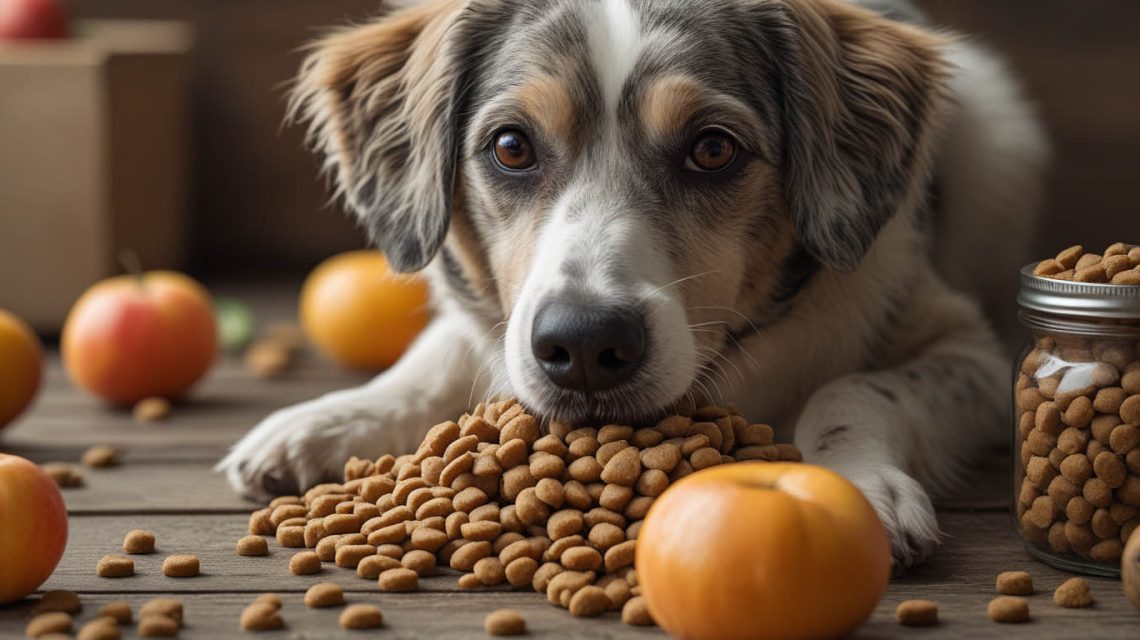
 Why does my dog hide food? Dogs hide food primarily because of deeply ingrained survival instincts inherited from their wild ancestors, resource guarding tendencies, anxiety, or overly generous portion sizes. If you’ve discovered kibble tucked between couch cushions, bones buried in the backyard, or treats stashed under blankets, your dog is executing one of nature’s oldest survival strategies. Pet owners across the United States constantly search for answers to why does my dog hide food—and the explanations behind this quirky behavior turn out to be genuinely fascinating.
Throughout this guide, I’ll uncover the evolutionary roots of food hiding, explain the psychological triggers behind it, and share practical strategies for managing this behavior when it becomes problematic.
The Real Reasons Why Does My Dog Hide Food
Understanding the root causes behind food hiding transforms a confusing behavior into something completely logical. Your dog isn’t being strange—they’re following powerful biological programming that kept their ancestors alive for thousands of years.
Survival Instincts Explain Why Does My Dog Hide Food
The most fundamental answer traces directly back to wolf ancestry. Wild canines developed a behavior called “caching”—burying surplus food underground to preserve it for times when prey became scarce. This survival strategy ensured wolves could access nutrition during harsh winters, droughts, or periods between successful hunts.
According to animal behaviorists at the American Kennel Club, this caching instinct remains remarkably strong in domestic dogs despite thousands of years of reliable feeding by humans. Your dog’s brain still carries ancient programming that says: “Food is available now—but it might not be tomorrow. Save some.”
Here’s the thing—this instinct doesn’t require actual food scarcity to activate. Simply having more food than your dog can consume in one sitting can trigger the caching response automatically. The behavior operates on instinct rather than rational assessment of their current food security.
I’ve found that certain breeds display this behavior far more prominently than others. Terriers, Dachshunds, Beagles, and Basset Hounds—breeds originally developed for hunting—tend to hide food more frequently because their working heritage amplified the resource-preservation instinct significantly.
Resource Guarding Drives Why Does My Dog Hide Food
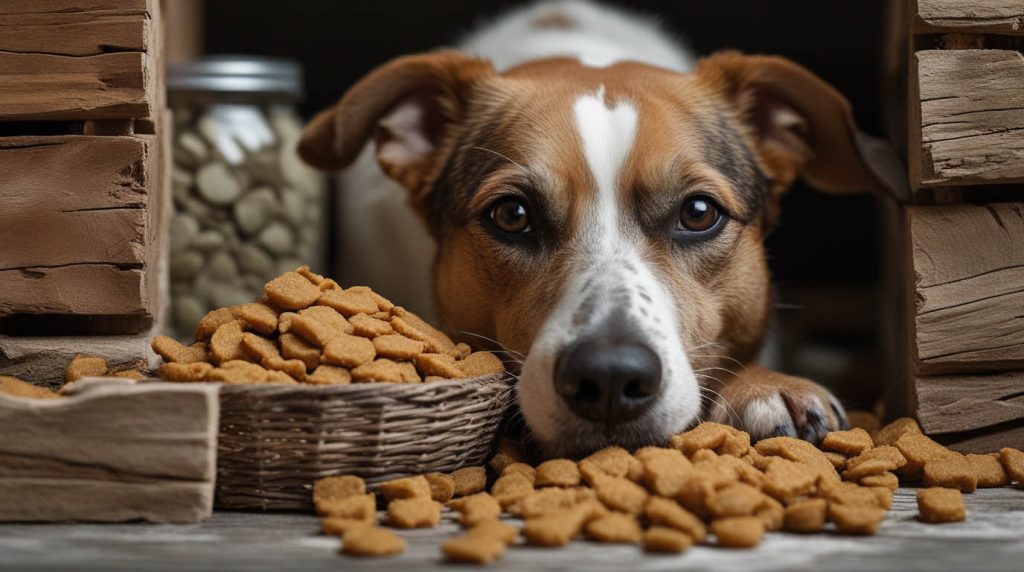
Beyond pure instinct, resource guarding represents another major reason why does my dog hide food regularly. Dogs who perceive their resources as threatened—whether by other pets, children, or even well-meaning owners who pick up food bowls—often stash food in secure locations as a protective strategy.
Resource guarding develops most commonly in:
- Dogs from multi-pet households with food competition
- Rescue dogs who experienced food scarcity or shelter environments
- Dogs who competed with large litters for limited food during puppyhood
- Dogs whose food bowls get removed before they finish eating
This connection between competition and hiding explains why many dogs begin stashing food only after a new pet joins the household. For related food competition behaviors, our guide on why do dogs eat so fast explores how competitive instincts affect mealtime habits.
Why Does My Dog Hide Food in Specific Places?
The locations your dog chooses for hiding food reveal important information about their motivations and emotional state.
Why Does My Dog Hide Food Under Blankets and Furniture
Indoor food hiding typically signals comfort-seeking behavior. Dogs choose soft, enclosed spaces—under blankets, behind couch cushions, beneath beds—because these locations feel safe, private, and den-like. Your dog perceives these spots as protected territory where their hidden treasure remains undisturbed.
In my experience, dogs who primarily hide food indoors often display mild anxiety around mealtimes. They eat quickly, grab extra pieces, and immediately transport them to their “safe zone” before anyone—human or animal—can take them away.
Additionally, dogs frequently hide food in their own bedding because they associate their bed with maximum security. If you regularly find kibble buried in your dog’s blanket, your pup essentially treats their sleeping area as a personal vault. Our article on essential first-year puppy care tips covers establishing secure mealtime routines that reduce anxiety-driven hiding.
Why Does My Dog Hide Food Outside in the Yard
Outdoor food hiding represents the closest behavior to true ancestral caching. Dogs who bury bones, chews, and treats in the yard execute the exact same strategy wolves used thousands of years ago. The cool soil naturally preserves food longer while the earth’s scent helps mask the food from potential competitors.
Certain environmental triggers intensify outdoor hiding:
- Receiving a high-value item like a raw bone or special chew
- Witnessing other animals (squirrels, neighbor’s cats) near their yard
- Feeling overwhelmed by a treat that’s too large to finish immediately
- Experiencing seasonal instinct surges during autumn (pre-winter preservation behavior)
Why Does My Dog Hide Food Around Other Pets?
Multi-pet households dramatically amplify food hiding behavior. When dogs live with other dogs—or even cats—competition anxiety activates powerful preservation instincts that single-dog households rarely trigger.
Your dog doesn’t need to experience actual food theft to develop hiding habits. Simply perceiving another animal as a potential competitor is enough. Even if your other pet has never touched their food, your dog’s brain processes the mere presence of another animal during mealtimes as a competitive threat requiring protective action.
| Household Type | Food Hiding Frequency | Primary Trigger |
|---|---|---|
| Single dog, no other pets | Low | Pure instinct only |
| Multiple dogs | High | Direct competition anxiety |
| Dogs living with cats | Moderate | Perceived resource threat |
| New pet recently added | Very high | Territorial disruption |
The simplest fix: Feed pets in completely separate rooms with closed doors between them. This eliminates competitive pressure instantly and often reduces food hiding within 2–3 weeks. For related multi-pet feeding strategies, our article on why do dogs beg for human food addresses broader food behavior management in busy households.
Why Does My Dog Hide Food but Never Eat It Later?
This particular mystery baffles countless owners. Your dog carefully hides food—then completely forgets about it, leaving you to discover petrified kibble under the couch three months later. What gives?
The Instinct Outweighs the Retrieval
Here’s the fascinating explanation: the hiding behavior itself satisfies the instinctual drive—regardless of whether your dog ever returns to eat the cached food. The act of securing resources triggers a dopamine reward in your dog’s brain, creating a sense of accomplishment and security.
Essentially, your dog feels better simply knowing hidden food exists somewhere, even without a specific plan to retrieve it. This mirrors how squirrels bury far more acorns than they ever dig up—the behavior serves emotional security more than practical nutrition.
Furthermore, well-fed domestic dogs rarely experience genuine hunger that would motivate retrieval missions. Their regular meals satisfy caloric needs completely, making the hidden stash unnecessary for actual survival. The instinct to hide persists despite the need to retrieve disappearing entirely.
Anxiety-Related Reasons Why Does My Dog Hide Food
While instinct drives most food hiding, anxiety amplifies the behavior significantly in some dogs. Understanding anxiety-based hiding helps you respond with compassion rather than frustration.
Signs That Anxiety Explains Why Does My Dog Hide Food
Anxious food hiders typically display additional stress indicators beyond the hiding itself:
- Eating extremely fast before hiding portions
- Guarding hiding spots aggressively
- Hiding food immediately upon receiving it—without eating any first
- Pacing, whining, or appearing stressed during mealtimes
- Hiding food more during household disruptions (visitors, moving, schedule changes)
Rescue dogs and dogs with traumatic histories show anxiety-driven food hiding most frequently. The Association of Professional Dog Trainers notes that food-related anxiety ranks among the top behavioral concerns reported by owners of adopted dogs during their first year in a new home.
If anxiety drives your dog’s hiding behavior, punishment absolutely worsens the problem. Instead, building mealtime confidence through consistent routines, calm environments, and positive associations gradually reduces the behavior. Our guide on why does my puppy eat so fast explores anxiety-related eating behaviors and practical calming strategies.
Why Does My Dog Hide Food When Given Too Much?
Portion size directly influences food hiding frequency. When dogs receive more food than they can comfortably consume in one sitting, their caching instinct kicks in automatically to preserve the surplus.
This commonly happens with:
- Overgenerous portions — Filling the bowl beyond your dog’s actual caloric needs
- High-value treats — Large bones, bully sticks, or chews too big to finish immediately
- Multiple feeding sources — Different family members each feeding the dog separately
- Free-feeding setups — Unlimited food availability paradoxically triggers hiding because the abundance activates preservation instincts
💡 Quick Fix: Right-size your dog’s portions based on their actual caloric requirements. Smaller, measured meals eaten completely leave nothing to hide. This single adjustment eliminates surplus-driven hiding for most dogs almost immediately.
How to Manage When Your Dog Hides Food
Understanding why does my dog hide food gives you perspective—but managing the behavior practically keeps your home clean and your dog healthy.
Practical Strategies That Actually Work
- Feed measured portions — Offer only what your dog needs per meal, eliminating surplus that triggers hiding instincts
- Establish consistent meal times — Predictable feeding schedules build food security and reduce anxiety-driven caching
- Separate pets during meals — Remove competitive pressure completely by feeding in different rooms
- Pick up uneaten food after 15 minutes — This teaches your dog that mealtime has boundaries without creating scarcity anxiety
- Provide appropriately sized treats — Choose chews and bones your dog can finish in one session
- Create a calm feeding environment — Quiet, low-traffic areas reduce mealtime stress significantly
- Never punish hiding behavior — Punishment increases food anxiety and actually intensifies hiding frequency
- Check hiding spots regularly — Hidden food spoils and creates health hazards; inspect common stash locations weekly
For comprehensive nutrition guidance that supports healthy mealtime behaviors, our article on best dog foods for overall health recommends balanced options appropriate for every life stage.
When to Worry About Why Does My Dog Hide Food
Most food hiding is completely harmless and normal. However, certain patterns warrant professional attention from your veterinarian or a certified animal behaviorist.
Seek professional help if:
- Food hiding increases dramatically and suddenly without obvious environmental changes
- Your dog becomes aggressive when anyone approaches their hiding spots
- Hiding accompanies significant appetite changes, weight loss, or digestive issues
- Your dog hides food but also shows signs of nausea—refusing meals then hiding portions they do take
- The behavior causes household problems (damaged furniture, unsanitary conditions, family conflict)
- Anxiety symptoms escalate beyond food-related situations into general behavioral distress
Sudden behavioral changes sometimes indicate underlying medical conditions affecting appetite or cognitive function, particularly in senior dogs. Our article on how often should you take your dog to the vet outlines recommended checkup schedules that help catch developing issues early.
Frequently Asked Questions
Why does my dog hide food under my pillow specifically?
Your pillow carries your concentrated scent, which your dog associates with maximum safety and comfort. Hiding food near your scent combines resource preservation with emotional security—essentially placing their most valued possession in the safest possible location from their perspective.
Why does my dog hide food but still acts hungry?
The hiding instinct operates independently from actual hunger. Your dog’s brain compels them to cache resources regardless of their current fullness level. They hide food because instinct demands it, then continue seeking more food because their appetite functions separately from their preservation drive.
Why does my dog hide food only when guests visit?
Visitors disrupt your dog’s sense of territorial security. Unfamiliar people in the home trigger heightened resource protection instincts, driving your dog to secure valuable food items before the perceived “threat” can access them. This typically resolves after guests leave.
Do certain breeds hide food more than others?
Absolutely. Breeds with strong hunting or working heritage—Terriers, Dachshunds, Beagles, Basset Hounds, and many northern breeds like Huskies and Malamutes—display food hiding more frequently and intensely than companion breeds developed primarily for human interaction.
Why does my dog hide food and then dig it up days later?
Some dogs do retrieve cached food, particularly high-value items like bones or special chews. This complete caching cycle—hiding, waiting, retrieving—most closely mirrors the ancestral wolf behavior the instinct originally evolved to support. However, many domestic dogs forget hiding locations entirely because regular meals eliminate the genuine need for retrieval.
Conclusion
So why does my dog hide food? The behavior traces primarily to powerful survival instincts inherited from wild ancestors who cached surplus food to survive lean periods. Resource guarding, competition anxiety in multi-pet households, overly generous portions, and stress-related insecurity further amplify this deeply natural canine behavior. While food hiding looks peculiar through human eyes, from your dog’s perspective, they’re simply executing a survival strategy that kept their species alive for thousands of years.
The good news? Managing food hiding rarely requires dramatic intervention. Right-sizing meal portions, maintaining consistent feeding schedules, separating pets during mealtimes, and creating calm eating environments address the vast majority of cases effectively. Most importantly, never punish food hiding—doing so increases the anxiety driving the behavior and makes the problem significantly worse.
Take action starting tonight: Measure your dog’s next meal precisely according to their caloric needs—no extra scoops, no overflowing bowls. Feed in a quiet, dedicated spot away from other pets and household traffic. Pick up any uneaten food after 15 minutes calmly and without fuss. Then check your dog’s favorite hiding spots this weekend and clear out any stashed food before it spoils. These simple adjustments transform food hiding from a frustrating mystery into a manageable quirk within weeks. Your couch cushions will thank you. 🐾
