

 Animal Zoid Editorial Team
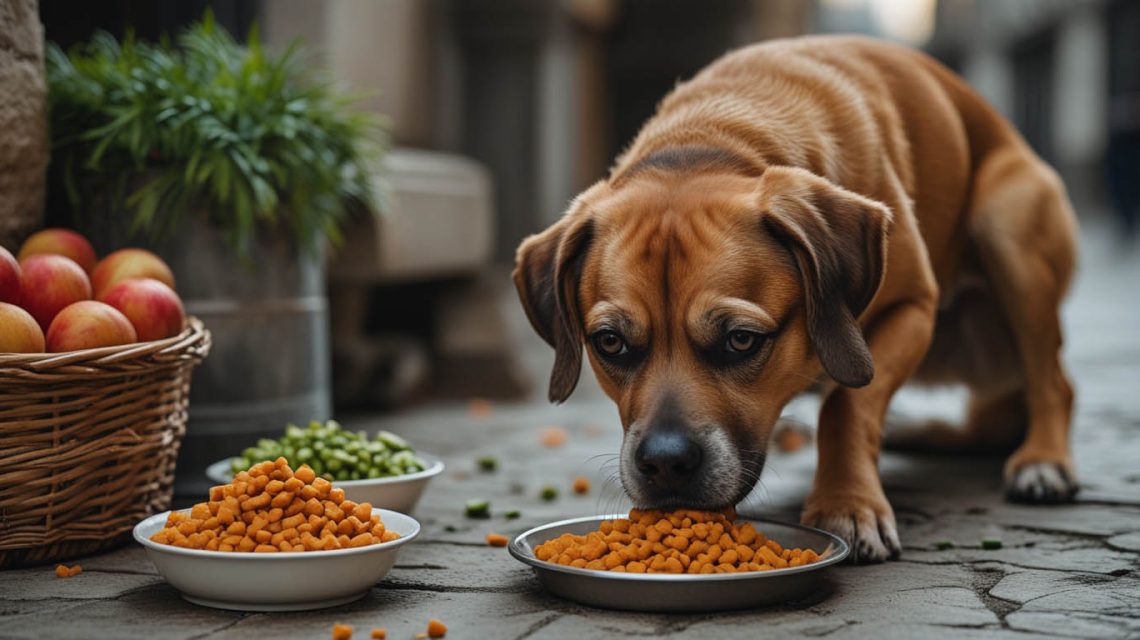
 Why do dogs beg for human food? Dogs beg primarily because of deeply rooted survival instincts, learned behavior reinforced by owners, and an extraordinary sense of smell that makes your dinner irresistible. Those pleading puppy eyes staring at you across the kitchen table aren’t accidental—they represent thousands of years of evolutionary strategy perfected to exploit human emotions. If you’ve ever caved and tossed your dog a bite from your plate, you already understand exactly why do dogs beg for human food so effectively. They’ve literally trained YOU.
In this guide, I’ll uncover the fascinating science behind begging behavior, explain why giving in causes real problems, and share proven strategies that eliminate begging permanently without breaking your dog’s spirit.
The Evolutionary Science Behind Why Dogs Beg for Human Food
Understanding the biological roots of begging reveals just how deeply this behavior runs. Your dog isn’t simply being rude—they’re executing a survival strategy refined over roughly 15,000 years of canine-human coexistence.
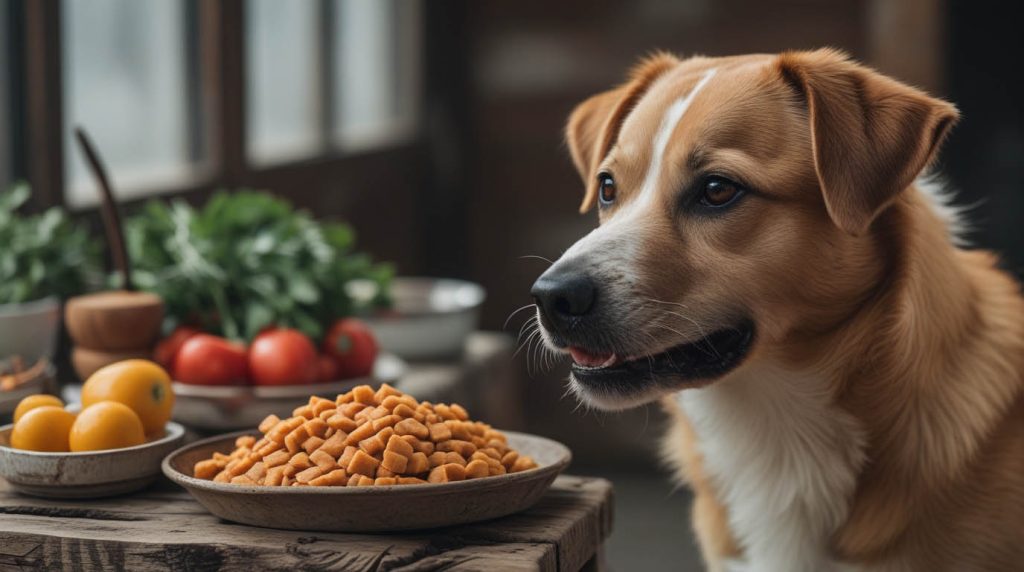
Ancient Scavenging Instincts Explain Why Dogs Beg for Human Food
Dogs descended from wolves who gradually began scavenging food scraps from early human settlements. The wolves who approached humans most successfully—showing submissive, non-threatening behaviors—earned the most food and consequently survived to pass those traits forward.
Fast forward thousands of generations, and your modern dog carries genetic programming that essentially says: “Hang around humans during meals. Look appealing. Receive food.” This isn’t conscious manipulation—it’s hardwired instinct executing exactly as evolution designed it.
Research published through the journal Science confirmed that dogs developed specific facial muscles over millennia that wolves lack—particularly the muscle responsible for raising the inner eyebrow. This creates that heartbreaking “puppy dog eyes” expression specifically evolved to trigger nurturing responses in humans. In other words, your dog’s begging face is literally an evolutionary weapon.
Learned Behavior Reinforces Why Dogs Beg for Human Food
Beyond instinct, classical conditioning powerfully amplifies begging. Every single time anyone in your household shares food from their plate—even once—your dog’s brain records a critical lesson: “Begging works.”
Here’s the thing about intermittent reinforcement—it creates the strongest, most persistent behavioral patterns in any animal. When begging sometimes produces food and sometimes doesn’t, your dog actually begs MORE intensely than if they received food every time. It’s the same psychological principle that makes slot machines addictive for humans.
I’ve found that many owners unknowingly create champion beggars during their dog’s first few weeks at home. One well-intentioned family dinner scrap becomes the foundation for years of persistent, escalating begging behavior. For related feeding behavior concerns, our guide on why do dogs eat so fast explores additional food-driven instincts affecting your dog’s mealtime habits.
Why Dogs Beg for Human Food More Than Their Own Kibble
Ever notice your dog ignoring a full bowl of perfectly good kibble while desperately wanting whatever you’re eating? This preference isn’t random—it’s driven by biology and psychology working together.
Your Dog’s Incredible Nose Explains Why They Beg for Human Food
Dogs possess approximately 300 million olfactory receptors compared to humans’ measly 6 million. This means your dog smells your dinner roughly 10,000–100,000 times more intensely than you do. Imagine walking past a bakery with that level of scent detection—you’d beg too.
Human food typically contains more fat, salt, sugar, and aromatic compounds than standard dog kibble. These ingredients produce stronger, more complex scent profiles that your dog finds overwhelmingly appealing compared to the relatively bland aroma of their regular food.
Additionally, cooking processes—roasting, frying, grilling—release volatile compounds that travel directly to your dog’s nose from across the house. Your dog starts anticipating dinner before you even finish preparing it. This scent-driven anticipation intensifies begging behavior significantly.
Social Bonding Drives Why Dogs Beg for Human Food
Dogs are inherently social creatures who evolved to share resources within pack structures. When your family sits down for dinner, your dog perceives a pack meal happening—and naturally expects to participate. From their perspective, being excluded from the group eating event feels genuinely confusing and stressful.
This social component explains why do dogs beg for human food more aggressively when the entire family eats together versus when one person snacks alone. More “pack members” eating amplifies the social pressure your dog feels to participate.
Why It’s Harmful When Dogs Beg for Human Food Successfully
Beyond the annoyance factor, giving in to begging creates genuine health and behavioral consequences that every dog owner should understand.
Health Risks of Dogs Getting Human Food Through Begging
Many common human foods pose serious dangers to dogs. According to the ASPCA Animal Poison Control Center, toxic food ingestion ranks among the top reasons for emergency pet poison calls annually across the United States.
Dangerous human foods include:
- Chocolate — Contains theobromine, toxic to dogs at relatively small doses
- Grapes and raisins — Can cause acute kidney failure even in small amounts
- Onions and garlic — Damage red blood cells and cause anemia
- Xylitol (artificial sweetener) — Triggers dangerous insulin release and liver failure
- Fatty foods — Can cause life-threatening pancreatitis
- Cooked bones — Splinter and cause choking, intestinal tears, or blockages
Beyond toxicity, regularly sharing human food contributes to obesity—which currently affects over 50% of dogs in the United States according to the Association for Pet Obesity Prevention. Obese dogs face dramatically higher risks of diabetes, joint disease, heart problems, and shortened lifespans. If your dog already shows weight concerns related to food behaviors, our article on best dog foods for overall health recommends balanced nutrition options.
Behavioral Problems Created When Dogs Beg for Human Food
Successful begging escalates predictably. What starts as quiet sitting near the table progresses to pawing, whining, barking, jumping, and eventually counter-surfing or food stealing. Each successful begging attempt raises the behavioral stakes.
I’ve found that dogs who beg successfully also develop broader boundary-testing behaviors. They learn that persistent, demanding behavior produces results—and they apply this lesson far beyond mealtimes. For related behavioral concerns around food, our guide on why does my puppy eat so fast explores additional food-driven behavior patterns.
How to Stop Dogs From Begging for Human Food
Now that you understand why do dogs beg for human food, let’s tackle proven solutions that actually work long-term.
Training Strategies That Eliminate Begging for Human Food
- Never feed from the table—ever — This rule must be absolute and followed by every household member without exception. One slip resets weeks of progress.
- Feed your dog before your own meals — A satisfied dog begs less intensely. Time your dog’s meals 15–20 minutes before family dinner.
- Teach a designated “place” command — Train your dog to go to a specific bed or mat during human mealtimes. Reward them generously for staying in their designated spot.
- Completely ignore begging behavior — No eye contact, no verbal responses, no pushing away (which dogs interpret as attention). Absolute zero engagement eventually extinguishes the behavior.
- Reward calm behavior proactively — When your dog voluntarily lies down calmly during meals without begging, reward them with a treat from their own treat supply—not your plate.
- Use a stuffed Kong or puzzle toy — Give your dog their own engaging activity during family mealtimes. This redirects food-seeking energy into an appropriate outlet.
- Create physical separation initially — During the retraining period, use a baby gate or place your dog in another room during meals. Gradually reintroduce proximity as calm behavior becomes consistent.
💡 Critical Success Factor: Every person in the household must follow the same rules consistently. One family member secretly slipping food under the table completely undermines everyone else’s training efforts. Consistency across all humans is absolutely non-negotiable.
| Strategy | Effectiveness | Difficulty | Timeline |
|---|---|---|---|
| Never feed from table | ⭐⭐⭐⭐⭐ | Moderate (requires willpower) | Immediate foundation |
| Place command training | ⭐⭐⭐⭐⭐ | Moderate | 2–4 weeks |
| Complete ignoring | ⭐⭐⭐⭐ | Hard (emotionally!) | 3–6 weeks |
| Pre-meal feeding | ⭐⭐⭐⭐ | Easy | Immediate |
| Kong/puzzle during meals | ⭐⭐⭐⭐ | Very Easy | Immediate |
| Physical separation | ⭐⭐⭐ | Easy | Immediate (temporary) |
For comprehensive training approaches, our article on essential first-year puppy care tips covers foundational obedience training that supports anti-begging strategies.
Why Do Dogs Beg for Human Food Even When They’re Full?
This question frustrates owners constantly. Your dog just finished their own dinner five minutes ago—how can they possibly still want YOUR food?
Appetite vs. Opportunity: The Real Explanation
Dogs don’t beg because they’re hungry. They beg because food is available and their brain’s reward system activates regardless of actual caloric need. Dopamine—the pleasure neurotransmitter—surges when dogs anticipate receiving high-value food, creating a wanting sensation completely independent from genuine hunger.
This explains why do dogs beg for human food with equal intensity whether they’ve just eaten or haven’t eaten all day. The behavior operates on opportunity and reward anticipation, not physiological hunger.
Research from the University of Cambridge identified a specific gene mutation (POMC) in certain breeds—particularly Labrador Retrievers—that disrupts the brain’s satiety signaling. Dogs carrying this mutation essentially never feel completely full, making their begging behavior even more persistent and intense than average.
Why Do Dogs Beg for Human Food From Certain People More?
Have you noticed your dog gravitates toward specific family members during meals? This targeting isn’t random—your dog has carefully identified the weakest links.
Dogs learn remarkably quickly which humans cave most easily. The family member who “just this once” shared a piece of chicken becomes the permanent primary target. Meanwhile, the person who never shares gets largely ignored during meals.
In my experience, children and elderly family members receive the most intense begging because dogs accurately perceive them as more likely to share. Addressing this pattern requires those specific individuals to commit fully to the no-table-feeding rule. Our guide on how often should you take your dog to the vet also covers discussing behavioral concerns during routine veterinary wellness visits.
Frequently Asked Questions
Why do dogs beg for human food with those sad eyes?
Dogs evolved specific facial muscles over thousands of years that create the “puppy dog eyes” expression. Research confirms this expression developed specifically to trigger nurturing and food-sharing responses in humans. It’s an evolutionary adaptation—not genuine sadness—designed to manipulate human emotions effectively.
Why do dogs beg for human food but ignore their own?
Human food contains significantly more fat, salt, sugar, and aromatic compounds than standard kibble. Your dog’s extraordinary sense of smell detects these differences immediately, making your dinner substantially more appealing than their regular food regardless of nutritional adequacy.
Is it ever okay to give dogs human food?
Some human foods—plain cooked chicken, carrots, blueberries, plain rice—are perfectly safe for dogs in moderation. However, always offer these foods in your dog’s bowl during their regular mealtime, never directly from your plate during human meals. This prevents the behavioral association between begging and receiving rewards.
Why do dogs beg for human food more as they age?
Older dogs have accumulated more lifetime reinforcement for begging behavior. Additionally, some senior dogs develop increased appetite due to metabolic changes, cognitive decline affecting impulse control, or medications like corticosteroids that dramatically intensify food drive.
How long does it take to stop a dog from begging?
With absolute consistency from every household member, most dogs significantly reduce begging behavior within 3–6 weeks. However, the “extinction burst” phenomenon means begging temporarily intensifies before improving—dogs escalate the behavior when their usual strategy suddenly stops working. Persistence through this challenging phase is essential for permanent success.
Conclusion
So why do dogs beg for human food? The behavior springs from a powerful combination of evolutionary survival instincts perfected over 15,000 years, learned behavior reinforced by well-meaning owners, an extraordinary sense of smell that makes human food irresistible, and social pack dynamics that make mealtime exclusion feel unnatural. While begging feels flattering—even adorable—the consequences include obesity, potential toxicity exposure, escalating behavioral problems, and a dog who essentially controls your dinner experience.
The good news? Begging responds remarkably well to consistent training. The absolute foundation involves never feeding from the table—without exception, without “just this once,” without secret slips from any family member. Combine this iron rule with a trained “place” command, pre-meal feeding, engaging puzzle toys during dinner, and complete behavioral ignoring, and most dogs dramatically reduce begging within weeks.
Start tonight—not tomorrow: Before your next family meal, fill a Kong toy with your dog’s favorite treats, place it on their designated bed, and commit to zero table feeding for the entire meal. Do this consistently for 21 days without a single exception. Track your dog’s behavior changes daily. You’ll witness a remarkable transformation that makes mealtimes peaceful for everyone—including your dog, who finally learns that calm patience earns rewards while demanding behavior earns nothing. Your dinner table belongs to you again. 🐾
