


 Animal Zoid Editorial Team
 So, why do puppies have puppy breath? That sweet, milky scent comes primarily from their mother’s milk diet, minimal oral bacteria, and a still-developing digestive system working together. If you’ve ever held a new pup close and noticed that irresistibly warm, almost vanilla-like aroma, you’ve experienced one of nature’s most charming mysteries. Millions of dog owners across the U.S. search for this exact answer every year—and the science behind it turns out to be genuinely fascinating.
In this guide, I’ll unpack what causes that beloved scent, how long you can expect it to last, and when changes in your pup’s breath should raise a red flag.
What People Really Mean When They Ask Why Do Puppies Have Puppy Breath
Let’s establish one important fact first. Puppy breath isn’t simply “less stinky” than adult dog breath—it’s an entirely different scent altogether. Most people describe it as warm, milky, slightly sweet, and oddly pleasant. Some even compare it to fresh bread, coffee, or caramel.
Here’s the thing—that aroma doesn’t come from one single source. Several biological factors work together inside your young pup’s mouth to create it. Unlike adult dogs who accumulate years of bacterial buildup and food residue, puppies start with a remarkably clean oral environment that produces naturally pleasant-smelling compounds.
In my experience raising multiple litters, the sweet smell hits its peak between 2 and 6 weeks of age—right when pups still nurse exclusively from their mother. It’s one of those fleeting moments every dog lover cherishes.
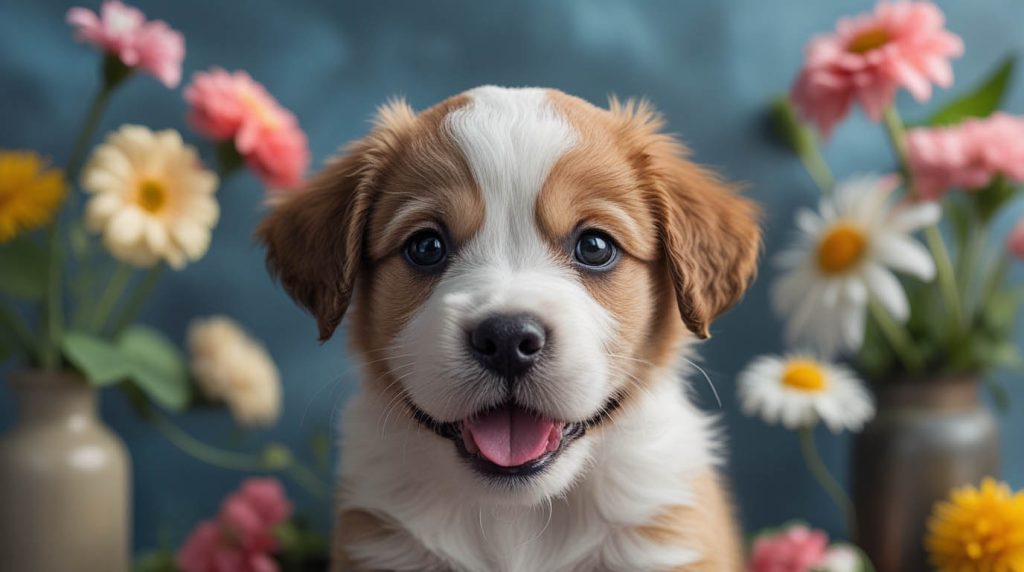
The Real Science Explaining Why Do Puppies Have Puppy Breath
Now let’s dig into the actual biology. Three key factors answer why do puppies have puppy breath, and each one plays a critical role in creating that signature sweetness.
Mother’s Milk Is the Top Reason Why Puppies Have Puppy Breath
The most widely accepted explanation centers squarely on diet. Nursing puppies consume nothing but their mother’s milk during the first several weeks of life. This exclusive milk diet creates uniquely sweet metabolic byproducts inside the pup’s mouth and digestive system.
Mother’s milk contains a precise balance of proteins, fats, and lactose. When the puppy’s body breaks these nutrients down, the resulting compounds produce that characteristic sweetness on the breath. Moreover, milk doesn’t leave behind the same pungent residue that kibble or wet food creates later in life.
According to veterinary research highlighted by the American Kennel Club, diet plays the single largest role in determining breath odor at any age—and that principle starts from day one of a puppy’s life.
Clean Teeth Are Another Reason Why Puppies Have Puppy Breath
A second major reason why do puppies have puppy breath is beautifully simple: they have brand-new teeth with virtually zero bacterial buildup. Adult dogs develop complex oral microbiomes over years, hosting hundreds of bacterial species across their teeth, gums, and tongue. Young pups, however, haven’t had time to accumulate those populations yet.
Think of it like comparing a brand-new kitchen sponge to one that’s spent three months by the sink. Same object, wildly different smell. Your puppy’s mouth operates on that same principle—everything stays fresh and relatively sterile during those early weeks.
Additionally, baby teeth (deciduous teeth) are smooth and undamaged, leaving nowhere for odor-causing bacteria to hide. For more about dental development timelines, check out our guide on puppy teething stages and what to expect.
Gut Bacteria Also Explain Why Puppies Have Puppy Breath
Many people completely overlook this third factor. Puppies possess an immature gastrointestinal system with a bacterial composition that differs significantly from adult dogs. This developing gut microbiome produces different gases and metabolic byproducts that travel through the digestive tract and directly influence breath odor.
As your pup matures and transitions to solid food, gut bacteria diversify rapidly. This shift gradually changes breath chemistry from sweet and milky to standard “dog breath.” It’s a completely natural process that every healthy puppy goes through eventually.
How Long Does Puppy Breath Actually Last?
Every owner wishes they could bottle that smell forever. Unfortunately, it doesn’t stick around long. Most puppies lose their signature scent between 4 and 6 months of age, though several factors influence the exact timeline.
| Factor | Effect on Duration |
|---|---|
| Weaning age | Earlier weaning shortens the phase |
| Diet transition | Solid food accelerates the change |
| Teething timeline | Adult teeth disrupt the oral environment |
| Breed size | Smaller breeds may lose it slightly earlier |
| Oral hygiene | Good care keeps breath fresher overall |
The teething process plays a particularly significant role here. Between 3 and 6 months, puppies shed baby teeth and grow 42 adult teeth. During this transition, small amounts of bleeding along the gum line introduce iron into the mouth, creating a slight metallic scent that replaces the sweetness.
I’ve found that puppies who transition to solid food later tend to hold onto pleasant breath a bit longer. However, every pup eventually makes the switch. If you’re navigating teething challenges right now, our article on Best Puppy Teething Toys offers practical comfort solutions.
Why Do Puppies Have Puppy Breath but Adult Dogs Don’t?
This question naturally follows once you understand the basics. Adult dogs lose that sweet scent because every single factor that creates puppy breath changes as they mature.
First, adult dogs eat varied diets containing proteins, carbohydrates, and fats that leave sticky residue on teeth. Second, their mouths host complex bacterial communities that produce sulfur compounds—the main culprit behind bad dog breath. Third, plaque and tartar accumulate over months and years, creating pockets of infection along the gum line.
Essentially, growing up eliminates every condition that made puppy breath possible in the first place.
When to Worry Instead of Asking Why Do Puppies Have Puppy Breath
While understanding why do puppies have puppy breath is fun, recognizing when something goes wrong matters even more. Sweet breath is normal—but foul breath in a young puppy deserves your immediate attention.
Warning Signs That Something Is Wrong
Not every young dog’s breath smells sweet. If your pup’s breath turns rotten, sour, or unusually strong, investigate right away. Common causes include:
- Foreign objects stuck between teeth — Splinters, fabric, or toy fragments can lodge and rot
- Intestinal parasites — Worms disrupt digestion and produce distinctly foul odors
- Coprophagia — Let’s be honest, puppies eat gross things. Litter box discoveries solve this mystery fast.
- Oral infections — Bacterial infections create terrible smells even in very young dogs
- Metabolic conditions — Rare issues like liver shunts produce abnormal, chemical-like breath
💡 Quick Rule: Sweet breath = totally normal. Foul, fishy, or ammonia-like breath = call your vet immediately.
For a comprehensive breakdown of breath concerns at every life stage, our guide on why does my dog have bad breath covers causes and solutions thoroughly. Additionally, if your dog develops sudden body odor alongside breath changes, our article on why does my dog smell bad suddenly explores related health issues.
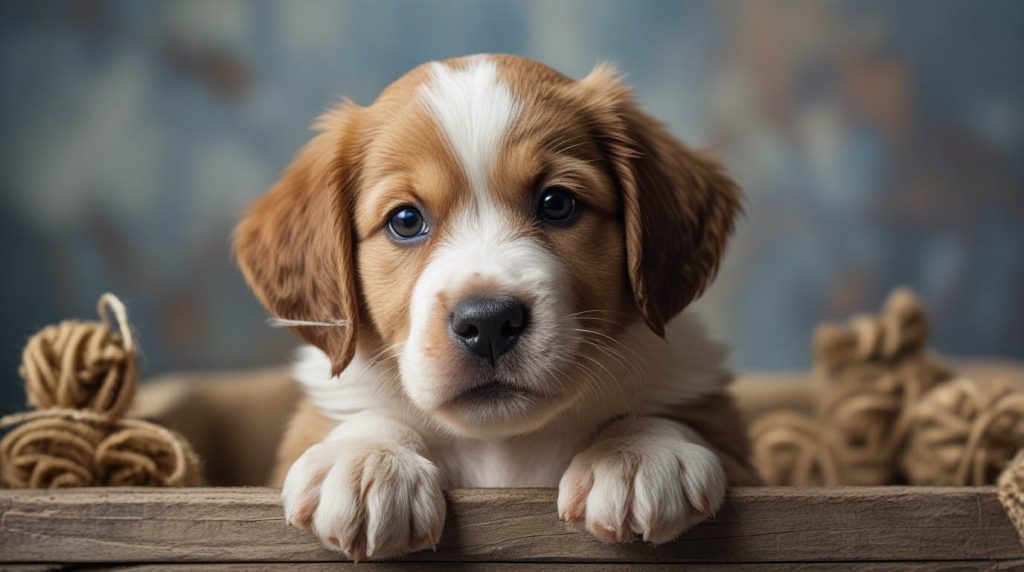
How to Maintain Fresh Breath After Puppy Breath Fades
Now that you fully understand why do puppies have puppy breath, let’s focus on preserving fresher breath as your dog grows. You can’t maintain that newborn sweetness forever, but establishing early dental habits makes an enormous difference throughout their life.
Building Dental Care Habits From Day One
- Introduce tooth brushing at 8–10 weeks — Use a finger brush and puppy-safe toothpaste. Build comfort with the process first before worrying about thoroughness.
- Provide appropriate chew toys — Textured rubber toys scrape developing teeth naturally while easing teething discomfort simultaneously.
- Feed quality puppy food — Balanced nutrition supports healthy oral development and reduces odor-causing bacteria. Explore our recommendations in best food for puppies by age.
- Schedule early dental checkups — Include oral examinations during your pup’s first vet visits to catch abnormalities before they worsen.
- Supervise all chewing sessions — Remove anything that could splinter, break apart, or become dangerously lodged.
In my experience, puppies who get comfortable with tooth brushing before 12 weeks accept it as routine for life. Waiting longer only creates unnecessary resistance and stress. For a complete early care overview, explore our article on essential first-year puppy care tips.
Frequently Asked Questions
Why do puppies have puppy breath that smells so sweet?
The sweetness comes from three combined factors: their exclusive milk diet, a bacteria-free oral environment, and developing gut microbiome. Together, these produce that distinctively pleasant aroma every puppy owner loves.
At what age does puppy breath disappear?
Most puppies lose their sweet breath between 4 and 6 months, coinciding with the switch to solid food and the teething process. Some lose it as early as 3 months depending on breed and diet changes.
Is puppy breath a reliable sign my puppy is healthy?
Generally, yes. Sweet-smelling breath indicates a well-nourished pup with a clean mouth. However, regular veterinary checkups remain essential regardless of how pleasant their breath smells.
Should I worry if my new puppy doesn’t have sweet breath?
Not necessarily. Puppies weaned early or already eating solid food when you bring them home may have already moved past this phase. Concern only arises if the breath smells actively foul, fishy, or rotten.
Why do puppies have puppy breath but lose it so quickly?
Every factor creating the sweet smell—milk diet, clean teeth, immature gut bacteria—changes rapidly during the first six months. Once solid food enters the picture and adult teeth emerge, the oral environment transforms completely.
Conclusion
So why do puppies have puppy breath? It ultimately comes down to three beautiful factors working in perfect harmony: a milk-based diet creating sweet metabolic byproducts, a pristine mouth free from bacterial buildup, and a developing digestive system that hasn’t yet produced the complex odors adult dogs carry. This enchanting phase typically lasts until your pup reaches 4 to 6 months old, when teething, solid food, and a maturing microbiome gradually replace that sweetness with everyday dog breath.
While you can’t preserve that newborn scent forever, you absolutely can build dental care habits right now that keep your dog’s mouth healthier and fresher for years to come. Start brushing early, provide quality chew toys, feed a balanced diet, and prioritize veterinary dental checkups from the very beginning.
Your next step starts today: Pick up a puppy finger brush and enzymatic toothpaste this week. Spend just 30 seconds daily getting your pup comfortable with mouth handling. Your future self—and your nose—will thank you enormously when your “puppy” weighs 70 pounds and still has tolerable breath. Enjoy every precious second of that sweet scent while it lasts! 🐶
