


 Animal Zoid Editorial Team
 If you’re wondering why does my dog drool so much, the short answer is: it can be totally normal, or it can signal a medical problem. The trick is telling harmless slobber from drooling that needs a vet’s attention.
In this guide, we’ll walk through normal vs. excessive drooling, the most common health causes, a simple at‑home checklist, real‑world examples, and when to stop Googling and call your veterinarian.
Why Does My Dog Drool So Much? Quick Answer
Some drooling is just how dogs work. Saliva helps them swallow food, cool off a bit, and keep the mouth moist. Certain breeds like Saint Bernards, Bloodhounds, and Mastiffs were basically built to drip.
However, when you keep asking “why does my dog drool so much all of a sudden?” you should look closely. Sudden, heavy, or one‑sided drooling often points to:
- Dental disease or mouth pain
- Nausea or stomach problems
- Foreign objects stuck in the mouth or throat
- Heatstroke or stress
- Toxins, stings, or serious illness
A good rule of thumb: if it’s new, worse than usual, or paired with other symptoms (vomiting, pawing at the mouth, collapse, breathing issues), call your vet right away.
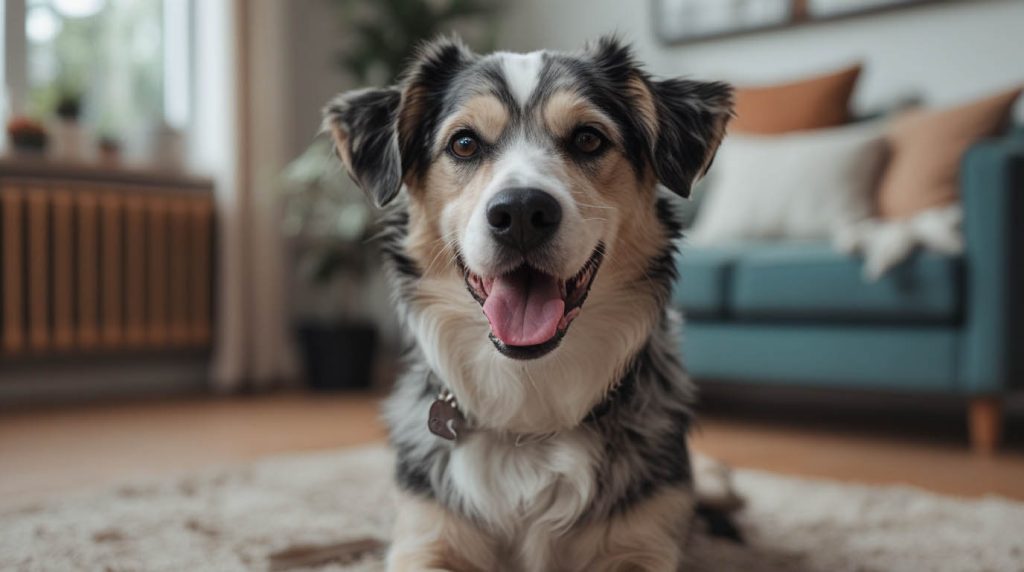
What “Why Does My Dog Drool So Much” Really Means
When people type why does my dog drool so much into a search bar, they’re usually trying to figure out if what they’re seeing is normal or dangerous. So let’s separate the two.
Normal Reasons Why Does My Dog Drool So Much
Some drooling falls into the “annoying but normal” category:
- Food and treats – Just like Pavlov’s dogs, many pups drool before meals or when they smell something tasty.
- Excitement – Trips, guests, or play can crank up the slobber.
- Heat and exercise – On warm days, dogs may pant and drool more as their body tries to cool down.
- Breed traits – Loose lips (flews) trap and release saliva. If your dog has big, floppy jowls, you’ll never fully “fix” the drool.
Quick tip: If your dog has always drooled at about the same level, and nothing else seems off, it’s probably just their normal. Try a drool bib or absorbent mat near their bed and water bowl.
Health Problems Behind Why Does My Dog Drool So Much
Now the serious side. Drooling becomes a red flag when it’s:
- New or suddenly heavier
- Only on one side of the mouth
- Mixed with blood, foam, or bad smell
- Paired with behavior changes
Common medical causes include:
- Dental and gum disease
- Over 80% of dogs have some form of dental disease by age 3 in the U.S.
- Red gums, tartar, loose teeth, and a nasty odor often show up with extra drool.
- Check out our guide on dog dental treatment for photos and home checks.
- Mouth injuries or foreign objects
- Sticks, bones, toys, or even hooks can lodge in the mouth or throat.
- You might see your dog pawing at the mouth, refusing food, or yelping.
- Nausea and stomach upset
- Car sickness, pancreatitis, or eating something gross can all cause heavy drooling.
- Dogs may lick their lips, swallow repeatedly, or pace.
- Heatstroke
- Overheating leads to frantic panting, thick drool, bright red gums, and collapse in severe cases.
- Overweight dogs (and roughly half of U.S. dogs are) overheat more easily.
- Read our heatstroke in dogs guide if your summers get intense.
- Serious conditions
- Bloat (gastric dilatation-volvulus), liver disease, or some poisons can all trigger drool.
- These usually come with other strong signs: restlessness, a swollen belly, tremors, weakness, or seizures.
How to Figure Out Why Does My Dog Drool So Much
Here’s a step‑by‑step way to investigate at home before and while you contact your vet.
Step 1: Notice When and How It Happens
Ask yourself:
- Did this start suddenly, or has it been slowly increasing?
- Is the drool constant, or only in the car, with certain foods, or during storms?
- Any changes in appetite, energy, poop, or pee?
Patterns matter. For example, if why does my dog drool so much only pops into your head during car rides, motion sickness is more likely than dental disease.
Step 2: Check Your Dog’s Mouth Safely
If your dog allows it and doesn’t seem in extreme pain:
- Gently lift the lips and look for:
- Red, swollen, or bleeding gums
- Broken or loose teeth
- Sticks, string, or anything stuck between teeth
- Growths or ulcers on gums or tongue
- Smell the breath. Rotten or metallic odors can signal infection or systemic disease.
If your dog growls, snaps, or you suspect something is lodged deep, stop. That’s a job for a vet, not a wrestling match at home.
Step 3: Decide How Fast to See the Vet
Call emergency care immediately if drooling comes with:
- Trouble breathing or swallowing
- Swollen belly, retching without bringing anything up
- Sudden collapse, wobbliness, or seizures
- Known contact with toxins (rat poison, human meds, chemicals, some plants)
Otherwise, book a same‑week vet appointment if:
- Drooling is new or getting worse
- There’s bad breath, pawing at the face, refusal to eat, or obvious mouth pain
An in‑clinic exam, dental X‑rays, or bloodwork can quickly answer why does my dog drool so much and help you treat the root cause.
Common Mistakes When Asking “Why Does My Dog Drool So Much”
Here’s the thing: many owners mean well but accidentally delay help. I’ve seen this play out in real life more than once.
Typical mistakes include:
- Blaming all drool on breed
- Yes, hounds drool a ton. But a sudden increase in a Basset Hound still matters.
- Waiting weeks “to see if it passes”
- Dental infections, for example, don’t just disappear. They cause pain every day.
- Trying home remedies first
- Essential oils, human mouthwash, or random supplements can make things worse.
- Focusing only on towels, not the cause
- Managing mess is fine, but you still need to know why it’s happening.
Best Practices If You Keep Asking “Why Does My Dog Drool So Much”
To reduce drooling problems and protect your dog’s health, build these habits into your routine.
- Prioritize dental care
- Daily brushing if your dog tolerates it
- Dental chews and safe chew toys
- Annual professional cleanings as your vet recommends
- Manage anxiety and motion sickness
- For car rides, start with super short trips, lots of praise, and treats.
- Ask your vet about anti‑nausea or calming medications if training isn’t enough.
- Our anxiety relief for dogs: complete guide has step‑by‑step plans.
- Prevent overheating
- Avoid midday exercise in hot, humid weather.
- Provide shade, fresh water, and rest breaks.
- Dog‑proof your home and yard
- Keep trash, chemicals, and certain plants out of reach.
- Use chew‑proof toys; avoid cooked bones that splinter.
Helpful Tools When You Wonder “Why Does My Dog Drool So Much”
A few simple tools can make life easier:
- Slow‑feeder bowls – Help with gulpers who drool and vomit after eating too fast.
- Absorbent drool bibs or bandanas – Especially useful for giant breeds.
- Dental wipes and brushes – For quick daily mouth care.
- Training plans – See our treating separation anxiety in dogs to help anxious dogs feel safer.
Simple Comparison: Normal vs. Concerning Drooling
| Situation | Likely Normal | Concerning Signs |
|---|---|---|
| When it happens | Around food, excitement, mild exercise | Sudden, constant, or only on one side |
| Other symptoms | None | Vomiting, diarrhea, pain, collapse, fever |
| Smell | Typical “doggy” breath | Very bad, metallic, or rotten odor |
| Behavior | Happy, playful, normal appetite | Hiding, restless, refusing food or water |
| Duration | Minutes to an hour | Lasts hours, days, or keeps getting worse |
If your dog falls mostly on the right-hand side of that table, it’s time to get veterinary help.

Future Trends in Understanding Why Does My Dog Drool So Much
Veterinary medicine keeps evolving, and that actually helps answer questions like why does my dog drool so much more precisely:
- Better dental X‑ray technology means vets can spot hidden tooth root problems earlier.
- Wearable health trackers are starting to log activity, heart rate, and sometimes even breathing changes, giving clues before symptoms become obvious.
- Improved behavior research is helping vets separate anxiety‑related drooling from physical disease more quickly.
As these tools become more common in U.S. clinics, you’ll get faster, clearer answers about your dog’s slobber. For an overview of urgent signs, see our page on when to call the vet.
FAQ: Why Does My Dog Drool So Much?
1. Why does my dog drool so much when I come home?
That’s usually excitement. Your dog’s body anticipates food, play, or affection, which ramps up saliva. If the drooling stops after you settle in and your dog seems fine, it’s likely normal.
2. Why does my dog drool so much in the car?
Cars can trigger motion sickness or anxiety. Try shorter trips, extra ventilation, and avoiding big meals before driving. If it continues, ask your vet about motion‑sickness medication.
3. Why does my dog drool so much while sleeping?
Relaxed muscles let saliva leak out, especially with big‑jowled breeds. If there’s no foul smell, pain, or behavior change, it’s probably harmless. Still, mention it at your next vet visit.
4. Why does my dog drool so much around other dogs?
Stress, excitement, or fear can all increase drool. Watch body language: tucked tail, yawning, or lip‑licking can signal anxiety. Gradual desensitization and positive training can help.
5. Why does my dog drool so much and not eat?
That combination is a red flag. It might be severe dental pain, a mouth injury, nausea, or something stuck. Contact your vet or emergency clinic immediately.
Conclusion: What To Do Next If You’re Asking “Why Does My Dog Drool So Much”
Excessive drooling is messy, but more importantly, it’s information. When you catch yourself thinking why does my dog drool so much, you’re actually picking up on a change—and that’s a good thing.
Normal drool shows up around food, excitement, or heat and stays pretty consistent over time. Sudden, heavy, smelly, or one‑sided drooling usually means something else is going on, from dental disease and nausea to heatstroke or poisoning. The sooner you sort out which it is, the better your dog’s chances of a quick, comfortable recovery.
If you’re worried right now, don’t wait. Call your veterinarian, describe exactly what you’re seeing, and follow their guidance. Then, when things are calm again, dive into our related guides on dog dental health, anxiety, heatstroke, and emergency signs to get ahead of the next issue.
Your dog can’t tell you what hurts—but that extra slobber might be their way of asking for help.
