

 Animal Zoid Editorial Team
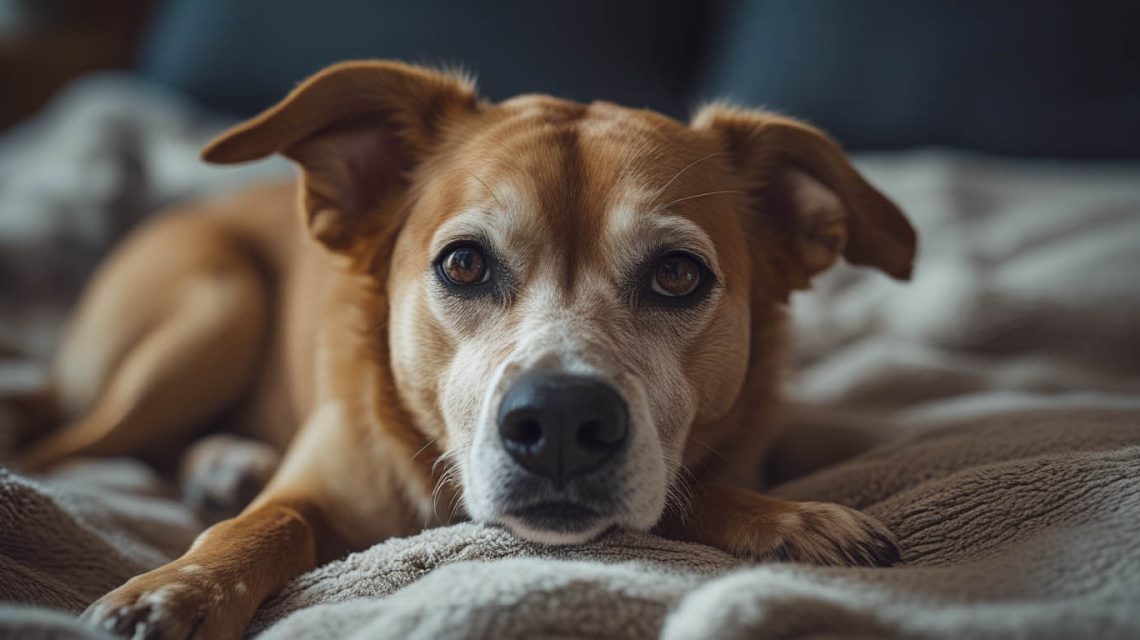
 You’re hearing it again and wondering, “why does my dog whine at night?” Dogs usually whine after dark because they’re anxious, lonely, uncomfortable, in pain, or have an unmet need (like needing to potty), even if it seems to come “out of nowhere.”
Many dog owners hit this point where the whining is keeping everyone awake, and nobody is sure what their dog is trying to say. Let’s decode it, so you can sleep—and your dog can, too.
Understanding Why Does My Dog Whine at Night
When you ask why does my dog whine at night, you’re talking about vocalizing that:
- Happens mostly after lights go out
- Repeats or escalates if ignored
- Often comes with pacing, scratching, or restless behavior
Whining is one of a dog’s ways to communicate discomfort or emotion. The American Kennel Club notes that dogs whine to seek attention, express anxiety, or indicate pain.
So, the question why does my dog whine at night is really:
“What is my dog trying to tell me in the middle of the night that they can’t express any other way?”
Common Causes: Why Does My Dog Whine at Night So Much?
Why Does My Dog Whine at Night from Anxiety or Loneliness?
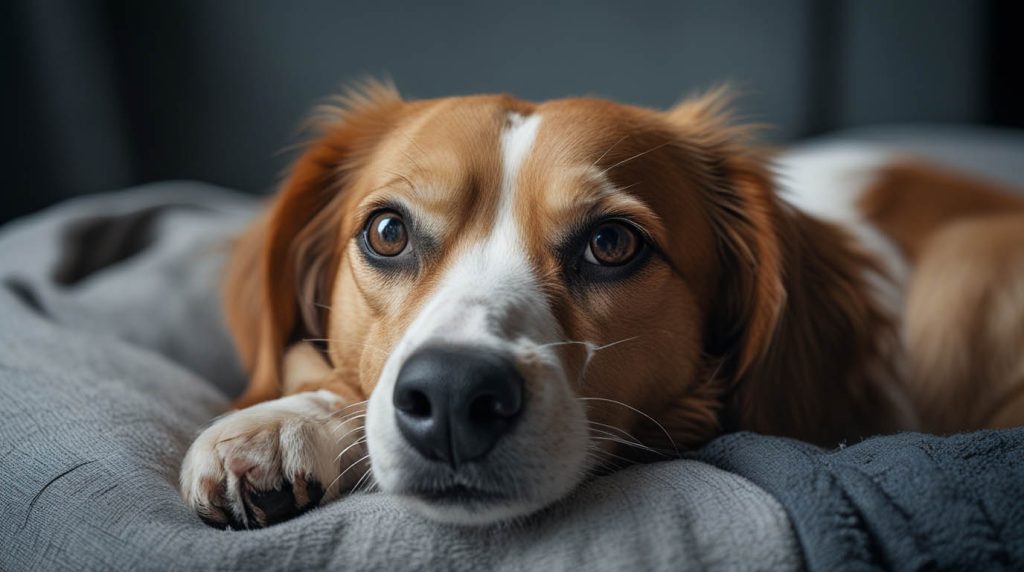
One of the most common answers to why does my dog whine at night is simple: they feel anxious or lonely when separated from you.
Clues it’s anxiety or loneliness:
- Your dog settles when you let them into your bedroom or move closer
- Whining happens when they’re crated or in another room
- You also see clingy behavior during the day
The ASPCA’s separation anxiety guide lists whining, pacing, and distress when left alone as classic signs.
New puppies, rescue dogs, or dogs who suddenly have to sleep alone (after years in your bed, for example) are especially prone to this.
Why Does My Dog Whine at Night Because of Physical Needs?
Sometimes why does my dog whine at night has a very practical explanation:
- They need to go outside to potty
- They’re hungry because of a new feeding schedule or medication
- They’re too hot or too cold
Think about:
- Did your dog drink a lot before bed?
- Has their diet or meal timing changed?
- Is the room drafty, or is their bed right under a vent?
In my experience, many dogs that suddenly start whining at 3 a.m. are saying, “I actually do need something,” especially if they’re still young or newly house‑trained.
Why Does My Dog Whine at Night Due to Pain or Illness?
If whining is new, intense, or comes with other changes, pain or illness may be behind why does my dog whine at night.
Possible signs:
- Whining plus panting, even in a cool room
- Trouble getting comfortable; lots of shifting or grunting
- Limping, stiffness, or reluctance to jump on the bed/couch
- Changes in appetite, energy, or bathroom habits
The VCA Animal Hospitals note that dogs may vocalize more at night when distractions are low and pain feels worse.
Senior dogs with arthritis, dogs with GI pain, or dogs recovering from surgery often whine more at night. In that case, the answer to why does my dog whine at night is “because my body hurts most when I’m trying to rest.”
Why Does My Dog Whine at Night in Puppies and Seniors?
Age matters when you’re asking why does my dog whine at night:
- Puppies
- Miss their littermates and mother
- Need more frequent potty breaks
- Are adjusting to a brand‑new environment
- Senior dogs
- May have cognitive dysfunction (“doggie dementia”)
- Can feel disoriented after dark
- Often wake more to drink or potty
PetMD explains that older dogs with cognitive changes often show nighttime restlessness and vocalization.
So in puppies and seniors, why does my dog whine at night often reflects transitions and brain changes, not just “bad behavior.”
How to Respond When You Ask Why Does My Dog Whine at Night
Step-by-Step Plan for Why Does My Dog Whine at Night
Here’s a simple, safe way to tackle it:
- Rule out immediate needs
- Quietly take your dog outside on leash.
- No play, no talking—just business.
- If they potty and then settle, that may answer why does my dog whine at night.
- Check for pain or illness
- Any limping, vomiting, diarrhea, coughing, or obvious discomfort?
- Any recent injuries or surgeries?
- If yes, call your vet promptly.
- Evaluate their sleep setup
- Is their bed comfy and in a quiet, non‑drafty spot?
- Do they prefer being closer to you?
- Sometimes, moving the bed into your room reduces anxiety.
- Track the pattern
- For a week, jot down when and how often your dog whines at night, and what you did right before bed.
- This log becomes extremely useful when you talk to your vet or trainer.
For related nighttime behaviors, see also:
Common Mistakes with Why Does My Dog Whine at Night
A few easy traps can make nighttime whining worse:
- Inconsistent responses
- Sometimes you let them on the bed, sometimes you yell—this confuses the dog and can increase whining.
- Turning it into playtime
- If you throw toys or feed snacks every time they whine, they learn that whining brings rewards.
- Ignoring pain
- Writing off a new, intense whine as “being dramatic” can delay needed vet care.
Instead, treat why does my dog whine at night like meaningful data. You’re trying to listen, not just shut them up.
Best Practices and Tools for Why Does My Dog Whine at Night
Once you’ve ruled out emergencies, you can create a better nighttime routine.
- Exercise and enrichment
- Make sure your dog gets enough physical and mental activity during the day. A tired brain whines less at night.
- Predictable evening schedule
- Last potty, then quiet time, then bed—same order every night.
- Comfort objects
- Safe chew, a worn T‑shirt that smells like you, or a warm (not hot) water bottle for puppies.
- Anxiety support
- Talk with your vet about pheromone diffusers, supplements, or, in serious cases, medication.
The AVMA has good behavior resources that reinforce how structure and kindness beat punishment every time.
If separation anxiety is clearly the root of why does my dog whine at night, working with a certified trainer or veterinary behaviorist can make a huge difference.
Quick Tip Box: Why Does My Dog Whine at Night?
- New whining + other symptoms? → Call your vet.
- Puppy recently separated from litter? → Expect some whining; respond calmly and consistently.
- Whining stops when dog is near you? → Consider moving their bed closer or using gradual independence training.
- Whining after big daily changes (move, schedule shift)? → Give them time and routine; consider extra comfort and reassurance.
FAQ: Short Answers About Why Does My Dog Whine at Night
Q1: Why does my dog whine at night in his crate?
Often it’s anxiety, loneliness, or needing to potty—especially in puppies. Make sure the crate is comfy, near you at first, and that you’re not crating them with a full bladder.
Q2: Why does my dog whine at night for no reason?
From your point of view, there’s no reason, but your dog may be feeling pain, confusion, or anxiety. If you truly can’t find a trigger and it’s new, talk with your vet.
Q3: Why does my senior dog whine at night now?
Older dogs may whine more due to arthritis pain, nighttime confusion (cognitive dysfunction), or needing more bathroom breaks. All of this is worth discussing with your vet.
Q4: Should I ignore my dog when they whine at night?
Ignore learned whining only after you’ve ruled out pain, illness, and genuine needs. Then use consistent, calm routines to teach them that nighttime is for sleeping.
Q5: Why does my dog whine at night and pace around?
Whining plus pacing often signals anxiety, pain, or restlessness. Pair this article with Why Is My Dog Pacing at Night? and consult your vet.
Conclusion: Turning “Why Does My Dog Whine at Night” Into a Plan
Nighttime whining can be exhausting, but it’s also your dog’s way of telling you something isn’t quite right, whether that’s fear, loneliness, an upset stomach, or aging joints that ache in the dark. When you lean into the question “why does my dog whine at night” instead of just wishing it away, you give yourself a chance to fix the real problem—not just the noise.
Over the next few nights, watch your dog with curiosity. Note when the whining starts, what helps it stop, and any other changes in their behavior or health. Then share that with your veterinarian and, if needed, a good trainer or behavior specialist. Combine their guidance with the best practices in this article to redesign your dog’s evenings: more exercise, more predictability, better comfort, and less worry.
By treating why does my dog whine at night as a puzzle you can solve instead of a punishment you endure, you’ll help your dog feel safer and more comfortable—and finally get everyone in the house a better night’s sleep.
