

 Animal Zoid Editorial Team
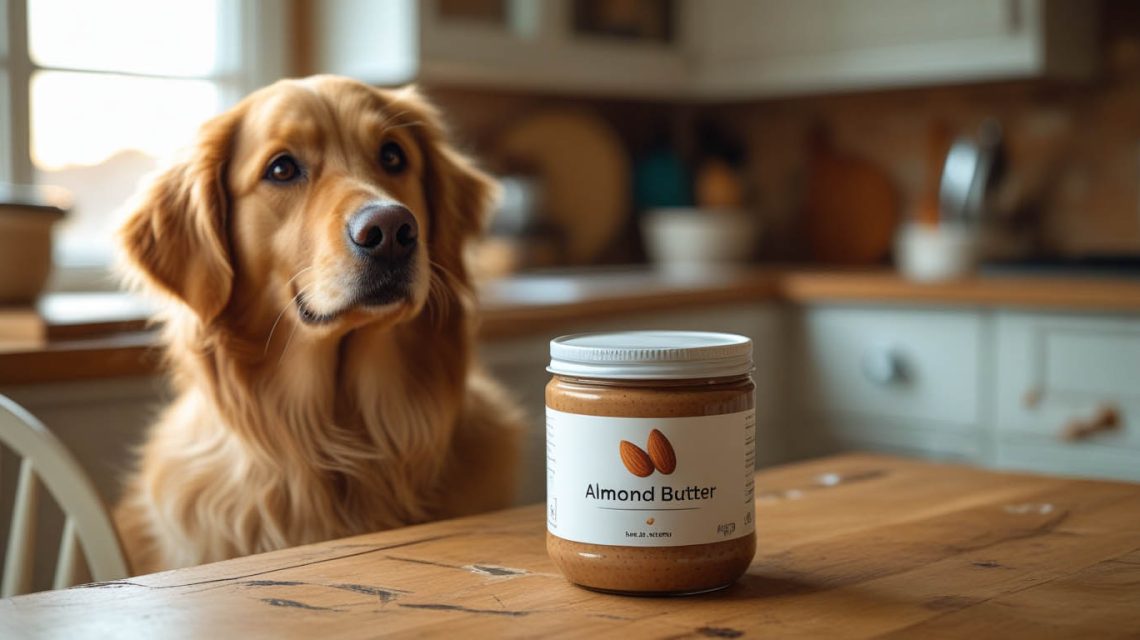
 You’re about to stuff a Kong, you reach for the peanut butter, and suddenly remember you switched to almond butter last week. Your dog is staring at you, drooling in anticipation, and the thought pops up: is almond butter safe for dogs, or am I about to make a mistake?
You’re not alone. Many dog owners assume almond butter must be healthier or “cleaner” than peanut butter, but the truth is more nuanced. Almond butter can be okay for some dogs in tiny amounts, but it can also be a serious problem depending on the ingredients, your dog’s health, and how often you use it.
In this guide, we’ll walk through:
- What the question “is almond butter safe for dogs” really involves
- How almond butter compares to whole almonds and peanut butter
- Ingredient red flags (especially xylitol) you must avoid
- When small amounts can work, and when you should skip it entirely
- Practical, vet‑style steps to use it safely—or not at all
By the end, you’ll have a clear, confident answer to is almond butter safe for dogs in your own home.
Is Almond Butter Safe for Dogs? The Short Vet Answer
Let’s start with the answer most vets would give if you asked in one sentence.
For a healthy adult dog:
- Plain, unsalted, xylitol‑free almond butter in very small amounts is usually safe as an occasional treat.
- However, almond butter is high in fat and calories, and many brands contain dangerous additives.
- Dogs do not need almond butter nutritionally, and for many dogs, avoiding it entirely is safer.
The American Kennel Club’s guidance on almonds notes that whole almonds aren’t recommended for dogs due to choking and fat‑related issues. Almond butter solves the choking problem but keeps the fat and often adds sugar or sweeteners.
So, a realistic summary to is almond butter safe for dogs is:
Sometimes, in tiny amounts, for healthy dogs, and only if the product is simple and xylitol‑free. Otherwise, no.
What Does “Is Almond Butter Safe for Dogs” Actually Mean?
Before we go deeper, it helps to unpack what people are really asking when they type is almond butter safe for dogs.
The Real‑World Questions Behind “Is Almond Butter Safe for Dogs”
Most owners actually mean:
- “Can I give my dog a lick of almond butter without hurting them?”
- “Is almond butter a healthier alternative to peanut butter?”
- “Is almond butter safe for dogs if I use it in a Kong or to hide pills?”
- “My dog already ate some. Do I need to panic?”
So we’re not just asking whether almond butter is toxic. We’re asking about:
- Ingredient safety – any stealth toxins like xylitol or chocolate?
- Fat and calorie load – will this strain the pancreas or cause weight gain?
- Your dog’s health status – are they overweight, senior, pancreatitis‑prone, or diabetic?
- Portion control – are we talking about a pea‑sized dot, or a daily spoonful?
Once you see all that, the answer to is almond butter safe for dogs becomes less “yes vs. no” and more “for this dog, this brand, in this amount.”
Is Almond Butter Safe for Dogs Compared to Whole Almonds?
Many people first hear that almonds aren’t great for dogs, then wonder if almond butter is a safer workaround.
Whole Almonds vs. Almond Butter: Is Almond Butter Safe for Dogs Here?
Whole almonds:
- Pose a serious choking hazard
- Are hard to digest
- Carry the same high‑fat risk as almond butter
- Often come salted or flavored
Almond butter, on the other hand:
- Removes the choking and blockage risk (big plus)
- Still delivers a concentrated fat and calorie punch
- Frequently includes added ingredients (salt, sugar, oils, sweeteners)
So yes, almond butter is mechanically safer than whole almonds, but the high fat and additive issues remain. That’s why a vet might say:
If you’re determined to use something almond‑based, almond butter (in tiny amounts) is safer than whole almonds—but only if you read the label and account for the calories.
That still doesn’t make the general answer to is almond butter safe for dogs a simple yes.
Ingredient Deep Dive: Is Almond Butter Safe for Dogs Based on What’s Inside?
Now let’s look at the jar itself. When you ask is almond butter safe for dogs, you should be asking about ingredients first.
Xylitol: The #1 Factor That Makes Almond Butter NOT Safe for Dogs
Xylitol is a sugar substitute that’s:
- Common in “sugar‑free” or “no sugar added” nut butters
- Extremely toxic to dogs
- Able to cause rapid hypoglycemia (low blood sugar) and liver failure
If a dog eats almond butter with xylitol, you may see:
- Vomiting
- Weakness
- Stumbling or collapse
- Seizures
Both the ASPCA Animal Poison Control Center and the Pet Poison Helpline treat xylitol as a top emergency toxin.
So, is almond butter safe for dogs if it contains xylitol?
Absolutely not. That’s an immediate “no” and a reason to call a vet right away if your dog ingests it.
Sugar, Salt, and Oil: Are These a Problem?
Even when xylitol isn’t present, many almond butters contain:
- Added sugar or honey – extra empty calories
- Salt – unnecessary sodium that can stress kidneys
- Palm or canola oil – more fat that dogs don’t need
For humans, these may be minor concerns. For dogs, especially small or health‑compromised ones, they answer “is almond butter safe for dogs” with more and more caveats.
What Makes an Almond Butter Relatively Safer for Dogs?
The safest style of almond butter for dogs is:
- Unsweetened
- Unsalted
- Xylitol‑free
- Ingredient list: “Almonds” only (possibly with almond oil)
Even then, it remains a rich, optional extra, not a daily treat.
Nutrition and Health: Is Almond Butter Safe for Dogs in Small Amounts?
Even with a clean ingredient list, you still need to manage fat and calories.
Calorie and Fat Load: Is Almond Butter Safe for Dogs’ Waistlines?
Approximate nutrition for 1 tablespoon of almond butter:
- ~90–100 calories
- High in fat
- Some protein and fiber
For a 20‑lb (9‑kg) dog who may need around 400–500 calories per day, that’s:
- Up to 25% of daily calories in a single spoonful
Vets and organizations like VCA Animal Hospitals recommend that treats shouldn’t exceed 10% of daily calories.
So even if the answer to is almond butter safe for dogs is “it’s okay to test a bit,” the amount needs to be tiny:
- Toy dogs: pea‑sized dab
- Small dogs: ¼–½ teaspoon
- Medium dogs: up to ½ teaspoon
- Large dogs: up to 1 teaspoon, and not every day
Pancreatitis Risk: Is Almond Butter Safe for Dogs with Sensitive Pancreases?
High‑fat foods can trigger pancreatitis, a painful and sometimes dangerous inflammation of the pancreas. Symptoms include:
- Vomiting
- Abdominal pain
- Lethargy
- Loss of appetite
If your dog has ever had pancreatitis, your vet likely already warned you about fatty foods. For those dogs:
The answer to “is almond butter safe for dogs” should be no—even tiny amounts can be risky.
Special Cases: For Which Dogs Is Almond Butter Safe or Unsafe?
Now we can refine the answer to is almond butter safe for dogs by looking at categories of dogs.
Is Almond Butter Safe for Dogs Who Are Healthy, Adult, and Fit?
For a dog who is:
- Fully grown
- At a healthy weight
- Free of GI, pancreatic, or metabolic issues
a vet might say:
- Yes, a pea‑sized amount of plain, xylitol‑free almond butter once in a while is unlikely to harm them.
- No, almond butter is not a daily treat or a required part of their diet.
Is Almond Butter Safe for Dogs Who Are Puppies?
Puppies:
- Have more delicate digestion
- Need very specific nutrition for growth
- Can tip into diarrhea or vomiting quickly with rich extras
Because of that, most vets prefer that owners don’t experiment with almond butter for puppies, unless there’s a specific medical reason and a vet’s direct guidance.
So for puppies, is almond butter safe for dogs is best treated as “not recommended.”
Is Almond Butter Safe for Dogs Who Are Overweight or Senior?
For overweight or older dogs:
- Every extra calorie matters
- High‑fat extras add joint strain and metabolic stress
- They may already have lower tolerance for dietary mistakes
These dogs rarely benefit from almond butter. It’s much easier to answer is almond butter safe for dogs with a simple “no” for them and move on to safer treats.
Practical Usage: How to Implement “Is Almond Butter Safe for Dogs” in Real Life
Let’s say your vet gives the green light for very small amounts. How do you handle almond butter safely in practice?
Step 1: Label Check Every Single Time
Before you decide is almond butter safe for dogs for a particular brand, read the ingredient list:
- Absolutely avoid:
- Xylitol or sugar alcohols
- Chocolate or cocoa
- Spices (especially nutmeg, cinnamon blends, or “flavoring mixes”)
- Prefer:
- Just “almonds” in the ingredient list
- No added sugar or salt, if possible
Step 2: Test Micro Amounts First
For the first trial:
- Offer a pea‑sized dot of almond butter.
- Wait 24 hours.
- Watch for vomiting, loose stool, or itchiness.
If your dog shows any sign of distress, stop there and talk to your vet. If they’re fine, you’ve learned that this amount of this product is tolerated.
Step 3: Choose Almond Butter Jobs Wisely
For dogs that pass the test, almond butter can sometimes be used to:
- Hide pills (just enough to coat the medication)
- Seal a Kong with a thin smear (fill the rest with kibble or veggies)
- Provide a jackpot reward for an especially tough training challenge
You’ll notice none of these involve big spoonfuls or daily servings. That’s deliberate.
Common Mistakes Owners Make Around “Is Almond Butter Safe for Dogs”
Even careful people can slip up when they don’t see the whole picture.
Mistake 1: Treating Almond Butter as a “Health Upgrade”
I’ve seen owners think:
“Peanut butter is processed and junky. Almond butter seems clean and natural. So almond butter must be better for my dog.”
But:
- Dogs don’t share our specific heart‑health needs.
- They already get balanced fats and nutrients from dog food.
- For them, almond butter is just another rich, fatty, unnecessary extra.
So swapping peanut butter for almond butter without changing portion size or frequency doesn’t solve the health concerns; it just changes brands.
Mistake 2: Forgetting About Added Ingredients
Some “healthy” nut butters include:
- Coconut sugar
- Honey
- Vanilla
- Spices
These may be fine for people, but for dogs, they equal extra sugar, calories, or questionable ingredients. When people ask is almond butter safe for dogs, they often forget that these add‑ons even exist.
Mistake 3: Letting Almond Butter Become an Uncounted Habit
The biggest silent trap looks like this:
- Almond butter for pills in the morning
- Almond butter in the Kong in the afternoon
- Kids letting the dog “clean the spoon” in the evening
Nobody realizes how much the dog eats in total. Over weeks or months, this turns “is almond butter safe for dogs” from a theoretical nutrition question into an actual weight or GI problem.
Best Practices After You Decide When Almond Butter Is Safe for Dogs
Once you understand the nuance behind is almond butter safe for dogs, you can set some clear household rules.
Best Practice #1: Adults Decide, Not Kids or Guests
Make it a rule that:
- Only adults decide if and when the dog gets almond butter.
- Kids and visitors never share from their own snacks.
This keeps “is almond butter safe for dogs” from becoming a judgment call in the hands of someone who doesn’t know what xylitol is.
Best Practice #2: Use Almond Butter Sparingly, If at All
If your vet supports occasional use:
- Reserve almond butter for specific purposes (like pills).
- Keep servings pea‑sized to 1 teaspoon maximum, depending on your dog’s size.
- Avoid making almond butter part of a daily routine.
Best Practice #3: Prefer Lower-Risk Treats by Default
Stock treats where your dog will notice:
- Carrot sticks
- Frozen green beans
- Apple slices (no seeds)
- Blueberries
- Dog‑formulated biscuits
If you run a broader dog health site, you might link internally to guides like:
These internal links help readers see almond butter as one small piece of a bigger nutritional puzzle.
Tools and Resources to Support Your Answer to “Is Almond Butter Safe for Dogs”
When you’re not sure, use:
- Nutrition calculators (some vet sites and apps provide these) to track calories.
- Food journals (paper or digital) to stay aware of treats including almond butter.
- Veterinary consults (in‑clinic or telemedicine) if your dog has special health needs.
External resources worth bookmarking:
- VCA Animal Hospitals – Nutrition Guidelines
- American Kennel Club – Almonds and Dogs
- PetMD – Can Dogs Eat Almonds?
- ASPCA Animal Poison Control Center
- Pet Poison Helpline – Xylitol
These give you data to support your own stance on is almond butter safe for dogs.
Case Studies: Real Dogs and the “Is Almond Butter Safe for Dogs?” Question
Case Study 1: The Pancreatitis-Prone Poodle
Lily, a 22‑lb Miniature Poodle, loved Kongs. Her owner, trying to be “healthy,” began sealing them with almond butter instead of peanut butter, thinking it was an improvement. After a month of daily Kongs:
- Lily vomited repeatedly
- She became lethargic and refused food
- The vet diagnosed pancreatitis
When the vet reviewed Lily’s diet, the almond butter stood out. For Lily, even modest daily fat extras were too much. Her owner learned the hard way that, for her, the answer to is almond butter safe for dogs was a clear no.
Case Study 2: The Xylitol Scare
Cooper, a 35‑lb spaniel, knocked over a jar of “keto almond butter” and licked it clean. The label listed xylitol. Within an hour:
- Cooper grew weak
- He staggered and seemed disoriented
- His gums looked pale
Emergency vets identified xylitol poisoning. Cooper survived with aggressive treatment, but his owner now reads every label before anything comes near the dog’s mouth. In their house, any almond butter is now considered unsafe by default.
Future Trends: Will the Answer to “Is Almond Butter Safe for Dogs” Change?
As pet nutrition progresses, we may see:
- Dog‑specific nut butter alternatives with less fat and no risky additives
- Better labeling, with clear “not safe for pets” warnings on xylitol products
- Stronger owner education that even “healthy” human foods can hurt dogs
However, what won’t change is:
- Dogs’ need for balanced, species‑appropriate nutrition
- The fact that almond butter is an optional, rich, human food
- The importance of label reading and portion control
So even in the future, I suspect that “is almond butter safe for dogs?” will still be answered cautiously.
FAQ: Short Answers About “Is Almond Butter Safe for Dogs”
Q1: Is almond butter safe for dogs if it’s organic and natural?
“Organic” and “natural” don’t necessarily mean dog‑safe. It could still be high in fat, contain sugar, or even xylitol. Always check the full ingredient list.
Q2: Is almond butter safe for dogs in large amounts if they’re very active?
No. Activity doesn’t protect against pancreatitis or GI upset from fat. Even active dogs don’t need large amounts of any nut butter.
Q3: Is almond butter safe for dogs as a daily Kong filler?
It shouldn’t be. Even small daily amounts add up in calories and fat. Use other fillers (kibble, pumpkin, veggies) and only tiny smears of almond butter, if at all.
Q4: Is almond butter safe for dogs with food allergies?
Not necessarily. Almonds are a new protein source and can become a new allergen. Dogs on allergy diets should only get treats approved by their vet.
Q5: Is almond butter safe for dogs compared to peanut butter?
They’re both high in fat and calories. For most dogs, neither should be frequent or large. Some dogs tolerate xylitol‑free peanut butter better simply because it’s more common and better studied.
Conclusion: So, Ultimately, Is Almond Butter Safe for Dogs?
The next time you reach for a jar and hear that little voice ask, “is almond butter safe for dogs?”, you’ll know there isn’t a one‑word answer. Plain, xylitol‑free almond butter can be tolerated in very small, infrequent amounts by many healthy adult dogs. However, it’s never necessary, always calorie‑dense, and sometimes laced with ingredients that can put your dog straight into the emergency clinic.
You’ve seen how to read labels, how to size portions, and how your dog’s specific health status changes the equation. You’ve also learned that there are plenty of simpler, lower‑risk treats that make your dog just as happy without the extra worry.
Your next steps:
- Go check the almond butter in your pantry for xylitol, sugar, and salt.
- Talk with your vet if you’re unsure whether your dog falls into a higher‑risk group.
- Choose one or two safer go‑to treats (like carrots or pumpkin) so almond butter never has to carry the whole “fun food” job.
By turning “is almond butter safe for dogs” from a source of anxiety into a thoughtful, informed decision, you’ll protect your dog’s health while still enjoying all the joy that treat time brings.

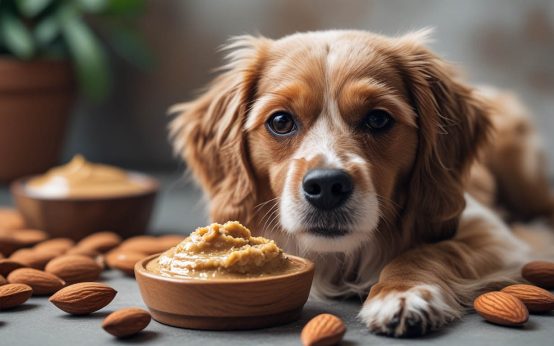 Is Almond Butter Safe for Dogs? Full Guide