

 Animal Zoid Editorial Team
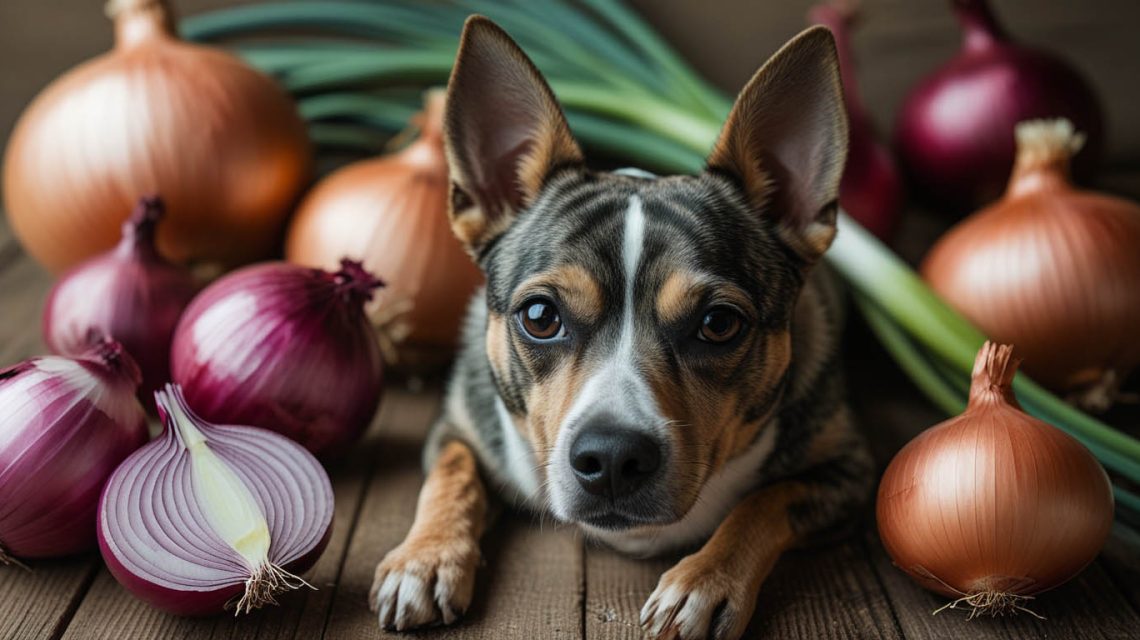
 Can Dogs Eat Onions? Why This Question Matters
If you’ve ever typed “can dogs eat onions” into your search bar while scraping leftovers into the trash, you’re in very good company. Plenty of owners feel that little pang of guilt when their dog stares up at them, hoping for a bite of whatever’s on the plate—especially if it’s something tasty like onion‑covered steak or stir‑fry.
Let me walk you through a scenario I’ve seen more than once.
Luna, a 28‑pound mixed‑breed, grabbed a chunk of fajita meat from the counter while her family set the table. The meat was loaded with grilled onions and seasoning. She looked thrilled, nobody thought much of it, and dinner moved on. The next day, though, Luna seemed tired. By the day after that, she was weak, her gums looked pale, and she had dark, reddish urine. Only then did her family learn that the “little bit of onion” in that stolen fajita posed a serious risk.
That’s why can dogs eat onions is not a trivial question. Onions don’t just cause tummy upsets. They can damage a dog’s red blood cells and trigger hemolytic anemia, which may require hospitalization and, in severe cases, can be fatal.
According to the Merck Veterinary Manual, onions and related plants cause well‑documented toxicity in dogs and other animals. And the ASPCA Animal Poison Control Center lists onions among the common human foods that poison pets every year.
In this guide, we’ll dig into:
- What the question “can dogs eat onions” really covers
- How onions actually harm your dog’s body
- Symptoms of onion poisoning and what to do if it happens
- Common owner mistakes and how to avoid them
- Best kitchen and feeding practices now that you know dogs can’t eat onions
- Safe alternative foods and trustworthy resources
By the end, you’ll know exactly why the answer to can dogs eat onions is “no,” and what to do to keep that “no” from ever turning into an emergency.
What Does “Can Dogs Eat Onions” Really Mean?
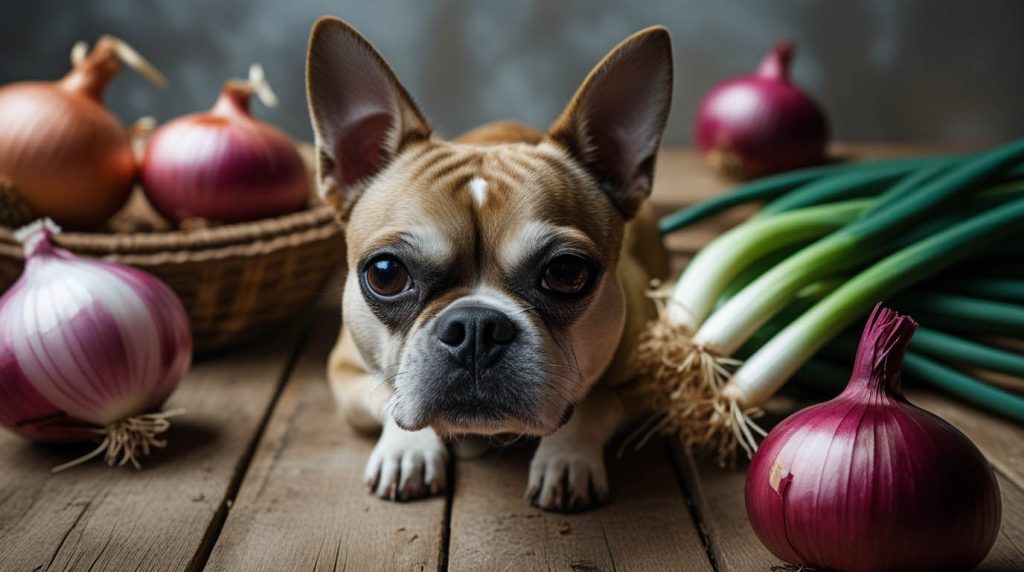
When you ask “can dogs eat onions”, you’re usually not planning to feed your dog a whole onion. More often, you’re wondering things like:
- “Is a few cooked onion pieces in leftovers okay?”
- “What if the stew just had some onion in the base?”
- “Does onion powder in seasoning really matter?”
So let’s unpack what we’re actually talking about.
Onions belong to the Allium family of plants, which includes:
- Onions (yellow, white, red, sweet)
- Garlic
- Leeks
- Shallots
- Chives
Alliums contain sulfur‑containing compounds (like N‑propyl disulfide) that dogs cannot process safely. According to toxicology summaries in the Merck Veterinary Manual, these compounds damage canine red blood cells through oxidative stress, leading to anemia.
So, when we ask can dogs eat onions, we’re really asking:
“Is there any safe way for a dog to consume onions or onion‑containing foods without risking red blood cell damage?”
Based on current veterinary evidence, the answer is: no—onions are not considered safe for dogs in any form or amount.
Can Dogs Eat Onions in Any Form?
You might wonder if the answer changes depending on how you prepare the onion. It doesn’t.
Dogs may encounter onions in many forms:
- Raw onions – sliced, chopped, or whole
- Cooked onions – grilled, sautéed, caramelized, roasted, fried
- Onion powder – in spice mixes, soups, sauces, and gravies
- Dehydrated onions – in dry soup packets, stuffing mixes
- Prepared foods – casseroles, burgers, meatloaf, stir‑fries, curries
- Commercial products – some broths, baby foods, and frozen meals
Here’s the key point: cooking does not destroy or neutralize the toxic compounds for dogs. Whether an onion is raw or perfectly caramelized, the risk remains.
The ASPCA Animal Poison Control Center specifically warns that all forms of onions and related Allium vegetables can be dangerous to pets, including powders and cooked forms.
So, no matter how you slice, dice, or roast it, the safe answer to can dogs eat onions remains no.
Can Dogs Eat Onions in Small Amounts?
This is the part people struggle with. I’ve heard variations of this line countless times:
“My dog once ate a few onion rings and was fine. So surely small amounts are safe, right?”
Not quite.
Onion toxicity depends on:
- Dose per body weight
- Frequency of exposure (once vs. repeated)
- Size and health of the dog
- Individual sensitivity
Research summarized in the Merck Veterinary Manual suggests that ingestion of onions at around 0.5% or more of a dog’s body weight can cause clinically significant problems. For example:
- A 10 kg (22 lb) dog might be at risk from around 50 g of onion (roughly half a small onion).
- A 20 kg (44 lb) dog might be at risk from around 100 g of onion (about a small to medium onion).
However, there are two big catches:
- Onion powder is more concentrated than fresh onion. Small amounts in gravy or seasoning can deliver a larger dose.
- Repeated small exposures over several days can add up to a toxic total dose.
So, even if nothing dramatic happens after a single tiny bite, repeated “little treats” of onion‑flavored food can eventually reach a dangerous level. That’s why veterinarians and poison centers urge owners to treat can dogs eat onions as a flat “no,” instead of gambling on what counts as “small.”
Can Dogs Eat Onions: How Onions Harm Your Dog’s Body
To really understand why can dogs eat onions gets such a strong answer, it helps to see what happens inside the body.
Step‑by‑Step: Onion Toxicity in Dogs
When a dog eats onions:
- Onion compounds enter the bloodstream.
The sulfur compounds get absorbed through the digestive tract and travel in the blood. - They cause oxidative damage to red blood cells.
The compounds change the structure of hemoglobin (the oxygen‑carrying pigment in red blood cells). - Heinz bodies form inside red blood cells.
These are abnormal clumps of damaged hemoglobin that you can see under a microscope. - The immune system removes damaged cells.
The body recognizes these red blood cells as defective and starts destroying them. - Hemolytic anemia develops.
Red blood cells are destroyed faster than they can be replaced, so the dog becomes anemic and can’t carry enough oxygen.
According to overviews like those on Pet Poison Helpline, dogs typically show signs of onion toxicity within a day or several days after ingestion, depending on dose and individual factors.
This delayed effect is exactly why owners often miss the connection. The dog eats onions on Monday; by Wednesday, they’re weak and pale, and “can dogs eat onions” may not even be on your mind anymore.
Can Dogs Eat Onions: Symptoms of Onion Poisoning
Now let’s translate all that physiology into what you might actually see at home.
Early Signs
Shortly after ingestion (within hours to a day), dogs may develop:
- Vomiting
- Diarrhea
- Loss of appetite
- Abdominal discomfort
- Drooling
At this point, many owners assume the dog just has an upset stomach from rich food. However, the real trouble often appears a bit later.
Signs of Developing Anemia
As red blood cells break down over the next one to several days, you might notice:
- Lethargy and weakness – your dog tires easily or seems “off”
- Pale gums – gums look white or very light pink instead of healthy pink
- Increased heart rate – the heart pumps faster to compensate for low oxygen
- Rapid or labored breathing
- Exercise intolerance – your dog can’t handle their usual walks or play
More Serious Symptoms
In more advanced or severe cases, signs can escalate to:
- Dark red, brown, or tea‑colored urine (from hemoglobin breakdown)
- Yellowish gums or eyes (jaundice from red blood cell destruction)
- Collapse or inability to stand
- Signs of shock – cold extremities, very weak pulse
At that point, the question can dogs eat onions has already turned into a full‑blown medical emergency.
If you see any combination of vomiting, weakness, pale gums, or dark urine after your dog has eaten onion‑containing food, you should contact a veterinarian or emergency clinic immediately.
Can Dogs Eat Onions: Step‑by‑Step Emergency Plan
If you’re reading this because your dog just got into onions, here’s how to respond calmly and effectively.
1. Stay Calm and Gather Key Details
Quickly note:
- What your dog ate (type of food, raw/cooked onion, onion powder, etc.)
- Approximate amount (rough guess is better than nothing)
- Time since ingestion
- Your dog’s weight and any health issues
You don’t need to be perfect, but these details help the veterinarian assess risk.
2. Call a Professional Right Away
Next, call:
- Your regular veterinarian (if they’re open), or
- A local emergency animal hospital, or
- A poison hotline such as Pet Poison Helpline or the ASPCA Animal Poison Control Center
Tell them you’re calling about onion ingestion and give them the details you just collected.
3. Follow Their Instructions Exactly
Depending on the situation, they might advise:
- Monitoring at home for mild, low‑risk exposures
- Immediate clinic visit for exam and bloodwork
- Inducing vomiting if the ingestion was recent and it’s safe to do so
- Giving activated charcoal to reduce absorption (done under veterinary supervision)
Don’t improvise remedies based on random advice. Let the pros lead.
4. Avoid Unproven Home “Detox” Tricks
Definitely skip:
- Forcing salt, hydrogen peroxide, or other substances without vet direction
- Giving over‑the‑counter human medications
- Assuming your dog will “sleep it off”
These can create new problems on top of onion toxicity.
5. Watch for Delayed Changes
Even if your vet initially recommends home monitoring, keep a close eye on your dog over the next 2–3 days for:
- New vomiting or diarrhea
- Lethargy or unusual quietness
- Pale or yellow gums
- Dark urine
- Fast breathing or heart rate
If you see anything concerning, call again or go in right away. In my experience, catching onion‑related anemia early makes treatment quicker, easier, and more likely to succeed.
Can Dogs Eat Onions: Common Owner Mistakes to Avoid
Once you know the risks, you start to see how easy it is to slip up. I’ve noticed a few recurring mistakes whenever people talk about can dogs eat onions.
Mistake 1: Thinking Only Raw Onions Are Dangerous
A lot of people assume cooking “kills the toxin.” Unfortunately, it doesn’t. Raw, sautéed, roasted, grilled, fried, caramelized—every cooked form still poses a risk.
Mistake 2: Ignoring Onion Powder in Seasonings
Onion powder often hides in:
- Gravies and sauces
- Stew or soup bases
- Spice blends and marinades
- Packaged broths and ramen flavor packets
- Ready‑made meats (like rotisserie chicken)
Because onion powder is so concentrated, even a small serving can deliver a big dose. If you’re not sure about the ingredients, don’t share it.
Mistake 3: Assuming Big Dogs Are Safe
Yes, large dogs can tolerate a greater absolute amount than small dogs, but dose per body weight still matters. A “small amount” for a Labrador can be a huge amount for a Chihuahua. And repeated tiny doses add up no matter the size.
Mistake 4: Sharing Leftovers Without Thinking
Many toxic exposures happen through:
- Scraped plates
- Shared stews, casseroles, and stir‑fries
- Bits of seasoned meat from the table
If the dish passed through a pan with onions (or onion powder), it isn’t dog‑safe.
Mistake 5: Waiting Too Long to Call the Vet
Owners often delay because the dog “seems okay right now.” Remember, onion damage builds over time. If you know your dog ate a meaningful amount, err on the side of calling sooner rather than later.
Once you internalize these patterns, you’ll notice how often can dogs eat onions comes up in everyday feeding decisions—and how often the answer needs to be a deliberate “no.”
Best Practices Now That You Know Dogs Cannot Eat Onions
Knowing the answer to can dogs eat onions is step one. Step two is turning that knowledge into practical habits.
Kitchen Habits for “Can Dogs Eat Onions” Safety
Set up your kitchen so it’s hard to make mistakes:
- Keep chopping and cooking zones off‑limits.
Use baby gates or train a solid “place” command so your dog stays out of the cooking zone. - Secure trash and compost bins.
Use lidded, heavy, or cabinet‑stored bins so dogs can’t raid onion peels or food scraps. - Plan your dog’s plate.
If you like sharing, set aside a plain portion of meat or vegetables before adding onions, garlic, salt, and rich seasonings. - Label leftovers clearly.
A simple “NO DOG” label on onion‑rich dishes helps family members avoid sharing them by accident.
Feeding Habits Built Around “Can Dogs Eat Onions”
In my experience, the easiest way to stop worrying about can dogs eat onions is to define a simple rule:
“If I didn’t specifically check the ingredients for onion or garlic, my dog doesn’t get it.”
That means:
- Avoid giving “mystery” table scraps.
- Read labels on broths, sauces, and commercial foods before you share.
- Skip feeding your dog from restaurants and takeout, where ingredients are often hidden.
Combine that with a good “leave it” command, and your dog will be much safer around dropped food, too.
Safe Alternatives When Dogs Can’t Eat Onions
You might feel like taking onions off the table for your dog removes a lot of flavor. The good news: dogs don’t need onion to enjoy their food at all.
Dog‑Safe Foods You Can Use Instead
Here are some simple options that add variety without the onion risk:
- Plain, cooked proteins
- Chicken, turkey, lean beef, or pork without bones, seasoning, or sauces
- Dog‑safe veggies
- Carrots (raw or cooked)
- Green beans
- Peas
- Plain pumpkin or squash (no sugar or spices)
- Dog‑safe fruits (in moderation)
- Blueberries
- Apple slices (no seeds or core)
- Banana pieces
The American Kennel Club maintains helpful lists of human foods dogs can and can’t eat, which is worth bookmarking.
Quick Comparison Table: Onions vs. Safe Options
| Food | Safe for Dogs? | Notes |
|---|---|---|
| Onions (any form) | ❌ No | Toxic; can cause hemolytic anemia. |
| Garlic | ❌ No | Also an Allium; even more potent than onion by weight. |
| Leeks / Shallots | ❌ No | Allium family; same type of risk. |
| Plain cooked chicken | ✅ Yes | No skin, bones, onion, garlic, or heavy seasoning. |
| Carrots | ✅ Yes | Great crunchy treat; feed in bite‑size pieces. |
| Green beans | ✅ Yes | Can be raw, steamed, or frozen; avoid salty canned versions. |
| Blueberries | ✅ Yes | Antioxidant‑rich treat in small amounts. |
| Seasoned stew | ⚠️ Usually no | Often contains onion, garlic, and salt; avoid unless ingredients vetted. |
This way, whenever someone asks you “can dogs eat onions”, you’re ready with both the reason why not and a list of better options.
Tools and Resources for “Can Dogs Eat Onions” Questions
You don’t need to memorize every toxic food. Instead, build a small toolkit you can lean on whenever you’re unsure about can dogs eat onions or anything similar.
Here are some trustworthy resources:
- Pet Poison Helpline – Detailed info on onion toxicity and many other poisons, plus a 24/7 helpline:
- ASPCA Animal Poison Control Center – Comprehensive toxic plant and food database, FAQs, and a phone hotline:
- Merck Veterinary Manual – Professional‑level toxicology information (great if you like detailed science):
- AVMA Pet Owner Resources – General pet health and safety guidance from the American Veterinary Medical Association:
- PetMD: Can Dogs Eat Onions? – Plain‑language explainer with veterinary review:
Save at least one of these on your phone. The next time you wonder about can dogs eat onions or any other ingredient, you’ll have expert answers at your fingertips.
Future Trends: Will “Can Dogs Eat Onions” Ever Change?
People sometimes ask whether the answer to can dogs eat onions might change as science advances.
Here’s what I’ve seen:
- The mechanism of onion toxicity is well understood and consistently replicated in veterinary literature.
- New veterinary research tends to refine dose estimates, not overturn the basic risk.
- Pet food companies avoid onion and garlic in dog foods for precisely this reason.
So it’s very unlikely that onions will suddenly become safe for dogs one day. What may change is how we prevent onion exposure:
- Better education for owners (you’re part of that trend by reading this)
- Apps that scan ingredient labels and flag dog‑toxic components
- More widespread awareness from vets, trainers, and shelters
In other words, while the underlying science stays stable, our ability to avoid onion toxicity keeps improving.
FAQ: Short Answers About “Can Dogs Eat Onions”
Q1: Can dogs eat onions if they’re cooked or caramelized?
No. Cooking, grilling, frying, or caramelizing does not remove the toxic compounds that harm dogs. The answer to can dogs eat onions stays “no” regardless of preparation.
Q2: My dog ate a small piece of onion. Do I need to see a vet?
You should at least call your veterinarian or a poison hotline with details: your dog’s weight, amount eaten, and when it happened. They’ll tell you whether monitoring at home is enough or if your dog needs an exam.
Q3: Can dogs eat onions if they’re mixed into a big dish like stew or casserole?
They shouldn’t. Onion dispersed through a large dish can still deliver a significant dose, and onion powder is especially concentrated. Treat any onion‑containing dish as off‑limits for your dog.
Q4: Are garlic and other Allium vegetables just as bad as onions?
Yes. Garlic, leeks, shallots, and chives all belong to the Allium family and can cause similar red blood cell damage. Some evidence suggests garlic is even more potent than onions by weight. If you’ve decided can dogs eat onions is a no, apply that rule to these as well.
Q5: What should I feed instead if I used onions for flavor before?
Skip onions for your dog’s portion. Use plain cooked meats, dog‑safe veggies like carrots or green beans, and occasional dog‑safe fruits. Season your own plate separately after you set aside your dog’s plain serving.
Conclusion: Make “Can Dogs Eat Onions” a Non‑Issue in Your Home
We’ve covered a lot of ground, but the core message is simple: the answer to “can dogs eat onions” is a clear and consistent no. Onions—and their Allium relatives—may seem harmless because they’re so common in our kitchens, yet for dogs they can quietly trigger hemolytic anemia, robbing red blood cells of their ability to carry oxygen.
You’ve seen how onion toxicity works, what symptoms to watch for, and how quickly things can escalate. You’ve also learned:
- Why no form of onion (raw, cooked, powdered, or hidden in gravies) is truly safe
- Why “small amounts” and repeated exposures still carry real risk
- Exactly what to do if your dog eats onions, step by step
- How to adjust your kitchen, feeding habits, and household rules so you never have to panic‑search can dogs eat onions in an emergency again
- Which safe, tasty alternatives you can offer instead, and where to find trustworthy information when you’re unsure
Now it’s your turn to act.
Take five minutes today to walk through your pantry and fridge. Check your broths, sauces, spice blends, and leftovers for onion and garlic. Decide which items are strictly “human only,” and let your family or roommates know why. Then, pick a few onion‑free snacks or treats your dog can enjoy instead.
By turning the knowledge behind can dogs eat onions into practical routines, you protect your dog from a very real, but completely preventable, danger—and you gain the peace of mind that comes from knowing you’re one step ahead of the next kitchen “accident.”

 Can Dogs Eat Onions: The Complete Toxicity Guide