

 Animal Zoid Editorial Team
 Introduction: The Truth About Can Dogs Eat Onions
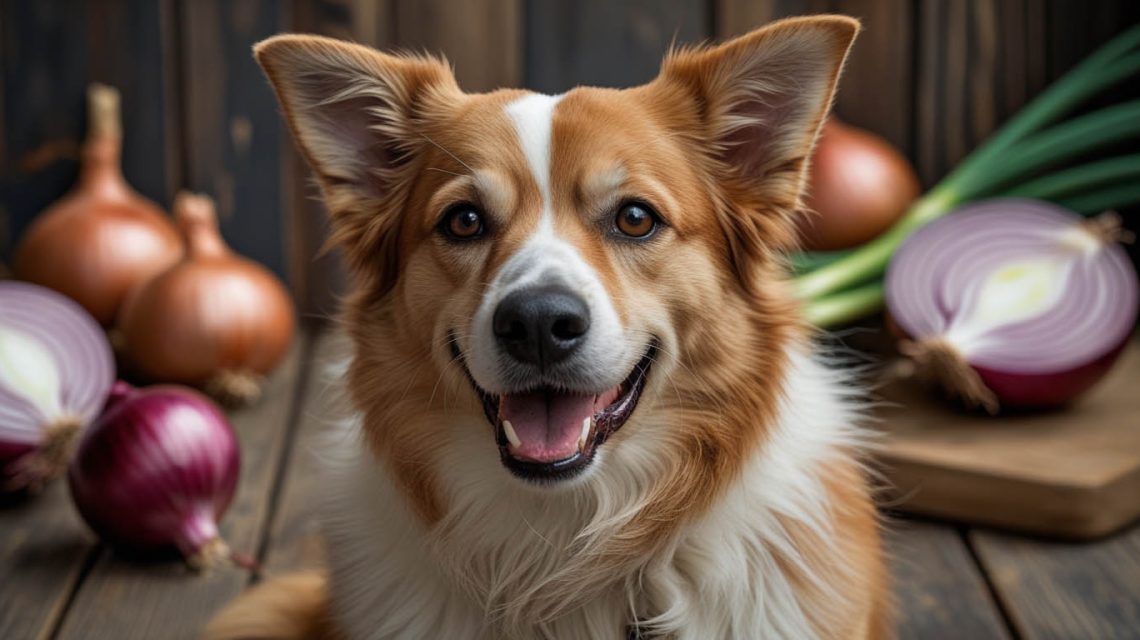
When your beloved furry companion snatches fallen onion pieces from your kitchen floor before you can intervene, that immediate surge of panic becomes completely justified—and understanding can dogs eat onions along with the severe health consequences becomes absolutely essential for every dedicated pet parent facing this frightening common scenario. According to the ASPCA Animal Poison Control Center, onion-related toxicity calls rank consistently among their top 10 most frequent emergency consultations annually, with veterinary hospitals treating thousands of dogs each year for Allium family ingestion complications. Furthermore, research published in veterinary toxicology journals demonstrates that dogs consuming merely 0.5% of their body weight in onions can develop potentially fatal hemolytic anemia, transforming even seemingly insignificant kitchen accidents into genuine medical emergencies.
The critical importance of definitively answering can dogs eat onions extends far beyond simple curiosity about your pet’s dietary restrictions or temporary digestive discomfort. Veterinary toxicology studies consistently reveal that onion compounds systematically attack red blood cells through oxidative damage, creating dangerous cumulative effects where repeated small exposures prove equally hazardous as single large ingestions. Additionally, the characteristically delayed symptom onset—frequently appearing 1-5 days following consumption—means countless owners fail to connect their dog’s sudden mysterious illness with an onion exposure occurring nearly a week earlier, resulting in critically delayed treatment and significantly worsened outcomes.
Successfully protecting your canine companion from onion toxicity demands comprehensive knowledge encompassing exactly why these everyday vegetables pose such extreme dangers, recognition of all potential exposure sources including hidden onions lurking in processed foods, and immediate action protocols that could genuinely save your dog’s life. While prevention remains the ultimate protective goal, understanding treatment options, realistic recovery expectations, and nutritious safe dietary alternatives ensures you’re completely prepared for any scenario involving your dog and this deceptively dangerous vegetable. Therefore, this detailed guide provides emergency response strategies, long-term prevention techniques, and expert veterinary insights helping you confidently protect your four-legged family member from onion toxicity.
Why Can Dogs Eat Onions Is Always Answered No
The Dangerous Science Behind Onion Toxicity
Before implementing protective household measures, understanding the biochemical mechanisms explaining why can dogs eat onions receives a definitive negative answer helps you appreciate the serious nature of this common toxicity. Onions belong to the Allium plant family, which includes garlic, leeks, chives, and shallots, all containing organosulfur compounds proving completely harmless to humans but devastatingly toxic to our canine companions. The primary toxic culprit, N-propyl disulfide, attacks your dog’s red blood cells through mechanisms their bodies simply cannot defend against effectively.
The fundamental physiological difference between human and canine digestive systems explains this dangerous disparity in onion tolerance levels. Dogs lack sufficient quantities of the specific enzyme required to properly metabolize and neutralize organosulfur compounds during digestion processes. Consequently, these toxic substances enter the bloodstream essentially intact, where they immediately begin attacking hemoglobin molecules within circulating red blood cells. Research consistently indicates that even dogs with exceptionally robust overall health cannot process these compounds safely regardless of breed, size, or age factors.
Interestingly, the toxic effects don’t manifest immediately following consumption, creating a dangerously false sense of security for uninformed pet owners. The oxidative damage occurs gradually over 24-72 hours as compounds accumulate throughout the bloodstream and progressively destroy increasing numbers of red blood cells. VCA Animal Hospitals’ veterinary resources explain that this characteristically delayed reaction frequently leads owners to believe their dog escaped harm entirely, only to face sudden emergency situations several days later when symptoms finally appear.
Understanding Why Can Dogs Eat Onions Causes Harm
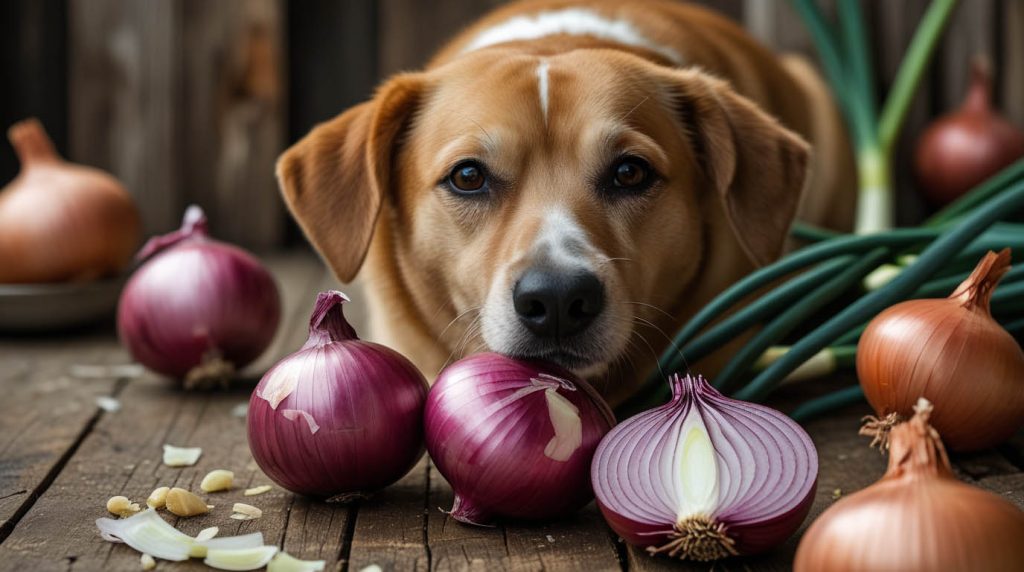
Comprehending the complete physiological cascade triggered when addressing can dogs eat onions situations helps you recognize why immediate intervention proves so absolutely critical for positive outcomes. The N-propyl disulfide compound attaches directly to oxygen-carrying molecules residing within red blood cells, initiating severe oxidative stress that systematically damages cell membranes from inside. This progressive damage causes formation of Heinz bodies—abnormal clusters of denatured hemoglobin visible only under microscopic examination.
Your dog’s spleen naturally recognizes these damaged cells as abnormal foreign bodies and begins destroying them at dramatically accelerated rates through a process called hemolysis. While the body continuously produces replacement red blood cells, the destruction rate during active onion toxicity far exceeds normal production capacity. Subsequently, your dog develops hemolytic anemia, a serious condition where insufficient healthy red blood cells remain available to transport adequate oxygen throughout the body’s tissues and organs.
The resulting oxygen deprivation affects literally every organ system, creating cascading health crises throughout your dog’s entire body. The heart works considerably harder attempting to circulate remaining blood cells, potentially causing dangerous cardiac strain. The kidneys struggle filtering hemoglobin released from destroyed cells, risking permanent kidney damage. Meanwhile, the liver attempts processing accumulated toxins, potentially leading to significant hepatic stress. This systemic multi-organ involvement explains precisely why severe onion toxicity can prove fatal without aggressive, timely veterinary intervention.
Quick Tip Box:
🐕 Critical Information: When asking can dogs eat onions, remember toxicity is both dose-dependent AND cumulative. Even tiny amounts consumed repeatedly over days or weeks build dangerous compound levels. There is absolutely NO “safe” amount of onion for any dog.
Recognizing Symptoms When Dogs Eat Onions
Early Warning Signs Every Owner Must Know
Identifying symptoms quickly when exploring can dogs eat onions situations dramatically improves treatment outcomes and survival rates for affected pets. However, the particularly tricky aspect of onion toxicity lies in its characteristically delayed presentation—initial gastrointestinal symptoms may appear within hours, but the more dangerous hematological effects typically develop over subsequent days. This confusing timing disconnect causes many owners to miss the critical treatment window entirely.
Initial Gastrointestinal Symptoms (0-24 hours):
During the first day following onion ingestion, watch carefully for these digestive disturbances indicating your dog’s body is actively reacting to toxic compounds:
- Vomiting episodes, potentially containing visible blood
- Diarrhea with possible blood presence or unusual coloring
- Excessive drooling or noticeable hypersalivation
- Complete loss of appetite or unusual food refusal
- Abdominal pain evidenced by hunched posture or reluctance to move
- Nausea indicated by repeated lip-licking or desperate grass eating
These early symptoms might appear relatively minor initially, leading some owners to adopt a dangerous “wait and see” approach. However, this strategy proves extremely risky because internal red blood cell destruction may already be progressing invisibly beneath the surface. The absence of severe external symptoms doesn’t indicate safety—it simply means the more serious internal damage hasn’t manifested visibly yet.
Behavioral Changes Requiring Monitoring:
Beyond obvious digestive symptoms, observe your dog’s behavior and energy levels extremely carefully:
- Unusual lethargy or significantly decreased activity levels
- Reluctance to engage in normal play or exercise
- Depression or notably withdrawn behavior patterns
- Decreased interest in normally exciting activities or treats
- Excessive sleeping or visible difficulty staying awake
Severe Symptoms Requiring Immediate Emergency Care
As onion toxicity progresses and hemolytic anemia develops, symptoms become increasingly alarming and demand immediate veterinary attention. Recognizing these severe warning signs could genuinely save your dog’s life during this critical window when asking can dogs eat onions becomes an emergency situation.
Critical Warning Signs Indicating Veterinary Emergency:
- Pale or Yellowish Gums: Healthy dogs consistently display pink, moist gums. Lift your dog’s lip and carefully examine the gum color—pale white indicates severe anemia while yellowish (jaundiced) gums suggest dangerous liver involvement from hemoglobin processing overload.
- Rapid or Labored Breathing: Your dog may pant heavily or breathe significantly faster than normal even while completely resting. This compensatory mechanism attempts increasing oxygen delivery despite dramatically reduced red blood cell counts.
- Elevated Heart Rate: You might notice or physically feel your dog’s heart beating unusually rapidly as the cardiovascular system works overtime circulating remaining healthy blood cells throughout the oxygen-starved body.
- Dark or Reddish-Brown Urine: Hemoglobin released from destroyed red blood cells passes through the kidneys, noticeably discoloring urine. This alarming sign indicates significant hemolysis has already occurred internally.
- Weakness or Sudden Collapse: Severe oxygen deprivation may cause your dog to stumble, appear obviously uncoordinated, or collapse entirely without warning. This constitutes an absolute life-threatening emergency.
- Complete Exercise Intolerance: Your normally active dog may refuse walks entirely or become completely exhausted after minimal physical activity due to inadequate oxygen supply reaching muscles.
Expert Quote:
“The insidious nature of onion toxicity lies in its characteristically delayed presentation. Owners frequently don’t connect their dog’s symptoms to an exposure occurring days earlier. By the time clinical signs appear, significant irreversible damage may have already occurred internally.” — Dr. Justine Lee, DVM, DACVECC, Pet Poison Helpline
Emergency Response When Dogs Eat Onions
Immediate Steps Following Onion Ingestion
Accidents happen despite our best prevention efforts, and knowing exactly how to respond when facing can dogs eat onions emergencies can significantly impact your pet’s outcome. The crucial moments following discovery of onion ingestion are absolutely critical—your calm, decisive actions during this narrow window could genuinely save your beloved pet’s life.
Step 1: Stay Calm and Thoroughly Assess
Panic severely impairs decision-making precisely when your dog needs you thinking most clearly. Take a deliberate deep breath and quickly assess the complete situation. Determine approximately how much onion your dog consumed, identify the type (raw, cooked, powdered, or hidden in food), and establish when the ingestion likely occurred. Check carefully for remaining onion pieces and mentally note these crucial details for your veterinarian.
Step 2: Remove All Further Access
Immediately secure your dog completely away from any remaining onions or onion-containing foods. Move them to a completely safe area while you gather necessary information and contact professional help. Preventing any additional consumption remains absolutely essential during this critical period.
Step 3: Contact Professional Help Immediately
Call your veterinarian or animal poison control center without any delay:
- ASPCA Animal Poison Control: (888) 426-4435
- Pet Poison Helpline: (855) 764-7661
These professional services operate 24/7, though consultation fees typically apply. The expert guidance you receive proves absolutely invaluable for determining appropriate next steps based on your specific situation and dog’s individual characteristics.
Step 4: Do NOT Induce Vomiting Without Professional Guidance
While your protective instinct might strongly suggest making your dog vomit immediately, this intervention can cause additional harm if performed incorrectly or at inappropriate times. Wait patiently for professional instruction before attempting any decontamination procedures at home.
Step 5: Document Everything Thoroughly
Take clear photographs of the onions your dog accessed, accurately record the estimated ingestion time, and carefully note any symptoms you observe developing. This comprehensive documentation helps veterinarians make informed treatment decisions quickly and accurately.
When Can Dogs Eat Onions Situations Require Emergency Rooms
While any onion ingestion warrants immediate professional consultation, certain situations demand emergency room visits rather than phone consultations or wait-and-see monitoring approaches.
Rush to Emergency Veterinary Care When:
| Situation | Why It’s Critically Important |
|---|---|
| Large amount consumed relative to body size | Higher toxicity risk requiring aggressive intervention |
| Puppy, senior, or immunocompromised dog | Reduced physiological ability to compensate for toxicity |
| Symptoms already visibly appearing | Active poisoning requiring immediate professional treatment |
| Japanese breeds (Akita, Shiba Inu) | Genetic predisposition to significantly increased sensitivity |
| Recent previous onion or garlic exposure | Cumulative toxicity dramatically increases danger level |
| Ingestion occurred hours ago with new symptoms | Delayed presentation indicates actively progressing toxicity |
Time plays an absolutely critical role in treatment success when addressing can dogs eat onions emergencies. American Kennel Club health resources emphasize that veterinary intervention within 2 hours of ingestion allows for decontamination procedures that may prevent significant toxin absorption. Beyond this narrow window, treatment necessarily focuses on managing symptoms and supporting recovery rather than preventing absorption entirely.
All Forms of Onions That Poison Dogs
Raw, Cooked, and Powdered Onion Dangers
A dangerously persistent misconception suggests that only raw onions pose genuine threats to dogs, leading many well-meaning owners to believe cooked onions are completely safe. Unfortunately, this couldn’t be further from the truth—the toxic compounds in onions remain stable and fully dangerous regardless of preparation method. Understanding completely why can dogs eat onions always receives negative answers in every form protects your pet from accidental exposure.
Raw Onions:
Fresh, uncooked onions contain the highest natural concentration of N-propyl disulfide and other organosulfur compounds. While the characteristically strong smell typically deters most dogs naturally, some determined pups will enthusiastically consume anything remotely edible. Even small raw pieces pose significant risks, especially for smaller breed dogs.
Cooked Onions:
Cooking does not neutralize, reduce, or eliminate the toxic compounds present in onions. Heat treatment may actually concentrate these dangerous compounds as moisture evaporates during cooking. Sautéed onions, caramelized onions, onions incorporated into stews, and fried onions all retain their full toxicity potential completely.
Onion Powder and Dried Onions:
Concentrated forms deserve particular attention and serious concern from pet owners. Onion powder contains significantly more toxic compounds per gram than fresh onions due to complete moisture removal during processing. A surprisingly small amount of onion powder can deliver the same dangerous toxic dose as substantially larger quantities of fresh whole onion. Many common processed foods contain onion powder as a standard flavoring agent.
Onion Juice and Cooking Liquids:
Liquids used during cooking readily absorb onion compounds, making broth, gravy, and pan drippings from onion-containing dishes equally dangerous. Dogs that innocently lick plates or bowls containing these liquids face very real exposure risks.
All Onion Varieties Are Equally Toxic:
| Onion Type | Toxicity Level |
|---|---|
| Yellow onions | High |
| Red onions | High |
| White onions | High |
| Sweet onions | High |
| Green onions/scallions | High |
| Shallots | High |
| Spring onions | High |
| Pearl onions | High |
Hidden Onions in Common Everyday Foods
Here’s precisely where protecting your dog becomes particularly challenging for conscientious owners. Onions hide in countless common foods that might otherwise seem completely harmless and safe to share with your beloved pet. Many well-meaning owners accidentally expose their dogs when exploring can dogs eat onions questions through innocent table scrap sharing.
Foods Commonly Containing Hidden Onions:
- Soups and Broths: Chicken noodle, vegetable, minestrone, beef barley, French onion, most homemade stocks
- Sauces: Tomato sauce, marinara, gravy, barbecue sauce, teriyaki, Worcestershire sauce
- Baby Food: Many meat-based baby foods contain onion powder for enhanced flavoring
- Seasonings: Onion salt, garlic salt, mixed seasonings, bouillon cubes, dried soup mixes
- Fast Food: Burgers, pizza, Chinese takeout, Mexican food, sandwiches, most prepared meals
- Processed Meats: Some sausages, hot dogs, deli meats, meatballs, meat patties
- Snack Foods: Onion rings, flavored chips, crackers, various dips, party mixes
- Side Dishes: Mashed potatoes, stuffing, casseroles, rice dishes, pasta salads, most restaurant sides
- Condiments: Some ketchups, mustards, relishes, salad dressings, marinades
I’ve encountered numerous families who unknowingly exposed their dogs to dangerous onions through years of well-intentioned table scrap sharing. Their dogs consistently seemed perfectly fine, creating dangerous false confidence, while cumulative internal damage progressed completely invisibly. That leftover spaghetti with delicious meat sauce might seem like a wonderful tasty treat, but the onions cooked into it make it genuinely dangerous for your pet.
Practical Tip: Always thoroughly check complete ingredient lists before sharing any human food with your dog. When any uncertainty exists, choose specifically formulated dog-specific treats instead.
How Much Onion Actually Poisons Dogs
Calculating Dangerous Doses by Dog Size
One of the most frequently asked questions pet owners raise involves specific amounts that pose genuine threats. Understanding toxic thresholds helps you accurately assess risk when addressing can dogs eat onions situations, though these numbers represent approximate guidelines rather than definitive safe limits.
According to comprehensive veterinary toxicology research, consuming approximately 0.5% of a dog’s body weight in onions typically triggers observable toxic effects. However, individual sensitivity varies significantly based on current health status, breed characteristics, and previous exposure history.
Approximate Toxic Thresholds by Dog Size:
| Dog Size | Weight | Potentially Toxic Amount |
|---|---|---|
| Toy breeds | 5 lbs (2.3 kg) | 0.4 oz (11 grams) |
| Small dogs | 10 lbs (4.5 kg) | 0.8 oz (22 grams) |
| Medium dogs | 30 lbs (13.6 kg) | 2.4 oz (68 grams) |
| Large dogs | 50 lbs (22.7 kg) | 4 oz (113 grams) |
| Giant breeds | 100 lbs (45.4 kg) | 8 oz (227 grams) |
These numbers represent thresholds where clinical signs typically become apparent—absolutely not safe consumption levels. Some individual dogs experience significant adverse effects at considerably lower doses, particularly those with underlying health conditions, genetic sensitivities, or previous Allium exposure history.
Why Small Amounts Still Cause Cumulative Harm
Perhaps the most critical concept for completely understanding why can dogs eat onions always receives negative answers involves cumulative toxicity mechanisms. Unlike some toxins that clear quickly from the body, onion compounds continue actively damaging red blood cells for days following ingestion.
The Cumulative Danger Explained Clearly:
When your dog consumes a small onion piece, the toxic compounds don’t immediately disappear after causing initial damage. Instead, they continue circulating throughout the bloodstream, attacking red blood cells for 3-5 additional days. If your dog consumes additional small amounts during this extended window, the effects compound dramatically and dangerously.
Research consistently demonstrates that dogs receiving small daily onion doses for one week developed significantly more severe anemia than dogs consuming a single larger dose of equivalent total amount. This critical finding has profound implications for households where dogs regularly receive table scraps potentially containing hidden onions.
Illustrative Case Example:
A 30-pound dog consuming three small onion pieces (approximately 0.5 oz each) spread across one week accumulated enough toxic compound exposure to trigger clinical anemia, even though each individual exposure seemed completely insignificant. The cumulative effect exceeded the threshold that a single exposure of the same total amount might not have reached due to the body’s partial ability to recover between exposures being completely overwhelmed by repeated assault.
Treatment Options When Dogs Consume Onions
Professional Veterinary Decontamination Procedures
When prevention fails and your can dogs eat onions question becomes an emergency reality, understanding available treatment options helps you work effectively with your veterinary team. Treatment approaches depend entirely on ingestion timing, amount consumed, and your dog’s current clinical presentation status.
Decontamination (Within 1-2 Hours of Ingestion):
If you can get your dog to the veterinarian quickly following onion consumption, decontamination procedures may effectively prevent significant toxin absorption:
- Induced Vomiting: Using apomorphine or hydrogen peroxide (under strict veterinary supervision only), stomach contents are expelled before significant absorption occurs
- Gastric Lavage: In particularly severe cases, stomach pumping may remove remaining onion material effectively
- Activated Charcoal: This specialized substance binds remaining toxins throughout the digestive tract, preventing any further absorption
Supportive Care (After Absorption Has Occurred):
Once toxins have entered the bloodstream, treatment necessarily focuses on supporting your dog’s body while it gradually recovers:
- Intravenous (IV) fluids to maintain proper hydration and support vital organ function
- Anti-nausea medications to control persistent vomiting episodes
- Gastroprotectants to soothe digestive tract irritation
- Liver protectants to support hepatic function during toxin processing
- Supplemental oxygen therapy if respiratory distress occurs
Blood Transfusions (Severe Cases):
When hemolytic anemia significantly reduces red blood cell counts below safe functional levels, blood transfusions become absolutely necessary. This critical intervention rapidly restores oxygen-carrying capacity while your dog’s body produces new healthy replacement cells. Multiple transfusions may be required in particularly severe toxicity cases.
Recovery Timeline and Monitoring Protocols
Recovery from onion toxicity varies considerably based on exposure severity and treatment timing. Understanding realistic expectations helps you properly support your dog through the complete healing process.
Mild Cases (Early Professional Intervention):
- Symptoms typically resolve within 2-3 days
- Full recovery expected within 1 week
- Follow-up blood work recommended at 2 and 4 weeks
- Excellent prognosis with complete recovery expected
Moderate Cases:
- Hospitalization for 2-4 days may be necessary
- Recovery period of 2-3 weeks typical
- Multiple follow-up blood panels required
- Good prognosis with appropriate professional care
Severe Cases:
- Extended hospitalization (5-7+ days) often required
- Recovery may take 4-8 weeks or longer
- Potential for lasting organ effects
- Prognosis depends entirely on complication development
Prevention Strategies Keeping Dogs Safe from Onions
Safe Storage and Kitchen Practices
Preventing exposure remains far preferable to treating active toxicity. Implementing systematic protective measures ensures situations where can dogs eat onions never arise in your home environment.
Kitchen Safety Protocols:
- Store all onions in closed, secure cabinets well beyond your dog’s reach
- Use childproof locks on pantry doors if your dog can open cabinet doors
- Never leave onions sitting on accessible counters or kitchen tables
- Dispose of onion scraps, peels, and ends in secure, lidded trash cans only
- Clean cutting boards and counters immediately after preparing any onions
- Wipe up any onion juice or residue from floors promptly and thoroughly
Cooking Safety Measures:
- Keep dogs completely out of the kitchen during cooking with onions
- Use baby gates to create effective physical barriers during meal preparation
- Never allow dogs to lick pans, plates, or utensils used with onion-containing foods
- Secure all compost bins that might contain discarded onion scraps
Garden Considerations:
If you grow onions in your home garden, implement thorough protection:
- Fence vegetable gardens completely to prevent any dog access
- Consider raised beds that dogs cannot easily reach
- Monitor dogs carefully whenever near growing areas
- Remove fallen or damaged onions from garden areas immediately
Educating All Family Members Thoroughly
Protecting your dog requires complete household-wide awareness and consistent cooperation. Every family member and regular visitor needs to understand definitively that can dogs eat onions always receives a negative answer and why this matters critically.
Essential Points for Comprehensive Family Education:
- All onion forms are toxic—absolutely no exceptions or “safe amounts” exist
- Table scraps are completely prohibited unless specifically prepared dog-safe
- Onion toxicity builds cumulatively over time with repeated exposure
- Symptoms may not appear for several days after initial exposure
- When uncertain about any food safety, don’t share it with dogs
- Report any suspected onion exposure to the primary caregiver immediately
Practical Implementation Strategies:
Create a clearly visible list of toxic foods posted prominently on your refrigerator where everyone can reference it easily. Include not just onions but related Allium family members and other common household food dangers. This constant visual reminder reinforces safe practices during daily kitchen activities.
Hold dedicated family meetings specifically discussing pet food safety, especially after introducing new family members, roommates, or regular visitors to the household. Children require age-appropriate explanations about why sharing certain delicious foods with dogs can seriously hurt them, not help them feel included.
Safe Alternatives for Dogs Who Cannot Eat Onions
Dog-Friendly Vegetables and Nutritious Treats
Understanding definitively that can dogs eat onions always receives negative answers naturally leads to identifying safe, healthy alternatives satisfying your genuine desire to share food with your beloved pet. Fortunately, numerous dog-friendly options provide excellent nutritional benefits without any toxicity risks.
Excellent Vegetable Choices for Dogs:
| Vegetable | Health Benefits | Serving Suggestions |
|---|---|---|
| Carrots | Beta-carotene, fiber, dental cleaning | Raw sticks or cooked chunks |
| Green beans | Low calorie, high fiber | Steamed or raw, plain only |
| Sweet potatoes | Vitamins A, C, excellent fiber | Cooked, mashed, no seasoning |
| Cucumbers | Hydrating, very low calorie | Sliced raw for training treats |
| Pumpkin | Digestive health, excellent fiber | Plain canned or cooked fresh |
| Zucchini | Vitamins, minerals, low calorie | Raw or lightly steamed |
| Broccoli | Vitamins C, K (small amounts only) | Steamed florets, limited quantity |
| Watermelon | Hydrating, vitamins (seedless only) | Fresh chunks without rind |
Pro Tip: When introducing any new vegetables, start with very small amounts to ensure your individual dog tolerates them well. Some dogs have unexpected sensitivities even to generally safe foods.
Creating Delicious Onion-Free Homemade Dog Foods
For owners who genuinely enjoy cooking for their canine companions, preparing homemade treats allows complete ingredient control while strengthening your bond through nurturing care.
Simple Carrot-Sweet Potato Dog Biscuits Recipe:
Ingredients:
- 2 cups whole wheat flour (or oat flour for sensitive dogs)
- 1 cup finely grated fresh carrots
- 1/2 cup mashed cooked sweet potato
- 1 large egg
- 2 tablespoons coconut oil
Instructions:
- Preheat oven to 350°F (175°C)
- Combine all ingredients until smooth dough forms
- Roll dough to 1/4-inch thickness on floured surface
- Cut into desired shapes using cookie cutters
- Place on parchment-lined baking sheet
- Bake 25-30 minutes until golden and firm
- Cool completely before serving
Store in airtight container for one week, or freeze for considerably longer preservation. These treats contain absolutely zero onion risk while providing vitamins and fiber your dog will love enthusiastically.
Related Toxic Foods Dogs Must Avoid
The Complete Allium Family Dangers
Since we’ve definitively established that can dogs eat onions always receives negative answers, understanding that the entire Allium plant family poses similar serious dangers helps prevent broader exposure risks. All Allium members contain the same toxic organosulfur compounds threatening your dog’s red blood cells.
Allium Family Members to Completely Avoid:
- Garlic: Approximately 3-5 times more potent than onions per gram; often considered significantly more dangerous due to highly concentrated compounds
- Leeks: Same toxic mechanism as onions; commonly found in soups and stews
- Chives: Even small amounts from herb gardens or decorative garnishes pose genuine risks
- Shallots: Concentrated flavor means correspondingly concentrated toxicity levels
- Scallions: The entire plant including green portions contains dangerous toxins
- Wild onions/garlic: Plants growing naturally in yards may be consumed during outdoor activities
Important Note: Some online sources suggest garlic offers health benefits for dogs in carefully measured small amounts. However, veterinary toxicology experts strongly advise against any garlic consumption whatsoever due to unpredictable individual sensitivities and dangerous cumulative toxicity risks. The potential harm significantly outweighs any theoretical benefits.
Other Common Kitchen Hazards for Dogs
While focusing primarily on onion safety, awareness of additional toxic foods creates comprehensive protection for your canine family member.
Additional Dangerous Foods:
| Food | Why It’s Dangerous to Dogs |
|---|---|
| Chocolate | Theobromine causes serious cardiac and neurological effects |
| Grapes/Raisins | Can cause acute kidney failure |
| Xylitol (artificial sweetener) | Causes life-threatening hypoglycemia and liver failure |
| Macadamia nuts | Causes weakness, hyperthermia, vomiting |
| Alcohol | Even small amounts can be fatal |
| Caffeine | Similar toxicity mechanism to chocolate |
| Avocado | Contains persin, toxic to many animals |
Long-Term Health Monitoring After Onion Exposure
Tracking Complete Recovery Progress
Successfully managing your dog’s recovery after addressing can dogs eat onions emergencies requires systematic monitoring identifying both improvements and potential complications. Work closely with your veterinarian throughout this entire process for optimal outcomes.
Home Monitoring Protocols:
Track these important parameters daily during recovery:
- Energy levels and activity willingness
- Appetite and food consumption amounts
- Urine color and output frequency
- Gum color (should progressively return to pink)
- Breathing rate and effort at rest
- Any vomiting or diarrhea recurrence
Maintain detailed logs recording observations with accurate timestamps. Note any changes—positive or concerning—for veterinary consultation. This comprehensive documentation proves invaluable during follow-up appointments assessing recovery trajectory.
Recommended Veterinary Follow-Up Schedule:
| Timeframe | Primary Purpose |
|---|---|
| 48-72 hours post-exposure | Initial assessment, begin treatment |
| 1 week | Recheck blood values, assess response |
| 2 weeks | Monitor red blood cell recovery |
| 4 weeks | Confirm complete recovery |
| As needed | Address any developing complications |
Preventing All Future Onion Incidents
After experiencing a frightening onion toxicity scare, implementing permanent prevention protocols becomes even more critically important. Use this experience as powerful motivation for comprehensive household safety improvements.
Post-Incident Thorough Safety Audit:
Conduct comprehensive assessment of how exposure occurred:
- How exactly did your dog access the onions?
- Were existing storage protocols inadequate?
- Did family members unknowingly contribute to exposure?
- Are there other potential exposure sources requiring attention?
Address identified vulnerabilities immediately with physical barriers, improved storage solutions, and enhanced family education. Many families find that experiencing a close call dramatically improves their vigilance permanently.
Real Case Studies and Success Stories
Emergency Intervention Success Stories
Case Study 1: The Thanksgiving Incident
Murphy, a 45-pound Golden Retriever, consumed approximately three cups of stuffing containing sautéed onions during a holiday family gathering. His observant owner discovered the empty serving dish within just 30 minutes of ingestion and immediately called the Pet Poison Helpline for guidance.
Following professional guidance, Murphy arrived at the emergency veterinarian within one hour of consumption. The veterinary team successfully induced vomiting, removing substantial stuffing material before significant absorption could occur. Activated charcoal administration prevented remaining toxin absorption.
Murphy required 24-hour professional monitoring but avoided serious complications thanks entirely to rapid intervention. Blood work one week later showed completely normal red blood cell counts. His grateful family now maintains strict “no human food” policies during all gatherings and has thoroughly educated all relatives about pet food safety.
Case Study 2: The Chronic Exposure Discovery
Bella, a 10-year-old Beagle, presented to her regular veterinarian with unexplained chronic fatigue and exercise intolerance developing gradually over several months. Initial comprehensive testing revealed persistent mild anemia without any obvious identifiable cause.
Detailed dietary history eventually revealed Bella had been receiving daily table scraps including small amounts of gravy and leftover stew—both containing cooked onions. Her well-meaning owners sincerely believed the “tiny amounts” were completely harmless. The cumulative exposure over many months had caused chronic onion toxicity.
After eliminating all table scraps entirely and implementing a strict commercial diet, Bella’s anemia resolved completely over six weeks. This case powerfully demonstrates why even small amounts of onion exposure matter significantly over time, and why understanding definitively that can dogs eat onions always receives negative answers remains absolutely critical for every dog owner.
Successful Prevention Strategy Implementation
The Johnson Family Success Story
After a frightening near-miss involving their beloved Corgi and dropped raw onion pieces, the Johnson family implemented comprehensive kitchen safety protocols:
- Installed sturdy baby gates preventing kitchen access during all cooking
- Moved all Allium vegetables to high, securely locked cabinets
- Purchased a quality locking trash can preventing any scavenging
- Created laminated toxic food lists for prominent refrigerator display
- Held regular family meetings educating children about pet food safety
- Established designated dog treat containers with approved snacks only
Three years later, they’ve experienced absolutely zero food-related safety incidents. Their veterinarian praised their proactive approach, noting it exemplifies truly responsible pet ownership protecting dogs from entirely preventable dangers.
Future Perspectives in Canine Toxicology Research
Emerging Treatment Approaches
Advancing veterinary medicine continues developing improved treatments for can dogs eat onions emergencies and other toxic substance exposures. Research into more effective decontamination methods and supportive therapies shows genuinely promising results for future clinical applications.
Novel antioxidant therapies currently undergoing veterinary research may help neutralize the oxidative damage caused by onion compounds before red blood cell destruction becomes severe. These targeted interventions could significantly improve outcomes for dogs receiving treatment after the optimal decontamination window has unfortunately passed.
Blood substitute technologies may eventually provide practical alternatives to traditional transfusions, making critical treatment more accessible for dogs in areas with limited veterinary blood bank availability. These synthetic oxygen carriers could effectively stabilize critical patients during transport to specialized treatment facilities.
Advancing Pet Safety Technology
Smart home technology increasingly offers practical pet safety applications, including sensors detecting when pets access restricted areas and automatic alerts when dangerous foods are detected in pet-accessible zones. These exciting innovations supplement—though never replace—attentive human supervision.
Pet-specific wearable devices monitoring vital signs might eventually detect early toxicity indicators before visible symptoms appear, allowing significantly earlier intervention. While currently in development stages, these technologies represent the promising future of proactive pet health management.
Frequently Asked Questions About Can Dogs Eat Onions
Q: Can dogs eat onions in any amount safely?
A: No, there is absolutely no safe amount of onion for dogs. Even small quantities can contribute to dangerous cumulative toxicity over time. All onion forms—raw, cooked, powdered, and hidden in processed foods—pose genuine risks. Always keep all onions completely away from your dog.
Q: How quickly do symptoms appear after a dog eats onions?
A: Gastrointestinal symptoms like vomiting may appear within hours, but the more serious hemolytic anemia symptoms typically develop 1-5 days after initial ingestion. This characteristically delayed presentation often causes owners to miss connecting symptoms to the actual exposure event.
Q: My dog ate a small piece of onion. Should I be worried?
A: Yes, contact your veterinarian immediately for professional guidance based on your dog’s size and the amount consumed. Even if symptoms don’t appear immediately, careful monitoring over the next 3-5 days remains absolutely essential. Document the complete exposure details for professional consultation.
Q: Are some dog breeds more sensitive to onion toxicity?
A: Yes, Japanese breeds including Akitas and Shiba Inus appear genetically more susceptible to Allium toxicity than other breeds. Additionally, puppies, senior dogs, and those with pre-existing health conditions face significantly increased risks from the same exposure levels.
Q: Can dogs eat food cooked with onions if the onion pieces are carefully removed?
A: No, this approach isn’t safe. Cooking releases toxic compounds into surrounding food, cooking liquids, and oils used during preparation. Even after meticulously removing all visible onion pieces, dangerous compounds remain distributed throughout the entire dish.
Q: What should I do if my dog ate onions several days ago and is now showing symptoms?
A: Seek immediate veterinary care. Delayed symptoms indicate the toxicity is progressing and your dog needs professional evaluation and treatment. Bring documentation of when and how much onion was consumed if possible.
Conclusion: Your Complete Guide to Can Dogs Eat Onions Safety
Successfully understanding and preventing onion toxicity requires comprehensive knowledge of why can dogs eat onions always receives a definitive negative answer, complete recognition of all potential exposure sources, and implementation of robust protective strategies tailored specifically to your household’s unique circumstances. Throughout this detailed guide, you’ve discovered the precise biochemical mechanisms behind onion poisoning, learned to identify both early warning signs and emergency symptoms, and gained practical tools for both prevention and immediate response during exposure incidents. The critical takeaway remains absolutely clear: no amount of onion is ever safe for dogs, and consistent vigilance protects your beloved companion from this common but dangerous kitchen hazard.
Remember that while most onion exposures—when addressed promptly and professionally—result in full recovery, prevention remains infinitely preferable to treatment. Your attentiveness to ingredient labels, commitment to safe food storage practices, and dedication to educating all household members creates multiple protective layers keeping your dog safe from preventable harm. Every individual dog exhibits unique sensitivity levels influenced by size, breed, age, and overall health status, making universal caution the only truly safe approach.
Take meaningful action today by conducting a thorough audit of your kitchen for potential onion hazards and implementing the comprehensive storage improvements discussed throughout this guide. Share this critical information with all family members and anyone who interacts with your dog regularly. Establish absolutely clear protocols for table scraps—or eliminate them entirely—and create prominently visible reminders of toxic foods throughout your home. Most importantly, save your veterinarian’s emergency contact information and poison control numbers where you can access them immediately if any exposure occurs. Your proactive commitment to understanding that can dogs eat onions always receives a negative answer demonstrates the exceptional, informed care that ensures many years of healthy, happy companionship with your cherished canine family member.

 Can Dogs Eat Onions? Toxic Truth Guide