

 Animal Zoid Editorial Team
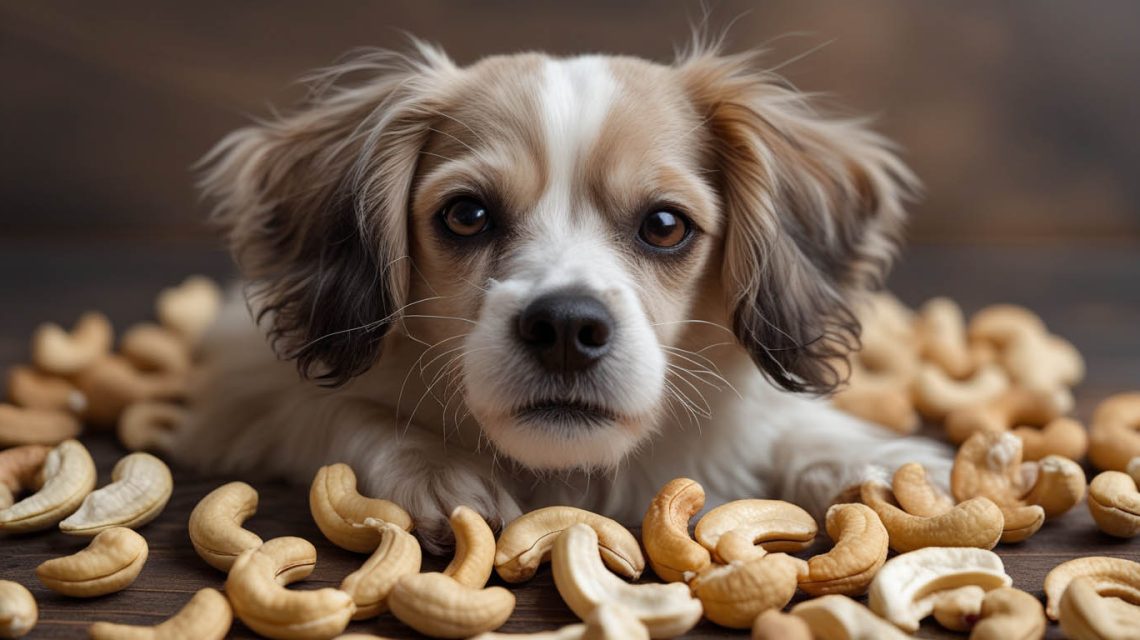
 You’re relaxing on the couch with a bowl of cashews, and—right on schedule—your dog appears, staring at you like you’re the only thing standing between them and pure happiness. In that moment, are cashews bad for dogs turns from a vague thought into an urgent decision: give in, or hold the line?
I’ve seen both sides of this. One client gave her Lab a few plain cashews now and then with no visible problems. Another came into the clinic with a small terrier who had raided a nut bowl and later landed in painful pancreatitis. Both owners thought, “They’re just nuts—how bad can they be?”
This article will walk you through the nuanced answer to are cashews bad for dogs, including:
- When cashews are risky (or outright dangerous)
- When a tiny amount might be tolerated
- How to prepare and portion cashews if your vet okays them
- Smarter alternatives that avoid the fat and allergy risks
By the end, you’ll know exactly how to handle cashews around your dog—without guessing.
What Does “Are Cashews Bad for Dogs” Actually Mean?
When people ask are cashews bad for dogs, they’re often blending several questions:
- Do cashews contain toxins that can poison my dog?
- Will a few cashews cause vomiting, diarrhea, or choking?
- Could cashews trigger pancreatitis, obesity, or allergies over time?
- Does the answer change for puppies, seniors, or dogs with health conditions?
Veterinarians usually translate are cashews bad for dogs into a risk–benefit question:
Does feeding cashews to this individual dog, in real‑world amounts, offer any benefit that justifies their very real risks (especially fat and calories)?
That framing is important, because it moves us from “Can they have them?” to “Should they have them?” Those are very different questions.
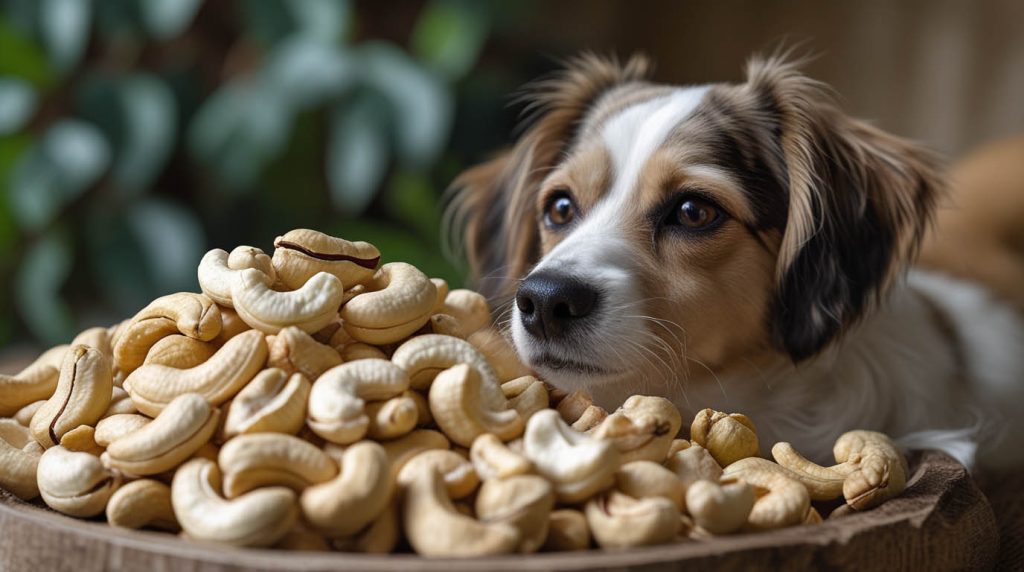
Are Cashews Bad for Dogs or Just Non-Essential?
Toxicity and When Are Cashews Bad for Dogs by Default
Let’s clear up the biggest fear behind are cashews bad for dogs: outright toxicity.
Some nuts absolutely are dangerous:
- Macadamia nuts – toxic to dogs; can cause weakness, tremors, and fever
- Moldy walnuts – risk of tremorgenic mycotoxins
- Bitter almonds – can contain cyanide compounds, unlike typical sweet almonds
Cashews sit in a different category:
- They are not considered inherently toxic to dogs when properly processed (steamed/roasted) and served plain.
- The American Kennel Club notes that cashews can be safe in very small amounts for some dogs, but with big caveats around fat and salt.
So strictly speaking, if we only ask “Are cashews bad for dogs because they’re poisonous?”, the answer is no, not in the way macadamias are.
However, that doesn’t mean they’re good or even neutral. It just means the real dangers are more subtle.
Nutritional Profile: When Are Cashews Bad for Dogs Nutritionally?
According to USDA data, 1 ounce (about 18 cashews) contains:
- 157 calories
- 12 g fat
- 9 g carbs
- 5 g protein
For a human, that’s a small snack. For a 20‑lb dog, that’s a massive calorie and fat bomb.
Why does this matter for are cashews bad for dogs?
- The high fat content significantly increases the risk of pancreatitis, especially in dogs prone to it.
- The calories add up fast, contributing to overweight and obesity if you’re not actively tracking treats.
The Association for Pet Obesity Prevention estimates that more than 50% of US dogs are overweight or obese. In that context, regular cashew sharing starts looking a lot less innocent.
So nutritionally, are cashews bad for dogs becomes “they’re not toxic, but they are very calorie‑dense and potentially harmful if you’re not extremely careful.”
When Exactly Are Cashews Bad for Dogs?
Health Conditions Where Are Cashews Bad for Dogs Is a Clear Yes
There are some dogs for whom the answer to are cashews bad for dogs is simply “yes, don’t go there.”
- Dogs with a history of pancreatitis
- High‑fat foods are classic triggers.
- Cashews can easily deliver a big fat load in a tiny volume.
- For these dogs, vets almost always say no to nuts.
- Overweight or obese dogs
- Extra calories worsen joint strain, respiratory issues, and metabolic risk.
- Cashews provide lots of calories without needed nutrients.
- Here, the honest answer to are cashews bad for dogs is “yes, for your dog, right now.”
- Dogs with chronic GI issues
- IBD, frequent diarrhea, or sensitive stomachs often don’t handle rich, fatty foods well.
- Cashews may cause vomiting, gas, or painful flare‑ups.
- Dogs on prescription diets
- Renal, hepatic, allergy, or other therapeutic diets are carefully balanced.
- VCA Animal Hospitals warn that off‑plan treats can undermine medical nutrition plans.
In all of these cases, are cashews bad for dogs should default to yes, unless your vet explicitly decides otherwise (and that’s rare).
How Many Make Cashews Bad for Dogs?
Even in healthy dogs, quantity matters a lot.
Consider this:
- A typical 30‑lb dog needs around 800–900 calories per day, depending on activity.
- One ounce of cashews (157 calories) is nearly 20% of that in a couple of bites.
If that dog already gets:
- A full portion of dog food
- Several biscuits
- Some table scraps
…and then cashews, those nuts become the thing that quietly pushes them into chronic overfeeding.
When owners say, “My dog had cashews and nothing bad happened,” they often mean nothing happened that day. The long‑term consequences—weight gain, pancreatitis risk, joint stress—develop slowly.
So practically, are cashews bad for dogs becomes a question of how often and how much, not just “did they vomit right away?”
Are Cashews Bad for Dogs with Salt, Flavors, and Mixes?
Why Salt and Seasoning Make Are Cashews Bad for Dogs Worse
Most cashews people snack on aren’t plain:
- Salted
- Honey‑roasted
- Covered in chili, garlic, onion, or other spices
- Mixed with chocolate pieces or dried fruit
Each of those additions worsens the answer to are cashews bad for dogs:
- Salt – too much sodium can contribute to dehydration and stress the kidneys, especially in small or older dogs.
- Garlic and onion powders – both are toxic to dogs in sufficient quantities and can damage red blood cells.
- Sweet coatings – extra sugar means extra calories and dental risk.
If you’re wondering are cashews bad for dogs and your cashews are anything but plain, unsalted, roasted nuts, the answer is much closer to “yes, they’re a bad idea.”
Mixed Nuts and Confusing Are Cashews Bad for Dogs
Many people keep mixed nuts out for snacking:
- Cashews
- Almonds
- Peanuts
- Walnuts
- Macadamias
If a dog raids that bowl, the question stops being just are cashews bad for dogs and becomes:
- Did my dog also eat macadamias (toxic)?
- Did they swallow any big nutshell pieces (choking/blockage risk)?
- How much total fat did they just ingest?
Because of that uncertainty, most vets recommend treating all mixed nuts as off‑limits, instead of trying to pick out “safe” cashews later.
Could There Be Any “Good” Side When Are Cashews Bad for Dogs Seems Too Harsh?
Are Cashews Bad for Dogs or Just Not Very Necessary?
Nutritionally, cashews contain:
- Unsaturated fats
- Some plant protein
- Minerals like magnesium, zinc, and copper
For people with specific dietary needs, that can be helpful. For dogs:
- Good commercial dog foods already cover all essential nutrients.
- Dogs get better protein and fat profiles from animal sources.
- The modest mineral boost from a few cashews doesn’t change anything meaningful.
So, are cashews bad for dogs in an absolute sense? Not always. But:
- They’re not needed.
- The benefits are tiny compared to the risks.
If we’re being brutally honest, cashews are mostly about owner enjoyment of sharing, not canine health.
How to Keep the Answer to Are Cashews Bad for Dogs Closer to “No”
Let’s say your dog is:
- A healthy adult
- At a good body condition score
- Free of pancreatitis or major GI disease
- Cleared by your vet for very occasional nut treats
In that narrow scenario, is it possible to answer are cashews bad for dogs with a cautious “no, not if we’re strict”? Yes—but the key word is strict.
Safe-Rules Checklist When You Ask Are Cashews Bad for Dogs
Use this checklist before you ever share a cashew:
- Plain, unsalted, roasted only?
- If your cashews are salted, flavored, or in a mix, your answer is “no, not these.”
- Dog’s health okay?
- No history of pancreatitis, major GI disease, or serious chronic illness.
- Puppy or senior? Ask your vet twice before proceeding.
- Portion tiny?
- Think one small cashew broken into pieces for a medium dog; less for small dogs.
- Frequency low?
- Once a week or less, not a daily habit.
- Calorie budget respected?
- All treats—including cashews—together remain under 10% of daily calories.
If you can’t confidently tick every box, then for your situation, are cashews bad for dogs should default to “they’re bad enough that we’re going to skip them.”
Quick Tip:
If you can’t easily remember when you last gave cashews or how many, you’re already in the danger zone. Write it down, or don’t give them at all.
Alternatives for When the Answer to Are Cashews Bad for Dogs Is “Yes”
Very often, even when dogs could eat cashews, they shouldn’t—because better options exist.
Healthier Treats So You Don’t Have to Ask Are Cashews Bad for Dogs
Instead of cashews, you can use:
- Green beans (plain) – Crunchy, very low in calories.
- Carrot sticks or baby carrots – Many dogs love the crunch.
- Blueberries – In tiny quantities if your vet approves.
- Small pieces of cooked lean chicken or turkey – Great for training.
- Commercial low‑calorie dog treats – Designed with canine needs in mind.
These options let you spoil your dog without constantly revisiting are cashews bad for dogs, because they’re designed or chosen to be much lower risk.
Comparing Cashews to Other Treats
Here’s a simple comparison for perspective:
| Treat Type | Approx. Calories (per 10 g) | Fat Level | Daily Use Smart? |
|---|---|---|---|
| Plain cashews | ~55 | High | Rarely, if ever |
| Dog biscuit | 35–45 | Moderate–High | Sparingly |
| Carrot | ~4 | Very low | Frequently (adjust meals) |
| Green bean | ~3 | Very low | Frequently |
| Lean chicken (cooked) | ~16 | Low–Mod | Great for training in pieces |
Once you see it this way, repeated “yes” answers to are cashews bad for dogs start to feel a little harder to justify.
Tools and Resources to Answer Are Cashews Bad for Dogs for Your Pet
Where to Cross-Check Are Cashews Bad for Dogs
Beyond this guide, it’s smart to confirm are cashews bad for dogs with:
- Your veterinarian – They know your dog’s entire medical history.
- AKC articles on nuts and dogs – Clear lists of which nuts are more or less risky.
- PetMD on nuts in dog diets – Vet‑reviewed explanations of risks.
- ASPCA Animal Poison Control – To check toxicity of other nuts and additives.
- VCA Animal Hospitals – Excellent overviews of pancreatitis and fatty food risks.
These sources consistently show a pattern: cashews aren’t the worst nut, but they aren’t necessary or particularly advisable either.
Simple Tracking for Your Own Answer to Are Cashews Bad for Dogs
If you do decide to test whether cashews are bad for your dog or not:
- Log what you give
- Date, number of cashews, whether they were plain or flavored.
- Watch for 48–72 hours
- Vomiting, diarrhea, changes in appetite, unusual itching, or lethargy.
- Monitor weight over time
- Weigh your dog monthly if possible.
- If weight creeps up, eliminate high‑fat treats like cashews first.
This turns “are cashews bad for dogs?” from a guess into a monitored, evidence‑based decision.
Case Studies: Real Answers to Are Cashews Bad for Dogs
Case 1: The Sneaky Snack Bowl Incident
Dog: Charlie, 4‑year‑old Beagle
Scenario: At a family gathering, Charlie managed to grab an unknown amount of mixed nuts from a low coffee table.
Aftermath:
- Vomited twice overnight
- Lethargic and painful the next morning
- Diagnosed with pancreatitis and hospitalized for supportive care
The vet explained that not just fat from cashews, but the whole high‑fat, mixed‑nut load, likely triggered the attack.
For Charlie’s owners, the answer to are cashews bad for dogs became painfully obvious: they can be, and we’re never leaving nut bowls within reach again.
Case 2: The “Once-in-a-While” Compromise
Dog: Daisy, 5‑year‑old Border Collie mix
Scenario: Daisy’s owner enjoyed an evening cashew snack and asked the vet, “If I’m disciplined, are cashews bad for dogs like Daisy, or could she have one occasionally?”
Vet guidance:
- Daisy was lean, active, and had no history of GI disease.
- The vet allowed one plain, unsalted cashew, broken into small bits, about once a week, counted within her total treat calories.
Outcome:
- Daisy tolerated this rule just fine—no GI issues and stable weight.
- Her owner kept good records and didn’t gradually increase portions.
In this highly controlled setup, the working answer to are cashews bad for dogs for Daisy became: they’re not good, but in this tiny, disciplined context, they’re not clearly harmful either.
FAQ: Common Questions About Are Cashews Bad for Dogs
Q: Are cashews bad for dogs if they only get one or two?
For many healthy adult dogs, 1–2 plain, unsalted cashews on rare occasions are unlikely to cause immediate harm. However, they still add fat and calories, and they’re not necessary. Always check with your vet and keep portions tiny.
Q: Are cashews bad for dogs if they’re salted?
Yes, salted cashews are worse. Extra sodium plus high fat isn’t good for dogs, especially small, senior, or heart‑compromised pets. Only plain, unsalted cashews should ever be considered—and even those sparingly.
Q: Are cashews bad for dogs compared to peanuts?
Plain, unsalted peanuts and cashews are both high‑fat and should be limited. Peanuts are less expensive and more common but bring similar risks. In both cases, moderation and veterinary guidance matter more than which nut you choose.
Q: Are cashews bad for dogs with kidney or liver disease?
Often yes. Dogs with kidney or liver disease are usually on carefully controlled diets. High‑fat, high‑phosphorus, or high‑sodium foods like cashews can conflict with those plans. Ask your vet before giving any nuts.
Q: Are cashews bad for dogs if used in nut butters?
Cashew butter is often very fatty and may contain salt, sugar, or even xylitol (which is deadly to dogs). Unless your vet okays a specific brand and amount, it’s safest to avoid cashew butter altogether.
Conclusion: Final Verdict on “Are Cashews Bad for Dogs”
So, are cashews bad for dogs? The most honest answer is: they’re not strictly toxic, but they are high‑risk, high‑fat, and non‑essential. A healthy adult dog might tolerate a tiny, plain cashew once in a while, especially under veterinary guidance and careful calorie tracking. However, the margin for error is small, and the potential downsides—weight gain, pancreatitis, GI upset—are very real.
In practical terms, most dogs are better off without cashews. There are far safer, healthier treat options that let you spoil your dog without playing dietary roulette. If you still feel tempted to share, think of cashews like champagne: a rare, small indulgence, only when you’ve thought everything through.
